
 Carmen J. Moore

Telescopes have long been used to capture stunning images of the night sky, revealing the beauty and mysteries of our universe. With the advancement of technology, many amateur astronomers are now turning to digital cameras to enhance their stargazing experience.
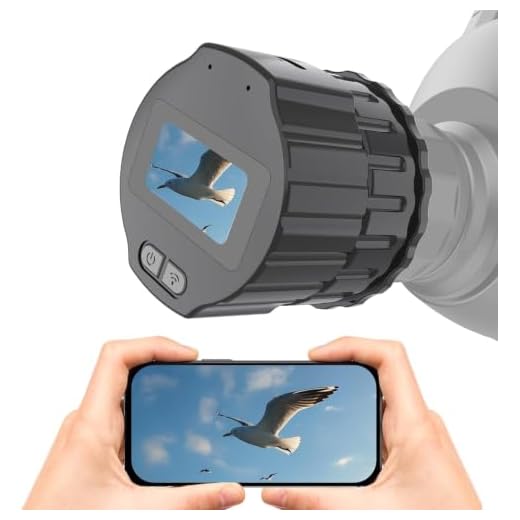


But can a digital camera be used in conjunction with a telescope to capture those awe-inspiring celestial scenes? The answer is yes, and with the right equipment and techniques, you can take your astrophotography to new heights.
By attaching a digital camera to a telescope, you can magnify the images captured by the camera and observe celestial objects in greater detail. Whether you’re interested in photographing the moon, planets, or deep-sky objects like galaxies and nebulae, a digital camera paired with a telescope can help you achieve impressive results.
Using a Digital Camera with a Telescope
Many amateur astronomers enjoy capturing stunning images of celestial objects using their telescopes and digital cameras. If you’re wondering whether a digital camera can work through a telescope, the answer is yes! By connecting your digital camera to your telescope, you can take high-quality photos of the night sky and share your astronomical discoveries with others.
How to Connect Your Camera to a Telescope
Connecting a digital camera to a telescope requires the use of a camera adapter or a T-ring and T-adapter. These accessories allow you to attach your camera securely to the eyepiece of the telescope, enabling you to capture images directly through the telescope’s optics.
Once your camera is connected, you can adjust the focus and settings to capture clear and detailed images of celestial objects such as the Moon, planets, and deep-sky objects like galaxies and nebulae. Experimenting with different exposure times and ISO settings can help you achieve the best results.

Tips for Astrophotography
- Use a sturdy tripod or mount to keep your telescope and camera stable during long exposure shots.
- Consider using a remote shutter release or timer to minimize camera shake when capturing photos.
- Choose a dark and clear night for optimal viewing conditions and minimize light pollution.
- Experiment with different camera settings and post-processing techniques to enhance your images.
Compatibility of Digital Cameras and Telescopes
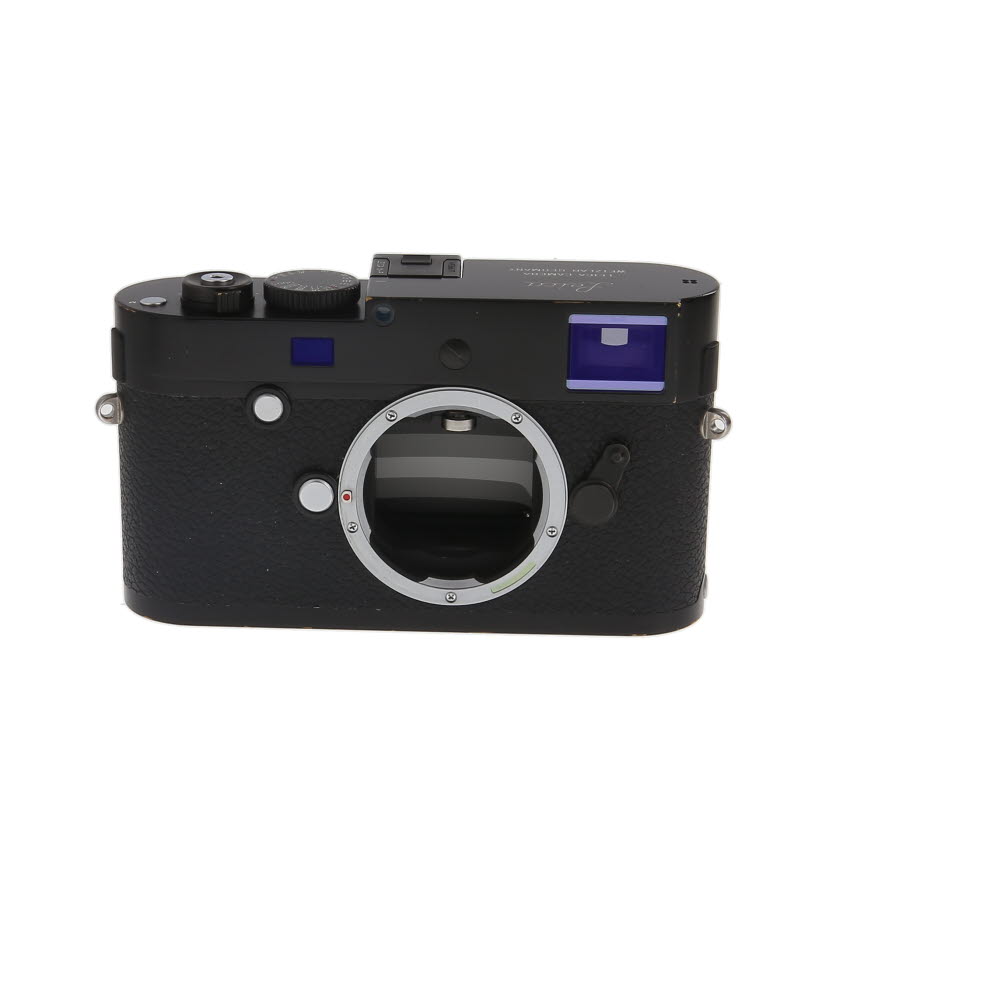
When using a digital camera with a telescope, compatibility is key to achieving optimal results.
Before attempting to connect your camera to a telescope, ensure that the camera’s lens mount is compatible with the telescope’s eyepiece or adapter.
Additionally, consider the camera’s weight and size to ensure it can be securely attached to the telescope without compromising stability.
Some telescopes may require specific adapters or accessories to properly connect a digital camera, so research and choose compatible equipment accordingly.
By ensuring compatibility between your digital camera and telescope, you can capture stunning images of celestial objects with precision and clarity.
Benefits of Using a Digital Camera with a Telescope
1. Enhanced Image Quality: By attaching a digital camera to your telescope, you can capture high-quality images of celestial objects with greater detail and clarity.
2. Convenience: Using a digital camera makes it easier to capture and store images, eliminating the need for film and developing.
3. Versatility: Digital cameras offer a wide range of settings and features that allow you to customize your photography experience, such as adjusting exposure settings and using different lenses.
4. Sharing and Editing: Digital images can be easily shared online or edited using photo editing software to enhance the final result.
5. Cost-Effective: While the initial investment in a digital camera may be higher, the long-term cost of using digital technology is typically lower than traditional film photography.
Factors to Consider Before Using a Digital Camera with a Telescope
1. Telescope Compatibility: Ensure that your digital camera can be securely attached to your telescope. Check for any necessary adapters or mounts.
2. Camera Sensor Size: Consider the sensor size of your camera as it may affect the field of view and image quality when used with a telescope.
3. Focal Length: Understand the focal length of your telescope and how it will interact with the focal length of your camera lens for optimal results.
4. Aperture: Take into account the aperture of your telescope and how it will impact the light-gathering capability of your camera for astrophotography.
5. Image Stabilization: Consider whether your camera has image stabilization features to reduce vibrations and ensure sharp images when mounted on a telescope.

6. Remote Shutter Release: Check if your camera supports remote shutter release to prevent camera shake and improve image quality during long exposure shots.
7. Software Compatibility: Ensure that your camera’s software is compatible with your computer for easy transfer and editing of images captured through the telescope.
Tips for Connecting a Digital Camera to a Telescope
If you want to connect your digital camera to a telescope to capture stunning images of the night sky, here are some tips to help you get started:
- Use a T-ring adapter: A T-ring adapter allows you to attach your digital camera to the telescope’s eyepiece holder.
- Get a T-adapter: A T-adapter connects your camera to the telescope, ensuring a secure and stable connection.
- Use a remote shutter release: To prevent camera shake, use a remote shutter release or set a timer on your camera to capture sharp images.
- Adjust the focus: Make sure to adjust the focus on both the telescope and the camera to achieve a sharp image.
- Experiment with different settings: Try different exposure settings, ISO levels, and aperture settings to find the best combination for capturing the night sky.
- Practice and be patient: Astrophotography takes time and practice, so don’t get discouraged if your first few attempts don’t turn out as expected.
Techniques for Capturing Images with a Digital Camera and Telescope
When using a digital camera with a telescope for astrophotography, there are several techniques that can help you capture stunning images of the night sky. Here are some tips to get you started:
1. Prime Focus Photography
One common technique is prime focus photography, where the digital camera is directly attached to the telescope’s focuser. This method allows you to take images using the telescope’s optics, resulting in high-quality, magnified photos of celestial objects.

2. Eyepiece Projection Photography
Another technique is eyepiece projection photography, which involves attaching the digital camera to the telescope through an eyepiece. This method can increase the magnification of the image, but may require additional accessories to achieve optimal results.
| Technique | Pros | Cons |
|---|---|---|
| Prime Focus | High-quality images | Limited magnification |
| Eyepiece Projection | Increased magnification | Additional accessories needed |
Image Quality When Using a Digital Camera with a Telescope
When using a digital camera with a telescope, the image quality can vary depending on several factors. One of the key factors is the resolution of the camera sensor. Higher resolution sensors can capture more detail and produce sharper images when attached to a telescope.
Another important factor is the size of the telescope’s aperture. A larger aperture allows more light to enter the telescope, resulting in brighter and clearer images. Additionally, the quality of the telescope’s optics and the stability of the mounting setup can also impact the overall image quality.
Considerations for Better Image Quality:
- Use a camera with a high-resolution sensor: Look for cameras with at least 12 megapixels for better image quality.
- Opt for a telescope with a larger aperture: A larger aperture will improve the brightness and clarity of the captured images.
By considering these factors and using the right equipment, you can enhance the image quality when using a digital camera with a telescope.
Software for Processing Images Captured with a Digital Camera and Telescope
Once you have captured images with your digital camera and telescope, you will need software to process and enhance them. There are several options available that cater to different levels of expertise and desired outcomes:
1. Adobe Photoshop:
Adobe Photoshop is a powerful tool for editing and enhancing images. It offers a wide range of features that allow you to adjust colors, contrast, sharpness, and more. Photoshop is a professional-grade software used by many photographers and astrophotographers.
2. DeepSkyStacker:
DeepSkyStacker is a specialized software designed specifically for stacking multiple images of the night sky. It aligns and combines individual frames to reduce noise and improve overall image quality. DeepSkyStacker is popular among astrophotography enthusiasts.
These are just a few examples of software options available for processing images captured with a digital camera and telescope. Depending on your skill level and specific requirements, you may choose different software tools to achieve the desired results.
Common Problems When Using a Digital Camera with a Telescope
While using a digital camera with a telescope can provide stunning images of celestial objects, there are some common problems that users may encounter:
- Vignetting: Vignetting occurs when the telescope’s eyepiece projects a circular image onto the camera’s sensor, resulting in dark corners or edges in the final image.
- Focusing: Achieving proper focus can be challenging, especially with manual focus lenses. It may require trial and error to get the focus just right.
- Shake and Stability: Any vibration or movement can blur the image. Using a stable mount or tripod is essential to prevent shake and achieve sharp photos.
- Light Pollution: Light pollution can wash out faint celestial objects in urban areas. Consider shooting from a dark sky site for better results.
- Compatibility: Not all telescopes are suitable for attaching a digital camera. Make sure your telescope has the necessary adapters or accessories for camera attachment.
FAQ
Can I use a digital camera with a telescope?
Yes, you can use a digital camera with a telescope to capture images of celestial objects. By attaching your digital camera to the telescope using a camera adapter, you can take photos of the moon, planets, stars, and other astronomical objects.

What equipment do I need to connect a digital camera to a telescope?
To connect a digital camera to a telescope, you will need a camera adapter or a T-ring and T-adapter that are compatible with your camera model and telescope. Additionally, you may need a mount to keep your camera steady during long exposures.
Will a digital camera work through any type of telescope?
Most digital cameras can work through telescopes, but it’s important to ensure compatibility between your camera and telescope. Different telescopes have varying focal lengths and requirements for adapters, so it’s best to check with the manufacturer or a specialist to find the right setup for your specific equipment.
Can I take high-quality photos of the night sky using a digital camera and a telescope?
With the right equipment and proper setup, you can capture stunning high-quality photos of the night sky using a digital camera and a telescope. Factors like exposure time, aperture settings, and image processing techniques play a crucial role in achieving professional-looking astrophotography results.


I've been using a digital camera with my telescope for about a year now. Initially, I struggled with getting clear images, but once I learned about the T-ring and T-adapter, everything changed. I recommend using a sturdy tripod and practicing focus adjustments. My best shots were taken during a new moon, which minimized light pollution. Just be patient; the learning curve is steep but worth it!
Can you use any digital camera with a telescope, or do you need specific models? I'm kind of new to astrophotography.
Good question! I found that some DSLRs work better than others. It's best to check compatibility with your telescope model.