
 Carmen J. Moore

Digital cameras have ISO settings to control the sensitivity of the camera’s image sensor to light. ISO, which stands for International Standards Organization, is a standard that measures the sensitivity of film to light. In digital cameras, ISO settings control the sensor’s sensitivity to light, allowing photographers to adjust the camera’s exposure to different lighting conditions.
By adjusting the ISO setting, photographers can control the amount of light that reaches the camera sensor, which affects the brightness and clarity of the resulting image. A higher ISO setting makes the sensor more sensitive to light, allowing for faster shutter speeds in low-light conditions, but may introduce more noise or graininess in the image.
Conversely, a lower ISO setting makes the sensor less sensitive to light, resulting in cleaner images with less noise but requiring longer shutter speeds in low-light situations. Understanding how to use ISO settings effectively is essential for photographers to achieve the desired exposure and image quality in various shooting conditions.



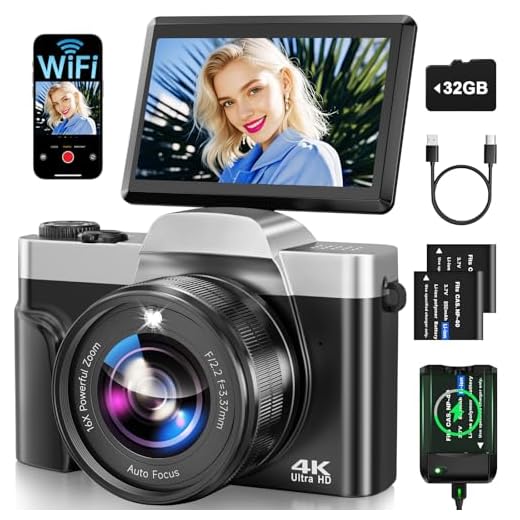
Reasons for ISO Settings on Digital Cameras
ISO settings on digital cameras play a crucial role in photography by adjusting the camera’s sensitivity to light. Here are some key reasons why ISO settings are essential:
1. Low Light Conditions:
One of the primary reasons for ISO settings is to capture images in low light conditions. By increasing the ISO, the camera becomes more sensitive to light, allowing you to take photos in dimly lit environments without the need for a flash.
2. Creative Control:
ISO settings provide photographers with creative control over the amount of grain or noise in their photos. Lower ISO settings produce cleaner images with less noise, while higher ISO settings introduce graininess, which can be used to create a specific aesthetic or mood in the photograph.
| ISO Setting | Light Sensitivity | Resulting Image |
| Low (e.g., 100) | Low sensitivity | Clean, noise-free image |
| High (e.g., 1600+) | High sensitivity | Grainy, textured image |
Understanding ISO Sensitivity
ISO sensitivity is a crucial feature in digital cameras that determines the camera’s ability to capture light and produce high-quality images in various lighting conditions. The ISO setting controls the camera’s sensitivity to light, with higher ISO values making the camera more sensitive to light and lower ISO values making it less sensitive.
When shooting in low light conditions, a higher ISO setting allows you to capture brighter images without the need for a longer exposure time. However, increasing the ISO can also introduce noise or graininess in the image, affecting its overall quality. On the other hand, using a lower ISO setting in well-lit conditions produces cleaner and sharper images with less noise.

Understanding ISO sensitivity is essential for photographers to achieve the desired image quality while balancing exposure settings. By adjusting the ISO setting based on the lighting conditions and desired image quality, photographers can capture stunning photos with their digital cameras.
Low Light Performance
ISO settings on digital cameras play a crucial role in determining the camera’s performance in low light conditions. When shooting in low light, a higher ISO setting allows the camera sensor to be more sensitive to light, enabling you to capture brighter images without the need for longer exposure times.
However, increasing the ISO setting also introduces more digital noise or graininess in the images. Therefore, it is essential to find a balance between a high enough ISO setting to capture sufficient light and a low enough setting to minimize noise and maintain image quality.
Noise Reduction
One of the key reasons why digital cameras have ISO settings is to control the amount of noise in your photos. Noise is the random variation of brightness or color in images, often seen as graininess or speckles. When you increase the ISO setting on your camera, you are essentially amplifying the signal from the image sensor, which can lead to an increase in noise.
To reduce noise in your photos, you can try using a lower ISO setting when possible. Additionally, some digital cameras have built-in noise reduction features that can help minimize noise in your images. These features work by processing the image data to reduce the appearance of noise without sacrificing image quality.
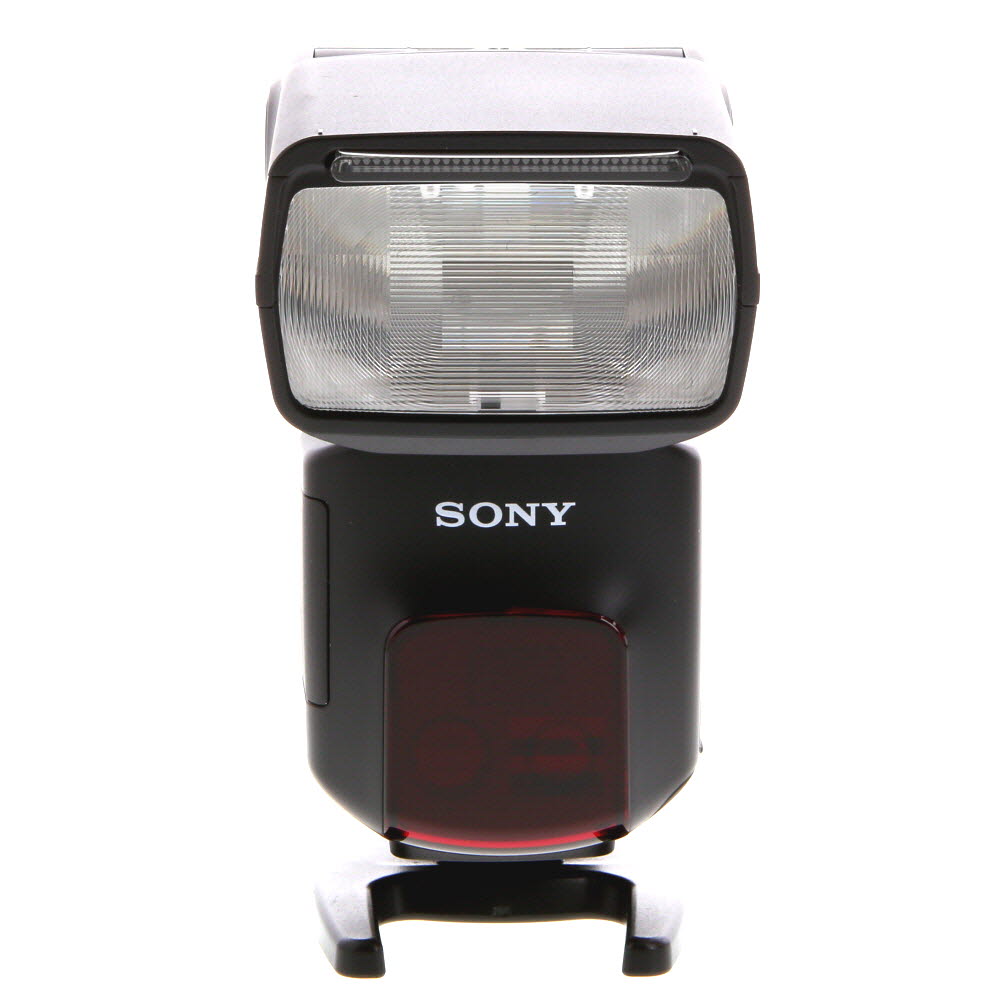
Flexibility in Exposure
ISO settings on digital cameras provide photographers with the flexibility to adjust the sensitivity of the camera’s sensor to light. By changing the ISO setting, photographers can control the exposure of their photos in various lighting conditions. A higher ISO setting makes the sensor more sensitive to light, allowing for faster shutter speeds and better performance in low-light situations. On the other hand, a lower ISO setting reduces the sensor’s sensitivity, resulting in less noise and better image quality in well-lit environments.
| ISO Setting | Effects |
|---|---|
| High ISO | Allows for faster shutter speeds, better performance in low light, but may introduce more noise. |
| Low ISO | Produces less noise, better image quality in well-lit conditions, but may require longer exposure times. |
By understanding how ISO settings work, photographers can creatively control the exposure of their photos and achieve the desired results in different shooting scenarios.
Adjusting to Different Lighting Conditions
One of the key reasons why digital cameras have ISO settings is to help photographers adjust to different lighting conditions. In low light situations, increasing the ISO setting allows the camera to capture more light and produce brighter images without the need for a longer exposure time. On the other hand, in bright light conditions, lowering the ISO setting can help prevent overexposure and maintain image quality. By adjusting the ISO setting, photographers can fine-tune their camera’s sensitivity to light and achieve optimal results in various lighting environments.
Shutter Speed and Aperture Relationship
Understanding the relationship between shutter speed and aperture is crucial for capturing great photos. Shutter speed determines how long the camera’s shutter remains open to allow light to hit the image sensor. A fast shutter speed freezes motion, while a slow shutter speed creates motion blur.
Aperture, on the other hand, controls the size of the opening in the lens through which light passes. A wider aperture (smaller f-stop number) lets in more light and creates a shallower depth of field, while a narrower aperture (larger f-stop number) allows less light and increases the depth of field.

By adjusting both shutter speed and aperture settings, photographers can control the exposure and creative effects of their photos. Finding the right balance between these two settings is key to achieving the desired image outcome.
Enhancing Image Quality
ISO settings on digital cameras play a crucial role in enhancing image quality. By adjusting the ISO setting, photographers can control the camera’s sensitivity to light, which impacts the overall brightness and clarity of the image. Higher ISO settings are ideal for low-light conditions as they make the camera more sensitive to light, allowing for brighter images with less noise. However, increasing the ISO too much can result in grainy or pixelated images. On the other hand, lower ISO settings are suitable for well-lit environments, producing sharper images with minimal noise. Understanding how to optimize ISO settings can significantly improve the quality of your photographs.
Artistic Expression and Creativity
ISO settings play a crucial role in artistic expression and creativity in photography. By adjusting the ISO level, photographers can manipulate the amount of light that reaches the camera sensor, thus influencing the overall mood and atmosphere of the photograph.
High ISO settings are often used in low-light conditions to capture more light and produce brighter images without using a flash. This can create a sense of drama and intensity in the photo, enhancing the visual impact of the subject.
On the other hand, low ISO settings are ideal for well-lit environments and can result in images with minimal noise and high detail. This allows photographers to capture crisp, clear shots with rich colors and intricate textures, perfect for showcasing intricate details or capturing subtle nuances.

By understanding how ISO settings affect the quality and characteristics of an image, photographers can experiment with different settings to achieve their desired artistic vision. Whether aiming for a moody and atmospheric shot or a vibrant and detailed image, ISO settings offer a versatile tool for photographers to express their creativity and bring their artistic vision to life.
FAQ
What is the purpose of ISO settings in digital cameras?
ISO settings in digital cameras control the sensitivity of the camera’s image sensor to light. By adjusting the ISO setting, you can make the sensor more or less sensitive to light, which is useful in different lighting conditions.
How do ISO settings affect the quality of the photos?
Higher ISO settings can result in more noise or grain in the photos, while lower ISO settings produce cleaner images. It’s important to find the right balance between sensitivity and image quality based on the lighting conditions you are shooting in.
Why do photographers change the ISO setting on their cameras?
Photographers change the ISO setting on their cameras to adapt to different lighting situations. For example, in low light conditions, they may increase the ISO to make the sensor more sensitive to light and capture a brighter image without using a flash.
Can you explain the relationship between ISO settings, aperture, and shutter speed in photography?
ISO settings, aperture, and shutter speed are the three main exposure settings in photography. By adjusting the ISO, aperture, and shutter speed, photographers can control the exposure and brightness of their photos. Understanding how these settings work together is essential for creating well-exposed images.


What are some practical tips for using ISO in low-light photography? I often struggle with noise when I increase the ISO too much.
I've found that a good starting point is to set the ISO to around 800 for indoor shots, but it really helps to use a tripod to maintain clarity.
Great tip! Using a tripod can definitely help reduce motion blur in low light, and starting at ISO 800 is a practical approach.
Can someone explain how exactly adjusting the ISO affects shutter speed? I’m trying to understand the relationship better for my night photography.
Great question! When you increase the ISO, your camera's sensor becomes more sensitive to light, which allows you to use faster shutter speeds. This is particularly useful in low-light situations where you need to capture movement without blur.
I disagree with the idea that higher ISO always results in better photos. I prefer to use lower ISO and longer exposure times for sharper images in most conditions.
I see your point, but there are definitely times when higher ISO can save a shot that would otherwise be too dark. It's about knowing when to use each.
I love experimenting with high ISO for a gritty look in my street photography! It can really add mood.
Can anyone clarify the difference between ISO 100 and ISO 1600 in practical terms? How much more light sensitivity does that really mean?
ISO 1600 is 3 stops more sensitive than ISO 100, meaning it can capture light in much dimmer conditions. This is why it's useful for low-light scenarios.
I recently shot a concert with a high ISO setting at 3200, and while the photos were bright, they were very grainy. It's a balance I’m still trying to master. Has anyone else had success with noise reduction techniques?
I use noise reduction software in post-processing, and it helps a lot! Just be careful not to overdo it, or you might lose some detail.
I've been experimenting with ISO settings on my DSLR, and I've noticed that while higher ISO can help in low light, it does introduce noise. I recently shot a concert with ISO 3200 and while I got some decent images, they were grainy. In other cases, like outdoor portraits during the day, using ISO 100 really helped in achieving that sharp image quality. It took some trial and error, but now I feel more confident adjusting my ISO based on the lighting conditions.
That's really helpful to hear! I often worry too much about noise and avoid higher ISOs even when I should use them. It sounds like it just comes down to finding a balance.
Exactly! It's all about balancing ISO, shutter speed, and aperture to achieve the best results for the conditions you're shooting in.