
 Carmen J. Moore

With the rapid advancement of smartphone camera technology, many people are questioning whether entry-level mirrorless cameras are still worth investing in. While smartphones have become incredibly capable in terms of photography, there are still distinct advantages to using a dedicated camera.

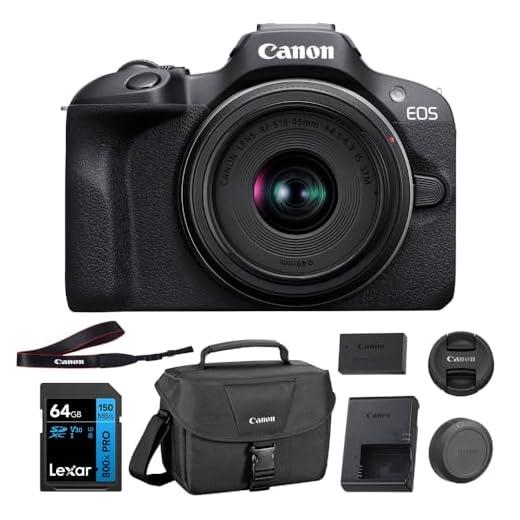

Entry-level mirrorless cameras offer larger sensors, interchangeable lenses, and more manual controls compared to smartphone cameras. This results in higher image quality, better low-light performance, and the ability to achieve creative effects that are difficult to replicate with a smartphone.
However, smartphones have the advantage of convenience and portability, making them the go-to choice for many casual photographers. Understanding the strengths and weaknesses of each type of camera can help you make an informed decision based on your photography needs and preferences.
Comparison of Entry Level Mirrorless Cameras and Smartphone Cameras
When comparing entry level mirrorless cameras and smartphone cameras, there are several key factors to consider.
Image Quality: Entry level mirrorless cameras generally offer higher image quality compared to smartphone cameras. Mirrorless cameras have larger sensors and better lenses, resulting in sharper images with more detail and better low-light performance.
Manual Controls: Mirrorless cameras provide more manual controls, allowing users to adjust settings such as aperture, shutter speed, and ISO. This level of control is typically not available on smartphone cameras.
Interchangeable Lenses: Mirrorless cameras have the advantage of interchangeable lenses, giving users the flexibility to choose different lenses for different shooting situations. Smartphone cameras have fixed lenses with limited zoom capabilities.
Performance: Mirrorless cameras generally have faster autofocus and burst shooting capabilities compared to smartphone cameras. This makes them better suited for capturing fast-moving subjects or action shots.
Portability: Smartphone cameras are more portable and convenient to carry around compared to mirrorless cameras, which are bulkier and require additional lenses and accessories.
Overall, while smartphone cameras offer convenience and ease of use, entry level mirrorless cameras provide superior image quality, manual controls, and performance for users who are looking to take their photography to the next level.
Image Quality and Resolution
When it comes to image quality and resolution, entry-level mirrorless cameras generally outperform smartphone cameras. Mirrorless cameras typically have larger image sensors, which allow them to capture more detail and produce higher quality images with better dynamic range and low-light performance. Additionally, mirrorless cameras offer higher resolution options, allowing for larger print sizes and more flexibility in post-processing.
Low Light Performance
When it comes to low light performance, entry-level mirrorless cameras typically outperform smartphone cameras. The larger image sensor in mirrorless cameras allows them to capture more light, resulting in better image quality in low light conditions. This means less noise and better overall sharpness in dimly lit environments.
Smartphone cameras, on the other hand, tend to struggle in low light situations due to their smaller sensors. They often produce images with more noise and less detail when compared to mirrorless cameras. While smartphone cameras have made significant improvements in low light performance in recent years, they still can’t match the capabilities of entry-level mirrorless cameras.
Control and Flexibility
One of the key advantages of entry-level mirrorless cameras over smartphone cameras is the level of control and flexibility they offer to the user. With a dedicated camera, you have the ability to manually adjust settings such as aperture, shutter speed, ISO, and white balance, giving you more creative control over your photos. This level of control allows you to experiment with different settings to achieve the desired effect and improve your photography skills.
Additionally, entry-level mirrorless cameras often offer interchangeable lenses, allowing you to choose the best lens for the specific type of photography you are doing. This flexibility means you can use wide-angle lenses for landscapes, telephoto lenses for wildlife photography, or prime lenses for portrait photography, giving you more options to capture the perfect shot.
While smartphone cameras are convenient and easy to use, they lack the same level of control and flexibility as entry-level mirrorless cameras, making them less suitable for serious photographers or those looking to improve their photography skills.
Portability and Convenience
When it comes to portability and convenience, smartphone cameras have a clear advantage over entry-level mirrorless cameras. Smartphones are compact, lightweight, and always with us, making them incredibly convenient for capturing spontaneous moments on the go. With a smartphone, you don’t need to carry around an extra camera body and lenses, which can be bulky and cumbersome.
On the other hand, entry-level mirrorless cameras offer better image quality and more manual control options compared to smartphone cameras. While they may not be as portable as smartphones, they are still relatively compact and lightweight, making them a good compromise between portability and image quality. Additionally, mirrorless cameras allow you to change lenses, giving you more creative flexibility in your photography.
Price Point and Value
When comparing entry-level mirrorless cameras to smartphone cameras, price is a crucial factor to consider. While smartphone cameras come included with the device and do not require any additional investment, entry-level mirrorless cameras typically come with a higher price tag.
However, the value of a mirrorless camera often outweighs the cost, as they offer superior image quality, manual controls, interchangeable lenses, and better low-light performance. Additionally, investing in a mirrorless camera can lead to more professional-looking photos and greater artistic control over the final result.
On the other hand, smartphone cameras are convenient, compact, and easy to use, making them ideal for casual photography and social media sharing. They also come with a variety of editing apps and filters that can enhance the final image without the need for additional equipment.
In conclusion, while entry-level mirrorless cameras may have a higher upfront cost, their value in terms of image quality and creative control make them a worthwhile investment for photography enthusiasts and professionals. Smartphone cameras, on the other hand, offer convenience and accessibility for everyday photography needs.
Overall Performance and Versatility
When it comes to overall performance and versatility, entry-level mirrorless cameras have a clear advantage over smartphone cameras. Mirrorless cameras typically have larger sensors, which allow for better image quality, especially in low-light conditions. They also offer more manual controls, interchangeable lenses, and better autofocus systems, giving photographers more creative freedom and flexibility.
On the other hand, smartphone cameras are more convenient and easy to use, with built-in editing tools and instant sharing options. They are great for capturing everyday moments on the go, but they may not deliver the same level of image quality and control as mirrorless cameras.


I disagree that mirrorless cameras are worth the investment for everyone. My smartphone takes great photos for social media, and I don’t mind the limitations.
That's a valid point! It really depends on what you're looking to achieve with your photography.
I recently switched to a mirrorless camera after relying on my smartphone for years. The image quality is noticeably better, especially in low light situations. I also love having control over settings like aperture and shutter speed. It feels great to be more creative with my shots now!
Thanks for sharing your experience, Amelia! Many users find that manual controls can really elevate their photography.
I'm curious about low light performance. Is it a significant difference between entry-level mirrorless and smartphones, or is it just a minor improvement?
I've found that mirrorless cameras really shine in low light. My smartphone tends to struggle, especially indoors.