
 Carmen J. Moore

Digital cameras have revolutionized the way we capture moments and memories, offering convenience and quality that film cameras could never match. One of the key features that sets digital cameras apart is their ability to focus on subjects with precision and speed. But have you ever wondered how digital cameras achieve this crucial function?
Understanding how digital cameras focus involves a combination of advanced technology and optical principles. By manipulating light rays through lenses, digital cameras are able to adjust the focal point to ensure that the subject appears sharp and clear in the final image.
The autofocus system in digital cameras plays a vital role in achieving sharp images. Using sensors and algorithms, the camera can detect the distance to the subject and automatically adjust the lens position to focus accurately. This rapid process happens in milliseconds, allowing photographers to capture fleeting moments with ease.
How Digital Cameras Focus
Digital cameras use a variety of methods to focus on subjects and capture sharp images. One common focusing method is contrast detection, where the camera adjusts the lens until it finds the point of highest contrast in the scene. This method is slower but accurate.
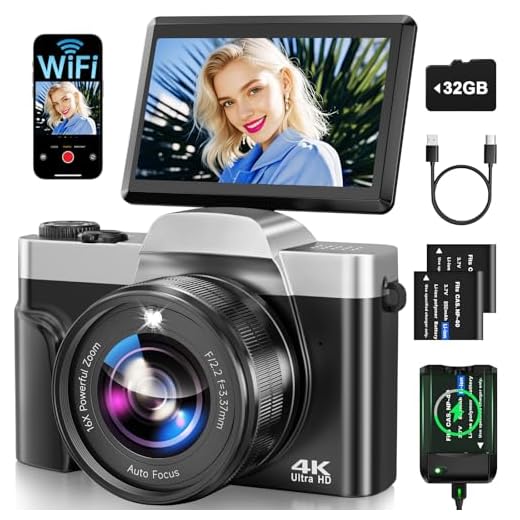
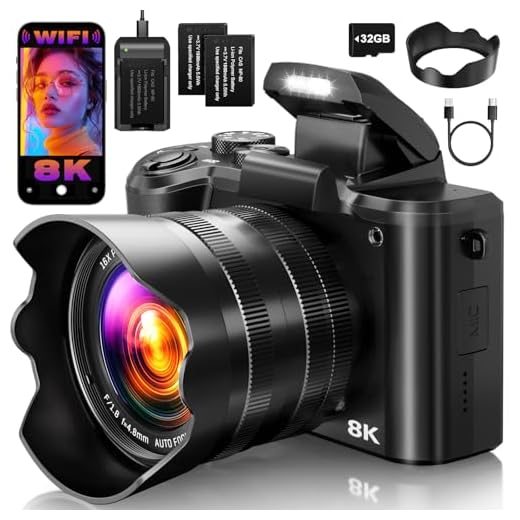
Another popular focusing technique is phase detection, which splits the incoming light into two separate beams and compares them to determine focus. This method is faster and commonly used in DSLR cameras.
Newer cameras also utilize hybrid autofocus systems that combine both contrast and phase detection for quicker and more accurate focusing. Some cameras even incorporate face detection and tracking features to keep moving subjects in focus.
| Focus Method | Speed | Accuracy |
|---|---|---|
| Contrast Detection | Slower | High |
| Phase Detection | Faster | High |
| Hybrid AF | Fast | Very High |
Understanding Camera Lenses
Camera lenses are essential components of a digital camera that help capture sharp and clear images. Understanding how camera lenses work can greatly enhance your photography skills. Here are some key points to consider:
1. Focal Length
The focal length of a lens determines the angle of view and magnification of the image. A shorter focal length results in a wider angle of view, while a longer focal length provides more magnification.
2. Aperture
The aperture of a lens controls the amount of light that enters the camera. A wider aperture lets in more light, allowing for better low-light performance and a shallower depth of field. A smaller aperture reduces the amount of light but increases the depth of field.

- Wide aperture (e.g., f/1.8) – ideal for portraits and low-light conditions
- Small aperture (e.g., f/16) – suitable for landscapes and scenes with lots of details
By understanding these aspects of camera lenses, you can make informed decisions when selecting the right lens for your photography needs.
Role of Autofocus Systems
Autofocus systems play a crucial role in digital cameras by automatically adjusting the lens position to achieve sharp focus on the subject. These systems use various techniques to detect the distance to the subject and calculate the necessary lens adjustments. One common method is contrast detection, where the camera analyzes the contrast between adjacent pixels to determine the sharpest focus point. Another popular technique is phase detection, which involves splitting the incoming light into pairs of images and comparing them to find the optimal focus position.
Autofocus systems have evolved over the years, incorporating advanced technologies such as face detection, predictive focus tracking, and continuous autofocus for moving subjects. These systems allow photographers to capture sharp and clear images quickly and accurately, making them an essential component of modern digital cameras.
Contrast Detection Method
Contrast detection is a common autofocus method used in digital cameras. This technique relies on the camera’s image sensor to detect the contrast between adjacent pixels. When the camera detects a high contrast area, it knows that the image is in focus. If the contrast is low, the camera adjusts the focus until it reaches the point of highest contrast. This process is repeated until the image is sharp and in focus.
Contrast detection can be slower than phase detection, especially in low light or low contrast situations. However, it is accurate and works well for static subjects where speed is not critical. Many compact cameras and mirrorless cameras use contrast detection autofocus because of its accuracy and ease of implementation.
Phase Detection Method
The phase detection method is commonly used in digital cameras to quickly and accurately focus on subjects. This method works by splitting the incoming light into two separate paths using a special type of sensor called a phase detection sensor. These two paths are then compared to determine the phase difference between them, which allows the camera to calculate the distance to the subject and adjust the focus accordingly.
Phase detection autofocus systems are typically found in DSLR cameras and mirrorless cameras, as they provide fast and precise focusing capabilities, especially when tracking moving subjects. By using the phase detection method, digital cameras can achieve quick and accurate focus even in challenging lighting conditions, making them ideal for capturing action shots and sports photography.
Hybrid Autofocus Technology
Hybrid autofocus technology is a cutting-edge feature found in many modern digital cameras. This technology combines both contrast detection and phase detection autofocus methods to provide faster and more accurate focusing capabilities.
Contrast detection autofocus analyzes the contrast in the scene to determine the sharpest focus point, while phase detection autofocus uses sensors to measure the distance to the subject and adjust the focus accordingly. By combining these two methods, hybrid autofocus systems can quickly and accurately focus on both still and moving subjects.
| Advantages of Hybrid Autofocus Technology: |
| 1. Faster and more accurate focusing |
| 2. Improved performance in low light conditions |
| 3. Enhanced tracking of moving subjects |
Manual Focus Options
While digital cameras typically come with autofocus features, many also offer manual focus options for users who prefer more control over the focus of their images. Manual focus allows photographers to adjust the focus of the camera lens manually, rather than relying on the camera’s autofocus system.

There are several ways to manually focus a digital camera:
1. Manual Focus Ring:
Some digital cameras come with a manual focus ring on the lens that allows users to adjust the focus by rotating the ring. This method is common in interchangeable lens cameras and provides precise control over the focus.
2. Focus Peaking:
Focus peaking is a feature found in some digital cameras that highlights the in-focus areas of an image when using manual focus. This visual aid helps users determine the sharpest focus point in their photos.
| 3. Live View: | Many digital cameras offer a live view mode that displays the image on the camera’s LCD screen in real-time. This allows users to manually adjust the focus while viewing the image on the screen, making it easier to achieve accurate focus. |
Focus Points and Zones
When a digital camera focuses, it uses a series of focus points to determine where to sharpen the image. These focus points are specific areas within the frame that the camera can detect and focus on. The number and arrangement of focus points can vary depending on the camera model.
Some cameras also offer the option of focus zones, which are larger areas within the frame that the camera can focus on. These zones are useful when you want to focus on a specific part of the scene without pinpointing a single focus point.

How Focus Points Work
Focus points work by detecting contrast in the scene. When you half-press the shutter button, the camera activates the focus points and analyzes the contrast in each area. The camera then calculates which focus point has the most contrast and adjusts the lens to focus on that point.
Using Focus Zones
Focus zones are helpful when you want to focus on a broader area in the frame, such as a group of people or a landscape. By selecting a focus zone, you can ensure that the camera focuses on the entire zone rather than a single point within it. This can be particularly useful in situations where you want to capture a scene with multiple subjects at different distances from the camera.
| Focus Points | Focus Zones |
|---|---|
| Specific areas within the frame | Larger areas within the frame |
| Determine where to sharpen the image | Useful for focusing on broader areas |
| Can vary in number and arrangement | Helpful for scenes with multiple subjects |
Continuous and Single Focus Modes
Modern digital cameras typically offer two main focus modes: continuous autofocus (AF-C) and single autofocus (AF-S).
Continuous autofocus (AF-C): In this mode, the camera continuously adjusts the focus as the subject moves within the frame. This mode is ideal for capturing fast-moving subjects such as sports or wildlife photography.
Tip: Use AF-C mode when shooting dynamic scenes or moving subjects to ensure sharp focus.
Single autofocus (AF-S): In AF-S mode, the camera locks the focus once the subject is in focus, and it does not adjust the focus until the shutter button is pressed halfway or a new focus point is selected. This mode is suitable for static subjects or situations where you want to control the focus manually.
Tip: Use AF-S mode for portraits, landscapes, or still life photography where the subject is stationary.
Tracking Moving Subjects
Many digital cameras come equipped with advanced autofocus systems that allow them to track moving subjects. This feature is particularly useful when capturing fast-paced action, such as sports events or wildlife photography.
Tracking autofocus works by continuously adjusting the focus based on the movement of the subject within the frame. The camera’s autofocus system uses sophisticated algorithms to predict the subject’s movement and keep it in sharp focus as it moves around.
Some cameras offer different tracking modes, such as single-point tracking or zone focusing, allowing photographers to customize the autofocus settings based on their shooting preferences. These advanced autofocus systems enhance the overall shooting experience and help photographers capture crisp and clear images of fast-moving subjects.

Depth of Field and Focus Stacking
Depth of field refers to the range of distance over which objects appear sharp in an image. In digital cameras, depth of field can be controlled by adjusting the aperture size, focal length, and distance between the camera and the subject.
Focus stacking is a technique used to increase the depth of field in a photograph by combining multiple images taken at different focus distances. This process involves capturing a series of photos with different focal points and then blending them together to create a final image with sharp focus throughout.
FAQ
How does autofocus work in digital cameras?
Autofocus in digital cameras works by using sensors to detect contrast in the scene. The camera then adjusts the lens to bring the subject into focus based on the detected contrast. This process can be done through phase detection or contrast detection methods.
Can I manually focus a digital camera?
Yes, most digital cameras allow you to manually focus by adjusting the focus ring on the lens. This can be useful in situations where the autofocus may struggle or if you want to have more control over the focus point in the image.




I'm curious about how contrast detection works in low-light situations. Does the camera struggle more with focus where there's less available light?
Yes, contrast detection can be slower in low-light conditions as the camera relies on the difference in contrast between pixels. This means it may have a harder time locking focus if there's not enough contrast.
I recently switched to a mirrorless camera with hybrid autofocus, and the difference is huge! I used to miss shots with my old DSLR when trying to track moving subjects. The hybrid system seems to keep everything sharp, even in tricky lighting. It's been a game changer for my sports photography.