
 Carmen J. Moore

Watching a solar eclipse is a breathtaking experience that many people look forward to. But can you capture this celestial event using a digital camera?
Digital cameras have come a long way in terms of technology and capabilities, making it possible to capture stunning images of the sun and moon during an eclipse. However, there are some important factors to consider before attempting to use a digital camera to watch an eclipse.
From the type of camera and lens to the proper filters and settings, there are several considerations that can help you successfully capture the beauty of a solar eclipse through the lens of a digital camera. Let’s explore the possibilities and challenges of using a digital camera to watch an eclipse.
Can Digital Cameras Capture Eclipse?
Digital cameras can be used to capture images of a solar eclipse, but it is important to take precautions to protect both the camera and your eyes. When photographing a solar eclipse, it is essential to use a solar filter to prevent damage to the camera’s sensor and lens. Without a proper filter, the intense sunlight can cause permanent damage to the camera.
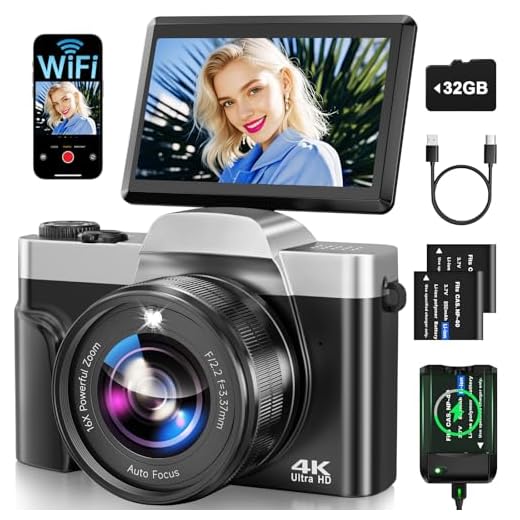
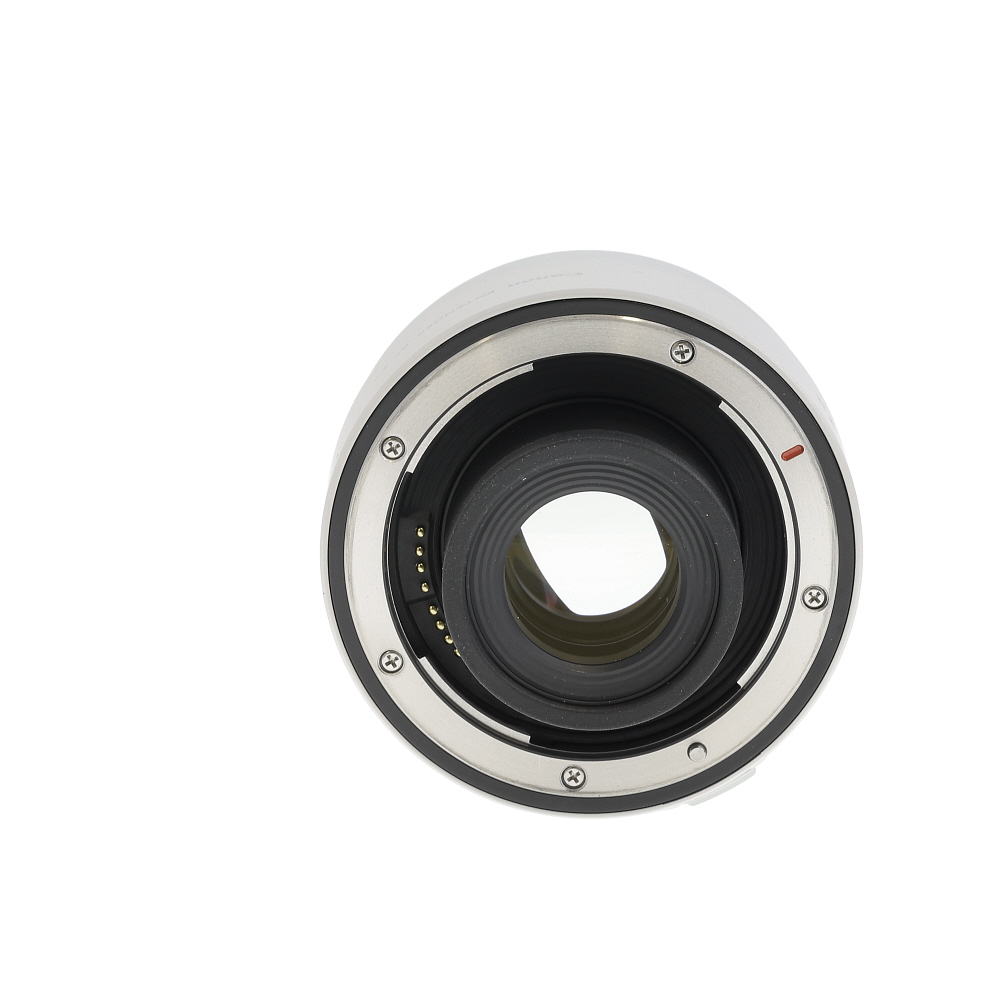
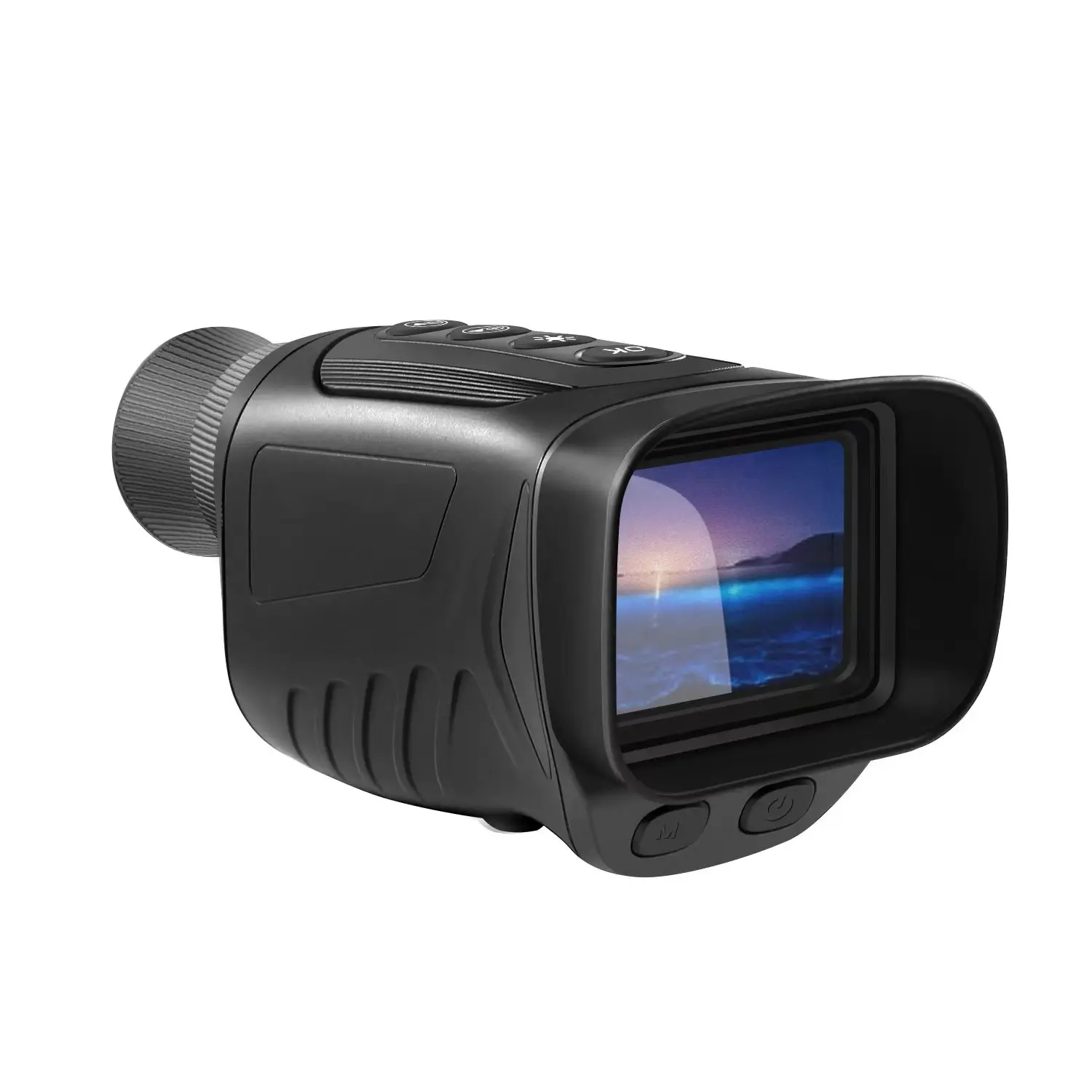

Additionally, using a tripod to stabilize the camera is recommended to avoid blurry images. Manual settings such as adjusting the exposure and focus can help capture the eclipse more effectively. It is also important to avoid looking directly at the sun through the camera’s viewfinder to protect your eyes.
With the right equipment and techniques, digital cameras can capture stunning images of a solar eclipse, allowing you to preserve the moment and share it with others.
Using Digital Camera for Eclipse Observation
Watching a solar eclipse through a digital camera can be a fascinating experience. With the right equipment and techniques, you can capture stunning images of this celestial event. Here are some tips for using a digital camera to observe an eclipse:
1. Use a Solar Filter
When photographing or observing a solar eclipse with a digital camera, it is crucial to use a solar filter to protect your camera’s sensor and your eyes. Solar filters reduce the intensity of the sun’s light, allowing you to capture clear images without damaging your equipment.
2. Set Up Your Camera Properly
Before the eclipse begins, set up your digital camera on a tripod to keep it stable. Adjust the exposure settings, focus, and zoom to capture the eclipse accurately. Experiment with different settings to find the best combination for your desired results.

- Use a low ISO setting to reduce noise in your images.
- Set a fast shutter speed to avoid overexposure.
- Consider using a remote shutter release to minimize camera shake.
By following these tips and practicing before the eclipse, you can use your digital camera effectively to observe and capture the beauty of a solar eclipse.
Benefits of Using Digital Cameras
Digital cameras offer various advantages over traditional film cameras. Some of the key benefits include:
- Instant Preview: With digital cameras, you can instantly view the photos you have taken on the camera’s LCD screen, allowing you to make adjustments and retake the shot if needed.
- Convenience: Digital cameras are compact and lightweight, making them easy to carry around and use on the go.
- Storage Capacity: Digital cameras can store hundreds or even thousands of photos on a single memory card, eliminating the need to carry multiple rolls of film.
- Editing Options: Digital photos can be easily edited on a computer using software programs, allowing you to enhance the image quality, crop, resize, and apply filters.
Challenges of Using Digital Cameras
While digital cameras can be a convenient tool for capturing images of celestial events like eclipses, there are several challenges to consider when using them for this purpose:
- Safety concerns: Looking directly at the sun, even through the viewfinder of a digital camera, can be harmful to your eyes. It is crucial to use proper solar filters or other protective equipment to avoid damage.
- Exposure settings: Capturing the details of an eclipse requires specific exposure settings to balance the bright light of the sun and the surrounding darkness. Adjusting these settings manually can be tricky and may require some experimentation.
- Focus: Achieving sharp focus on the sun or the moon during an eclipse can be challenging, especially if you are using a telephoto lens. It may take some practice to get the focus just right.
- Stability: The high magnification needed to photograph an eclipse can amplify even the slightest camera shake. Using a tripod or other stabilizing equipment is essential to avoid blurry images.
- Timing: Eclipses are brief events, and capturing the perfect shot requires precise timing. Planning ahead and being prepared to adjust your settings quickly can help you make the most of the limited window of opportunity.
How to Safely Capture Eclipse with Digital Camera
When capturing the eclipse with a digital camera, it is important to take precautions to ensure both your safety and the safety of your equipment. Here are some tips to help you safely capture this celestial event:
| Use a Solar Filter: | Make sure to use a solar filter on your camera lens to protect both your eyes and the camera sensor from the intense light of the sun during the eclipse. |
| Adjust Camera Settings: | Set your camera to manual mode and adjust the exposure settings to capture the eclipse without overexposing the image. Experiment with different settings to find the right balance. |
| Use a Tripod: | For stable shots, use a tripod to prevent camera shake and ensure sharp images of the eclipse. This is especially important when using longer exposure times. |
| Timing is Key: | Plan ahead and know the timing of the eclipse in your location. Be ready to start shooting before the eclipse begins to capture the entire event. |
| Experiment with Filters: | Consider using different filters or lenses to enhance your eclipse photos. Experiment with polarizing filters or telephoto lenses to get unique shots. |
| Review and Edit: | After capturing the eclipse, review your images and edit them as needed to enhance the final results. Adjust the exposure, contrast, and colors to make your photos stand out. |
Best Settings for Eclipse Photography with Digital Camera
Photographing an eclipse with a digital camera requires careful consideration of the settings to capture this awe-inspiring event. Here are some tips to help you get the best shots:
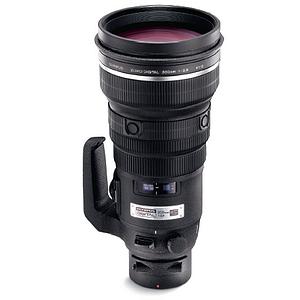
1. Use a Tripod
Set up your camera on a sturdy tripod to avoid camera shake and ensure sharp images during the eclipse.
2. Manual Mode
Switch your camera to manual mode to have full control over the settings. This will allow you to adjust the exposure, aperture, and ISO according to the lighting conditions of the eclipse.
Exposure: Start with a slightly underexposed image to capture the details of the eclipse without overexposing the bright areas.
Aperture: Use a narrow aperture (high f-stop number) to increase the depth of field and ensure sharpness throughout the image.
ISO: Keep the ISO low to reduce noise in your photos, especially during the darker phases of the eclipse.

By following these settings and experimenting with different combinations, you can capture stunning images of the eclipse with your digital camera.
FAQ
Can I use a digital camera to watch an eclipse through?
Yes, you can use a digital camera to watch an eclipse through, but you need to make sure you have the proper equipment and settings to do so safely. It is important to use a solar filter on your camera to protect your eyes and the camera’s sensor from the intense light of the sun during an eclipse. Additionally, you may need a telephoto lens to capture a clear image of the eclipse. Be cautious and follow safety guidelines to avoid damaging your camera or your eyes.
What do I need to watch an eclipse with a digital camera?
To watch an eclipse with a digital camera, you will need a solar filter to protect your eyes and the camera’s sensor from the intense sunlight. You may also need a telephoto lens to capture a clear image of the eclipse. Make sure to set your camera to the appropriate exposure settings to avoid overexposure and achieve a properly exposed image. Always follow safety guidelines when photographing an eclipse to protect yourself and your equipment.
Is it safe to use a digital camera to watch an eclipse?
It can be safe to use a digital camera to watch an eclipse if you take the necessary precautions. Make sure to use a solar filter on your camera to protect your eyes and the camera’s sensor from the intense light of the sun. Avoid looking directly at the sun through the camera’s viewfinder or screen without proper protection. Follow safety guidelines and use appropriate equipment to ensure a safe viewing experience and prevent any damage to your camera or eyes.
How can I photograph an eclipse with a digital camera?
To photograph an eclipse with a digital camera, you will need a solar filter to protect your camera’s sensor and your eyes from the bright sunlight. Use a telephoto lens to capture a clear image of the eclipse, and set your camera to the appropriate exposure settings to achieve a properly exposed photo. Consider using a tripod to keep your camera steady and prevent camera shake. Follow safety guidelines and avoid looking directly at the sun through the camera’s viewfinder to protect your eyes and equipment.


I think it's important to practice your settings before the eclipse day. It can be tricky to get it right when the event is happening!
I’ve always used my phone for capturing events like this. How does using a digital camera compare to a smartphone camera for eclipse photography?
Digital cameras offer better image quality and more control over settings compared to most smartphones, especially during challenging lighting conditions like an eclipse. They also allow for the use of specialized lenses and filters.
I'm really excited about the upcoming eclipse! Could you clarify why it's important to use a solar filter? What would happen if I didn't?
Great question! A solar filter is essential because it protects both your eyes and your camera from the intense light of the sun. Without it, you risk permanent damage to your eyesight and your camera's sensor.
Last time I tried photographing an eclipse, I didn't have a tripod and ended up with all blurry pictures. This article really highlights the importance of stability! I’ll definitely be using a tripod this time. Any suggestions on what type of tripod works best?
Using a sturdy tripod is key for stability. Look for one that can handle the weight of your camera and has adjustable height and legs for various terrain. A good option is a tripod with a ball head for easy adjustments.