Carmen J. Moore

Pixel resolution is a crucial aspect of digital photography that determines the quality and clarity of images captured by a digital camera. In simple terms, pixel resolution refers to the number of pixels (or individual points of color) that make up an image. The higher the pixel resolution, the more detailed and sharp the image will be.
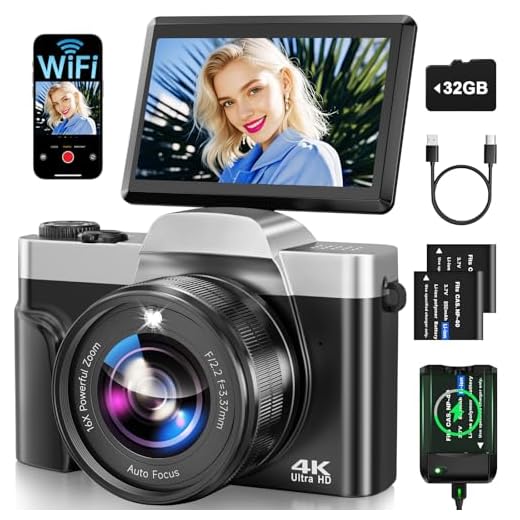

When you take a photo with a digital camera, the image is composed of millions of tiny squares called pixels. Each pixel represents a specific color and together they form the complete image. The resolution of a digital camera is usually measured in megapixels, which is a unit equal to one million pixels.
Higher megapixel cameras can capture more detail and produce sharper images, making them ideal for professional photography or printing large prints. However, it’s important to note that pixel resolution is just one factor in determining image quality, and factors like sensor size, lens quality, and image processing also play a significant role.
The Importance of Pixel Resolution
Pixel resolution is a crucial factor in determining the quality of images captured by digital cameras. It refers to the number of pixels contained in an image, usually expressed as width x height (e.g., 1920 x 1080). The higher the pixel resolution, the sharper and more detailed the image will be.
Having a higher pixel resolution allows for larger prints without losing image clarity or sharpness. It also enables you to crop and resize images without sacrificing quality. When choosing a digital camera, it’s essential to consider the pixel resolution to ensure you get the desired level of detail in your photos.
Understanding Digital Camera Pixel Resolution
Pixel resolution in a digital camera refers to the total number of pixels that make up an image captured by the camera. The higher the pixel resolution, the more detail and clarity the image will have.

Pixel resolution is typically expressed as the number of horizontal pixels multiplied by the number of vertical pixels, such as 1920×1080 for a Full HD resolution.
When choosing a digital camera, it’s important to consider the pixel resolution as it directly impacts the quality of the images you can capture. Higher pixel resolutions are ideal for capturing sharp and detailed photos, especially if you plan to print or enlarge them.
However, it’s also important to note that higher pixel resolutions result in larger file sizes, which may require more storage space and processing power. Finding the right balance between resolution and file size is key to optimizing your photography experience.
How Pixel Resolution Affects Image Quality
Pixel resolution refers to the number of pixels in an image, typically measured in megapixels in digital cameras. The higher the pixel resolution, the more detailed and clearer the image will be. When a camera has a higher pixel resolution, it can capture more information and produce sharper images with finer details.
Higher pixel resolution also allows for greater flexibility when cropping and enlarging images without losing quality. However, it’s important to note that pixel resolution is just one factor that affects image quality. Other factors such as sensor size, lens quality, and image processing also play a significant role in determining the overall quality of the image.
Choosing the Right Pixel Resolution
When selecting a digital camera, one of the key factors to consider is the pixel resolution. The pixel resolution determines the level of detail and clarity in your photos. Higher pixel resolution results in sharper images with more detail, while lower resolution may lead to pixelation and loss of quality.
It is important to choose a pixel resolution that suits your needs. For casual photography and sharing images on social media, a camera with a resolution of around 12-16 megapixels should be sufficient. However, if you plan to print large photos or require high-quality images for professional purposes, you may want to opt for a camera with a resolution of 20 megapixels or higher.
Keep in mind that higher pixel resolution also means larger file sizes, which may require more storage space on your memory card and computer. Consider your storage capabilities when selecting the right pixel resolution for your digital camera.
Ultimately, the best pixel resolution for you will depend on your intended use for the camera and your budget. Take the time to research and compare different camera models to find the pixel resolution that meets your needs and preferences.
Pixel Resolution and Print Size
Pixel resolution is crucial when it comes to printing digital photos. The number of pixels in an image determines the quality and clarity of the print. When printing a digital photo, the pixel resolution directly impacts the size and sharpness of the final print.
For high-quality prints, it is recommended to have a higher pixel resolution. The more pixels per inch (PPI), the better the print quality. A higher pixel resolution allows for larger print sizes without losing sharpness and detail.
When choosing a digital camera, consider the pixel resolution based on your printing needs. Higher pixel resolution cameras are ideal for large prints, while lower resolution cameras are suitable for smaller prints or online sharing.
Understanding pixel resolution and its impact on print size is essential for achieving the best results when printing digital photos.
Increasing Pixel Resolution for Better Detail
Pixel resolution plays a crucial role in determining the level of detail captured by a digital camera. Increasing the pixel resolution of a camera sensor can result in higher-quality images with finer details. When a camera has more pixels, it can capture more information in each image, leading to sharper and more detailed photographs.
Higher pixel resolution allows for larger prints without losing image quality, as the increased number of pixels provides more data for the printer to work with. This can be particularly beneficial for professional photographers who need high-resolution images for large-scale prints or detailed post-processing work.

However, it’s important to note that simply increasing pixel resolution does not guarantee better image quality. Other factors, such as sensor size, lens quality, and image processing algorithms, also play significant roles in determining the overall image quality. A balance between pixel resolution and other factors is essential to achieve the best possible results in digital photography.
FAQ
What does pixel resolution mean in a digital camera?
Pixel resolution in a digital camera refers to the number of pixels or individual points of color that make up an image. The higher the pixel resolution, the more detail and clarity the image will have.
How does pixel resolution affect the quality of digital photos?
Pixel resolution directly impacts the quality of digital photos. Higher pixel resolution results in sharper and more detailed images, while lower pixel resolution can lead to blurry or pixelated photos.
Is a higher pixel resolution always better in a digital camera?
While higher pixel resolution generally means better image quality, it’s not always necessary. For viewing images on digital displays or sharing on social media, a moderate pixel resolution can often suffice without taking up excessive storage space.