
 Carmen J. Moore

Security cameras are an essential tool in modern surveillance systems, providing a sense of security and peace of mind to homes, businesses, and public spaces. One of the key features of a security camera is its ability to detect motion, alerting users to potential threats or suspicious activity.
But how exactly does a security camera detect motion? There are several methods that security cameras use to sense movement, including infrared sensors, pixel comparison, and video analytics.
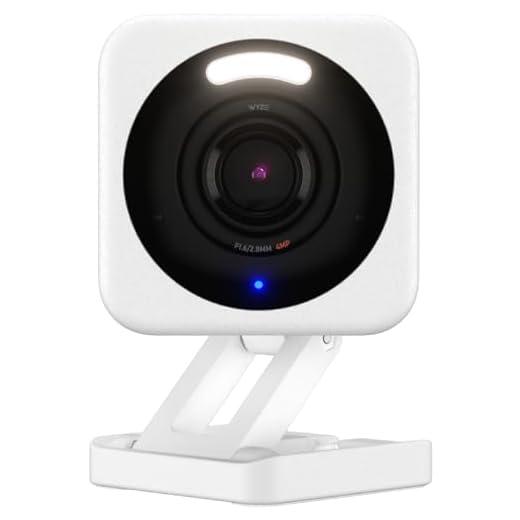


Infrared sensors are commonly used in security cameras to detect changes in heat signatures. When an object moves within the camera’s field of view, it emits heat, which is picked up by the infrared sensor. This triggers the camera to start recording or send an alert to the user.
How Security Cameras Detect Motion
Security cameras detect motion using various technologies such as infrared sensors, pixel change detection, and video analytics.
Infrared Sensors
Many security cameras are equipped with infrared sensors that can detect changes in heat signatures. When an object moves in the camera’s field of view, it generates heat, which is detected by the infrared sensor, triggering the camera to start recording.
Pixel Change Detection
Pixel change detection technology tracks changes in the pixels of the camera’s image sensor. When motion occurs, the pixels in the frame change, and the camera’s software algorithms can detect these changes and trigger recording or alerts.
Video Analytics
Some advanced security cameras use video analytics software to analyze the video feed in real-time. These algorithms can detect motion based on patterns, shapes, and movements in the video, allowing for more accurate motion detection and reducing false alarms.
Motion Detection Technology
Security cameras use various technologies to detect motion. One common method is through pixel-based motion detection. This technique involves comparing frames of video footage to identify changes in pixel values. When there is a significant change in pixel values, the camera interprets this as motion.
Another approach is the use of infrared sensors to detect changes in heat signatures. These sensors can detect body heat and movement, triggering the camera to start recording when motion is detected.
Advanced Motion Detection
Some security cameras feature advanced motion detection algorithms that can differentiate between human movement, animals, and other sources of motion. This helps reduce false alarms and ensures that the camera only records relevant events.
- Smart cameras can also use AI technology to analyze motion patterns and learn from previous events to improve detection accuracy.
- Some cameras offer customizable motion detection settings, allowing users to adjust sensitivity levels and define specific areas for monitoring.
Passive Infrared Sensors
Passive Infrared (PIR) sensors are widely used in security cameras to detect motion. These sensors work by detecting changes in infrared radiation in the surrounding environment. When an object moves within the sensor’s field of view, it causes a change in the infrared radiation pattern, triggering the sensor to activate and signal the camera to start recording.
PIR sensors are considered passive because they do not emit any energy themselves; instead, they passively detect the infrared radiation emitted by objects in their vicinity. This makes them energy-efficient and ideal for motion detection in security systems.
Video Motion Detection
Video motion detection is a technology used by security cameras to detect movement within the camera’s field of view. This technology works by analyzing changes in pixels between consecutive video frames.
When an object moves in front of the camera, the pixels in the video frame change, and the motion detection algorithm identifies these changes as motion. The algorithm compares the current frame with a reference frame to determine if there is movement.
Types of Video Motion Detection:
There are different types of video motion detection algorithms, including pixel-based motion detection, background subtraction, and optical flow analysis. Each algorithm has its strengths and weaknesses, and the choice of algorithm depends on the specific application and environment.
Pixel-based motion detection compares the intensity values of individual pixels between frames to detect motion. Background subtraction subtracts a reference frame (background) from the current frame to identify moving objects. Optical flow analysis tracks the movement of objects by analyzing the flow of pixels between frames.
Image Processing Algorithms
Security cameras use various image processing algorithms to detect motion. These algorithms analyze changes in pixel values between consecutive frames of a video feed to identify movement.
Motion Detection Algorithms
- Background subtraction: This algorithm compares the current frame with a reference background frame to detect moving objects.
- Optical flow: Optical flow algorithms track the movement of pixels between frames to detect motion.
- Frame differencing: This algorithm compares pixel values in consecutive frames to identify areas with significant changes, indicating motion.
Heat Detection Sensors
Security cameras with heat detection sensors work by detecting changes in temperature in their field of view. When an object moves within the camera’s range, it emits heat, which is picked up by the sensor. The camera then registers this change in temperature as motion and triggers an alert or recording.
Dual Technology Sensors
Dual technology sensors combine two different technologies to enhance motion detection accuracy. These sensors typically use a combination of passive infrared (PIR) and microwave technologies. PIR sensors detect heat signatures, while microwave sensors send out microwave signals and measure the reflections off moving objects. By combining these two technologies, dual technology sensors can reduce false alarms caused by environmental factors like changes in temperature or light conditions.
How They Work
When a motion is detected by either the PIR or microwave sensor, the dual technology sensor activates, confirming the presence of movement. This dual verification process helps ensure that the detected motion is indeed caused by a human or an object and not a false alarm triggered by environmental changes.
Applications
Dual technology sensors are commonly used in security cameras, alarm systems, and automatic lighting systems. They are ideal for outdoor environments where false alarms are more likely to occur due to weather conditions or wildlife movement. These sensors provide a higher level of accuracy and reliability in detecting motion, making them a popular choice for enhancing security measures.
Microwave Sensors
Microwave sensors are another common technology used in security cameras to detect motion. These sensors emit microwave signals and measure the reflection of these signals off of objects in the surrounding area. When an object moves within the sensor’s detection zone, it causes a change in the reflected microwave signal, triggering the camera to start recording or send an alert.
Microwave sensors are known for their ability to detect motion accurately and across a wide range. They are often used in outdoor security cameras where traditional motion sensors may be less effective due to weather conditions or environmental factors.
Ultrasonic Sensors
Another common technology used in security cameras to detect motion is ultrasonic sensors. These sensors emit high-frequency sound waves and then listen for the echoes as the waves bounce off objects in the camera’s field of view. When an object moves within the detection range of the sensor, it disturbs the sound waves and creates a change in the echoes received by the sensor. This change is interpreted as motion, triggering the camera to start recording or send an alert.
How Ultrasonic Sensors Work
Ultrasonic sensors work by sending out ultrasonic waves and measuring the time it takes for the waves to bounce back. By analyzing the time delay and intensity of the returned waves, the sensor can determine the distance and movement of objects in its detection range. When the sensor detects a significant change in the pattern of echoes, it signals the camera to activate and capture the motion.
Laser Sensors
Another method used by security cameras to detect motion is through laser sensors. Laser sensors emit a beam of light and measure the time it takes for the light to bounce back. When an object moves within the camera’s field of view, it interrupts the beam, causing the sensor to detect motion. This method is often used in outdoor security cameras to accurately detect movement and trigger alerts.
One advantage of laser sensors is their accuracy and ability to detect even small movements. They are also less prone to false alarms caused by changes in lighting conditions or moving shadows. However, laser sensors can be more expensive than other motion detection methods and may require more maintenance to ensure proper functioning.
Smart Motion Detection Systems
Modern security cameras are equipped with smart motion detection systems that use advanced technology to detect motion accurately. These systems rely on various sensors and algorithms to differentiate between actual motion events and false alarms.
Types of Motion Detection Sensors
- Passive Infrared (PIR) Sensors: These sensors detect changes in heat signatures and are triggered by body heat or movement.
- Video Motion Detection (VMD): VMD analyzes video frames for changes in pixel patterns to detect motion.
Smart motion detection systems combine multiple sensors to improve accuracy and reduce false alerts. They use complex algorithms to analyze the data from these sensors and determine if the detected motion is a real threat or a false alarm.
Adjustable Sensitivity and Customization
- Users can adjust the sensitivity of motion detection to reduce false alarms.
- Customizable detection zones allow users to focus on specific areas for monitoring.
Overall, smart motion detection systems provide reliable and efficient security monitoring by accurately detecting motion and alerting users to potential threats in real-time.


I believe that infrared sensors are overrated. They don’t work well in complete darkness and can sometimes miss motion caused by smaller animals. I think video motion detection is a better option overall.
Both types have their advantages. It's essential to consider your specific environment when choosing the right sensor.
That’s a good point, but I think IR sensors are great for detecting human movement. They've worked well for me outside at night.
I've been using a camera with dual technology sensors, and it really cuts down on false alarms. I used to get alerted by just leaves blowing or passing cars, but with the combination of PIR and microwave, it’s much more reliable.
What’s the difference between infrared and microwave sensors in security cameras?
Can anyone explain how pixel change detection compares to video analytics in terms of effectiveness? I’m considering purchasing a camera and want to know which would be better for a busy area with lots of movement.
From my experience, video analytics offers more precision because it can distinguish between people and animals, while pixel change detection can trigger on anything that moves.
Great points! Video analytics often uses machine learning to differentiate between various objects, which can significantly reduce false alerts.
I read that ultrasonic sensors are less common but can be effective in detecting motion indoors. Has anyone tried them?
Do you have to adjust the sensitivity settings for different types of motion sensors?