
 Carmen J. Moore
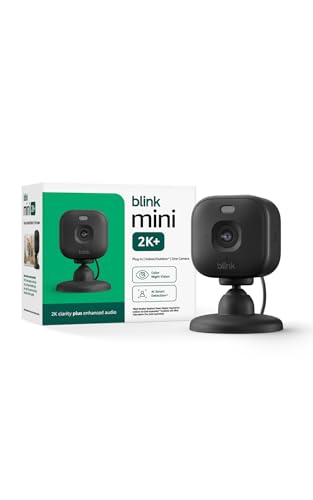
Do it yourself security camera systems have become increasingly popular as technology advances and becomes more accessible to the average consumer. These systems allow homeowners to set up their own surveillance network without the need for professional installation or monitoring services.
But how exactly do these DIY security camera systems work? It all starts with the cameras themselves, which are typically equipped with motion sensors and night vision capabilities to capture high-quality footage day or night. The cameras are connected to a central hub or recorder, which stores the footage and allows users to access it remotely via a smartphone or computer.
One of the key features of DIY security camera systems is the ability to customize and expand the system to fit your specific needs. Users can add additional cameras, sensors, and other devices to create a comprehensive security network that covers all areas of their property.
Understanding DIY Security Camera Systems
DIY security camera systems are designed for easy installation and monitoring by homeowners without the need for professional help. These systems typically consist of cameras, a digital video recorder (DVR) or network video recorder (NVR), and optional accessories like motion sensors or alarms.


The cameras in a DIY system capture video footage and send it to the DVR or NVR for storage. The homeowner can access the live or recorded footage using a smartphone, tablet, or computer, usually through a dedicated app or software. Some systems also offer cloud storage options for added convenience and security.
Most DIY security camera systems use Wi-Fi or Ethernet connections to communicate with the homeowner’s devices and the internet. This allows for remote monitoring and alerts in case of suspicious activity. Some advanced systems even offer features like facial recognition, night vision, and two-way audio communication.
Installing a DIY security camera system typically involves mounting the cameras in strategic locations, connecting them to the DVR or NVR, and setting up the monitoring software. Many systems come with step-by-step instructions and customer support to help homeowners through the process.
Overall, DIY security camera systems provide an affordable and customizable solution for home surveillance, giving homeowners peace of mind knowing they can monitor their property at any time, from anywhere.
Types of DIY Security Cameras
There are several types of DIY security cameras available on the market, each with its own unique features and capabilities. Here are some common types:
- Wireless Security Cameras: These cameras connect to your Wi-Fi network and can be easily installed without the need for complicated wiring.
- Outdoor Security Cameras: Designed to withstand outdoor conditions, these cameras are weatherproof and can monitor the perimeter of your property.
- Indoor Security Cameras: These cameras are ideal for monitoring the inside of your home or business and can be discreetly placed in various locations.
- PTZ (Pan-Tilt-Zoom) Cameras: These cameras can be remotely controlled to pan, tilt, and zoom to get a better view of a specific area.
- Smart Security Cameras: These cameras come with advanced features like motion detection, two-way audio, and smartphone integration for remote viewing and control.
Benefits of DIY Security Camera Systems
Cost-Effective: DIY security camera systems are generally more affordable compared to professional installation services. You can save money on installation fees and labor costs by setting up the system yourself.
Flexibility: With a DIY security camera system, you have the flexibility to choose the number of cameras, their placement, and the features you need. You can customize the system to fit your specific security needs.
Easy Installation: DIY security camera systems are designed to be easy to install, with step-by-step instructions provided. You don’t need to be a tech expert to set up the system, saving you time and hassle.
Remote Access: Many DIY security camera systems offer remote access features, allowing you to monitor your cameras from anywhere using a smartphone or computer. This provides added convenience and peace of mind.
Expandable: DIY security camera systems are often expandable, allowing you to add more cameras or upgrade features as needed. This scalability makes it easy to adjust your system to meet changing security requirements.
Components of a DIY Security Camera System
When setting up a DIY security camera system, there are several key components that you will need:
1. Cameras: The most important component of any security camera system is the cameras themselves. These can be wired or wireless, indoor or outdoor, and come in a variety of styles and resolutions.
2. DVR/NVR: A Digital Video Recorder (DVR) or Network Video Recorder (NVR) is used to store and manage the video footage captured by the cameras. It is the central hub of the system.
3. Cables: If you are using wired cameras, you will need cables to connect the cameras to the DVR/NVR. Make sure to measure the distances and buy cables of the appropriate length.
4. Power Supply: Each camera will need a power source to operate. Make sure you have enough power outlets or consider using a centralized power supply.
5. Monitor: A monitor is used to view the live feed from the cameras and playback recorded footage. You can use a dedicated monitor or connect the system to a TV or computer monitor.
6. Internet Connection: If you want to access your cameras remotely or receive alerts, you will need an internet connection. Make sure your DVR/NVR supports remote viewing.
By ensuring you have all these components and setting them up correctly, you can create a functional and reliable DIY security camera system to protect your home or business.
Installation Process for DIY Security Cameras
Setting up a do-it-yourself security camera system can be a straightforward process if you follow these steps:
1. Choose the Right Location
Decide where you want to install your security cameras. Look for areas that need monitoring, such as entry points, driveways, or backyards.
2. Install the Cameras
Mount the cameras in the chosen locations using the included mounting hardware. Ensure they are positioned to capture the desired area and have a clear line of sight.
| Camera Placement Tips | Installation Steps |
|---|---|
| Place cameras at eye level for facial recognition. | Connect the cameras to a power source. |
| Angle cameras slightly downward to cover more ground. | Adjust the camera settings for optimal performance. |
How DIY Security Cameras Work
DIY security cameras work by capturing video footage and transmitting it to a central recording device or cloud storage. These cameras are typically connected to a Wi-Fi network, allowing you to access the footage remotely from your smartphone or computer.
Most DIY security cameras are equipped with motion sensors that trigger recording when movement is detected. Some cameras also have night vision capabilities, allowing them to capture clear footage in low-light conditions.
Installation of DIY security cameras is usually straightforward, as they come with mounting hardware and instructions. Once set up, you can monitor your property in real-time and review recorded footage to enhance the security of your home or business.
Monitoring and Recording Features
One of the key features of a do-it-yourself security camera system is the ability to monitor and record activity in and around your home. These systems typically come with software that allows you to view live video feeds from your cameras on a computer, smartphone, or tablet. This gives you the flexibility to check in on your home from anywhere with an internet connection.
Additionally, many DIY security camera systems offer motion detection capabilities. This means that the cameras will start recording when they detect motion, allowing you to capture any suspicious activity that may occur. Some systems also allow you to set up alerts so that you receive notifications when motion is detected, ensuring that you are always aware of what is happening at your home.
Tips for Maintaining a DIY Security Camera System
After setting up your DIY security camera system, it’s important to maintain it regularly to ensure optimal performance. Here are some tips to help you keep your system up and running smoothly:
1. Check camera angles: Regularly inspect the camera angles to ensure they cover the desired areas effectively. Adjust the position if needed to avoid blind spots.
2. Clean the lenses: Dust and debris can accumulate on the camera lenses over time, affecting the image quality. Use a soft, lint-free cloth to gently clean the lenses periodically.
3. Test motion detection: Test the motion detection feature of your cameras periodically to make sure they are capturing any movement in the designated areas. Adjust the sensitivity settings if necessary.
4. Update firmware: Keep your camera’s firmware up to date to ensure that you have the latest security patches and features. Check the manufacturer’s website for firmware updates regularly.
5. Monitor storage space: Check the storage space on your recording device regularly to prevent it from getting full. Consider setting up automatic deletion of old footage to free up space.
6. Secure your network: Regularly update your Wi-Fi network password and ensure that your cameras are connected to a secure network to prevent unauthorized access.
7. Test the system: Periodically test your security camera system by reviewing footage and checking for any issues with connectivity or video quality.
By following these maintenance tips, you can ensure that your DIY security camera system continues to provide reliable surveillance for your home or business.


I’m not convinced DIY systems are secure enough. What if someone hacks into my Wi-Fi? Isn’t that a big risk?
That's a valid concern. It's important to secure your Wi-Fi network with a strong password and update your camera software regularly to prevent unauthorized access.
I like that you can expand these systems easily. I started with a couple of cameras and added more as my needs changed.
Can someone explain the difference between DVR and NVR in these systems? I’m confused about which one I should choose.
DVR (Digital Video Recorder) is typically used with analog cameras, while NVR (Network Video Recorder) is used with IP cameras. NVRs can offer higher resolution video and more flexibility in camera placement since they run over the network.
I’m considering installing a DIY security camera system, but how difficult is the installation really? Do I need any special tools or skills?
The installation is usually pretty straightforward! Most systems come with all the tools you need and have clear instructions. I managed to set mine up without any technical background.
How do DIY camera systems compare with professionally installed ones in terms of reliability and security? Are there any major downsides?
DIY systems are generally cost-effective and customizable, but they may lack the monitoring services that professional installations provide. It's essential to choose a reputable brand and ensure you set up the system correctly for the best reliability.
I recently installed a DIY security camera system, and I’m really impressed with the remote access feature. I can check my cameras from my phone anytime, which gives me peace of mind. The night vision works great too, capturing clear footage even in low light.