
 Carmen J. Moore

Mirrorless cameras have been gaining popularity in the photography world in recent years. But have you ever wondered why they are called “mirrorless”?
Traditional DSLR cameras use a mirror mechanism to reflect the light coming through the lens up into an optical viewfinder. This mirror flips up and down every time you take a photo, which creates the distinctive “clacking” sound that many photographers are familiar with.
However, mirrorless cameras do not have this mirror mechanism. Instead, they use an electronic viewfinder or the camera’s LCD screen to display the image preview. This design eliminates the need for a bulky mirror box, making mirrorless cameras more compact and lightweight compared to DSLRs.
Why Mirrorless Cameras Are Called Mirrorless
When we hear the term “mirrorless camera,” it might make us wonder why these cameras are called “mirrorless” in the first place. The reason lies in the design of traditional DSLR (Digital Single-Lens Reflex) cameras, which use a mirror mechanism to reflect light from the lens to the optical viewfinder.


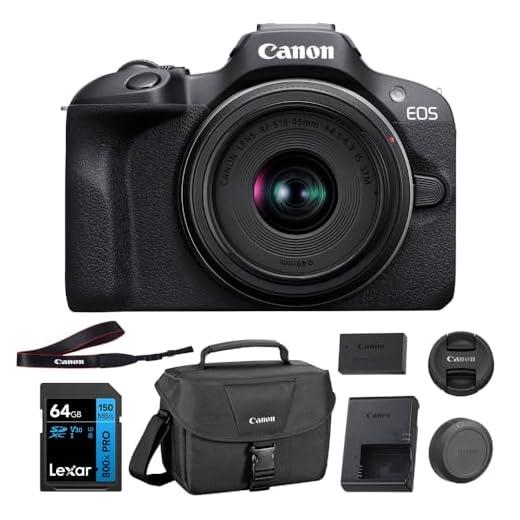
Mirrorless cameras, on the other hand, do not have this mirror mechanism. Instead, they use a digital display or electronic viewfinder to show the image directly from the camera’s image sensor. This design eliminates the need for a bulky mirror, making mirrorless cameras more compact and lightweight compared to DSLRs.
Key Benefits of Mirrorless Cameras:
- Compact and lightweight design
- Quick and accurate autofocus
- Silent shooting mode
- Real-time exposure preview
Overall, the term “mirrorless” refers to the absence of the mirror mechanism found in traditional DSLR cameras, highlighting one of the key differences in the design and functionality of mirrorless cameras.
Understanding the Basics
Before delving into why mirrorless cameras are called “mirrorless,” it’s important to understand the fundamental difference between mirrorless and DSLR cameras.
DSLR Cameras
Traditional DSLR cameras use a mirror mechanism to reflect light from the lens up into an optical viewfinder. This mirror flips up and out of the way when the shutter is pressed, allowing light to reach the image sensor and capture the photo.
Mirrorless Cameras
In contrast, mirrorless cameras do not have a mirror mechanism. Instead, light passes directly through the lens to the image sensor, which then displays a digital preview image on the camera’s electronic viewfinder or LCD screen. This design eliminates the need for a bulky mirror system, making mirrorless cameras more compact and lightweight.
Evolution of Camera Technology
Cameras have come a long way since their inception, evolving with advancements in technology and changing consumer needs. The evolution of camera technology can be traced back to the early days of photography when cameras used film and bulky equipment. Over time, cameras have become more compact, user-friendly, and technologically advanced.
Digital Revolution
One of the most significant milestones in camera technology was the transition from film to digital. Digital cameras revolutionized the way we capture and store images, allowing for instant previewing and editing. This shift paved the way for the development of more compact and versatile cameras.
Mirrorless Innovation
The introduction of mirrorless cameras marked another milestone in camera technology. Unlike traditional DSLR cameras that use a mirror mechanism, mirrorless cameras eliminate the need for a mirror, resulting in a more compact and lightweight design. This innovation has made mirrorless cameras popular among photographers looking for portability without compromising on image quality.
Removing the Mirror Mechanism
Traditional DSLR cameras use a mirror mechanism to reflect light from the lens up to the optical viewfinder, allowing the photographer to see exactly what the lens sees. This mirror mechanism adds bulk and weight to the camera body.
When mirrorless cameras were introduced, the mirror mechanism was removed. This allowed for a more compact and lightweight design, making mirrorless cameras easier to carry around and handle. Without the mirror, light goes straight to the image sensor, which is then displayed on an electronic viewfinder or the camera’s LCD screen.
Benefits of Mirrorless Design
Mirrorless cameras offer several advantages over traditional DSLRs. Here are some key benefits of mirrorless design:
| Compact and Lightweight: | Mirrorless cameras are typically smaller and lighter than DSLRs, making them more portable and easier to carry around. |
| Electronic Viewfinder (EVF): | Mirrorless cameras use electronic viewfinders, providing a real-time preview of the image you are capturing, allowing for better control over exposure and composition. |
| Faster Autofocus: | Many mirrorless cameras feature advanced autofocus systems that are faster and more accurate than traditional DSLRs, especially in continuous shooting mode. |
| Silent Shooting: | Since mirrorless cameras do not have a mirror mechanism, they can offer silent shooting modes, which can be beneficial in quiet environments or when capturing wildlife. |
| Adaptability: | Due to the shorter flange distance, mirrorless cameras can adapt a wide range of lenses from different systems, providing more flexibility for photographers. |
Compact and Lightweight
Mirrorless cameras are known for their compact and lightweight design, making them a popular choice for photographers who value portability and ease of use. Unlike traditional DSLR cameras, mirrorless cameras do not require a bulky mirror mechanism, allowing manufacturers to create smaller and lighter camera bodies.
Benefits of Compact Design
The compact size of mirrorless cameras makes them ideal for travel photography, street photography, and other situations where carrying a heavy camera may be impractical. Photographers can easily slip a mirrorless camera into a bag or even a pocket, making it convenient to take it on the go.
Lightweight Construction
In addition to their compact size, mirrorless cameras are typically lighter than DSLR cameras, reducing strain on the photographer during long shooting sessions. The lightweight construction of mirrorless cameras also makes them easier to handle and less tiring to use, especially when shooting handheld or in challenging conditions.
| Compact and Lightweight |
|---|
| Mirrorless cameras are compact and lightweight, making them easy to carry and handle. |
Improved Autofocus System
One of the key advantages of mirrorless cameras is their advanced autofocus systems. Mirrorless cameras use contrast-detection autofocus or hybrid autofocus systems that combine contrast and phase detection for faster and more accurate focusing. This allows photographers to capture sharp images quickly, especially in challenging lighting conditions or when shooting moving subjects.
With mirrorless cameras, photographers can enjoy features like eye detection autofocus, subject tracking, and face detection, which make it easier to capture sharp and well-focused images. The improved autofocus system in mirrorless cameras is one of the reasons why many photographers prefer them over traditional DSLRs.
Electronic Viewfinder vs. Optical Viewfinder
Electronic Viewfinder (EVF):
An EVF is a digital display that shows you a real-time preview of the image that the camera sensor is capturing. It offers features like exposure simulation, focus peaking, and image magnification, which can help you compose your shot more accurately. EVFs are usually found in mirrorless cameras and provide a more interactive shooting experience.
Optical Viewfinder (OVF):
An OVF is a physical window that allows you to see the scene directly through the camera’s lens. It provides a clear and unprocessed view of the subject, but may not show the exact framing or exposure settings. OVFs are commonly found in DSLR cameras and offer a more traditional shooting experience.
Silent Shooting Mode
One of the key advantages of mirrorless cameras is their ability to operate in silent shooting mode. This feature allows photographers to take photos without the loud noise typically associated with traditional DSLR cameras. This is especially useful in quiet environments such as weddings, concerts, or wildlife photography where noise can be disruptive or scare away subjects.
By eliminating the mirror mechanism found in DSLRs, mirrorless cameras can capture images without the characteristic “clunk” sound. This makes them ideal for shooting discreetly or capturing candid moments without drawing attention to the camera.
Additionally, silent shooting mode can also be beneficial for video recording, as it reduces the risk of picking up unwanted noise from the camera’s operation. This feature gives photographers and videographers more flexibility and creative control in various shooting situations.
Lens Compatibility
One of the key advantages of mirrorless cameras is their versatility when it comes to lens compatibility. Mirrorless cameras have shorter flange distances, which means that they can accommodate a wide range of lenses, including those from other camera systems with the help of adapters.
Photographers can use lenses from different brands and even vintage lenses with the appropriate adapter, opening up a world of creative possibilities. This flexibility allows photographers to experiment with different focal lengths, apertures, and lens characteristics without being limited by the camera’s native lens selection.
Additionally, mirrorless cameras often feature advanced autofocus systems that can adapt to different lenses, providing fast and accurate focusing even with adapted lenses. This makes mirrorless cameras a popular choice for photographers who want to explore different lenses and styles without investing in a whole new set of gear.
Future Trends in Mirrorless Technology
In the rapidly evolving world of photography, mirrorless cameras continue to gain popularity due to their compact size, lightweight design, and advanced features. As technology advances, several trends are emerging in the mirrorless camera industry.
1. Improved Autofocus: One of the key areas of development in mirrorless cameras is autofocus technology. Manufacturers are constantly working to enhance autofocus speed, accuracy, and tracking capabilities to meet the demands of photographers shooting fast-moving subjects.
2. Enhanced Image Stabilization: Image stabilization is another critical feature being improved in mirrorless cameras. With advancements in sensor-shift and lens-based stabilization systems, photographers can expect sharper images even in challenging shooting conditions.
3. Higher Resolution Sensors: Mirrorless cameras are now equipped with high-resolution sensors that offer exceptional image quality and detail. As sensor technology continues to evolve, we can expect even higher resolution sensors in future mirrorless models.
4. Connectivity and Sharing: With the rise of social media and online platforms, mirrorless cameras are incorporating advanced connectivity features. Wi-Fi, Bluetooth, and NFC capabilities allow photographers to easily share their images and videos with the world.
5. Artificial Intelligence: AI technology is making its way into mirrorless cameras, enabling smart features like scene recognition, subject tracking, and automatic settings adjustments. This trend is set to revolutionize the way photographers capture and create images.
As mirrorless technology continues to evolve, these trends are shaping the future of photography, providing photographers with innovative tools to unleash their creativity and capture stunning images.


I’ve always been a DSLR user, but I’m curious about mirrorless. How do they compare when it comes to battery life? I’ve heard that mirrorless cameras tend to drain batteries faster because of the electronic viewfinder. Is that true?
Great question! Generally, mirrorless cameras do consume more power due to their electronic viewfinders and LCD screens, which can lead to shorter battery life compared to DSLRs. However, advancements in battery technology are improving this aspect.
I've found that mirrorless cameras are excellent for low-light photography. The real-time exposure preview helps a lot when adjusting settings in darker conditions.
I recently switched from a DSLR to a mirrorless camera, and the difference in weight is amazing! It's so much easier to carry around during long shoots. Plus, the autofocus is really quick, which helps a lot when I'm trying to capture action shots.
What are the main advantages of using a mirrorless camera over a DSLR for beginners?
I disagree with the idea that mirrorless cameras are always better. While they’re great for portability and fast autofocus, I still prefer the feel of a DSLR. The optical viewfinder gives me a more natural experience, and I find it easier to track moving subjects without lag.
It’s totally valid to prefer DSLRs! Many photographers appreciate the tactile feedback and optical viewfinder experience they offer. Each type of camera has its advantages depending on the shooting style.
Can someone explain how the electronic viewfinder works compared to the optical viewfinder? I’m a bit confused about the differences.