
 Carmen J. Moore

Whether you’re a professional photographer or just a hobbyist, taking care of your camera is essential to ensure its longevity and performance. Proper storage of your mirrorless camera is crucial in protecting it from dust, moisture, and damage. Here are some tips on how to store your mirrorless camera safely:
1. Keep it in a camera bag: Invest in a good quality camera bag that provides adequate protection for your mirrorless camera. Make sure the bag is padded to cushion the camera from any impacts or bumps during transportation.
2. Remove the battery: Before storing your camera for an extended period, always remove the battery to prevent any leakage or corrosion. Store the battery separately in a cool, dry place.
3. Use silica gel packets: Place silica gel packets in your camera bag to absorb any moisture and prevent mold or fungus growth. This will help maintain the optimal condition of your camera.


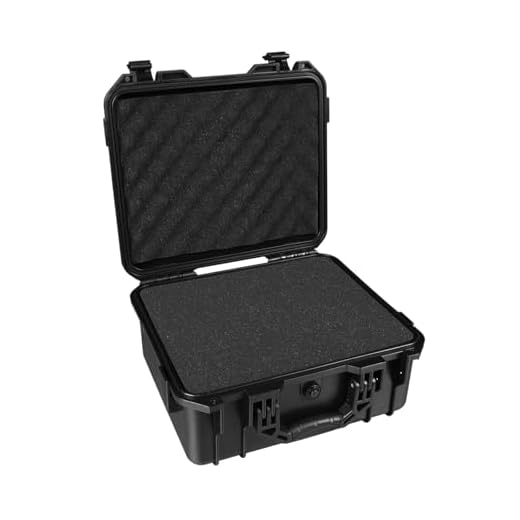
4. Store in a dry place: Avoid storing your mirrorless camera in humid or damp environments, as this can damage the internal components. Store it in a cool, dry place away from direct sunlight.
By following these simple tips, you can ensure that your mirrorless camera is stored properly and remains in top condition for years to come.
Secure storage for mirrorless cameras
When it comes to storing your mirrorless camera, it is important to ensure that it is kept safe and secure. Here are some tips for secure storage:
1. Use a dedicated camera bag
Invest in a high-quality camera bag specifically designed for mirrorless cameras. These bags provide padding and compartments to keep your camera and accessories safe and organized.
2. Keep it in a dry and cool place
Avoid storing your mirrorless camera in areas that are humid or hot, as this can damage the camera and its components. Instead, keep it in a dry and cool place to prevent any potential damage.
- 3. Use silica gel packets
- 4. Store in a locked cabinet
- 5. Consider a camera safe
Best practices for storing mirrorless cameras
Properly storing your mirrorless camera is essential to ensure its longevity and performance. Follow these best practices to keep your camera in top condition:
Avoid extreme temperatures
Store your mirrorless camera in a cool, dry place away from direct sunlight and extreme temperatures. High temperatures can damage the camera’s internal components, while low temperatures can affect the battery life.
Use a protective case
Invest in a quality camera bag or case to protect your mirrorless camera from dust, moisture, and physical damage. Make sure the case is padded and has compartments to keep your camera and accessories organized.
| Tip | Description |
|---|---|
| Remove the battery | Before storing your camera for an extended period, remove the battery to prevent any potential leakage or damage. |
| Keep it clean | Regularly clean your camera and lenses with a soft, lint-free cloth to remove dirt, dust, and smudges. |
| Avoid humidity | Avoid storing your camera in a humid environment, as moisture can cause mold growth and damage the camera’s electronic components. |
Choosing the right camera bag
When it comes to storing your mirrorless camera, choosing the right camera bag is essential to ensure its safety and protection. Here are some factors to consider when selecting a camera bag:
- Size: Make sure the camera bag is the right size to fit your mirrorless camera and any additional lenses or accessories you may have.
- Padding: Look for a camera bag with adequate padding to protect your camera from bumps and shocks.
- Compartments: Consider a camera bag with compartments and dividers to keep your camera and accessories organized and secure.
- Material: Choose a camera bag made from durable and water-resistant material to protect your gear from the elements.
- Comfort: Opt for a camera bag with adjustable straps and comfortable padding to make carrying your gear easier on your shoulders and back.
Protecting your camera from dust and moisture
Dust and moisture are two common enemies of electronic devices, including mirrorless cameras. To protect your camera from these elements, follow these tips:
1. Use a protective case
When storing your camera, make sure to keep it in a protective case or bag. This will help shield it from dust and moisture when not in use.
2. Avoid humid environments
Avoid storing your camera in humid environments, as moisture can damage the internal components. If you live in a humid climate, consider using silica gel packs in your camera bag to absorb excess moisture.
Temperature and humidity considerations
When storing your mirrorless camera, it is important to consider the temperature and humidity of the storage environment. Extreme temperatures can damage the internal components of the camera, while high humidity levels can lead to mold growth or corrosion.
It is recommended to store your camera in a cool, dry place away from direct sunlight and heat sources. Avoid storing it in areas with high humidity, such as bathrooms or basements. A temperature-controlled environment with a humidity level between 35% and 45% is ideal for camera storage.
- Store your camera in a camera bag or case with silica gel packets to absorb moisture.
- Avoid storing your camera in airtight containers, as this can trap moisture and lead to condensation.
- If you live in a humid climate, consider using a dehumidifier in the storage area to maintain optimal humidity levels.
Utilizing camera cases and inserts
One of the best ways to store your mirrorless camera is by using a dedicated camera case or insert. Camera cases are designed to provide protection for your camera while keeping it organized and easy to transport. Look for a case that is specifically designed for mirrorless cameras to ensure a proper fit.
Camera inserts are another great option for organizing your camera gear within a larger bag or backpack. These inserts are usually padded and have adjustable compartments to securely hold your camera body, lenses, and accessories. They offer flexibility and customization for your storage needs.
When choosing a camera case or insert, consider factors such as size, durability, and extra features like waterproofing or extra pockets. Investing in a quality case or insert can help prolong the life of your mirrorless camera and keep your gear safe and easily accessible.
Importance of lens caps and rear caps
When storing your mirrorless camera, it is crucial to always use lens caps and rear caps to protect your lenses and sensor. Lens caps help prevent dust, dirt, and scratches from accumulating on the lens glass, which can affect the image quality. Rear caps, on the other hand, protect the sensitive electronic contacts on the back of the lens. By using both caps, you can ensure that your camera gear stays in optimal condition and ready for use whenever you need it.
Cleaning and maintenance tips
Keeping your mirrorless camera clean is essential for maintaining its performance and longevity. Here are some tips to help you keep your camera in top condition:
- Use a soft, dry cloth to gently wipe the camera body and lens to remove dust and dirt.
- For stubborn stains or smudges, use a lens cleaning solution and a microfiber cloth to gently clean the lens surface.
- Avoid using harsh chemicals or abrasive materials that could damage the camera’s finish or lens coating.
- Store your camera in a protective case or bag when not in use to prevent dust and dirt buildup.
- Regularly check and clean the camera sensor to remove any dust particles that may affect image quality.
- Keep your camera battery charged and store it in a cool, dry place to maintain its performance.
Ensuring long-term camera health
Properly storing your mirrorless camera is essential for its long-term health and functionality. Follow these tips to ensure your camera stays in top condition:
Avoid extreme temperatures
Store your camera in a cool, dry place away from direct sunlight and extreme temperatures. High temperatures can cause damage to the internal components, while extreme cold can affect battery life and performance.
Use a protective case
Invest in a quality camera case or bag to protect your camera from dust, moisture, and accidental bumps or drops. Make sure the case has padding to cushion the camera and lenses during transport.
- Keep the camera in a clean, dust-free environment to prevent debris from getting inside the lens or camera body.
- Remove the battery when storing the camera for an extended period to prevent corrosion.
- Regularly clean the camera and lenses with a soft, lint-free cloth to remove dirt and smudges.
By following these simple tips, you can help ensure that your mirrorless camera remains in top working condition for years to come.


I’m torn between getting a dedicated camera bag versus a backpack with inserts. Are the specific camera bags really worth it for protection?
Yes, definitely! A dedicated camera bag usually has better padding and compartments. I feel safer using mine.
I disagree that removing the battery is always necessary. As long as you're using the camera regularly, it should be fine.
While regular usage does help, removing the battery during long periods of non-use can prevent battery leakage, which can cause damage.
Don't forget to keep the camera in a locked cabinet if possible. Extra security is always a good idea.
I recently started using a dehumidifier in my camera storage area after reading about humidity issues. It’s made a noticeable difference in preventing mold, especially since I live in a humid area. Highly recommend it!
What’s the best way to clean the lens without damaging it? I usually just use a cloth, but I'm worried it might scratch.
I've had good results using a microfiber cloth and a little lens cleaner. Just be gentle!
Can anyone clarify what type of silica gel packets are best for camera storage? I’ve seen different types online.
Look for silica gel packets that are specifically labeled as reusable; they can absorb moisture effectively and be dried out for reuse.