
 Carmen J. Moore

Bridge cameras and DSLRs are two popular options for photographers looking to step up their game. While both types of cameras have their strengths and weaknesses, the question of which is better ultimately comes down to individual needs and preferences.
Bridge cameras are a great choice for photographers who want the convenience of a compact, all-in-one camera that offers a wide range of features. They typically have powerful zoom lenses, making them ideal for capturing distant subjects. On the other hand, DSLRs are known for their superior image quality, interchangeable lenses, and advanced manual controls.
When it comes to image quality, DSLRs have the edge thanks to their larger sensors and ability to use high-quality lenses. This makes them a popular choice for professional photographers and serious enthusiasts who demand the best results. However, bridge cameras are more portable and easier to use, making them a great option for travelers and hobbyists.


Comparison of Bridge Cameras and DSLR Cameras
Bridge Cameras:
Bridge cameras are a versatile option for photographers who want more advanced features than a point-and-shoot camera but don’t want to deal with the complexity of a DSLR. They typically have a fixed lens with a wide zoom range, making them suitable for a variety of shooting situations.
Pros:
- Convenient all-in-one design
- Long zoom range
- Good for beginners and enthusiasts
Cons:
- Limited lens options
- Smaller sensor size
- Less manual control
DSLR Cameras:
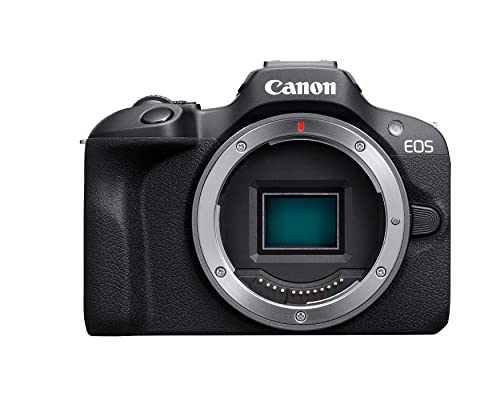
DSLR cameras offer superior image quality and performance compared to bridge cameras. They have interchangeable lenses, allowing photographers to customize their gear for different types of photography. DSLRs are popular among professional photographers and serious hobbyists.
Pros:
- Excellent image quality
- Interchangeable lenses
- Advanced manual controls
Cons:
- Bulky and heavy
- More expensive
- Steep learning curve
Ultimately, the choice between a bridge camera and a DSLR depends on your photography needs and preferences. Bridge cameras are great for casual photographers looking for convenience, while DSLRs are ideal for those who demand the highest image quality and performance.
Image Quality and Sensor Size
When it comes to image quality, DSLR cameras typically have larger sensors than bridge cameras. The sensor size directly affects image quality, especially in low light conditions. DSLRs with their larger sensors can produce images with less noise and better dynamic range compared to bridge cameras.
Bridge cameras, on the other hand, have smaller sensors which can result in lower image quality, especially in low light situations. However, modern bridge cameras have improved significantly in terms of image quality and can still produce high-quality images for most users.
Overall, if image quality is your top priority, a DSLR camera with its larger sensor size is likely the better choice. However, if convenience and versatility are more important to you, a bridge camera may still be a suitable option.
Zoom Range and Lens Options
One of the key advantages of bridge cameras is their impressive zoom range. These cameras typically offer a wide range of focal lengths, allowing you to zoom in on distant subjects without the need to change lenses. This makes bridge cameras a versatile option for capturing a variety of scenes, from landscapes to wildlife.
While DSLRs also offer interchangeable lenses that can provide varying zoom capabilities, bridge cameras offer a more convenient all-in-one solution. This can be especially useful for photographers who don’t want to carry around multiple lenses or constantly switch between them.
Size and Portability
Bridge cameras are generally more compact and lightweight compared to DSLRs, making them easier to carry around for long periods of time. This makes bridge cameras a popular choice for travel photography or casual shooting situations where portability is key.
On the other hand, DSLRs are bulkier and heavier due to their larger size and interchangeable lens system. While this may be a disadvantage in terms of portability, DSLRs offer better ergonomics and a more comfortable grip, especially for users with larger hands.
Manual Controls and Customization
One of the key advantages of DSLR cameras over bridge cameras is the level of manual control and customization they offer. DSLRs typically have more physical dials and buttons that allow photographers to adjust settings like aperture, shutter speed, ISO, and white balance quickly and easily.
Additionally, DSLRs often have a wider range of customizable settings and options, allowing photographers to fine-tune their shooting experience to suit their preferences. This level of control is particularly beneficial for advanced photographers who want to have full control over their camera settings.
While bridge cameras also offer manual controls, they may not have the same level of customization and flexibility as DSLRs. This can make it more challenging for photographers to achieve the exact look and feel they desire in their images.
Battery Life and Power Consumption
When it comes to battery life and power consumption, bridge cameras usually have an advantage over DSLRs. Bridge cameras are designed to be more power-efficient, allowing them to last longer on a single charge compared to DSLRs. This is because bridge cameras have smaller sensors and less power-hungry components, which results in better battery life.
Additionally, bridge cameras often have features like electronic viewfinders and LCD screens that consume less power than the optical viewfinders and larger displays found on DSLRs. This means that bridge cameras can provide longer shooting sessions without needing to recharge the battery.
Overall, if battery life and power consumption are important factors for you, a bridge camera may be a better choice than a DSLR.
Low Light Performance and ISO Sensitivity
When it comes to capturing images in low light conditions, DSLRs typically outperform bridge cameras due to their larger sensors and better noise control. DSLRs have larger sensors, which allow them to capture more light and produce less noise in low light situations. This results in clearer and sharper images with less graininess.
Additionally, DSLRs usually have better ISO sensitivity range compared to bridge cameras. This means that DSLRs can handle higher ISO settings without producing as much noise, allowing for better low light performance.
While bridge cameras have improved in low light performance over the years, they still struggle to match the low light capabilities of DSLRs. If you frequently shoot in low light conditions or need high ISO sensitivity, a DSLR may be the better choice for you.
Price and Budget Considerations
When considering whether a bridge camera or a DSLR is better for you, it’s important to take price and budget into account. Bridge cameras are generally more affordable than DSLRs, making them a great option for those on a tighter budget. Additionally, bridge cameras often come with a fixed lens, eliminating the need to purchase additional lenses, which can save you money in the long run.
On the other hand, DSLRs can be more expensive upfront, especially when you start adding different lenses to your kit. However, DSLRs offer more versatility and the ability to upgrade and customize your gear as your photography skills grow. If you have the budget for it and are serious about photography, investing in a DSLR may be the better long-term option.
Video Recording Capabilities
Bridge cameras typically offer decent video recording capabilities, with many models supporting Full HD (1080p) or even 4K video recording. While DSLRs also have the capability to shoot high-quality videos, they may lack some of the advanced video features found in bridge cameras, such as built-in image stabilization and longer zoom ranges.
Bridge cameras are often preferred by videographers looking for an all-in-one solution that provides good video quality without the need to carry additional lenses or accessories. However, if you require more professional video features or plan to do extensive video recording, a DSLR may be a better choice due to its ability to use interchangeable lenses and external accessories for enhanced video quality and versatility.
Overall Versatility and Flexibility
When it comes to overall versatility and flexibility, bridge cameras offer a good balance between compact size and powerful features. They are designed to be easy to use for beginners while still providing advanced options for more experienced photographers. With a bridge camera, you can quickly switch between different shooting modes and adjust settings to suit various shooting conditions.
On the other hand, DSLR cameras are known for their superior image quality and interchangeable lenses, which give photographers more creative control over their shots. They are also better suited for capturing fast-moving subjects and low-light situations. However, DSLRs are bulkier and heavier than bridge cameras, making them less convenient for travel or casual shooting.
FAQ
What are the main advantages of bridge cameras compared to DSLRs?
Bridge cameras are generally more compact and lightweight than DSLRs, making them easier to carry around. They also have a fixed lens that usually covers a wide zoom range, eliminating the need to carry multiple lenses. Additionally, bridge cameras are often more affordable than DSLRs, making them a popular choice for beginners or casual photographers.
Do bridge cameras offer the same level of image quality as DSLRs?
While bridge cameras have improved significantly in recent years, they generally do not offer the same level of image quality as DSLRs. DSLRs have larger sensors and interchangeable lenses, which allow for greater control over depth of field, low-light performance, and overall image quality. However, for many casual photographers, the image quality of bridge cameras may be more than sufficient for their needs.
Are bridge cameras suitable for professional photographers?
Bridge cameras are not typically used by professional photographers for their primary work, as DSLRs offer more versatility, control, and higher image quality. However, bridge cameras can still be useful for professional photographers as a compact and lightweight option for travel or as a backup camera. It ultimately depends on the specific needs and preferences of the photographer.



I disagree with the idea that bridge cameras are better for beginners. I think learning manual settings on a DSLR can actually help new photographers improve faster.
That's an interesting perspective! Many believe that understanding manual controls on DSLRs can enhance photography skills, while others find the simplicity of bridge cameras more accessible for starting out.
I’ve noticed that bridge cameras can be less expensive than DSLRs, but you get what you pay for in terms of image quality.
Can someone explain the main differences in battery life between bridge cameras and DSLRs?
I recently switched from a DSLR to a bridge camera for travel photography. The convenience of having a wide zoom range in one compact design has made my trips so much easier. But I do miss the image quality during low light situations. Anyone else feel the same?
It's great to hear that you've found a bridge camera convenient for travel! Many users share similar experiences regarding low light performance, as DSLRs generally excel in those conditions due to their larger sensors.
I'm really torn between getting a bridge camera or a DSLR. If portability is my main concern, is a bridge camera the best choice?
What about video recording capabilities? I’ve read that bridge cameras are good for video, but how do they compare to DSLRs in that regard?
Bridge cameras often offer solid video features like built-in stabilization and longer zoom ranges, which can be advantageous for casual videographers. However, DSLRs typically provide superior video quality due to their larger sensors.