
 Carmen J. Moore

Film camera vs. digital camera: the age-old debate continues to spark conversations among photography enthusiasts. Each has its own unique charm and advantages, but when it comes to capturing stunning images, which one comes out on top? Let’s delve into the characteristics of both mediums to determine which truly takes better pictures.
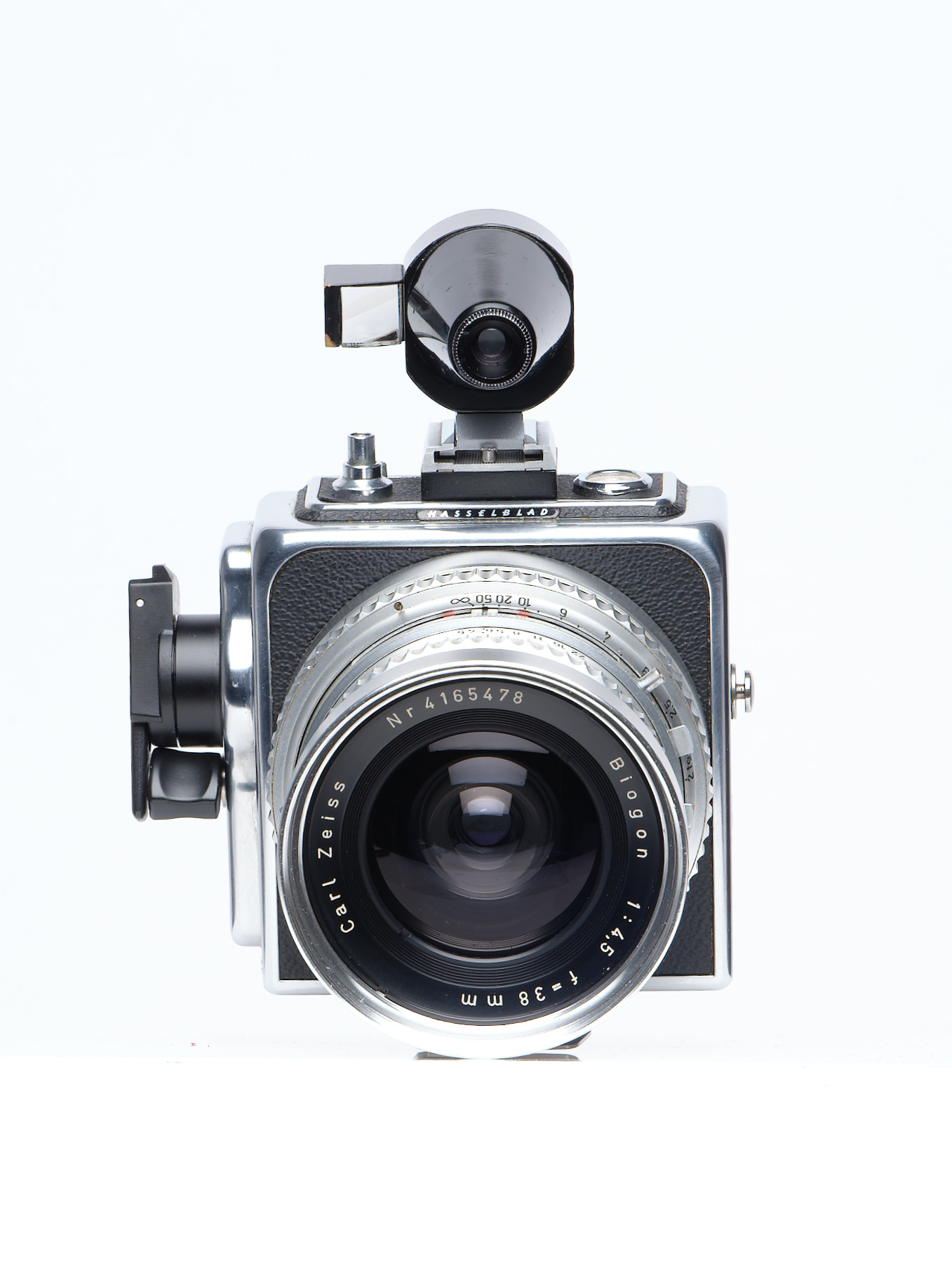
Traditional film cameras have a nostalgic appeal and are favored by many for their ability to produce classic, timeless images. The process of shooting on film requires precision and patience, as each frame is carefully composed and exposed. The result is often a rich, organic quality that digital cameras struggle to replicate.
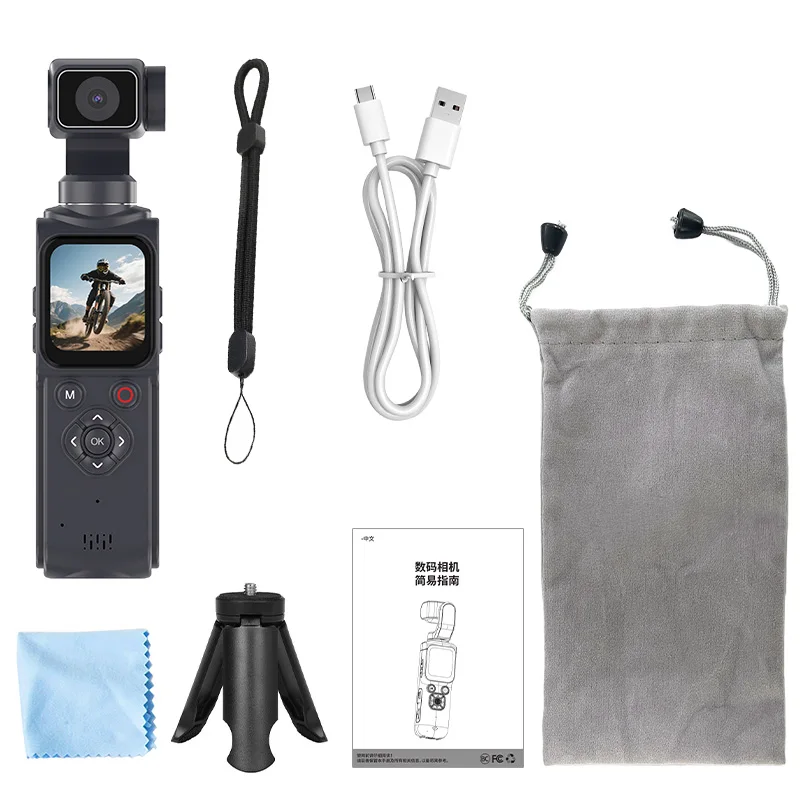
On the other hand, digital cameras offer convenience and flexibility that film cameras cannot match. With instant feedback on the LCD screen, photographers can easily adjust settings and retake shots if necessary. The high resolution and advanced technology of digital sensors also allow for sharp, detailed images with vibrant colors.


Comparing Picture Quality
When it comes to picture quality, both film cameras and digital cameras have their own advantages and drawbacks. Film cameras are known for producing a classic, timeless look with rich colors and dynamic range. The analog film grain adds texture and depth to the images, giving them a unique and artistic feel.
On the other hand, digital cameras offer the convenience of instant feedback and the ability to adjust settings on the fly. They produce sharp, crisp images with high resolution and clarity. Digital cameras also provide the option to easily edit and enhance photos using software tools.
Ultimately, the choice between film and digital cameras depends on personal preference and the intended use of the photos. Film cameras may be preferred for their nostalgic appeal and artistic quality, while digital cameras are favored for their versatility and quick results.
Film Camera Advantages
Film cameras have several advantages over digital cameras, especially for photography enthusiasts who appreciate the traditional process of film photography. Some of the key advantages of film cameras include:
Image Quality
Film cameras are known for producing a unique and timeless image quality that many photographers find appealing. The organic look of film, with its grain and color characteristics, can add a special touch to photographs that is hard to replicate with digital cameras.

Dynamic Range
Film cameras often have a wider dynamic range compared to digital cameras, allowing them to capture more detail in both the highlights and shadows of a scene. This can result in images with rich tonal gradation and depth.
| Advantages: | Description: |
| Physicality | Film cameras offer a tactile and physical experience that many photographers enjoy. Loading film, advancing the film, and developing the film can be a hands-on and satisfying process. |
| Longevity | Film negatives can last for decades if stored properly, ensuring that your images will be preserved for the long term. Digital files, on the other hand, are susceptible to corruption and obsolescence. |
Digital Camera Advantages
There are several advantages of using a digital camera over a film camera:
- Immediate feedback: With a digital camera, you can instantly view the pictures you have taken on the LCD screen. This allows you to assess the quality of the image and make adjustments as needed.
- Convenience: Digital cameras are lightweight and compact, making them easy to carry and use on the go. They also do not require film, so you can take a large number of photos without worrying about running out of storage space.
- Editing capabilities: Digital cameras allow you to easily edit and enhance your photos using software programs. This gives you more control over the final result and the ability to fix any imperfections.
Cost and Convenience
When it comes to cost, digital cameras have a clear advantage over film cameras. With digital cameras, you don’t need to purchase film rolls or pay for developing and printing. This can save you a significant amount of money in the long run. Additionally, you can reuse the memory card in a digital camera, whereas film rolls are one-time use.
In terms of convenience, digital cameras also outshine film cameras. Digital cameras allow you to instantly view and delete photos, so you can retake a shot if necessary. They also make it easier to share photos with others through email or social media. On the other hand, with film cameras, you have to wait for the film to be developed before seeing the results.
Film Camera Expenses
When considering the cost of using a film camera, it’s important to factor in several expenses beyond just the initial purchase price of the camera itself. Film cameras require film rolls, which can vary in price depending on the brand and type of film. Additionally, developing the film is another cost to consider, as you will need to pay for processing and printing each roll of film.

Furthermore, if you prefer to have your film negatives scanned for digital copies, this is an additional expense to keep in mind. The cost of scanning can vary depending on the resolution and quality you desire for your digital images.
Overall, the ongoing expenses of using a film camera can add up over time, especially if you shoot frequently and require regular film processing and scanning services.
Digital Camera Efficiency
When it comes to efficiency, digital cameras have a clear advantage over film cameras. Digital cameras allow you to instantly review and delete photos, saving time and reducing waste. You can also easily transfer photos to a computer for editing and sharing, eliminating the need for developing film.
Convenience
With digital cameras, you can take hundreds of photos without worrying about running out of film. This convenience allows you to experiment with different settings and compositions without the cost or hassle associated with film photography.
FAQ
Is a film camera better than a digital camera for taking pictures?
Both film and digital cameras have their advantages and disadvantages. Film cameras are favored by some photographers for their unique aesthetic and the process of shooting on film. Digital cameras, on the other hand, offer convenience, instant feedback, and the ability to take a large number of photos without the cost of film and developing. Ultimately, the choice between film and digital depends on personal preference and the specific needs of the photographer.
What are the key differences between film and digital cameras in terms of picture quality?
Film cameras and digital cameras produce images in different ways, which can affect picture quality. Film cameras are known for their classic, grainy aesthetic, while digital cameras generally produce sharper, more detailed images. The dynamic range and color reproduction of film can also differ from digital, creating a unique look in the final images. It’s important to consider the specific characteristics of each medium when choosing between film and digital for photography.
Are film cameras making a comeback in the age of digital photography?
There has been a resurgence of interest in film photography in recent years, with many photographers rediscovering the joy of shooting on film. Film cameras offer a different shooting experience and aesthetic that some photographers find appealing. While digital photography remains the dominant medium, the popularity of film cameras among enthusiasts and professionals continues to grow, showcasing the enduring appeal of analog photography.
Do film cameras capture colors differently from digital cameras?
Yes, film cameras and digital cameras capture colors differently due to the nature of their respective recording mediums. Film has a unique color palette and tonal range that can be difficult to replicate with digital cameras. Film is often praised for its rich, vibrant colors and unique color rendition, which can add a nostalgic or artistic quality to images. Digital cameras, on the other hand, offer precise color reproduction and the ability to adjust colors in post-processing.
What are the advantages of using a film camera over a digital camera for photography?
Using a film camera for photography can offer a range of advantages, including a distinctive aesthetic, a slower and more deliberate shooting process, and a sense of nostalgia. Film cameras can produce images with a unique look that is difficult to replicate with digital cameras, adding character and charm to the photos. Additionally, shooting on film can help photographers improve their skills by encouraging thoughtful composition and exposure decisions. While digital cameras offer convenience and instant feedback, film cameras provide a different shooting experience that some photographers find rewarding.


I'm really torn between film and digital. What are some specific examples of situations where one might perform better than the other?
Good question! I think if you're shooting events or fast-paced scenes, digital definitely takes the lead with instant feedback and continuous shooting modes. But for portraits or landscapes, some might argue that film provides a depth and richness that digital can’t replicate.
I've been using a film camera for a couple of years now and honestly, I love the process. There's something really satisfying about waiting for the film to develop and then being surprised by the results. It forces me to be more intentional about every shot, which I feel enhances my skills.
I get that! But I feel like digital allows for more creativity since you can take hundreds of shots without worrying about costs. I've tried film but found it too limiting.
Can someone explain how the color differences between film and digital are significant? I’ve heard they’re really different but not sure why.
Great question! Film captures colors in a way that gives a unique palette and tonal range, often resulting in richer and more vibrant colors compared to digital. This is due to the chemical processes in film versus the digital sensor's response to light.