
 Carmen J. Moore

Film and digital cameras are two distinct technologies that have revolutionized the world of photography. While both are capable of capturing images, they differ in several key aspects.
One of the main differences between film and digital cameras is the way they capture and store images. Film cameras use photographic film to record images, which must be developed in a darkroom to produce physical prints. On the other hand, digital cameras use electronic sensors to capture images, which are stored on memory cards and can be easily transferred to a computer for editing and sharing.
Another significant difference is the cost and convenience associated with film and digital cameras. Film cameras require the purchase of film rolls and development costs, making them more expensive to use in the long run. Digital cameras, on the other hand, offer instant gratification with the ability to view and delete images on the spot, as well as the convenience of sharing photos online.
Key Differences Between Film and Digital Cameras
Film cameras use photographic film to capture images, while digital cameras use electronic sensors.

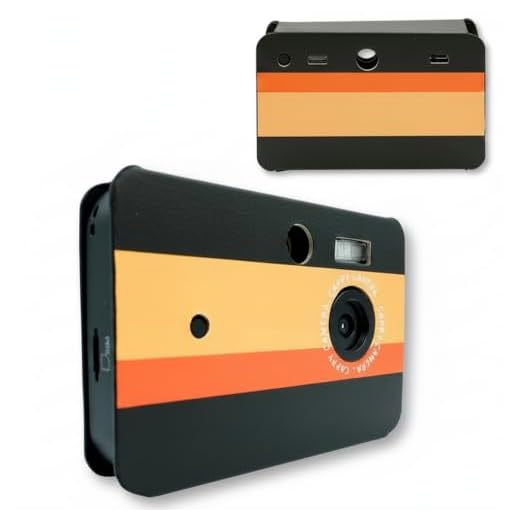
Film cameras require film to be loaded, processed, and developed, while digital cameras store images on memory cards.
Film cameras have a limited number of exposures per roll of film, while digital cameras can store hundreds or even thousands of images on a single memory card.
Film cameras produce a unique aesthetic with film grain and color characteristics, while digital cameras offer more control over image processing and editing.
Film cameras have a slower workflow due to the need to process film, while digital cameras allow for instant viewing and sharing of images.
Film cameras require more skill and experience to use effectively, while digital cameras offer automatic settings and instant feedback to help beginners.
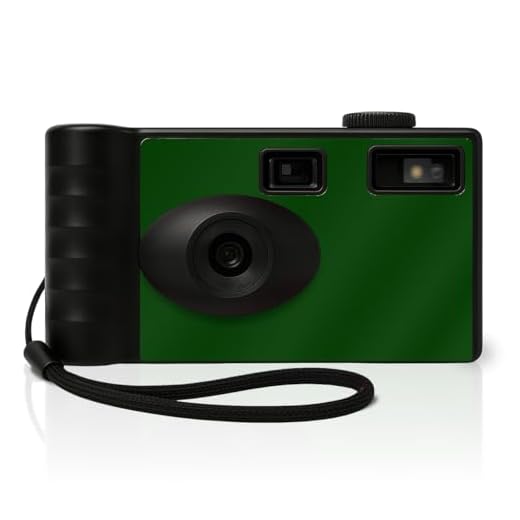
Overall, the choice between film and digital cameras depends on personal preference, desired aesthetic, workflow preferences, and intended use of the camera.
Main Characteristics of Film Cameras
Film cameras use photographic film to capture images, which need to be developed and processed before they can be viewed. This process involves exposing the film to light through the camera’s lens and then developing the film in a darkroom.
Film cameras typically have a limited number of exposures per roll of film, which can vary depending on the type of film used. This means that photographers need to be more selective in choosing their shots and may need to carry multiple rolls of film when shooting on location.
Film cameras require manual focusing, aperture, and shutter speed adjustments, giving photographers more control over their images. This manual control can be both a benefit and a challenge, as it requires a good understanding of photography principles.
Film cameras tend to have a more tactile feel, with mechanical controls and a satisfying click of the shutter button. This physical interaction can be appealing to photographers who enjoy the process of capturing images.

Overall, film cameras offer a unique shooting experience that requires a slower and more deliberate approach to photography compared to digital cameras.
Advantages of Film Cameras
Film cameras offer a unique shooting experience that many photographers find appealing. Here are some advantages of using film cameras:
- Image Quality: Film cameras often produce images with a distinctive aesthetic that many photographers prefer over digital images. Film can capture subtle nuances of color and tone that digital cameras may struggle to replicate.
- Physicality: Handling film, loading it into the camera, and developing it can be a tactile and engaging process that some photographers enjoy. It can also lead to a greater sense of connection with the final image.
- Dynamic Range: Film cameras typically have a wider dynamic range than digital cameras, meaning they can capture more detail in highlights and shadows. This can result in images with greater depth and richness.
- Timelessness: Film photography has a timeless quality that can evoke nostalgia and a sense of history. Many photographers appreciate the classic look and feel of film images.
- Skill Development: Shooting with film encourages photographers to slow down, think more carefully about each shot, and hone their technical skills. This can lead to a deeper understanding of photography and improved craftsmanship.
Drawbacks of Film Cameras
Film cameras have several drawbacks compared to digital cameras. One of the main disadvantages is the cost of film and developing. Film rolls can be expensive, and developing the film can add up over time. Additionally, film cameras are limited in terms of the number of shots you can take per roll, which can be a constraint for photographers who need to capture a large number of images quickly.
Another drawback of film cameras is the inability to review and delete photos instantly. With digital cameras, you can see the image immediately after taking it and decide if you want to keep it or not. This feature is not available with film cameras, making it harder to ensure you capture the perfect shot.
Furthermore, film cameras require more maintenance and care compared to digital cameras. Film rolls need to be stored properly to prevent damage, and the camera itself may require regular cleaning and upkeep to ensure optimal performance.
Overall, while film cameras have a unique charm and appeal, they come with several drawbacks that make digital cameras a more convenient and cost-effective option for many photographers.
Main Characteristics of Digital Cameras
Digital cameras have several key characteristics that distinguish them from film cameras:
- Image Sensor: Digital cameras use image sensors to capture light and convert it into digital data, while film cameras use film to record images.
- Resolution: Digital cameras offer different resolution options, measured in megapixels, which determine the level of detail in the images they produce.
- Instant Preview: Digital cameras allow users to instantly preview and review images on the camera’s LCD screen, while film cameras require developing the film to see the results.
- Storage: Digital cameras store images on memory cards, making it easy to transfer and store large numbers of photos, unlike film cameras that require physical rolls of film.
- Editing Capabilities: Digital cameras often come with built-in editing features that allow users to enhance and manipulate photos directly on the camera.
- Power Source: Digital cameras are typically powered by rechargeable batteries, providing a more convenient and sustainable power source compared to disposable batteries used in film cameras.
Advantages of Digital Cameras
1. Instant Preview: With digital cameras, you can instantly review the photos you have taken on the camera’s display screen, allowing you to make adjustments and retake the shot if needed.
2. Easy Editing: Digital photos can be easily edited using software on a computer or even on the camera itself, giving you the flexibility to enhance and manipulate your images.
3. Cost-effective: While the initial cost of a digital camera may be higher than a film camera, digital photography eliminates the need for film rolls and processing, saving you money in the long run.

4. Storage: Digital photos can be stored on memory cards, hard drives, or cloud storage, making it easy to organize and access your images without the need for physical photo albums.
5. Sharing: Digital photos can be easily shared online through social media, email, or photo-sharing websites, allowing you to quickly and effortlessly share your images with friends and family.
Drawbacks of Digital Cameras
Digital cameras have revolutionized photography, but they also come with their own set of drawbacks. Here are some of the main disadvantages of digital cameras:
Limited Dynamic Range
One of the main drawbacks of digital cameras is their limited dynamic range compared to film cameras. Digital sensors can struggle to capture the full range of light and dark tones in a scene, leading to loss of detail in highlights and shadows.
Noisier Images in Low Light
Digital cameras can produce noisier images in low light conditions compared to film cameras. This noise can be distracting and affect image quality, especially when shooting in dimly lit environments.

Overall, while digital cameras offer convenience and instant results, they also have their limitations that photographers need to be aware of.
Image Quality Comparison
One of the most significant differences between film and digital cameras is the image quality they produce. Here are some key points to consider:
Film Cameras
Film cameras capture images on photographic film, which has a unique aesthetic and characteristic grain. Film photography is known for its rich colors, deep shadows, and fine details. The dynamic range of film is often praised for its ability to capture a wide range of tones.
Digital Cameras
Digital cameras capture images using electronic sensors that convert light into digital data. Digital photography offers the advantage of instant feedback, allowing photographers to review and adjust their images in real-time. Digital images can be easily edited and manipulated using software tools.
| Aspect | Film Cameras | Digital Cameras |
|---|---|---|
| Resolution | Varies based on film type and format | Measured in megapixels |
| Noise | Grain structure | Digital noise |
| Dynamic Range | Wide range of tones | Varies by sensor quality |
Cost Comparison
One of the key differences between film and digital cameras is the initial cost. Film cameras tend to be more affordable upfront, as you can purchase a basic film camera for a relatively low price. However, the ongoing costs of film, developing, and printing can add up over time.
On the other hand, digital cameras typically have a higher initial cost, but they offer the advantage of not having ongoing film and processing expenses. Once you have a digital camera, you can take an unlimited number of photos without any additional cost, as long as you have sufficient storage space.
It’s important to consider your budget and how frequently you plan to use the camera when deciding between a film and digital camera, as the cost difference can impact your overall photography expenses in the long run.
Environmental Impact
Film Cameras: Film cameras have a significant environmental impact due to the chemicals used in film processing. The chemicals used in developing film can be harmful to the environment if not disposed of properly. Additionally, film production and disposal contribute to waste and pollution.
Digital Cameras: Digital cameras have a lower environmental impact compared to film cameras. Digital photography eliminates the need for chemical processing and reduces waste generated from film production and disposal. However, digital cameras still have an environmental impact due to electronic waste generated from their production and disposal.
FAQ
What are the main differences between film and digital cameras?
Film cameras use photographic film to capture images, while digital cameras use electronic sensors to record images. Film cameras require developing and printing processes, while digital cameras offer instant viewing and editing capabilities.
How does image quality compare between film and digital cameras?
Film cameras are known for producing a unique aesthetic with rich colors and subtle tones, while digital cameras offer sharpness and clarity due to advanced technology. Both mediums have their own strengths in image quality.
Are film cameras still relevant in the age of digital photography?
Yes, film cameras are still used by many photographers for their artistic appeal and the tactile experience of shooting with film. Some photographers prefer the process and results of film photography over digital.
What are the cost differences between film and digital photography?
Film photography can be more expensive in the long run due to the costs of film, processing, and printing. Digital photography offers more cost-effective options with reusable memory cards and instant editing capabilities.
How has the evolution of technology impacted film and digital cameras?
The advancement of technology has led to improvements in digital camera sensors, resulting in higher resolutions and better low-light performance. Film cameras have seen a decline in popularity but still hold a place in the hearts of many photographers for their nostalgic value.


I've been using digital cameras for years, and while I love the convenience, I recently tried shooting with a film camera. The anticipation of waiting for the photos to develop was a unique experience! The colors were richer and more vibrant than I expected.
What do you mean by 'dynamic range'? How does it affect the photos taken?
Dynamic range refers to the range of light intensities from the shadows to the highlights in your photos. A wider dynamic range means you can capture more detail in both bright and dark areas.
I disagree with the notion that film has a better dynamic range. Digital cameras have come a long way and can now capture a lot of detail in highlights and shadows.
What are some tips for getting started with film photography? I’m really intrigued by its aesthetic but don’t know where to begin.
I recommend starting with a simple 35mm camera and experimenting with different types of film. Just remember, it's all about practice and patience!
Can anyone compare the editing capabilities of digital versus film? I love editing my photos digitally but wonder if film can offer similar options.