
 Carmen J. Moore

Mobile phones and digital cameras have become ubiquitous tools for capturing moments and memories in the modern world. While digital cameras were once the go-to option for high-quality photography, the rapid advancement of smartphone technology has narrowed the gap between the two devices.
With the convenience of having a camera built into our phones, many people wonder how phone cameras stack up against traditional digital cameras in terms of image quality, functionality, and versatility. Let’s explore the differences and similarities between these two types of cameras to see which one comes out on top.
Comparison of Phone Cameras and Digital Cameras
When comparing phone cameras to digital cameras, there are several key differences to consider. Phone cameras are convenient and portable, allowing users to capture moments on-the-go without the need for additional equipment. Digital cameras, on the other hand, offer more advanced features and settings for photographers who want greater control over their images.
Phone cameras are ideal for casual photography and social media sharing, thanks to their ease of use and instant connectivity. Digital cameras, with their larger sensors and interchangeable lenses, are better suited for professional photography and capturing high-quality images in various lighting conditions.

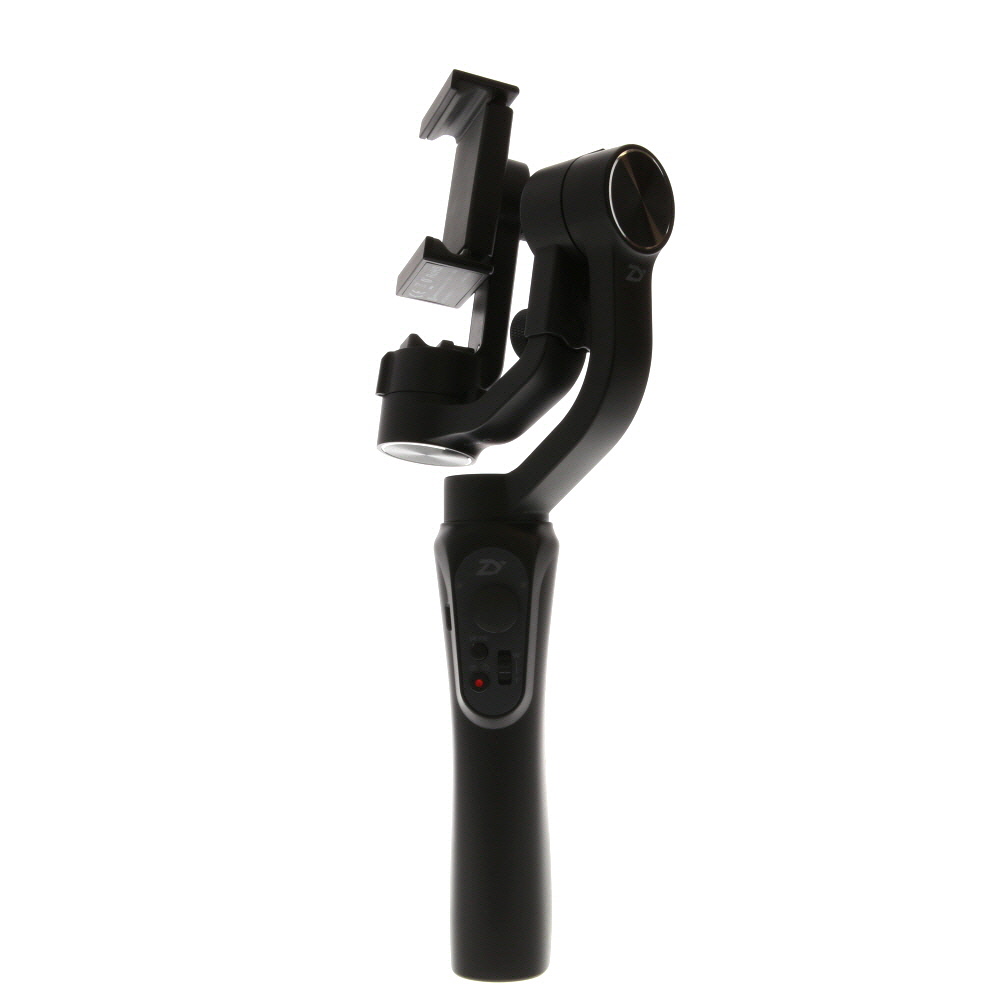


While phone cameras have improved significantly in recent years, digital cameras still offer superior image quality, especially when it comes to detail, dynamic range, and low-light performance. Additionally, digital cameras typically have longer battery life and faster autofocus capabilities compared to phone cameras.
In conclusion, the choice between a phone camera and a digital camera depends on your photography needs and preferences. If you prioritize convenience and simplicity, a phone camera may be sufficient. However, if you are serious about photography and want the best image quality and control, investing in a digital camera is the way to go.
Image Quality Differences
When comparing phone cameras to digital cameras, one of the key areas where they differ is in image quality. Digital cameras typically offer higher resolution and better image quality compared to phone cameras. This is due to the larger image sensor size and better lens quality found in digital cameras.
Resolution
Digital cameras often have higher megapixel counts than phone cameras, resulting in sharper and more detailed images. This is especially noticeable when printing or viewing images on larger screens.
Low Light Performance
Another area where digital cameras outperform phone cameras is in low light performance. Digital cameras generally have larger sensors and better noise reduction algorithms, allowing them to capture clearer and less noisy images in low light conditions.

Portability and Convenience
One of the key advantages of phone cameras over digital cameras is their portability. Phones are lightweight and compact, making them easy to carry around wherever you go. This means you can capture spontaneous moments and take photos on the fly without having to lug around a bulky camera.
In addition, phone cameras are always with you since most people carry their phones everywhere they go. This makes it convenient to capture important moments, events, or simply document your day-to-day life without the need to remember to bring a separate camera.
Furthermore, the integration of phone cameras with social media platforms and instant sharing capabilities adds to the convenience factor. You can quickly snap a photo, edit it, and share it with friends and family in a matter of seconds, enhancing the real-time sharing experience.
Manual Controls and Settings
One of the key differences between phone cameras and digital cameras is the level of manual controls and settings available. Digital cameras typically offer a wide range of manual controls, including aperture, shutter speed, ISO, white balance, and focus settings. This allows photographers to have more control over their images and tailor the settings to their specific needs.
On the other hand, phone cameras tend to have more limited manual controls and settings. While some phones do offer manual controls such as exposure compensation or manual focus, they are often not as robust as those found on digital cameras. Phone cameras are designed for quick and easy point-and-shoot photography, catering to the needs of casual users who may not be interested in diving into manual settings.
Low-Light Performance
Phone Cameras: Phone cameras generally struggle in low-light conditions due to their smaller image sensors and limited aperture size. This results in more noise and graininess in photos taken in low-light situations. Some newer phones have introduced features like Night Mode to improve low-light performance, but they still may not match the quality of dedicated digital cameras.
Digital Cameras: Digital cameras, especially DSLRs and mirrorless cameras, are designed to excel in low-light conditions. They typically have larger image sensors and wider aperture lenses, allowing them to capture more light and produce cleaner images in low-light settings. Additionally, digital cameras often offer manual controls for adjusting settings like ISO, shutter speed, and aperture to further enhance low-light performance.
Zoom and Lens Options
Phone cameras typically have digital zoom capabilities, which means they can zoom in on an image by cropping and enlarging it. However, this can result in a loss of image quality as the image is essentially being stretched. Digital cameras, on the other hand, often come with optical zoom lenses that physically adjust to zoom in on a subject without sacrificing image quality.
Additionally, digital cameras offer a wider range of lens options compared to phone cameras. Interchangeable lenses allow photographers to choose the right lens for different shooting scenarios, such as wide-angle or macro photography. Phone cameras, on the other hand, are limited by their fixed lens, which may not be suitable for all types of photography.
Price and Value
When it comes to price, phone cameras are generally more affordable than digital cameras. Most smartphones come equipped with high-quality cameras as a standard feature, eliminating the need for consumers to purchase a separate device. On the other hand, digital cameras can vary greatly in price depending on the brand, features, and specifications.
While phone cameras may be more budget-friendly, digital cameras often offer better value in terms of image quality, zoom capabilities, and manual settings. For professional photographers or enthusiasts looking for precise control over their shots, investing in a digital camera may be a worthwhile choice despite the higher price tag.
| Aspect | Phone Cameras | Digital Cameras |
|---|---|---|
| Price | More affordable | Varies, can be expensive |
| Value | Good for casual photography | Offers better image quality and control |
FAQ
Which is better, phone cameras or digital cameras?
It depends on your needs and preferences. Phone cameras have improved significantly in recent years and can now rival the quality of some entry-level digital cameras. However, digital cameras still offer superior image quality, more manual control options, and better performance in low-light conditions.
What are the advantages of using a digital camera over a phone camera?
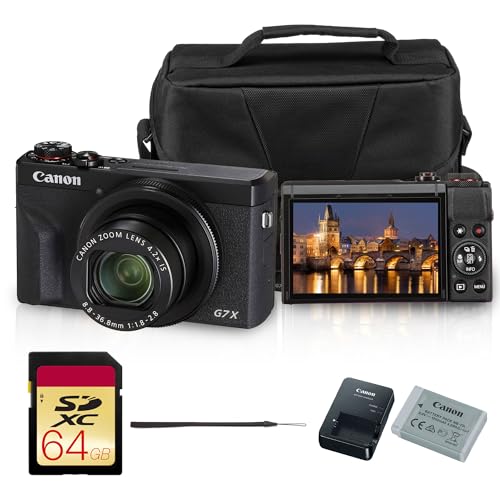
Digital cameras typically offer higher image quality, better optical zoom capabilities, manual control options, and the ability to use interchangeable lenses. They also perform better in low-light conditions and offer more advanced features for photography enthusiasts.


Could you clarify what you mean by 'image quality'? Is it just about resolution, or are there other factors to consider?
Image quality encompasses various factors such as resolution, dynamic range, color accuracy, and performance in different lighting conditions. Larger sensors in digital cameras help improve these aspects compared to phone cameras.
I used to rely solely on my phone for photos, but I recently bought a mirrorless camera. The difference in image quality is night and day, especially in low light. I love having the ability to change lenses too. It’s a learning curve, but worth it for serious photography.
I wonder how newer phones stack up against higher-end digital cameras. Anyone tried both for a similar shot?
Newer flagship phones can often compete with entry-level digital cameras, particularly in well-lit conditions. However, for professional needs and low-light scenarios, digital cameras generally still have the edge.
I disagree that digital cameras are always better. My phone has a feature that lets me edit and share instantly, which is more convenient for my needs.
That’s a good point! Convenience is definitely a big factor. For casual use, phones are unbeatable.
What specific situations do you think a digital camera is necessary over a phone camera? I’ve had decent results with my phone for casual shots.