
 Carmen J. Moore

From the grainy black and white images of the past to the vibrant high-definition videos of today, the world of filmmaking has undergone a significant transformation with the advent of digital cameras.
But when did filmmakers first start using digital cameras to capture their stories on screen? The answer to this question lies in the intersection of technology and creativity, where innovative filmmakers dared to experiment with new tools and techniques to push the boundaries of visual storytelling.
The Evolution of Filmmaking Technology
Filmmaking technology has undergone significant advancements over the years, revolutionizing the way films are made and viewed. From the early days of silent films to the digital age, filmmakers have constantly adapted to new technologies to enhance the storytelling process.
The Advent of Digital Cameras
One major milestone in the evolution of filmmaking technology was the introduction of digital cameras. The shift from traditional film cameras to digital cameras began in the late 1990s and early 2000s, offering filmmakers a more cost-effective and efficient way to capture high-quality images.

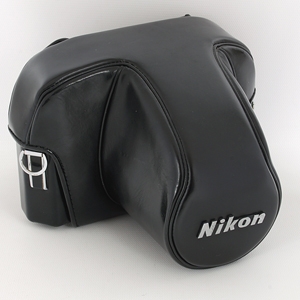
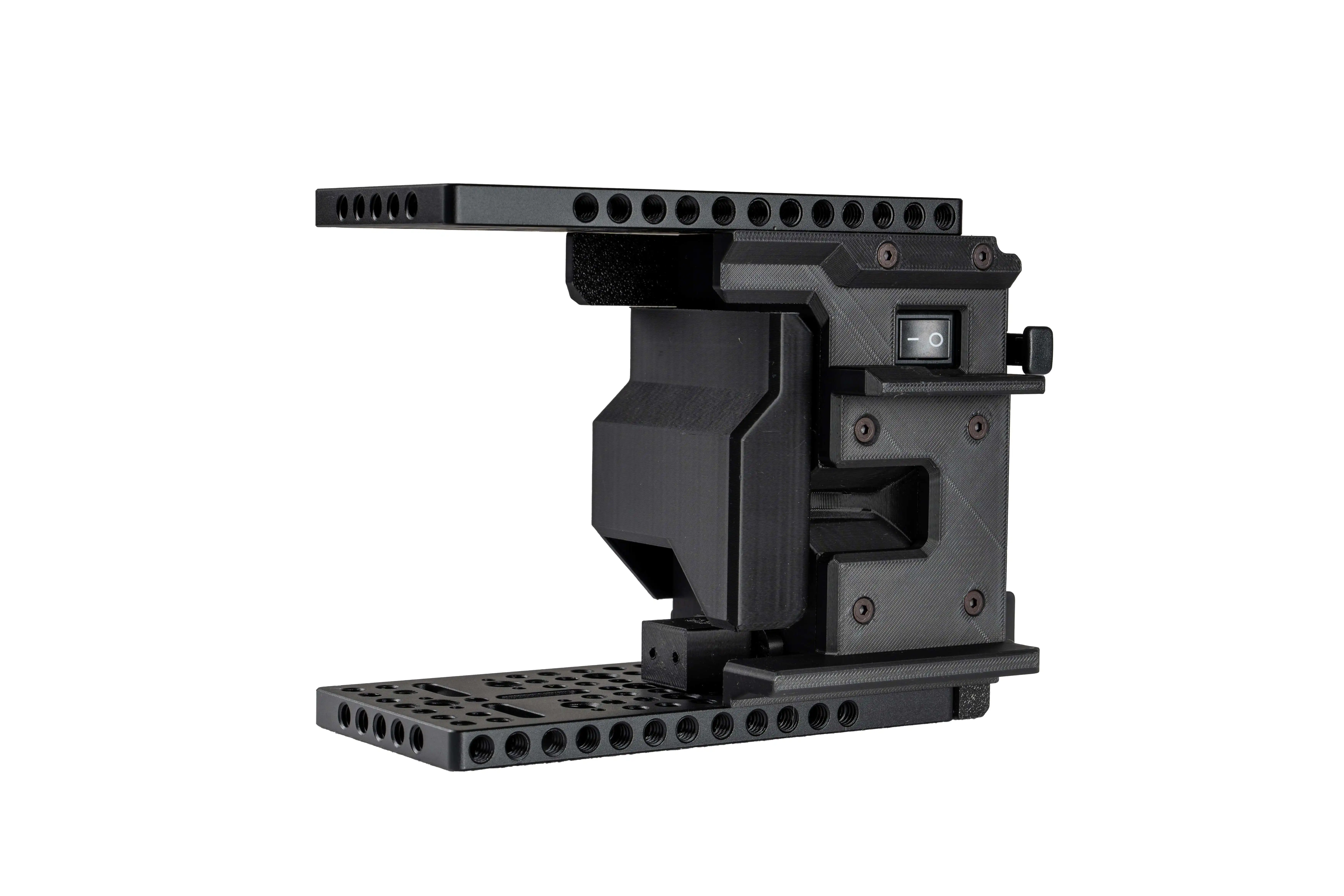

Digital cameras allowed filmmakers to shoot, review, and edit footage in real-time, eliminating the need for time-consuming film development processes.
The Rise of Digital Filmmaking
With the advancement of digital cameras, digital filmmaking became more accessible to independent filmmakers and aspiring directors. The ability to shoot in high-definition and manipulate footage digitally opened up new creative possibilities and challenged traditional filmmaking conventions.
Today, digital cameras have become the standard in the filmmaking industry, enabling filmmakers to push the boundaries of storytelling with innovative visual effects and immersive cinematography.
Benefits of Using Digital Cameras
Digital cameras have revolutionized the filmmaking industry, offering a range of benefits over traditional film cameras. Here are some key advantages of using digital cameras for filmmaking:
1. Cost-Effective
One of the biggest advantages of digital cameras is their cost-effectiveness. Unlike traditional film cameras, digital cameras do not require expensive film rolls or processing. This significantly reduces the overall cost of production, making filmmaking more accessible to independent filmmakers and low-budget projects.

2. Instant Playback and Editing
With digital cameras, filmmakers can instantly review footage on set, allowing for immediate feedback and adjustments. Additionally, digital footage can be easily transferred to a computer for editing, cutting down on post-production time and increasing efficiency.
| Benefits of Using Digital Cameras | Traditional Film Cameras |
| Cost-Effective | Expensive film rolls and processing |
| Instant Playback and Editing | No instant playback or editing capabilities |
Transition from Analog to Digital
The transition from analog to digital filmmaking started in the late 1990s with the introduction of digital cameras that could capture high-quality video. Filmmakers began to experiment with digital technology due to its cost-effectiveness and flexibility compared to traditional film cameras.
Advancements in digital camera technology led to the development of cameras capable of recording in high definition, making them suitable for professional filmmaking. As digital cameras became more advanced and affordable, they gradually replaced analog film cameras in the industry.
Today, digital cameras are the standard tool for filmmakers, offering a wide range of features and options for capturing and editing footage. The transition to digital technology has revolutionized the filmmaking process, providing filmmakers with new creative possibilities and streamlining production workflows.
Impact on Filmmaking Industry
The introduction of digital cameras in filmmaking has revolutionized the industry in numerous ways. Here are some key impacts:
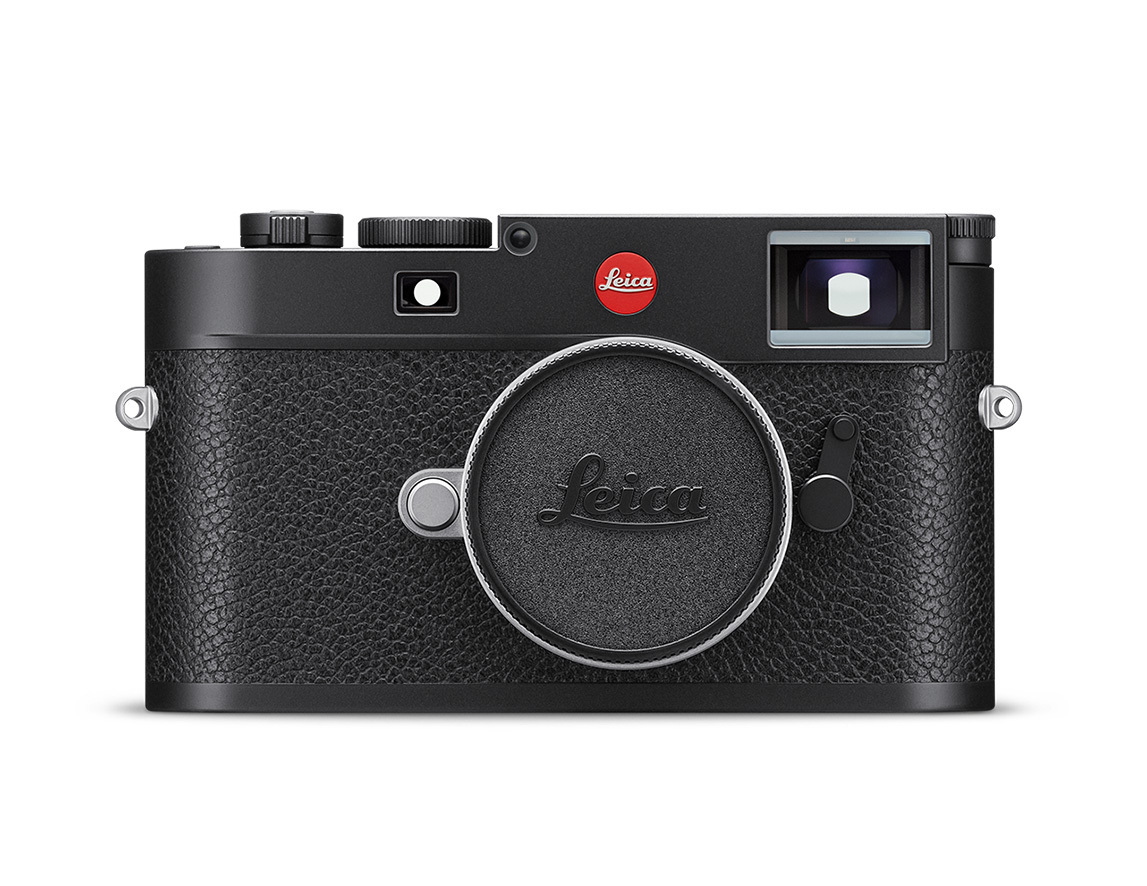
1. Cost Efficiency
One of the most significant impacts of digital cameras is the cost efficiency they offer. Traditional film cameras required expensive film stock, processing, and editing, whereas digital cameras eliminate these costs. This has enabled independent filmmakers and smaller production companies to create high-quality content at a fraction of the cost.
2. Flexibility and Creativity
Digital cameras provide filmmakers with unprecedented flexibility and creative freedom. With the ability to instantly review footage, adjust settings on the fly, and experiment with different shooting techniques, filmmakers can push the boundaries of storytelling and visual aesthetics. This has led to a wave of innovative and boundary-pushing films that may not have been possible with traditional film cameras.
| Traditional Film Cameras | Digital Cameras |
|---|---|
| Expensive film stock | Cost-efficient storage media |
| Time-consuming editing process | Instant access to footage for editing |
| Limited shooting capacity | Extended recording time and multiple formats |
Future of Digital Filmmaking
The future of digital filmmaking is exciting and full of possibilities. As technology continues to advance, filmmakers are able to push the boundaries of creativity and storytelling in ways that were previously unimaginable.
With the rise of virtual reality (VR) and augmented reality (AR), filmmakers can create immersive experiences that transport audiences into new worlds and perspectives. This technology allows for interactive storytelling and blurs the line between the screen and the viewer.
The Role of Artificial Intelligence
Artificial intelligence (AI) is also playing a significant role in the future of digital filmmaking. AI algorithms can analyze vast amounts of data to help filmmakers make creative decisions, from scriptwriting to editing. AI-driven tools can enhance the filmmaking process and streamline production workflows.
Emerging Technologies
As new technologies such as 5G connectivity and high-resolution displays become more accessible, filmmakers will have even more tools at their disposal to create visually stunning and engaging content. The future of digital filmmaking is bright, with endless possibilities for innovation and storytelling.
FAQ
When did digital cameras become popular in filmmaking?
Digital cameras started becoming popular in filmmaking in the early 2000s. Filmmakers began to recognize the convenience and cost-effectiveness of digital technology compared to traditional film cameras.
What are the advantages of using digital cameras for filmmaking?
Using digital cameras for filmmaking offers several advantages, such as immediate playback of footage, easier editing processes, and the ability to shoot in various lighting conditions. Digital cameras also provide flexibility in post-production and can be more cost-effective in the long run.
How have digital cameras revolutionized the filmmaking industry?
Digital cameras have revolutionized the filmmaking industry by making the process more accessible to a wider range of filmmakers. They have democratized the filmmaking process, allowing independent filmmakers and content creators to produce high-quality videos without the need for expensive equipment.
What was the first digital camera used in filmmaking?
The Sony HDW-F900 was one of the first digital cameras used in filmmaking. It gained popularity for its ability to capture high-definition footage and was used in several notable films, including “Star Wars: Episode II – Attack of the Clones.”

How has the quality of digital cameras for filmmaking improved over the years?
Over the years, the quality of digital cameras for filmmaking has improved significantly. Cameras now offer higher resolutions, improved dynamic range, better low-light performance, and advanced features like slow motion and high frame rates. The advancements in digital camera technology have made it a popular choice for professional filmmakers.



I remember watching films like 'Star Wars: Episode II' and being amazed by the clarity of the digital footage. It was a game changer! I had been used to the grainy look of traditional film. The flexibility that digital cameras provided really has opened up so many creative avenues for filmmakers. It's exciting to think about where technology will take us next.
I remember when we switched from film to digital on our projects. It saved us so much time and money. The instant feedback was a game changer for us!
How do digital cameras really compare in terms of image quality to traditional film cameras? Are there any notable differences?
Digital cameras have come a long way in terms of image quality, often offering higher resolutions and better low-light performance compared to traditional film. However, some filmmakers still prefer the unique look and texture of film.
Can anyone clarify what the first notable film was that used digital cameras extensively? I think it was 'Star Wars' but would love confirmation.
I'm curious about which specific digital cameras filmmakers started using first. Were there any significant early adopters in the industry?
I'm curious about the first digital camera used in filmmaking. The article mentions the Sony HDW-F900, but I wonder what specific films it was used in and how it compared to other cameras at that time.
The Sony HDW-F900 was indeed used in notable films like "Star Wars: Episode II – Attack of the Clones." It was significant for its ability to capture high-definition footage, which was a groundbreaking feature at the time compared to traditional cameras.
Could you explain more about why digital cameras are more cost-effective than traditional film cameras?
Digital filmmaking has really opened up opportunities for indie filmmakers. It's exciting to see so many new voices in the industry now!
Can someone clarify how the editing process differs between digital and traditional film? The article mentions digital makes it easier, but I'd like to know more about the specific steps that are simplified with digital cameras.
In digital filmmaking, editing is primarily done using software where footage can be easily imported, cut, and arranged. Unlike film, which requires physical reels and can be time-consuming to splice and edit, digital footage can be accessed instantly. You can also use effects, color grading, and sound editing all in one platform, which speeds up the workflow significantly.
I remember the first time I shot a short film with a digital camera back in 2005. It was a huge change from using film. Being able to see the footage immediately really helped me adjust on the spot. I think it made the entire process less stressful and way more enjoyable!
Thanks for sharing your experience! Instant playback indeed makes a significant difference in the filmmaking process, allowing creators to make real-time adjustments.
When exactly did filmmakers start using digital cameras? I know it was around the early 2000s, but were there any specific films that marked this transition?
Digital cameras began to gain traction in filmmaking in the early 2000s, with notable films like "Star Wars: Episode II – Attack of the Clones" using the Sony HDW-F900. This camera helped demonstrate the potential of digital filmmaking.
I disagree that digital cameras are always more cost-effective. While they reduce film costs, the initial investment for high-quality digital equipment can be pretty steep. Plus, software for editing can add to the expenses.
You raise a valid point! While digital cameras can reduce ongoing costs, the initial investment and software can be significant for filmmakers, especially for those just starting out.
I remember when digital cameras first started to appear. I was working on a low-budget indie film, and we decided to use a digital camera instead of film. The instant playback was a game-changer! We could adjust our shots on the fly, something we couldn't do with film. It made a huge difference in our workflow and creativity.
When did filmmakers first start seriously using digital cameras? I heard it was around the early 2000s, but I'd like to know more about the transition.
That's correct! The early 2000s marked a significant shift as filmmakers began adopting digital cameras for their projects, recognizing the benefits such as cost savings and immediate feedback.
While I see the benefits of digital filmmaking, I believe traditional film still offers a quality that's hard to replicate. Digital might be cheaper and faster, but nothing beats the texture and feel of film for certain types of projects. Anyone else feel that way?
What were some of the first films to use digital cameras? I'm curious about how they compared to traditional films.
I remember the first time I used a digital camera for a short film project back in 2005. It was such a game-changer! We could instantly see our footage and make adjustments right away. The whole process felt so much more creative compared to dealing with film reels. Has anyone else experienced this?
I think while digital cameras have their benefits, nothing really beats the look of traditional film. There's a warmth and texture that digital often lacks.
I still think film has a certain quality that digital can't replicate. There's a depth and texture in film that just feels more authentic to me.
That's a valid perspective! Many filmmakers appreciate the unique characteristics of film. Both mediums offer distinct qualities that can enhance storytelling in different ways.
Digital cameras really did democratize filmmaking. Independent filmmakers can now tell their stories without breaking the bank.
It’s interesting how digital filmmaking has made it so much cheaper for filmmakers. More stories can be told now!
Switching to digital has been a game-changer for my projects. I used to spend so much on film stock and processing. Now, I can shoot and edit everything on my laptop, which saves a lot of time and money. It's also nice to see the footage right away!
How do the costs of digital cameras compare to traditional film cameras nowadays? Are there still significant differences in budget?
Digital cameras have definitely reduced overall costs due to no film or processing fees. However, high-end digital cameras can still be quite pricey.
Did the article mention when the first digital cameras were actually used in feature films? I missed that part.
The article mentions that digital cameras started being popular in filmmaking in the early 2000s, with the Sony HDW-F900 being one of the first used in notable films like 'Star Wars: Episode II – Attack of the Clones.'
You mentioned VR and AR in the future of filmmaking. How exactly are these technologies being integrated into digital filmmaking?
Great question! VR and AR are being used to create immersive experiences, allowing audiences to engage with stories in new ways, like interactive narratives and 360-degree videos.
I disagree with the point that digital cameras are universally better. Sure, they’re more cost-effective and flexible, but there’s something about the texture and aesthetic of film that digital can't replicate. Some filmmakers still prefer the traditional approach for its artistic qualities.
That’s a fair point! Film has its own unique feel that many still love. It really depends on the project and the vision of the filmmaker.
When exactly did digital cameras start to replace film cameras in the industry? I know it began in the late 90s, but what was the tipping point?
I think the release of the Sony HDW-F900 was a big turning point. It was one of the first to really make waves for high-definition digital filmmaking.
You're right! The HDW-F900 was indeed a pioneer. Its use in major films helped to showcase the potential of digital cameras, leading to broader acceptance in the early 2000s.
While digital cameras are great, I feel like they sometimes lack the depth and richness of traditional film. There’s just something special about shooting on film that digital hasn’t quite captured.
I get what you're saying, but I think digital has its own charm. The flexibility and ease of editing really open up new creative avenues that film can’t match.