
 Carmen J. Moore

Surveillance cameras have come a long way since their inception, evolving from analog to digital technology. The transition to digital surveillance cameras marked a significant milestone in the field of security and monitoring. But when exactly did surveillance cameras make the leap to digital?
In the early 2000s, the shift from analog to digital surveillance cameras began to gain momentum. Digital cameras offered higher resolution, improved image quality, and advanced features such as remote access and video analytics. This transition revolutionized the way surveillance systems were deployed and managed, providing users with more flexibility and control over their security infrastructure.
The Evolution of Surveillance Cameras
Surveillance cameras have come a long way since their inception. The earliest forms of surveillance cameras date back to the 1940s, when closed-circuit television (CCTV) systems were first used for monitoring purposes.
However, it wasn’t until the late 1990s and early 2000s that surveillance cameras began to go digital. This shift from analog to digital technology revolutionized the surveillance industry, allowing for higher quality images, easier storage and retrieval of footage, and more advanced features such as motion detection and remote access.




Today, digital surveillance cameras are the norm, with many systems offering HD resolution, night vision capabilities, and even integration with smart home technology. The evolution of surveillance cameras continues, with advancements in artificial intelligence, facial recognition, and cloud-based storage shaping the future of surveillance technology.
Transition to Digital Era
In the late 1990s and early 2000s, surveillance cameras began to transition from analog to digital technology. This shift marked a significant advancement in the field of video surveillance, as digital cameras offered higher image resolution, better storage options, and improved connectivity. With the emergence of digital cameras, surveillance systems became more efficient, reliable, and cost-effective.
One of the key advantages of digital surveillance cameras was the ability to easily store and retrieve large amounts of video data. Digital cameras could record footage directly to digital storage devices, such as hard drives or memory cards, eliminating the need for physical tapes. This made it easier for authorities to review and analyze video footage quickly and efficiently.
The transition to digital technology also enabled surveillance cameras to integrate with other security systems, such as access control systems and alarms. This integration allowed for more comprehensive and automated security solutions, enhancing overall safety and protection.
Overall, the shift to digital surveillance cameras revolutionized the industry, paving the way for more advanced and sophisticated surveillance technologies that continue to evolve to this day.

Digital Revolution in Surveillance
The digital revolution in surveillance began in the late 1990s with the introduction of digital video recorders (DVRs) and IP cameras. These technologies replaced analog video surveillance systems, offering higher resolution, better image quality, and more advanced features.
Surveillance cameras started going digital around 1999 when the first IP cameras were introduced. These cameras digitized the video signal and transmitted it over computer networks, allowing for remote access and monitoring. The shift towards digital surveillance accelerated in the early 2000s as the technology improved and became more affordable.
Today, digital surveillance systems are the norm, with high-definition IP cameras, cloud storage, and advanced analytics capabilities. The transition to digital has revolutionized the surveillance industry, making it more efficient, cost-effective, and powerful than ever before.
Impact on Security Industry
The shift to digital surveillance cameras has revolutionized the security industry in many ways. One of the key impacts is the enhanced quality of footage and images captured by digital cameras. The higher resolution and clarity offered by digital cameras have significantly improved the ability to identify individuals and incidents in surveillance footage.
Additionally, digital surveillance cameras have enabled advanced features such as motion detection, facial recognition, and remote monitoring. These features have made surveillance systems more effective and efficient, allowing for real-time alerts and better overall security management.
Furthermore, the transition to digital cameras has led to the development of sophisticated video analytics software, which can analyze footage for patterns, anomalies, and trends. This has empowered security professionals to proactively prevent incidents and respond quickly to threats.
Overall, the adoption of digital surveillance cameras has elevated the capabilities of the security industry, providing greater protection, improved monitoring, and enhanced situational awareness.
Advantages of Digital Cameras
Digital cameras offer numerous advantages over traditional analog cameras. Some of the key benefits include:
- Convenience: Digital cameras allow for instant viewing of captured images, eliminating the need for film processing.
- Quality: Digital cameras offer higher resolution and image quality compared to analog cameras.
- Editing: Digital images can be easily edited, cropped, and enhanced using various software tools.
- Storage: Digital photos can be stored and organized on various devices, including computers, external drives, and cloud services.
- Sharing: Digital photos can be easily shared online through social media platforms, email, and messaging apps.
- Cost: While digital cameras may have higher upfront costs, the overall cost of capturing and storing images is typically lower than with analog cameras.
Enhanced Monitoring Capabilities
With the transition to digital surveillance cameras, monitoring capabilities have been significantly enhanced. Digital cameras offer higher image quality, allowing for clearer and more detailed footage. This improved image resolution enables easier identification of individuals, objects, and events captured on camera.
Advanced Analytics
Digital surveillance cameras also support advanced analytics features, such as facial recognition, object detection, and license plate recognition. These analytics tools can help security personnel quickly analyze vast amounts of video footage, identify potential threats, and take appropriate action in real-time.

Furthermore, digital cameras often come equipped with remote monitoring capabilities, allowing users to access live or recorded footage from anywhere with an internet connection. This remote access enables security teams to monitor multiple locations simultaneously and respond promptly to any security incidents.
Integration with AI Technology
With the shift to digital surveillance cameras, the integration with AI technology has become increasingly prevalent. AI technology allows for advanced analytics and automation, making surveillance systems more efficient and effective.
Enhanced Analytics
AI-powered surveillance cameras can analyze video footage in real-time, automatically detecting and alerting security personnel to potential threats. This capability significantly reduces response times and improves overall security.
Automation and Smart Alerts
AI technology enables surveillance systems to automate tasks such as tracking suspicious individuals or vehicles, reducing the need for constant human monitoring. Smart alerts can be generated for specific events, allowing security teams to focus on critical issues.
Data Storage and Retrieval
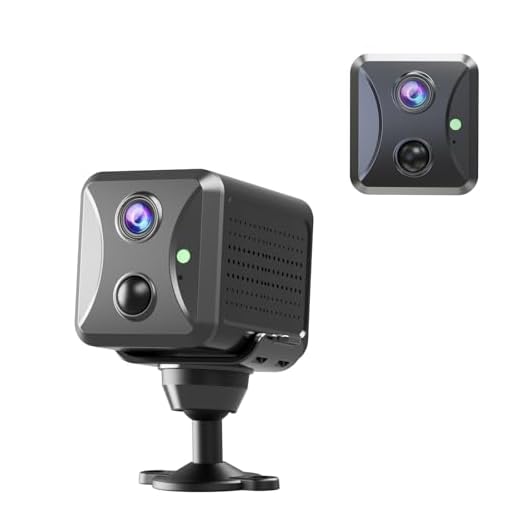
With the shift to digital surveillance cameras, there was a significant change in how data was stored and retrieved. Digital cameras store footage in electronic format, allowing for more efficient storage and easier retrieval compared to analog systems. The data captured by digital cameras is typically stored on hard drives, network-attached storage (NAS) devices, or cloud storage solutions.
Storage Methods
Digital surveillance systems offer various storage options, including on-premises servers, external hard drives, and cloud-based storage services. Each method has its own advantages and considerations, such as cost, scalability, and security.
On-premises servers: Many organizations choose to store surveillance footage on dedicated servers located on-site. This allows for quick access to video data and provides complete control over storage management.
External hard drives: Some smaller businesses or homeowners opt for external hard drives to store surveillance footage. While cost-effective, this method may not offer the same level of reliability and scalability as other storage solutions.
Retrieval Process
Retrieving footage from digital surveillance cameras is typically done through software interfaces provided by the camera manufacturer or third-party vendors. Users can search for specific events, timestamps, or areas of interest to quickly retrieve and review footage. Advanced search capabilities, such as motion detection or facial recognition, can further streamline the retrieval process.
Privacy Concerns and Regulations
With the shift to digital surveillance cameras, privacy concerns have become a major issue. The ability to capture, store, and analyze high-resolution video data has raised questions about the potential invasion of privacy for individuals being monitored.
As a result, many countries and regions have implemented regulations and laws to protect the privacy of citizens in the face of increasing surveillance technology. These regulations often govern how surveillance cameras can be used, where they can be placed, and how long data can be stored.
One example is the General Data Protection Regulation (GDPR) in the European Union, which sets strict guidelines for the collection and processing of personal data, including video recordings.
Future Trends in Surveillance Technology
The field of surveillance technology is constantly evolving, with new innovations and trends emerging all the time. Some of the future trends in surveillance technology include:
- Artificial Intelligence (AI) integration for advanced analytics and facial recognition.
- Increased use of drones for aerial surveillance and monitoring.
- Enhanced data encryption and cybersecurity measures to protect sensitive information.
- Integration of Internet of Things (IoT) devices for seamless connectivity and data sharing.
- Development of smart surveillance systems that can automatically detect and respond to suspicious activities.
As technology continues to advance, we can expect to see even more sophisticated and efficient surveillance systems that improve security and safety in various environments.
FAQ
When did surveillance cameras go digital?
Surveillance cameras started going digital in the late 1990s. This shift from analog to digital technology allowed for higher resolution, better image quality, and easier storage and retrieval of footage.
What benefits do digital surveillance cameras offer compared to analog ones?
Digital surveillance cameras offer several benefits over analog cameras, including higher resolution, better image quality, easier storage and retrieval of footage, remote access to live feeds, and the ability to integrate with other digital systems.

How has the digitalization of surveillance cameras impacted the security industry?
The digitalization of surveillance cameras has revolutionized the security industry by providing more advanced and efficient ways to monitor and protect properties. It has increased the effectiveness of surveillance systems, improved security measures, and made it easier for authorities to investigate incidents.
What are some key features to consider when choosing a digital surveillance camera?
When choosing a digital surveillance camera, key features to consider include resolution (measured in pixels), field of view, night vision capability, weather resistance, remote access options, storage capacity, motion detection, and compatibility with other security systems.




I've been in the security industry for over a decade and saw firsthand how digital cameras changed everything. The clarity of images is incredible compared to analog systems. Plus, the ability to access footage remotely has been a game changer for monitoring multiple sites.
I think the benefits of digital cameras are often overstated. Analog systems worked fine for years, and some people still prefer them for simplicity.
When exactly did the transition from analog to digital cameras start? Was it around the same time as the introduction of DVRs in the late 1990s?
Digital cameras are definitely more convenient, especially with cloud storage options. It's nice not to worry about running out of tape!
Could you explain how the integration with AI technology improves security? I'm curious about how that works in real-life scenarios.
AI integration allows cameras to analyze video in real time, detecting threats automatically. This leads to faster responses and reduces manual monitoring.