
 Carmen J. Moore

Digital cameras have revolutionized the way we capture and store images. Understanding how pictures are stored in these devices is essential for anyone interested in photography or technology.



When you press the shutter button on a digital camera, the image sensor captures the scene as an electronic signal. This signal is then processed and stored in a digital format on a memory card inside the camera.
Most digital cameras use memory cards like SD cards or CF cards to store images. These cards are small, portable, and have a large storage capacity, allowing photographers to capture hundreds or even thousands of pictures without running out of space.
Understanding Digital Camera Image Storage
When you take a picture with a digital camera, the image is stored as digital data on a memory card. The data is typically saved in a file format such as JPEG, RAW, or TIFF.
Memory cards come in different capacities, ranging from a few gigabytes to several terabytes. The size of the memory card determines how many pictures you can store on it.
Some digital cameras also have internal storage, which allows you to store images directly on the camera itself. However, most photographers prefer using memory cards for their convenience and flexibility.

It’s important to regularly transfer your images from the memory card to a computer or external storage device to ensure they are safely backed up. This helps prevent the loss of your precious memories in case the memory card gets lost or corrupted.
Understanding how images are stored in digital cameras is essential for managing and preserving your photographic work effectively.
Overview of Image Storage in Digital Cameras
When you take a photo with a digital camera, the image data is stored on a memory card inside the camera. The memory card acts as the storage medium for the photos you capture, and it comes in various capacities ranging from a few gigabytes to several terabytes.
Most digital cameras use common memory card formats such as Secure Digital (SD), CompactFlash (CF), or Memory Stick. These memory cards are removable and allow you to easily transfer photos from your camera to a computer or other devices for viewing or sharing.
Images are typically stored in a compressed format such as JPEG or RAW to reduce file size and maximize storage capacity. JPEG is a widely used format that offers a good balance between image quality and file size, making it ideal for everyday photography. RAW format, on the other hand, preserves all the original image data captured by the camera sensor, providing higher quality but larger file sizes.
Some high-end digital cameras also offer the option to store images in other formats such as TIFF or PNG for maximum image quality and flexibility in post-processing. These formats are less common but are preferred by professional photographers who demand the highest level of image quality.
Overall, the storage capabilities of digital cameras have evolved significantly over the years, allowing photographers to capture and store a large number of high-quality images without worrying about running out of space. The advancements in memory card technology have made it easier than ever to store, manage, and transfer digital photos with ease.
Types of Image File Formats
When it comes to storing images in digital cameras, different file formats are used to encode and compress the image data. Some of the most common image file formats include:
- JPEG (Joint Photographic Experts Group): JPEG is one of the most widely used image file formats. It uses lossy compression to reduce the file size while maintaining a decent level of image quality. JPEG files are great for photographs and web graphics.
- PNG (Portable Network Graphics): PNG is a popular lossless image format that supports transparency and is commonly used for web graphics. PNG files are larger in size compared to JPEG but offer higher quality and support for transparent backgrounds.
- GIF (Graphics Interchange Format): GIF is a widely supported image format that supports animations and transparency. It uses lossless compression, making it suitable for images with a limited color palette, such as logos and icons.
Other Image File Formats:
- BMP (Bitmap): BMP is a standard image format that stores graphics as pixel-by-pixel data. It is widely supported but results in larger file sizes compared to compressed formats like JPEG.
- TIFF (Tagged Image File Format): TIFF is a versatile image format that supports lossless compression and is commonly used for high-quality prints and archival purposes.
Memory Cards and Storage Capacity
Digital cameras store pictures on memory cards, which are small, portable storage devices. Memory cards come in various formats, such as SD, microSD, CompactFlash, and Memory Stick. The storage capacity of a memory card determines how many pictures you can store on it. The capacity is measured in gigabytes (GB), with higher capacity cards allowing you to store more photos. When choosing a memory card for your digital camera, consider the resolution of your photos and how many pictures you typically take to ensure you have enough storage space. It’s also important to regularly transfer your photos to a computer or external hard drive to free up space on your memory card.
Compression Techniques for Image Storage
When images are stored in digital cameras, compression techniques are often employed to reduce the size of the image files without compromising image quality. There are two main types of image compression techniques:
| Lossy Compression | Lossy compression techniques reduce file size by discarding some image data. This can result in a loss of image quality, especially when the compression ratio is high. Common lossy compression algorithms include JPEG (Joint Photographic Experts Group) and MPEG (Moving Picture Experts Group). |
| Lossless Compression | Lossless compression techniques reduce file size without any loss of image quality. These techniques work by finding and eliminating redundant data in the image file. Examples of lossless compression algorithms include PNG (Portable Network Graphics) and GIF (Graphics Interchange Format). |
Choosing the right compression technique depends on the specific requirements of the image storage and usage. Lossy compression is suitable for applications where a smaller file size is more important than image quality, while lossless compression is preferred when preserving image quality is crucial.
Internal vs. External Memory Storage
When it comes to storing pictures in digital cameras, there are two main types of memory storage: internal and external. Each type has its own advantages and considerations.
Internal Memory
Digital cameras typically come with built-in internal memory that allows you to store a certain number of photos directly on the camera. The amount of internal memory varies depending on the camera model, but it is generally limited compared to external memory options. Internal memory is convenient as you don’t need to purchase additional storage cards, but it may fill up quickly if you take many high-resolution photos.
External Memory (Memory Cards)
External memory, in the form of memory cards, provides additional storage space for your digital camera. Memory cards come in various capacities, such as 16GB, 32GB, 64GB, and more, allowing you to store a large number of photos. Memory cards are removable and can be easily swapped out or upgraded, providing flexibility for photographers who need to store a large volume of images. However, external memory cards can be lost or damaged, so it’s essential to handle them with care.
Transfer and Backup Options for Image Files
After capturing photos with a digital camera, it’s essential to transfer and back up the image files to ensure their safety and accessibility. Here are some common options:

1. USB Cable: One of the simplest ways to transfer images is by connecting the camera to a computer using a USB cable. This allows you to directly copy the files to your computer’s storage.
2. Memory Card Reader: Another method is to remove the memory card from the camera and insert it into a card reader connected to the computer. This enables quick and easy file transfer.
3. Cloud Storage: Uploading your images to cloud storage services like Google Drive, Dropbox, or iCloud provides a convenient way to back up your files and access them from any device.
4. External Hard Drive: Transferring image files to an external hard drive offers a physical backup solution, ensuring your photos are stored safely in case of computer failure.
5. Online Backup Services: Utilizing services like Backblaze or Carbonite automatically back up your image files online, providing an additional layer of protection against data loss.
Security and Data Protection Measures
When it comes to storing pictures in digital cameras, security and data protection are essential aspects to consider. Camera manufacturers implement various measures to ensure the safety of your photos:
Encryption
Many cameras use encryption techniques to protect the data stored on the memory card. This ensures that even if the memory card is removed from the camera, the data remains secure and inaccessible without the proper encryption key.
Password Protection
Some cameras allow users to set up password protection to restrict access to the stored photos. This adds an extra layer of security and prevents unauthorized users from viewing or deleting your pictures.
Future Trends in Image Storage Technology
As digital cameras continue to evolve, the future of image storage technology is promising. Here are some potential trends to watch out for:
| 1. Cloud Storage | With the increasing availability of high-speed internet connections, cloud storage will likely become a popular option for storing images. This will allow users to access their photos from anywhere and easily share them with others. |
| 2. Solid-State Drives (SSDs) | SSDs offer faster read and write speeds compared to traditional hard drives, making them an attractive option for storing large image files. As SSD technology continues to improve and prices decrease, more cameras may start using SSDs for image storage. |
| 3. High-Efficiency Image Formats | New image formats, such as HEIF (High-Efficiency Image Format), are designed to provide better image quality at smaller file sizes. As these formats gain popularity, they may become the standard for storing images in digital cameras. |
| 4. Blockchain Technology | Blockchain technology can be used to securely store and manage digital assets, including images. In the future, cameras may integrate blockchain technology to ensure the authenticity and ownership of photos. |
FAQ
How are images stored in digital cameras?
Digital cameras store images using a memory card, which is similar to a small, removable hard drive. The images are saved as digital files on the memory card, typically in formats such as JPEG or RAW.

What is the role of memory cards in storing pictures in digital cameras?
Memory cards in digital cameras serve as the storage medium where images are saved. They come in different capacities and speeds, allowing users to store a large number of photos and videos on their cameras.
Can pictures be transferred from a digital camera to a computer?
Yes, pictures can be easily transferred from a digital camera to a computer using a USB cable or a memory card reader. Once connected, the computer can access the images stored on the camera’s memory card and copy them over for viewing, editing, or sharing.


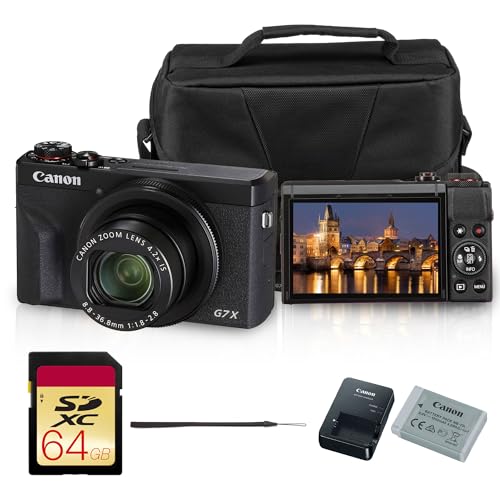
How do I know which type of memory card works best for my camera? Is there a specific brand that's recommended for reliability?
When choosing a memory card, check your camera's specifications for compatible formats like SD or CF. Brands like SanDisk and Lexar are often recommended for their reliability and speed.
Can someone explain the difference between JPEG and RAW image formats? Why would I choose one over the other?
JPEG files are compressed and smaller, making them perfect for everyday use, while RAW files retain all the image data, offering better quality for editing. If you plan to do extensive post-processing, RAW is the way to go.
I disagree with the idea that internal memory is too limited to be useful. I find it quite convenient for quick shots when I'm out without my card. It might not hold as many photos, but it’s great for spontaneous moments!
That's a valid point! Internal memory can be very handy for quick captures, especially if you're in a pinch. It just depends on how often you shoot and your storage needs.
I recently learned that transferring images to an external hard drive is crucial for avoiding data loss. Has anyone had issues with corrupted memory cards?
I've been using a 64GB SD card in my DSLR for a while now, and it's been perfect for storing my images. I usually shoot in RAW and have never run out of space during a shoot. I do remember once forgetting to transfer my photos before a trip, which was nerve-wracking! Now I make sure to back up regularly after every session.