
 Carmen J. Moore

Digital cameras have revolutionized the way we capture and perceive the world around us. These devices are equipped with sensors that can detect light in various wavelengths, allowing them to capture images in a wide range of colors. But what exactly are the color spectrums that digital cameras can see?
Understanding the color capabilities of digital cameras is essential for photographers and enthusiasts who want to harness the full potential of their equipment. From visible light to infrared and ultraviolet, digital cameras can capture a diverse array of colors that are beyond the human eye’s perception.
By delving into the fascinating world of color spectrums, we can uncover the hidden beauty that lies beyond the visible spectrum. Join us on a journey to explore the remarkable capabilities of digital cameras in capturing the rich tapestry of colors that surround us.

Understanding the Color Spectrum of Digital Cameras
Digital cameras are capable of capturing a wide range of colors thanks to their advanced technology. The color spectrum that digital cameras can see is determined by the sensors and filters used in the camera.
Most digital cameras can see the visible light spectrum, which includes colors ranging from red to violet. This range of colors is what the human eye can see as well. However, digital cameras can sometimes capture colors beyond the visible spectrum, such as ultraviolet or infrared light, depending on the camera’s capabilities.
Color accuracy in digital cameras is achieved through the use of color filters and calibration processes. These filters help the camera sensor distinguish between different colors and reproduce them accurately in the final image. White balance settings also play a crucial role in ensuring accurate color representation in photos.
Understanding the color spectrum of digital cameras can help photographers make informed decisions when capturing images and adjusting settings to achieve the desired color accuracy and vibrancy in their photos.
Visible Light Spectrum Explained
The visible light spectrum is the range of electromagnetic radiation that is visible to the human eye. It is a small portion of the larger electromagnetic spectrum that includes radio waves, microwaves, infrared, ultraviolet, X-rays, and gamma rays. The visible light spectrum is divided into different colors, each with a specific wavelength and frequency.

Colors of the Visible Light Spectrum
The colors of the visible light spectrum, in order of increasing frequency and decreasing wavelength, are red, orange, yellow, green, blue, indigo, and violet. These colors correspond to different ranges of wavelengths, with red having the longest wavelength and lowest frequency, while violet has the shortest wavelength and highest frequency.
| Color | Wavelength Range | Frequency Range |
|---|---|---|
| Red | 620-750 nm | 400-484 THz |
| Orange | 590-620 nm | 484-508 THz |
| Yellow | 570-590 nm | 508-526 THz |
| Green | 495-570 nm | 526-606 THz |
| Blue | 450-495 nm | 606-668 THz |
| Indigo | 420-450 nm | 668-714 THz |
| Violet | 380-420 nm | 714-789 THz |
Infrared Light Detection Capability
One of the unique capabilities of digital cameras is their ability to detect infrared light. While our eyes cannot see infrared light, digital cameras can capture images in this spectrum using special sensors. This allows photographers to explore a whole new world of photography, capturing stunning images that reveal details not visible to the naked eye.
Ultraviolet Light Sensitivity in Cameras
Most digital cameras are not designed to capture ultraviolet (UV) light, as the camera sensors typically have a UV filter to block out UV rays. This filter helps improve the image quality by reducing the impact of UV light on the final image.
However, some specialized cameras or modified cameras can be sensitive to UV light. These cameras are often used in scientific research, forensic analysis, or artistic photography to capture unique images that are not visible to the human eye.
Full Spectrum Imaging Technology
Full Spectrum Imaging is a cutting-edge technology that allows digital cameras to capture a broader range of colors than traditional cameras. By removing the infrared blocking filter, these cameras can capture light across the entire spectrum, from ultraviolet to infrared. This technology enables photographers to create stunning images with vibrant colors and rich details that are not visible to the naked eye.
The Benefits of Full Spectrum Imaging:
1. Enhanced color accuracy: Full Spectrum cameras can capture a wider range of colors, resulting in more accurate and lifelike images.
2. Creative possibilities: With Full Spectrum Imaging, photographers can experiment with different light sources and filters to create unique and artistic photos.
Overall, Full Spectrum Imaging technology opens up a whole new world of creative possibilities for photographers and allows them to push the boundaries of traditional photography.
Color Filters in Digital Cameras
Color filters play a crucial role in how digital cameras capture and reproduce colors. These filters are placed in front of the camera sensor to allow only specific colors of light to pass through, while blocking others. The most common color filter array used in digital cameras is the Bayer filter, which consists of red, green, and blue color filters arranged in a pattern over the sensor.
The Bayer filter works by assigning each pixel on the sensor to one of the three primary colors – red, green, or blue. When light enters the camera, it is filtered through these color filters, and the camera then interpolates the missing color information to create a full-color image. This process allows digital cameras to capture a wide range of colors visible to the human eye.
White Balance and Color Accuracy
White balance is a crucial aspect of digital photography as it ensures accurate color reproduction in your images. Digital cameras have settings for adjusting white balance to match the lighting conditions of the scene, such as daylight, cloudy, tungsten, fluorescent, etc.
Proper white balance helps in achieving natural-looking colors and accurate skin tones in your photos. It is essential to adjust the white balance setting to get the right color temperature and avoid color casts in your images.
Color accuracy is another important factor in digital photography. Digital cameras capture colors based on the RGB (Red, Green, Blue) color model. The accuracy of color reproduction depends on the sensor’s ability to capture and process colors correctly.
Factors like sensor quality, image processing algorithms, and lens characteristics play a crucial role in determining color accuracy in digital cameras. Higher-end cameras tend to have better color accuracy due to advanced sensor technology and image processing capabilities.
RGB Color Model in Image Processing
The RGB color model is a key concept in digital image processing. RGB stands for Red, Green, and Blue, which are the primary colors used to create a wide range of colors in digital images. In this model, each pixel in an image is represented by three values corresponding to the intensity of red, green, and blue light. By combining different intensities of these three colors, digital cameras can capture and display a vast spectrum of colors.

How RGB Works
In the RGB color model, each color channel (red, green, blue) is typically represented by an 8-bit value, which means there are 256 possible intensity levels for each color. By varying the intensity of each color channel, different colors can be created. For example, combining full intensity red and green light results in yellow, while mixing all three colors at full intensity produces white.
- Red: 255, 0, 0
- Green: 0, 255, 0
- Blue: 0, 0, 255
By adjusting the values of red, green, and blue for each pixel in an image, digital cameras can accurately capture and reproduce colors that are visible to the human eye. This RGB color model forms the basis for color representation in digital imaging and is widely used in various applications, including photography, graphic design, and computer vision.
Color Depth and Dynamic Range
Color Depth: Digital cameras are capable of capturing images with a certain level of color depth, which refers to the range of colors that can be represented in an image. The color depth of a camera is typically measured in bits per channel, with common values being 8-bit (256 colors), 10-bit (1024 colors), or 12-bit (4096 colors). A higher color depth allows for more accurate and detailed color reproduction in images.
Dynamic Range: Dynamic range refers to the range of tones from the darkest to the brightest that a camera can capture in a single image. Cameras with a higher dynamic range can capture more details in shadows and highlights, resulting in more balanced and realistic images. This is particularly important in high-contrast lighting conditions where a wide dynamic range is essential for preserving details in both bright and dark areas of an image.
Color Gamut and Color Spaces
Color gamut refers to the range of colors that a device can capture, display, or reproduce. Digital cameras are designed to capture a wide range of colors, but the actual colors they can see depend on the sensor and image processing capabilities.
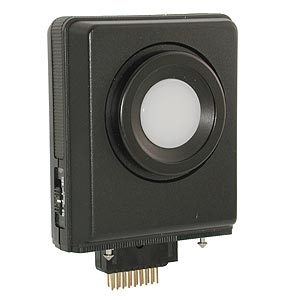
Color spaces, on the other hand, define the specific colors that can be represented within a given color gamut. Common color spaces include sRGB, Adobe RGB, and ProPhoto RGB. These color spaces determine the range of colors that can be displayed on different devices and platforms.
Impact of Color Spectrum on Image Quality
Color spectrum plays a crucial role in determining the quality of images captured by digital cameras. Different color spectrums can affect the overall appearance, vibrancy, and accuracy of the captured images.
When a digital camera can capture a wide range of color spectrums, it can reproduce colors more accurately and vividly in the captured images. Cameras with a limited color spectrum may result in less vibrant and accurate color reproduction.
Moreover, the color spectrum also affects the dynamic range of an image. A wider color spectrum allows for better differentiation between different shades and tones, resulting in a more detailed and visually appealing image.
| Color Spectrum | Impact on Image Quality |
|---|---|
| Wide Spectrum | Enhanced color accuracy and vibrancy |
| Limited Spectrum | Reduced color accuracy and vibrancy |
FAQ
What are the main color spectrums that digital cameras can see?
Digital cameras are designed to capture the visible light spectrum, which includes colors from violet to red. This spectrum ranges from approximately 380 nanometers (violet) to 700 nanometers (red).

Can digital cameras see infrared or ultraviolet light?
Most digital cameras are not sensitive to infrared or ultraviolet light, as they are equipped with filters that block these wavelengths. However, specialized cameras can be modified to capture these invisible spectrums for specific applications.
How do digital cameras capture color information?
Digital cameras use an image sensor made up of millions of tiny light-sensitive pixels to capture color information. Each pixel measures the intensity of red, green, and blue light, which are combined to create a full-color image. This process is known as the RGB color model.


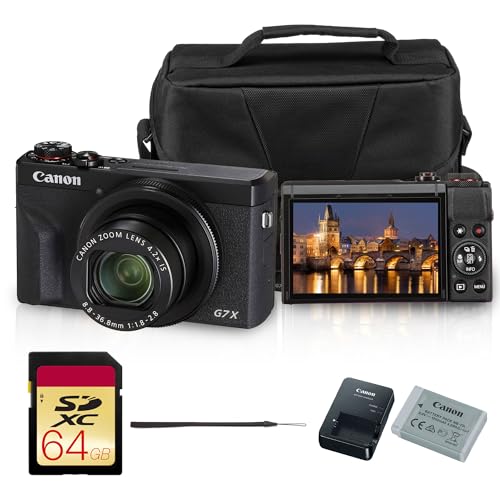
I don’t agree that higher-end cameras automatically mean better color accuracy. I’ve seen some lower-priced models perform surprisingly well in certain lighting conditions.
I think understanding white balance is key for any photographer. I used to struggle with color accuracy until I learned how to adjust it properly.
Can you explain how color filters affect the image quality? I always thought they just changed the colors but maybe there's more to it?
For beginners, what settings should one focus on to improve color accuracy in their photos? Any specific tips?
Start by experimenting with white balance settings based on your lighting conditions. Also, using RAW format can help retain more color information for post-processing.
I've used a full spectrum camera for landscape photography and it really opened up my eyes to colors I hadn't noticed before. The vibrancy in the images is incredible! Just remember to use the right filters depending on what you want to capture.
What specific types of digital cameras are capable of capturing infrared light? Are there certain models you would recommend for someone interested in that kind of photography?
I've heard that some DSLRs can be modified to capture infrared. Do you think it's worth getting a modified camera, or would a dedicated infrared camera be better?