
 Carmen J. Moore

Modern digital cameras have revolutionized the way we capture and store memories. These versatile devices are equipped with a variety of components that work together to produce high-quality images.
Whether you’re a photography enthusiast or simply looking to upgrade your point-and-shoot camera, understanding the basic parts of a digital camera is essential.

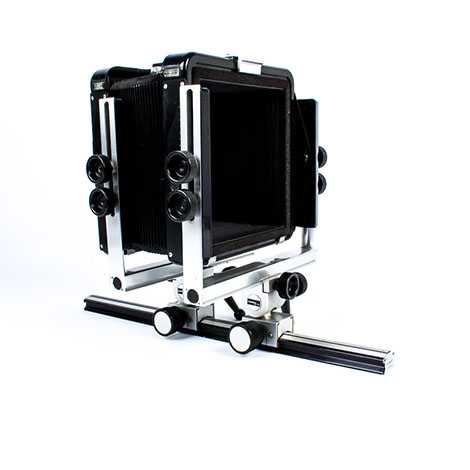
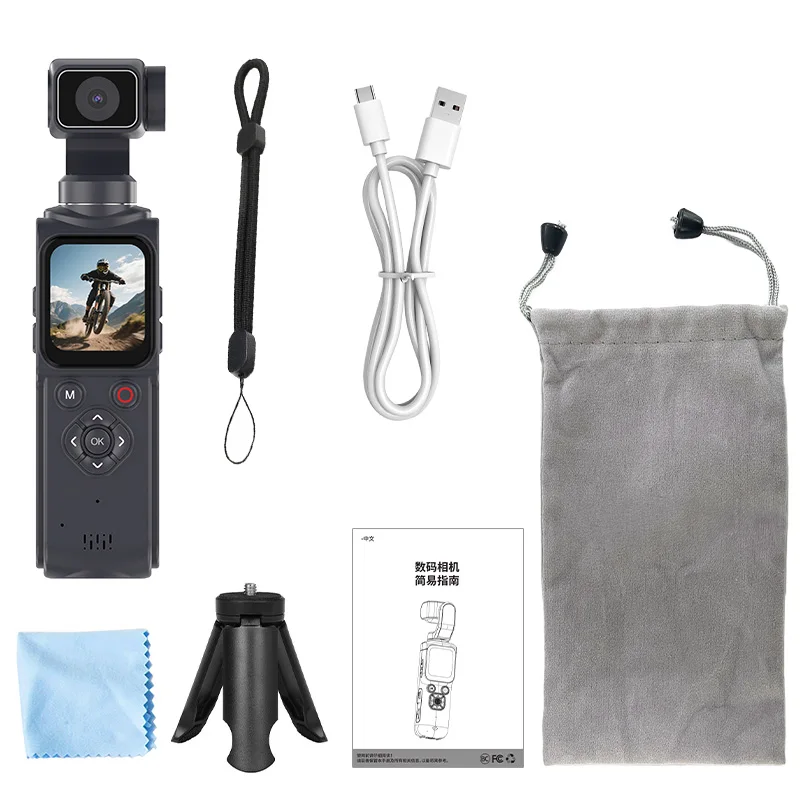

From the lens and sensor to the viewfinder and LCD screen, each component plays a crucial role in the camera’s functionality and overall image quality. Let’s explore the key parts that make up a digital camera and how they work together to create stunning photographs.
The Key Components of a Digital Camera
A digital camera is a complex device that consists of several key components working together to capture and store images. Understanding these components can help you make informed decisions when choosing a camera.
1. Image Sensor
The image sensor is the heart of a digital camera. It converts light into electric signals, which are then processed to create digital images. The two main types of image sensors are CCD (Charge-Coupled Device) and CMOS (Complementary Metal-Oxide-Semiconductor).
2. Lens
The lens of a digital camera focuses light onto the image sensor. It determines the sharpness, clarity, and field of view of the captured images. Different lenses have different focal lengths and apertures, allowing for various shooting styles and effects.
| Component | Description |
|---|---|
| Processor | The processor handles image processing tasks, such as noise reduction, color correction, and image compression. |
| Display | The display allows you to preview and review images, navigate menus, and adjust camera settings. |
| Memory Card | The memory card stores captured images and videos for later transfer to a computer or other device. |
| Battery | The battery powers the camera and allows you to take photos and videos without being tethered to a power source. |
Lens and Image Sensor
The lens and image sensor are two crucial components of a digital camera that work together to capture images. The lens is responsible for focusing incoming light onto the image sensor, which then converts the light into an electronic signal that can be processed and stored as a digital image.

The quality of the lens can significantly impact the sharpness and clarity of the images captured by the camera. A high-quality lens with good optics can produce sharp images with minimal distortion and aberrations.
The image sensor, on the other hand, is the electronic component that captures the light and converts it into a digital signal. There are different types of image sensors, such as CCD (Charge-Coupled Device) and CMOS (Complementary Metal-Oxide-Semiconductor), each with its own strengths and weaknesses.
Together, the lens and image sensor play a crucial role in determining the overall image quality of a digital camera. It is essential to understand how these components work together to capture high-quality images.
Shutter and Aperture
The shutter and aperture are two essential components of a digital camera that work together to control the amount of light that enters the camera and hits the image sensor.
| Shutter: | The shutter is like a curtain that opens and closes to expose the image sensor to light for a specific amount of time. It determines the length of time the light hits the sensor, influencing the exposure of the image. |
| Aperture: | The aperture is the opening in the lens that controls the amount of light passing through to the image sensor. It also affects the depth of field in a photo, determining how much of the image is in focus. |
By adjusting the shutter speed and aperture settings, photographers can achieve the desired exposure and creative effects in their photos.
LCD Screen and Viewfinder
The LCD screen is a crucial component of a digital camera, providing a live preview of the image being captured. It allows photographers to frame their shots, adjust settings, and review photos and videos. The size and resolution of the LCD screen vary among different camera models, with some featuring touchscreens for easier navigation.
The viewfinder, either optical or electronic, offers an alternative way to compose images. Optical viewfinders use mirrors and prisms to show the scene as it appears through the camera lens, while electronic viewfinders display a digital image generated by the camera sensor. Viewfinders are especially useful in bright light conditions where the LCD screen may be difficult to see.
Memory Card and Battery
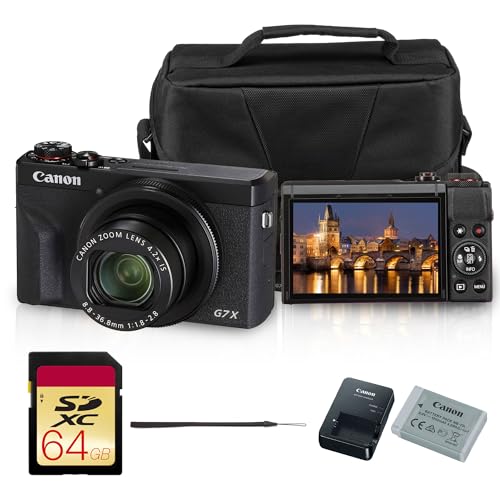
Memory cards are essential components of digital cameras, storing the photos and videos you capture. They come in different formats such as SD, microSD, and CompactFlash, with varying storage capacities. It’s important to choose a memory card that is compatible with your camera and offers sufficient storage space for your needs.
The battery is another crucial part of a digital camera, providing power to operate the device. Depending on the model, cameras may use rechargeable lithium-ion batteries or disposable alkaline batteries. It’s advisable to have spare batteries or a charger on hand to ensure you don’t miss out on capturing moments due to a dead battery.
Camera Body and Controls
When looking at a digital camera, the body and controls play a crucial role in how the camera operates. Here are some basic parts of the camera body and their functions:
- Body: The main structure of the camera that houses all the internal components.
- Lens Mount: The area where the lens attaches to the camera body.
- LCD Screen: The display on the back of the camera that shows you the image you are capturing.
- Viewfinder: An optical or electronic component that allows you to see what the camera is capturing.
- Shutter Button: The button you press to take a photo.
- Mode Dial: A dial that allows you to select different shooting modes, such as manual, aperture priority, or scene modes.
- Control Buttons: Buttons on the camera body that allow you to navigate menus, change settings, and perform other functions.
- Flash: A built-in or detachable flash unit that provides additional light for low-light situations.
Flash and Connectivity Options
Flash: Digital cameras are equipped with a built-in flash that helps illuminate scenes in low-light conditions. The flash can be set to auto mode, manual mode, or turned off depending on the lighting conditions.
Connectivity Options: Digital cameras come with various connectivity options to transfer photos and videos to other devices. Common connectivity options include USB, Wi-Fi, Bluetooth, and NFC. These options make it easy to share and backup your photos and videos.
FAQ
What are the main components of a digital camera?
A digital camera consists of several main components: a lens, an image sensor, a processor, a display screen, and storage media. The lens captures light and focuses it onto the image sensor, which converts the light into digital signals. The processor processes the digital signals to create a final image, which is then displayed on the camera’s screen. The image can be stored on a memory card or internal storage.
Can you explain the role of the image sensor in a digital camera?
The image sensor in a digital camera plays a crucial role in capturing light and converting it into digital signals. The sensor is made up of millions of tiny light-sensitive pixels that record the intensity and color of the light that hits them. This data is then processed by the camera’s processor to create a digital image. The quality and size of the image sensor can greatly affect the image quality and performance of a digital camera.



I remember when I first bought my DSLR. Understanding the aperture and shutter speed took some time, but it really changed how I approached photography. Once I got the hang of it, my photos improved dramatically. I think knowing how these components interact is key for beginners.
What are the main differences between CCD and CMOS image sensors? I often hear mixed opinions on which is better.
Just a heads up for anyone looking to buy a memory card: make sure it's compatible with your camera and meets your storage needs. I learned that the hard way!
Can someone explain how the mode dial on a camera works? I see different modes but I'm not sure which one to use and when.
The mode dial allows you to select different shooting modes based on your needs. For instance, 'Auto' mode is great for beginners, while 'Manual' gives you full control over exposure settings. Experimenting with these can help you understand which works best for different situations.