
 Carmen J. Moore

Micro Four Thirds digital cameras are a type of mirrorless interchangeable lens camera system that utilizes the Micro Four Thirds standard. This standard was developed by Olympus and Panasonic in 2008, with the goal of creating a smaller and lighter camera system without compromising on image quality.
One of the key characteristics of Micro Four Thirds cameras is their compact size and lightweight design, making them ideal for travel and everyday photography. The name “Micro Four Thirds” refers to the size of the image sensor used in these cameras, which is smaller than the sensors found in traditional DSLR cameras.
Micro Four Thirds cameras offer a wide range of lenses and accessories, allowing photographers to customize their setup according to their needs. These cameras are known for their fast autofocus performance, excellent image quality, and advanced features such as 4K video recording.


Understanding the Sensor Size
One of the key features of micro four thirds digital cameras is their sensor size. The term “micro four thirds” refers to the size of the image sensor used in these cameras, which is smaller than the sensors found in traditional DSLR cameras. The micro four thirds sensor measures 17.3mm x 13mm, which is smaller than the APS-C sensors commonly found in DSLRs, but larger than the sensors used in compact digital cameras.
The smaller sensor size of micro four thirds cameras has both advantages and disadvantages. On the plus side, the smaller sensor allows for more compact camera bodies and lenses, making micro four thirds cameras a popular choice for travel and street photography. Additionally, the smaller sensor size results in a crop factor of 2x, which effectively increases the focal length of lenses attached to the camera.
However, the smaller sensor size also means that micro four thirds cameras may not perform as well in low-light situations compared to cameras with larger sensors. Additionally, the smaller sensor size can impact image quality, especially when shooting at higher ISO settings.
Overall, understanding the sensor size of micro four thirds digital cameras is important for photographers looking to invest in a camera system that meets their specific needs and shooting style.
Advantages of Micro Four Thirds
Micro Four Thirds cameras have several key advantages over other camera systems:

- Compact Size: Micro Four Thirds cameras are smaller and lighter than traditional DSLRs, making them easier to carry around and handle.
- Interchangeable Lenses: Micro Four Thirds cameras allow you to easily switch between a wide variety of lenses, giving you more flexibility in your photography.
- High Image Quality: Despite their smaller sensor size, Micro Four Thirds cameras can produce high-quality images with good detail and dynamic range.
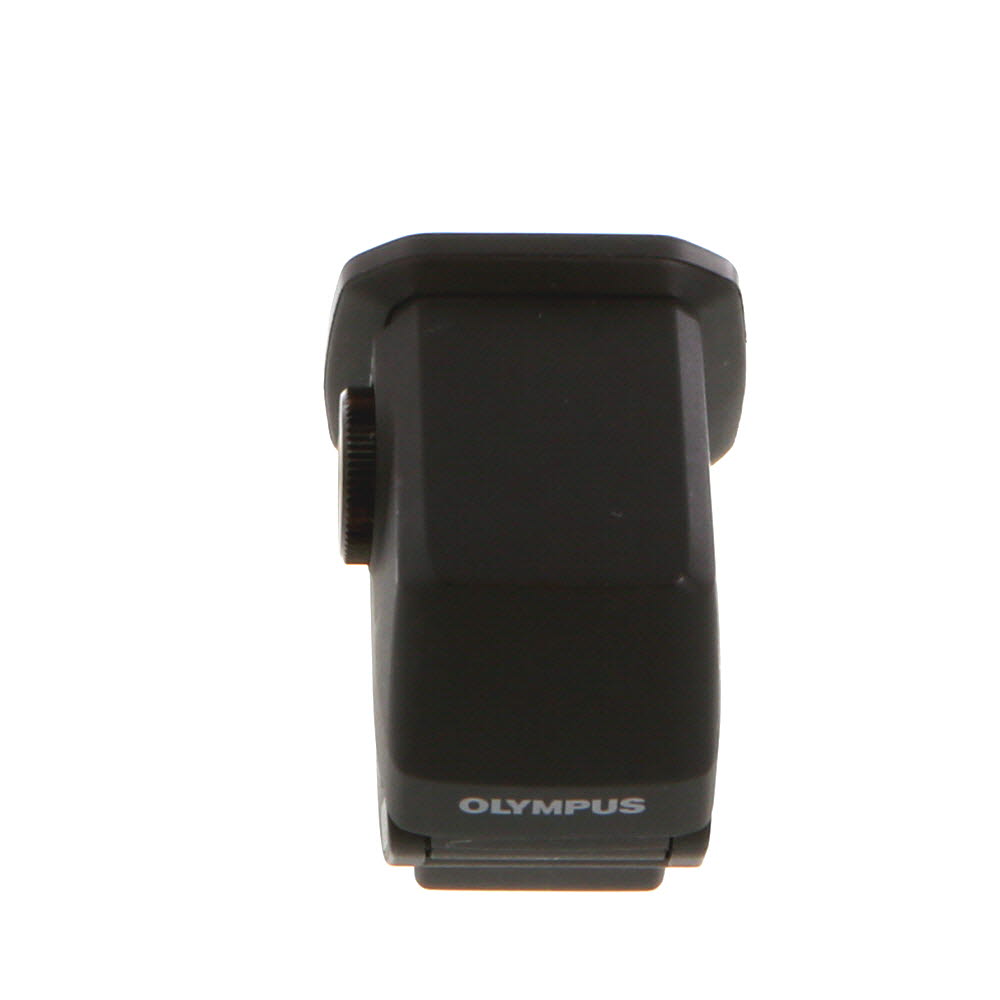
- Electronic Viewfinder: Many Micro Four Thirds cameras come with electronic viewfinders, which can be helpful for composing shots in bright sunlight.
- Fast Autofocus: Micro Four Thirds cameras are known for their fast and accurate autofocus systems, making them great for capturing fast-moving subjects.
- Video Capabilities: Micro Four Thirds cameras are often praised for their video recording capabilities, offering features like 4K recording and in-camera stabilization.
Popular Micro Four Thirds Brands
When it comes to micro four thirds digital cameras, there are several popular brands that are known for their quality and innovation. Some of the most well-known and respected brands in the micro four thirds market include:
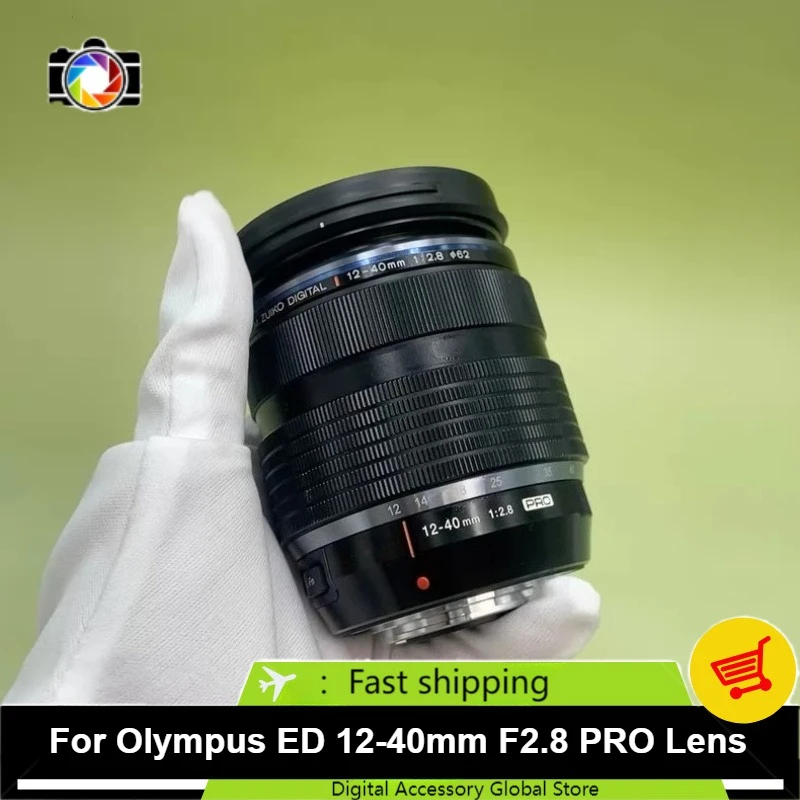
- Olympus: Olympus has been a pioneer in the micro four thirds space, offering a wide range of cameras that cater to both beginners and professional photographers. Their cameras are known for their excellent image quality and advanced features.
- Panasonic: Panasonic is another leading brand in the micro four thirds market, known for their high-quality cameras with innovative technology. They offer a variety of models that are popular among photographers of all levels.
- Blackmagic Design: Blackmagic Design is a brand that is known for their high-end cinema cameras that use the micro four thirds sensor format. Their cameras are popular among filmmakers and cinematographers for their exceptional image quality and advanced video features.
- Leica: Leica is a brand that is synonymous with luxury and quality in the camera industry. They offer micro four thirds cameras that are known for their precision engineering and exceptional image quality.
These are just a few of the popular brands that offer micro four thirds cameras, each with their own unique features and strengths. Whether you are a beginner looking for your first camera or a professional photographer in search of a high-quality tool, there is a micro four thirds camera out there for you.
Choosing the Right Lens
When it comes to micro four thirds cameras, choosing the right lens is crucial for getting the best results. There are a variety of lenses available, each with its own unique features and capabilities.
Prime lenses: Prime lenses have a fixed focal length and typically offer better image quality compared to zoom lenses. They are great for portraits, street photography, and low-light shooting.
Zoom lenses: Zoom lenses provide versatility by allowing you to zoom in and out without changing lenses. They are ideal for capturing a wide range of subjects, from landscapes to wildlife.
Wide-angle lenses: Wide-angle lenses are perfect for capturing expansive landscapes, architecture, and group shots. They can also create dramatic perspectives in your photos.
Telephoto lenses: Telephoto lenses are designed for shooting distant subjects, such as wildlife, sports, and events. They offer excellent magnification and are essential for capturing close-up details.
Consider your photography style and preferences when choosing a lens. Investing in high-quality lenses can significantly improve the sharpness, clarity, and overall look of your photographs with a micro four thirds camera.
Comparison with Other Camera Types
Micro Four Thirds cameras are often compared with other types of digital cameras, such as APS-C and full-frame cameras. Here is a comparison of key features:
| Feature | Micro Four Thirds | APS-C | Full Frame |
|---|---|---|---|
| Sensor Size | Smaller (17.3 x 13 mm) | Larger (23.6 x 15.6 mm) | Largest (36 x 24 mm) |
| Image Quality | Good quality with smaller sensor | High quality with larger sensor | Excellent quality with full-frame sensor |
| Portability | Compact and lightweight | Compact but slightly larger | Bulky and heavier |
| Lens Options | Wide range of Micro Four Thirds lenses | Wide selection of APS-C lenses | Varied selection of full-frame lenses |
| Low Light Performance | Good performance but may struggle in low light | Good performance in low light | Excellent performance in low light |
Overall, Micro Four Thirds cameras offer a balance of portability and image quality, making them a popular choice for travel and everyday photography. However, photographers who prioritize image quality may opt for APS-C or full-frame cameras for better performance in certain conditions.
Tips for Shooting with Micro Four Thirds
Micro Four Thirds cameras are known for their compact size, versatility, and high image quality. Here are some tips to help you make the most of your micro four thirds camera:
1. Use Fast Lenses
One of the advantages of micro four thirds cameras is their ability to use fast lenses, which allow for better low-light performance and shallow depth of field. Invest in a few prime lenses with wide apertures to take full advantage of this feature.
2. Experiment with Depth of Field
Micro four thirds cameras have a smaller sensor size compared to full-frame cameras, which can affect the depth of field. Experiment with different apertures to achieve the desired depth of field in your shots. Remember that a smaller aperture (higher f-number) will result in a larger depth of field.
| Tip | Description |
| 3. Use Image Stabilization | Micro four thirds cameras often come with built-in image stabilization, which can help reduce camera shake and produce sharper images, especially in low-light conditions. Make sure to enable this feature when shooting handheld. |
| 4. Shoot in RAW | Shooting in RAW format gives you more flexibility in post-processing, allowing you to adjust white balance, exposure, and other settings without losing image quality. Take advantage of the RAW format to get the best results from your micro four thirds camera. |
FAQ
What is a micro four thirds digital camera?
A micro four thirds digital camera is a type of mirrorless camera system that uses a sensor with a size of four thirds (17.3mm x 13mm) and a lens mount system developed by Olympus and Panasonic. These cameras are known for their compact size, interchangeable lenses, and high image quality.
What are the advantages of using a micro four thirds camera?
Some advantages of using a micro four thirds camera include compact size and lightweight design, a wide selection of lenses from various manufacturers, excellent image quality, fast autofocus performance, and the ability to shoot high-quality video.

Can I use lenses from other camera systems with a micro four thirds camera?
Yes, you can use lenses from other camera systems with a micro four thirds camera by using lens adapters. However, it’s important to note that using adapters may affect autofocus performance and image quality, so it’s recommended to use native micro four thirds lenses for the best results.
Are micro four thirds cameras suitable for professional photography?
Micro four thirds cameras are suitable for professional photography, especially for travel, street photography, and videography. While they may not offer the same level of image quality and low-light performance as full-frame cameras, they are capable of producing excellent results in a wide range of shooting scenarios.


I recently switched to a Micro Four Thirds camera from a DSLR, and I love how lightweight and compact it is. It makes traveling so much easier! The autofocus is quick, which is great for capturing my kids in action. However, I do miss the shallow depth of field that my DSLR offered. Overall, I’m happy with my decision though!
Thanks for sharing your experience! Many users appreciate the portability of Micro Four Thirds cameras for travel and everyday use. If you're looking for shallower depth of field, consider investing in fast prime lenses—they can help with that.
I'm curious about the low-light performance of Micro Four Thirds cameras. How do they compare to APS-C cameras in real-world situations?
I've used both systems, and I found that while Micro Four Thirds can struggle a bit in low-light conditions, it still performs decently with good lenses. It's mostly about managing your expectations and adjusting settings.
How do Micro Four Thirds cameras hold up against full-frame cameras when it comes to image quality?
Micro Four Thirds cameras offer good image quality, especially for their size, but full-frame cameras generally provide better detail and performance in low light. It really depends on your specific needs and shooting conditions.
Can you explain more about the crop factor? I understand Micro Four Thirds has a 2x crop factor, but how does that affect lens selection for different types of photography?
Great question! The 2x crop factor means that a 25mm lens on a Micro Four Thirds camera will give you a field of view equivalent to a 50mm lens on a full-frame camera. This is useful for selecting lenses based on what you want to shoot—like a wider lens for landscapes or a telephoto for wildlife.