
 Carmen J. Moore

Four Thirds digital cameras have become increasingly popular in the world of photography due to their compact size, high image quality, and versatility. But what exactly is a Four Thirds digital camera, and how does it differ from other types of digital cameras?
The Four Thirds system refers to a standard for digital cameras and lenses developed by Olympus and Kodak in the early 2000s. The name “Four Thirds” comes from the aspect ratio of the camera’s image sensor, which is 4:3. This system was designed to provide a balance between image quality and portability, making it ideal for both amateur and professional photographers.
Understanding Four Thirds Digital Camera
Four Thirds digital camera refers to a specific type of digital camera that uses the Four Thirds System, which was developed by Olympus and Kodak in the early 2000s. This system is based on a standard for sensor size and lens mount, allowing for interchangeable lenses between different camera models that adhere to the Four Thirds specifications.

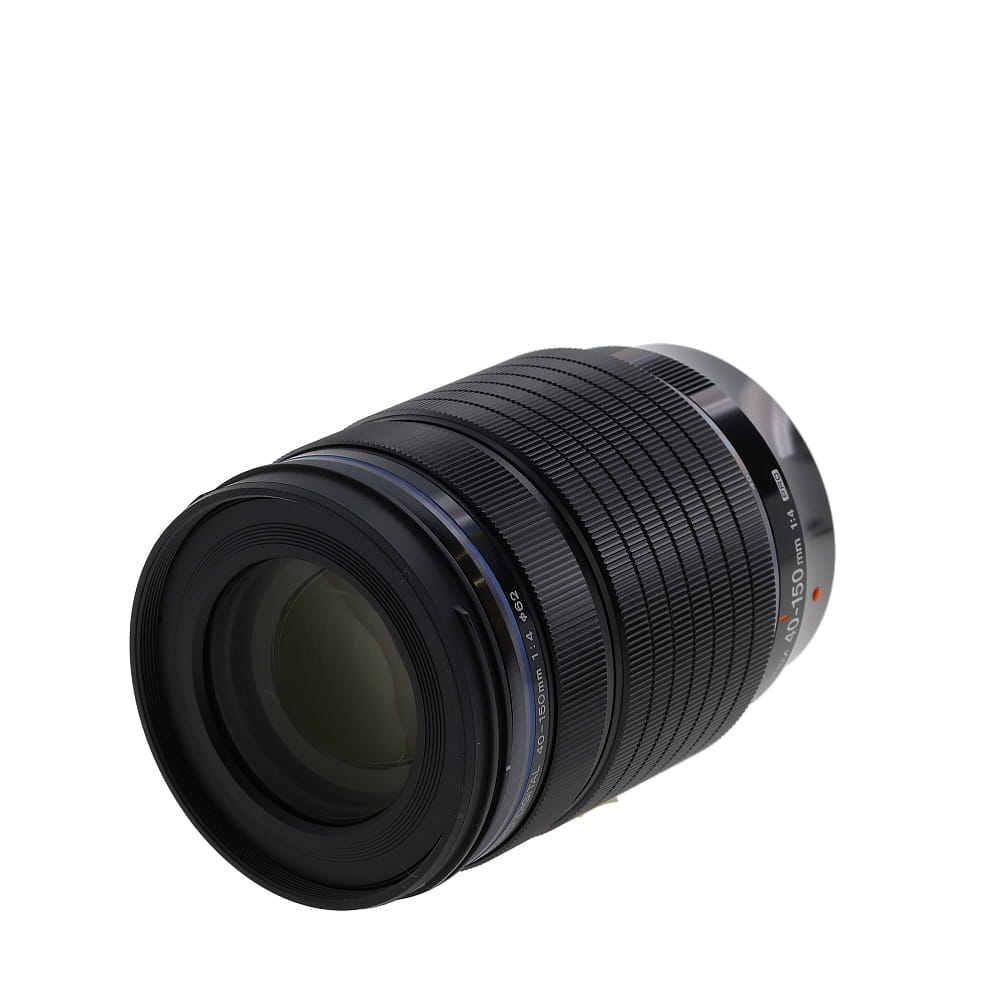

The Four Thirds sensor size is smaller than traditional APS-C sensors found in many DSLR cameras, but larger than the sensors used in most compact digital cameras. This sensor size offers a good balance between image quality and portability, making Four Thirds cameras popular among enthusiasts and professionals.
One of the key benefits of Four Thirds digital cameras is their compact size and lightweight design, making them ideal for travel and everyday use. Additionally, the interchangeable lens system allows photographers to choose from a wide range of high-quality lenses to suit different shooting scenarios.
Overall, Four Thirds digital cameras offer a versatile and convenient option for photographers looking for a balance between image quality, portability, and flexibility in their camera gear.
Benefits of Four Thirds System
The Four Thirds system offers several benefits that make it a popular choice for digital cameras:
1. Compact and Lightweight
Four Thirds cameras are known for their compact and lightweight design, making them easy to carry and handle. This makes them ideal for travel and on-the-go photography.

2. High Image Quality
The Four Thirds system uses a larger sensor than many compact cameras, resulting in higher image quality with better detail and color reproduction. This makes it a great choice for photography enthusiasts who want professional-looking images.
| Feature | Benefit |
| Interchangeable Lenses | Allows photographers to choose from a wide range of lenses for different shooting situations, giving them more creative control. |
| Fast Autofocus | The Four Thirds system is known for its fast and accurate autofocus system, ensuring sharp and clear images even in challenging conditions. |
| Image Stabilization | Many Four Thirds cameras come with built-in image stabilization, reducing camera shake and producing sharper images, especially in low-light conditions. |
Key Features of Four Thirds Cameras
Four Thirds cameras are known for their compact size and lightweight design, making them ideal for travel and everyday use. They offer high image quality and versatility, thanks to their interchangeable lenses and advanced technology.
1. Interchangeable Lenses
One of the key features of Four Thirds cameras is their ability to use interchangeable lenses. This allows photographers to choose the right lens for the specific type of photography they are doing, whether it’s landscape, portrait, or macro photography.
2. Advanced Autofocus System
Four Thirds cameras are equipped with advanced autofocus systems that ensure quick and accurate focusing, even in challenging lighting conditions. This makes it easier for photographers to capture sharp and crisp images every time.
Comparison with Other Camera Systems
The four-thirds digital camera system offers several advantages over other camera systems in the market. One of the main benefits is the compact size and lightweight design of four-thirds cameras, making them easier to carry around for travel and everyday use.
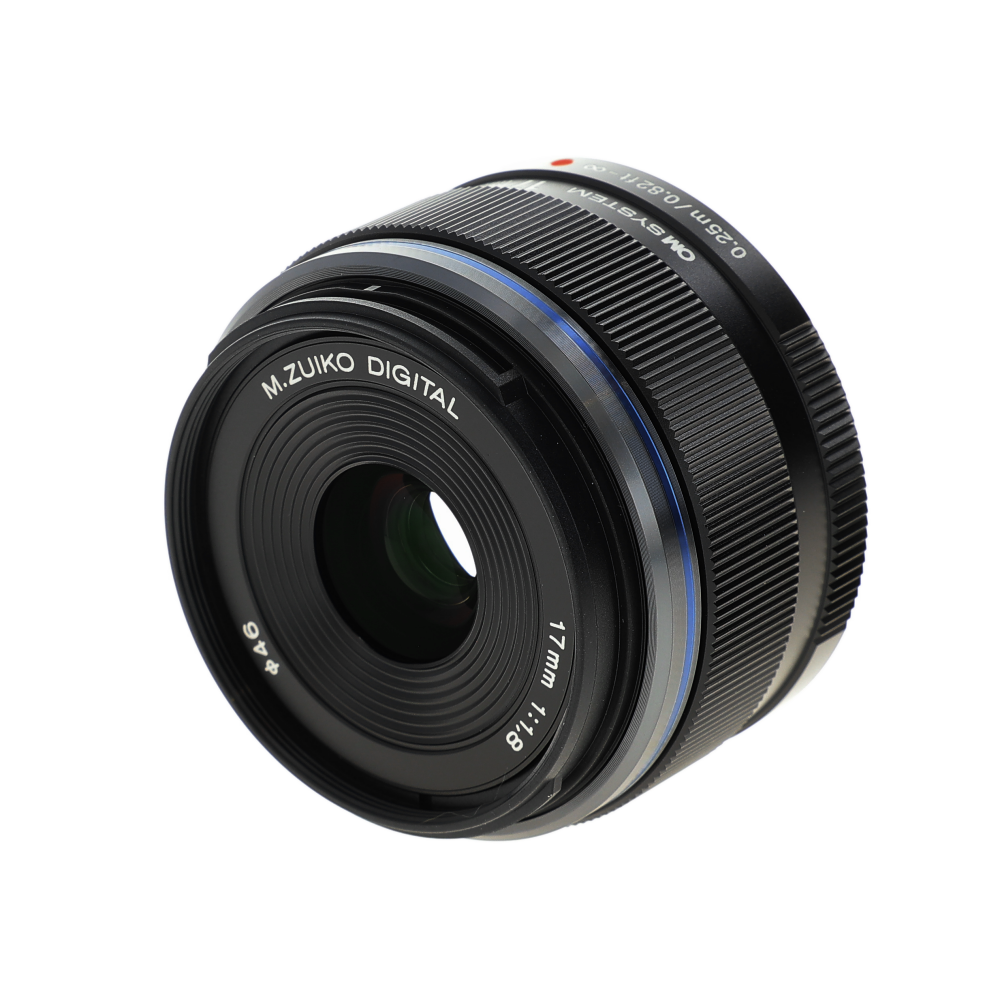
Compared to full-frame cameras, four-thirds cameras typically have smaller sensors, which can result in a crop factor. However, this also means that four-thirds cameras are more affordable and offer a wider range of compatible lenses at a lower cost.
Image Quality
While full-frame cameras may excel in low-light performance and dynamic range, four-thirds cameras are known for their exceptional image stabilization and fast autofocus capabilities, making them ideal for capturing action shots and video recording.
Lens Selection
The four-thirds system boasts a diverse selection of high-quality lenses suitable for various photography genres, including wide-angle, portrait, and macro photography. Additionally, many third-party manufacturers offer compatible lenses for four-thirds cameras, expanding the options available to photographers.
| Feature | Four-Thirds System | Full-Frame System |
|---|---|---|
| Sensor Size | Smaller sensor with crop factor | Larger full-frame sensor |
| Price | More affordable | Higher cost |
| Weight | Lightweight and compact | Heavier and bulkier |
Four Thirds Lens Compatibility
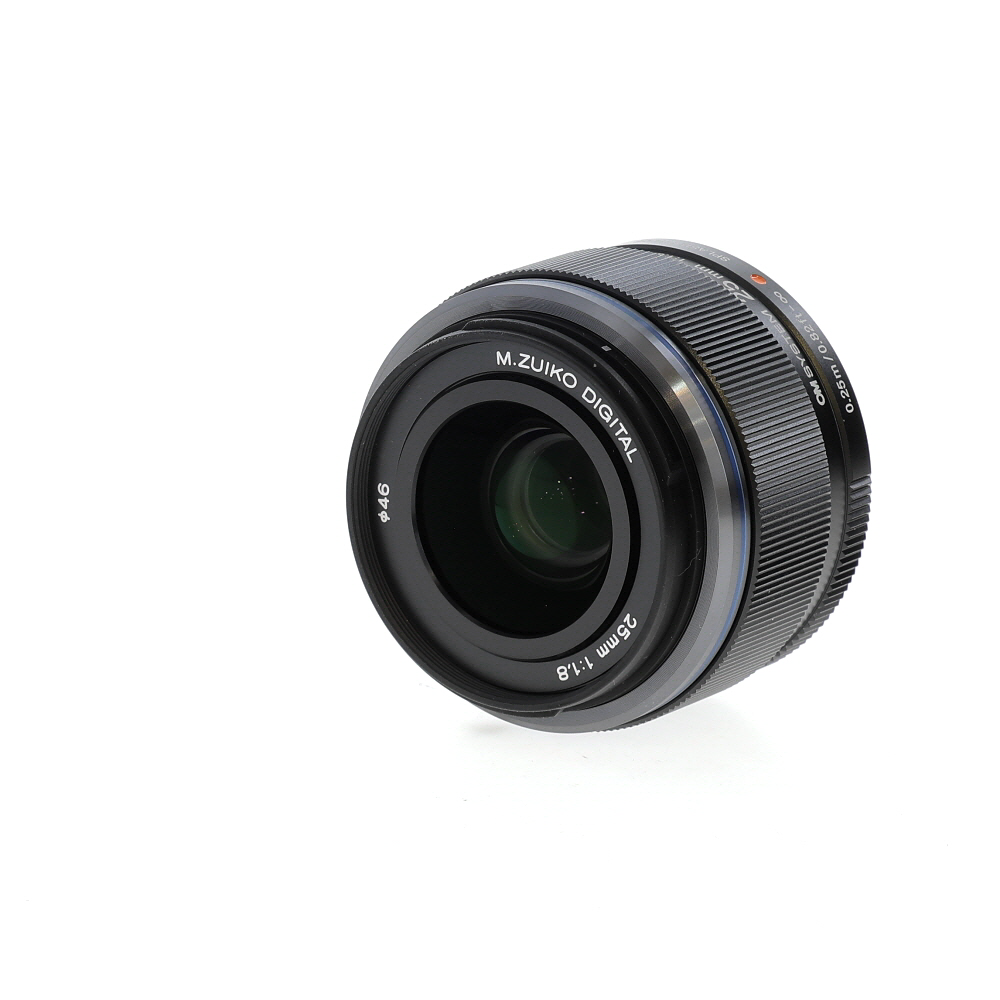
One of the key advantages of using a Four Thirds digital camera is its lens compatibility. Four Thirds cameras are designed to work with interchangeable lenses that are specifically designed for the Four Thirds system. This means that you can use a wide range of lenses from different manufacturers that are compatible with the Four Thirds mount.
One of the benefits of this compatibility is the ability to choose from a variety of lenses to suit your photography needs. Whether you are looking for a wide-angle lens for landscapes, a telephoto lens for wildlife photography, or a macro lens for close-up shots, there are many options available for Four Thirds cameras.
Additionally, the Four Thirds system allows for seamless integration between the camera body and the lens, ensuring optimal performance and image quality. This compatibility also extends to accessories such as lens converters and adapters, giving photographers even more flexibility in their lens choices.
Overall, Four Thirds lens compatibility is a major advantage for photographers looking to expand their lens collection and achieve the best results with their Four Thirds digital camera.
Image Quality in Four Thirds Cameras
Four Thirds cameras are known for their excellent image quality, thanks to their larger sensor size compared to compact cameras. The larger sensor allows for better light capture, resulting in sharper images with more detail and less noise. Additionally, Four Thirds cameras typically offer a wider dynamic range, allowing for better exposure and color accuracy in various lighting conditions.
Another factor contributing to the image quality of Four Thirds cameras is the quality of the lenses used. Many Four Thirds cameras come with high-quality lenses that are designed specifically for the system, providing sharpness and clarity to the images captured.
| Resolution | Four Thirds cameras often have high resolution sensors, allowing for detailed and crisp images. |
| Low Light Performance | Due to their larger sensor size, Four Thirds cameras perform well in low light conditions, producing less noise and better image quality. |
| Color Reproduction | Four Thirds cameras offer accurate color reproduction, capturing vibrant and true-to-life colors in photos. |
Popular Four Thirds Camera Brands
When it comes to four thirds digital cameras, there are several popular brands that are known for their high-quality products. These brands have established themselves as leaders in the industry and are trusted by professional photographers and enthusiasts alike. Here are some of the most popular four thirds camera brands:

- Olympus: Olympus is one of the pioneers in the four thirds camera market and has a wide range of cameras catering to different needs and budgets. Their cameras are known for their excellent image quality and innovative features.
- Panasonic: Panasonic is another well-known brand that offers a variety of four thirds cameras. They are known for their compact and lightweight designs, making them ideal for travel and everyday use.
- Fujifilm: Fujifilm is a brand known for its high-quality lenses and image processing technology. Their four thirds cameras are popular among photographers who value image quality and versatility.
- Leica: Leica is a luxury camera brand that offers premium four thirds cameras with exceptional build quality and performance. Their cameras are favored by professional photographers for their precision and craftsmanship.
These are just a few of the popular four thirds camera brands available in the market today. Each brand offers unique features and benefits, so be sure to research and compare them to find the best camera for your needs.
Future of Four Thirds Technology
The future of Four Thirds technology looks promising as camera manufacturers continue to innovate and improve the performance of these compact and lightweight cameras. With advancements in sensor technology, image processing, and lens design, Four Thirds cameras are becoming more competitive with larger sensor cameras in terms of image quality and performance.
One of the key advantages of Four Thirds cameras is their compact size and weight, making them ideal for travel and everyday use. As technology advances, we can expect to see even smaller and lighter Four Thirds cameras without compromising image quality.
Additionally, improvements in autofocus systems, image stabilization, and low-light performance will make Four Thirds cameras more versatile and capable of capturing stunning images in a wide range of conditions.
Overall, the future of Four Thirds technology is bright, and we can look forward to seeing even more innovations and advancements in the coming years.
Tips for Using Four Thirds Cameras
Four Thirds cameras are known for their compact size, interchangeable lenses, and high-quality images. Here are some tips to help you get the most out of your Four Thirds camera:
1. Understand the Crop Factor
Four Thirds digital-cameras-have/" class="sa-auto-link" data-sa-rule="28213" title="cameras have">cameras have a crop factor of 2x, meaning the focal length of your lenses will effectively double. Keep this in mind when choosing lenses for the desired field of view.
2. Take Advantage of the Electronic Viewfinder
Many Four Thirds cameras come with an electronic viewfinder that allows you to preview your shot in real-time. Use this feature to ensure proper framing and exposure before taking the shot.
- Adjust the settings: Experiment with different settings to find what works best for your shooting style.
- Focus accurately: Utilize the camera’s autofocus features to ensure sharp images.
- Shoot in RAW: Capture more image data and have greater flexibility in post-processing.
By following these tips, you can maximize the capabilities of your Four Thirds camera and capture stunning photos.
FAQ
What is the resolution of a four thirds digital camera?
A four thirds digital camera typically has a resolution of around 16 megapixels. This allows for high-quality photos with plenty of detail.
How does a four thirds digital camera compare to other types of cameras?
A four thirds digital camera is known for its compact size and interchangeable lens system, making it a versatile option for photographers. It offers better image quality than a smartphone camera but may not have the same level of detail as a full-frame camera.
Can I use my existing lenses with a four thirds digital camera?
Four thirds digital cameras use a specific lens mount, so you will need to purchase lenses that are compatible with this system. However, there are adapters available that allow you to use certain other types of lenses with a four thirds camera.



What are the main differences between Four Thirds and APS-C cameras? I'm considering switching but want to know if the image quality will be significantly different.
I've been using a Four Thirds camera for a couple of years now, and I love how compact it is! It fits perfectly in my bag without weighing me down. The image stabilization is also a game changer for my low-light photography. However, sometimes I wish I had a larger sensor for better depth of field in portraits.
How do Four Thirds cameras stack up against full-frame models in terms of price and lens options? Are they really a better value?
Just a heads up, make sure to check compatibility with lenses! Some brands don't have as many options for Four Thirds systems.