
 Carmen J. Moore

Have you ever wondered how a digital SLR camera captures those stunning images with such precision and clarity? Digital SLR cameras, also known as DSLRs, are a popular choice among photographers for their versatility and image quality. Understanding how these cameras work can help you appreciate the technology behind them and improve your photography skills.
In this article, we will delve into the inner workings of a digital SLR camera, exploring the key components and processes that make it function. Through a detailed diagram, we will unravel the mystery behind how light is captured, processed, and transformed into a digital image in a DSLR camera.
Exploring the Inner Workings of a Digital SLR Camera
A digital SLR camera, or DSLR, is a sophisticated piece of technology that combines optics, mechanics, electronics, and software to capture high-quality images. Let’s delve into the inner workings of a DSLR camera to understand how it functions.

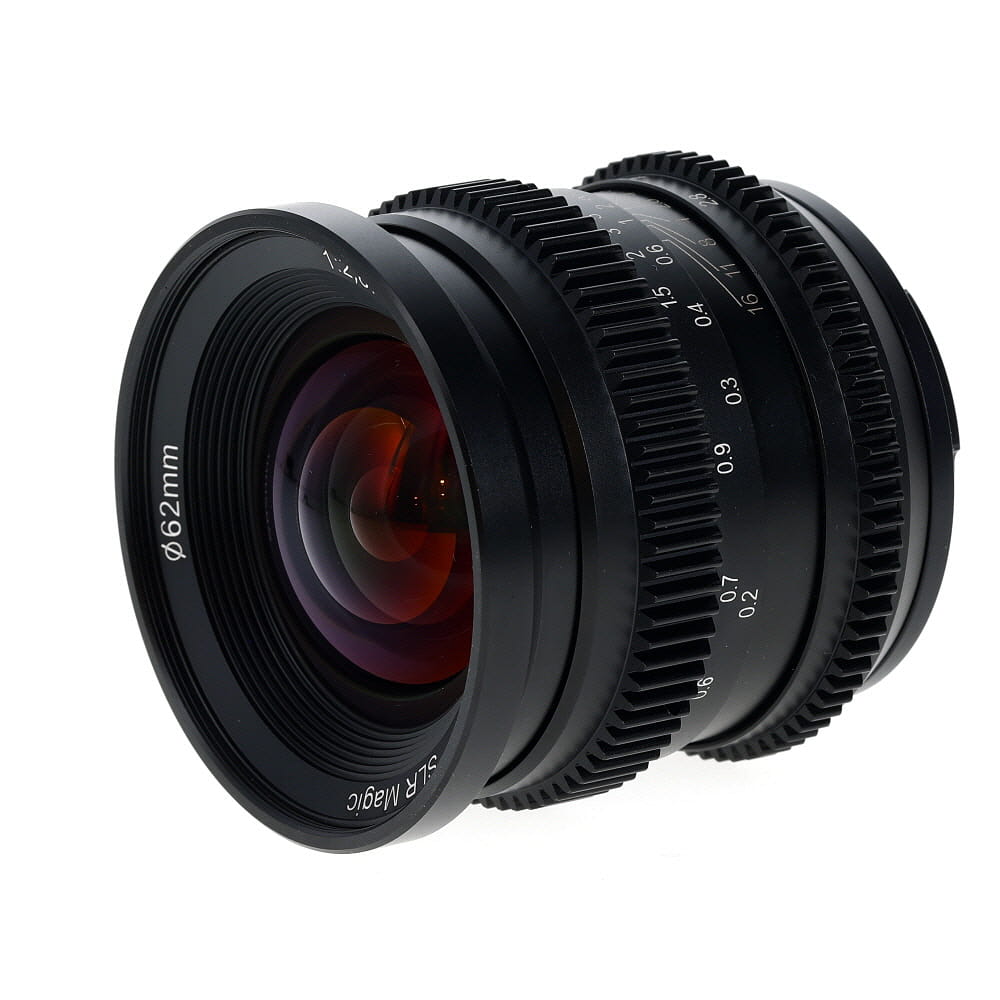

Optics
Light enters through the lens of a DSLR camera, where it is refracted and focused onto the image sensor. The lens aperture controls the amount of light that enters the camera, while the focal length determines the field of view and magnification.
Mechanics
Inside the camera body, a mirror reflects the light from the lens up to the pentaprism/pentamirror, which then redirects the light into the viewfinder. When the shutter button is pressed, the mirror flips up, allowing the light to reach the image sensor.
- The shutter mechanism controls the duration of exposure, opening and closing to capture the image.
- The autofocus system adjusts the lens position to achieve sharp focus on the subject.
Overall, the intricate interplay of optics, mechanics, electronics, and software in a DSLR camera enables photographers to capture stunning photographs with precision and control.
The Lens: Capturing Light and Focusing
The lens of a digital SLR camera plays a crucial role in capturing light and focusing it onto the camera’s sensor. It consists of multiple glass elements that work together to bend and focus light rays entering the camera.
Optical Elements
The lens is made up of various optical elements, including concave and convex lenses, as well as specialized elements like aspherical lenses. These elements work together to correct aberrations and distortions in the captured images, ensuring sharp and accurate results.

|
Function |
Description |
| Lens Aperture | The aperture controls the amount of light that enters the camera, affecting the exposure of the image. |
| Focusing Mechanism | The focusing mechanism adjusts the position of the lens elements to achieve sharp focus on the subject. |
| Image Stabilization | Some lenses feature image stabilization technology to reduce camera shake and capture sharper images. |
The Image Sensor: Converting Light into Digital Signals
One of the key components of a digital SLR camera is the image sensor. The image sensor is a semiconductor device that captures the light coming through the camera lens and converts it into digital signals. There are two main types of image sensors used in digital cameras: CCD (charge-coupled device) and CMOS (complementary metal-oxide-semiconductor).
When light enters the camera through the lens, it hits the image sensor, which is made up of millions of tiny light-sensitive diodes. Each diode represents a pixel in the final image. The amount of light that hits each diode determines the brightness and color of that pixel.
The image sensor then converts the light signals into electrical signals. In a CCD sensor, each diode’s charge is transferred across the chip and read out at the edge of the sensor. In a CMOS sensor, each diode has its own amplifier, allowing for faster readout speeds and lower power consumption.

Once the light signals have been converted into digital signals, they are processed by the camera’s image processor to create the final image. The image sensor plays a crucial role in determining the quality and resolution of the images captured by a digital SLR camera.
The Mirror and Prism: Directing Light to the Viewfinder
One of the key components of a digital SLR camera is the mirror and prism system, which plays a crucial role in directing light to the viewfinder. When you look through the viewfinder of a DSLR camera, you are actually seeing the scene through a series of mirrors and prisms that reflect the light coming through the camera lens.
The mirror, located inside the camera body, reflects the light up to a pentaprism, which then redirects the light to the viewfinder. This system allows you to see exactly what the camera lens is capturing, providing you with an accurate preview of the final image.
Mirror Lock-Up Feature
Some advanced DSLR cameras also feature a mirror lock-up function, which temporarily lifts the mirror out of the way to reduce vibrations and improve image sharpness, especially when using a tripod. This feature is particularly useful in situations where image quality is paramount.
| Mirror | Reflects light from the lens |
| Pentaprism | Redirects light to the viewfinder |
The Shutter: Controlling the Exposure Time
The shutter in a digital SLR camera is a crucial component that controls the exposure time of the sensor to light. When you press the shutter button, the shutter opens, allowing light to hit the sensor for a specific amount of time determined by the shutter speed setting.

The exposure time, or shutter speed, is measured in fractions of a second, such as 1/1000s, 1/250s, or 1/30s. A faster shutter speed (1/1000s) will capture fast-moving subjects without motion blur, while a slower shutter speed (1/30s) will create a sense of motion blur in moving subjects.
The Processor: Transforming Signals into Images
Once the light has been captured by the image sensor, it is converted into electronic signals. These signals are then sent to the processor, the “brain” of the digital SLR camera. The processor is responsible for transforming these signals into actual images that can be displayed on the camera’s LCD screen or saved onto a memory card.
The processor plays a crucial role in processing and enhancing the image data, adjusting parameters such as exposure, white balance, color saturation, and sharpness. It also handles other functions such as autofocus and metering, ensuring that the final image is of high quality and accurately represents the scene that was captured.
The Memory Card: Storing Your Precious Moments
Memory cards are essential components of digital SLR cameras, serving as the primary storage medium for all the photos and videos you capture. These small, portable cards come in various capacities, ranging from a few gigabytes to terabytes, allowing you to store hundreds or even thousands of high-resolution images.
When you take a photo with your digital SLR camera, the image data is temporarily stored in the camera’s internal memory buffer. Once the data is processed, it is written to the memory card for long-term storage. The speed and capacity of your memory card can impact how quickly you can shoot consecutive photos and how many images you can store before needing to offload them onto a computer or external drive.

It’s crucial to choose a reliable and fast memory card that is compatible with your camera to ensure smooth operation and prevent data loss. Additionally, it’s a good practice to regularly back up your photos to avoid losing your precious moments due to card corruption or malfunction.
FAQ
How does a digital SLR camera work?
A digital SLR camera works by capturing light through the lens, which then hits the camera’s image sensor. The image sensor converts the light into digital data, which is processed by the camera’s processor and stored on a memory card. The user can then view and edit the digital images on the camera’s screen or transfer them to a computer for further editing or sharing.
What are the main components of a digital SLR camera?
The main components of a digital SLR camera include the lens, image sensor, processor, memory card, viewfinder, LCD screen, and various buttons and dials for adjusting settings. The lens captures light, which is then processed by the image sensor and processor to create a digital image. The viewfinder allows the photographer to frame the shot, while the LCD screen displays images and settings.
Can you explain the diagram of a digital SLR camera?
In a diagram of a digital SLR camera, you would typically see the lens at the front, which captures light and directs it onto the image sensor. The image sensor converts the light into digital data, which is processed by the camera’s processor. The processed image is then stored on a memory card. The diagram may also show the viewfinder, LCD screen, buttons, and dials for adjusting settings.
How does the image sensor in a digital SLR camera work?
The image sensor in a digital SLR camera works by converting light into digital data. When light hits the sensor, it creates an electrical signal that is then converted into binary data. This data is processed by the camera’s processor to create a digital image. The quality of the image sensor plays a crucial role in the overall image quality of the camera.

What role does the processor play in a digital SLR camera?
The processor in a digital SLR camera plays a key role in processing the digital data captured by the image sensor. It is responsible for tasks such as image compression, white balance adjustment, noise reduction, and applying various image effects. A powerful processor can improve the camera’s performance and speed in capturing and processing images.


I recently upgraded to a DSLR from a point-and-shoot camera. The differences in image quality are incredible! I love being able to adjust settings like aperture and shutter speed manually. It makes photography feel more engaging. However, I found the learning curve steep at first. Has anyone else experienced this, and do you have tips for mastering the settings?
I've always been curious about how the mirror in a DSLR works. Can someone explain how the mirror flips up when you press the shutter button and what that does for the photo?
Good question! The mirror reflects light into the viewfinder, so when you press the shutter, it flips up to allow light to hit the image sensor directly. This is what captures the photo.