
 Carmen J. Moore
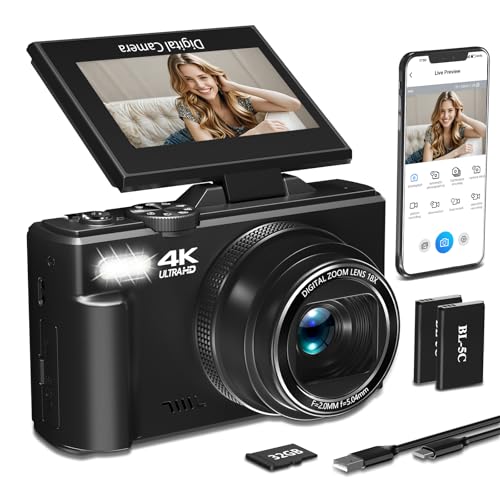
Lightning photography can be a thrilling and rewarding experience for photographers looking to capture the power and beauty of nature. With the right equipment and techniques, you can capture stunning images of lightning strikes in action. In this article, we will explore tips and tricks for taking pictures of lightning with a digital camera.
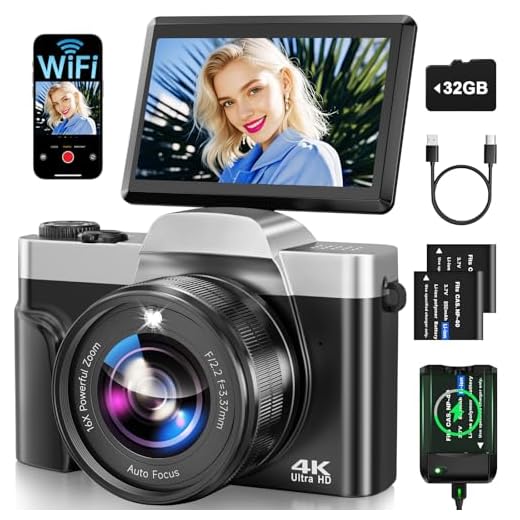
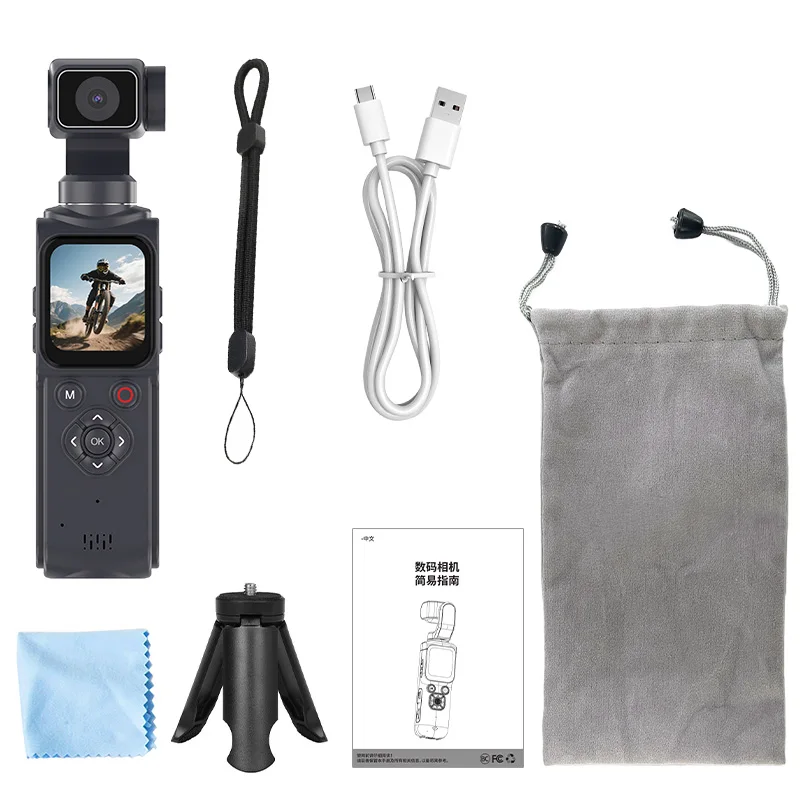

Before attempting to photograph lightning, it’s important to prioritize safety. Always seek shelter indoors during a thunderstorm and never put yourself at risk to capture a photo. Once you are in a safe location, you can set up your digital camera to capture the electrifying display in the sky.
One key element of lightning photography is using a tripod to keep your camera steady during long exposures. Set your camera to manual mode and choose a slow shutter speed of around 15-30 seconds to capture the movement of the lightning bolt. Use a low ISO setting to reduce noise in your images and a narrow aperture to ensure sharpness throughout the frame.
Essential Tips for Capturing Lightning with Your Digital Camera
Lightning photography can be a challenging but rewarding experience. Here are some essential tips to help you capture stunning images of lightning with your digital camera:
- Use a tripod: To avoid camera shake and ensure sharp images, always use a tripod when shooting lightning.
- Choose the right settings: Set your camera to manual mode and use a long exposure time (around 10-30 seconds) to capture the lightning bolts.
- Use a low ISO: Keep your ISO as low as possible to reduce noise in your images.
- Use a wide aperture: A wide aperture (such as f/2.8 or lower) will help capture more light and detail in your photos.
- Focus manually: Use manual focus to ensure the lightning bolts are sharp in your images.
- Be patient: Lightning can be unpredictable, so be prepared to wait for the perfect moment to capture the bolt.
- Safety first: When shooting lightning, always prioritize safety and avoid standing in open areas or near tall objects.
Choose the Right Location
When taking pictures of lightning, it is crucial to choose the right location to capture the best shots. Here are some tips:
- Find an open area with a clear view of the sky to avoid obstructions in your shot.
- Look for a vantage point that allows you to see a wide expanse of the sky, increasing your chances of capturing lightning strikes.
- Consider the direction of the storm and position yourself accordingly to capture the lightning bolts as they illuminate the sky.
- Avoid standing too close to tall objects like trees or buildings, as they can attract lightning and pose a safety risk.
- Check the weather forecast and choose a location where the storm is likely to pass through, increasing your chances of capturing dramatic lightning shots.
Set Up Your Equipment Properly
Before you start capturing lightning with your digital camera, make sure you have the right equipment and settings in place:
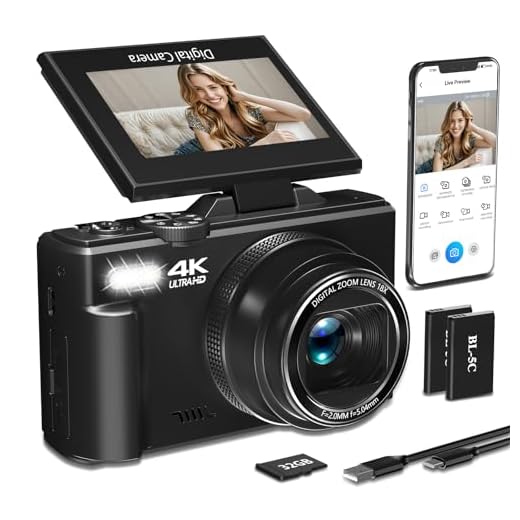
1. Use a sturdy tripod: To avoid camera shake during long exposures, it’s essential to use a stable tripod to keep your camera steady.
2. Set your camera to manual mode: Manual mode allows you to control the settings such as aperture, shutter speed, and ISO to capture lightning effectively.
3. Use a remote shutter release: Using a remote shutter release or the camera’s self-timer can help prevent camera shake when taking the shot.
4. Choose a low ISO setting: A lower ISO setting reduces noise in your images, so start with a low ISO like 100 or 200.
5. Set a wide aperture: A wide aperture (small f-stop number) allows more light to enter the lens and can help capture the brightness of the lightning effectively.
6. Adjust the shutter speed: Start with a longer shutter speed (around 10-30 seconds) to capture the lightning strikes during the exposure.
7. Focus manually: Switch to manual focus mode and set the focus to infinity to ensure sharp images of the lightning.
Adjust Camera Settings for Lightning Photography
When capturing lightning with a digital camera, it’s essential to adjust your camera settings to ensure you get the best shots. Here are some tips on how to set up your camera for lightning photography:
1. Manual Mode
Switch your camera to manual mode to have full control over the settings. This will allow you to adjust the aperture, shutter speed, and ISO according to the lighting conditions.
2. Aperture
Set your aperture to a medium setting (around f/8 to f/11) to allow enough light to enter the camera without overexposing the image.

- Adjust the aperture based on the brightness of the lightning strike.
3. Shutter Speed
Use a long exposure time (typically 10-30 seconds) to capture the entire lightning bolt as it strikes. Experiment with different shutter speeds to find the right balance between capturing the lightning and avoiding overexposure.
- Consider using a remote shutter release or a self-timer to prevent camera shake during long exposures.
4. ISO
Set your ISO to a low value (ISO 100 or 200) to reduce noise in the image. Lower ISO settings produce clearer and sharper images, especially in low-light conditions.
- Adjust the ISO as needed based on the ambient light and the brightness of the lightning strikes.
By adjusting these camera settings, you can increase your chances of capturing stunning lightning photos with your digital camera.
Use a Tripod to Ensure Stability
When capturing lightning with a digital camera, it’s essential to use a tripod to ensure stability. Lightning photography often requires long exposure times, which can result in blurry images if the camera is not held steady. A tripod will help you keep the camera still and prevent any unwanted camera shake.
Make sure to set up your tripod on a stable surface and adjust the height and angle to frame your shot properly. This will allow you to capture clear and sharp images of lightning strikes without any distortion caused by camera movement.

Be Patient and Ready for the Perfect Moment
Photographing lightning requires a great deal of patience and readiness. Lightning strikes can be unpredictable, so it’s essential to be prepared at all times. Keep your camera settings ready, including a long exposure time and a low ISO setting. Set up your camera on a tripod and point it in the direction of the storm. Stay alert and focused, as lightning can strike at any moment.
Be patient and wait for the perfect moment to capture a lightning strike. It may take several attempts before you get the shot you desire, but don’t give up. Stay determined and keep trying until you achieve the perfect lightning photo. Remember, practice makes perfect, so keep experimenting with different settings and angles to improve your lightning photography skills.
Consider Safety Precautions While Shooting Lightning
When photographing lightning, safety should always be your top priority. Lightning is extremely dangerous and can strike at any moment. Here are some safety precautions to keep in mind:
- Avoid open fields, tall trees, and bodies of water as these are prime targets for lightning strikes.
- Seek shelter in a sturdy building or a metal-topped vehicle if a storm approaches.
- Do not stand near metal objects or tall structures that can attract lightning.
Remember, no photograph is worth risking your life. Always prioritize your safety when shooting lightning.
Experiment with Different Techniques and Angles
When capturing lightning with your digital camera, don’t be afraid to experiment with different techniques and angles to get the perfect shot. Try adjusting your camera’s exposure settings to see how it affects the brightness of the lightning in your photos. You can also play around with different framing and composition techniques to create more dynamic and visually interesting images.
Consider trying different angles, such as shooting from a low perspective or incorporating interesting foreground elements to add depth to your photos. Don’t be afraid to get creative and think outside the box when capturing lightning with your digital camera.
Edit and Enhance Your Lightning Photos
After capturing stunning lightning photos, it’s time to edit and enhance them to make them even more breathtaking. Here are some tips to help you improve your lightning shots:
1. Adjust the Exposure
Lightning can sometimes be overexposed in photos, so it’s important to adjust the exposure to ensure that the lightning bolts are clear and well-defined. Experiment with different exposure settings until you find the right balance.
2. Crop and Straighten
Cropping your lightning photos can help you focus on the most striking parts of the image. Additionally, make sure to straighten the horizon line if needed to create a more balanced composition.
By following these editing tips, you can take your lightning photos to the next level and create stunning images that truly capture the power and beauty of nature’s light show.

Share Your Stunning Lightning Images with the World
After capturing breathtaking images of lightning with your digital camera, it’s time to share your work with the world. Here are some tips on how to showcase your stunning lightning photographs:
- Share on social media platforms like Instagram, Facebook, or Twitter. Use relevant hashtags to reach a wider audience.
- Submit your images to photography websites or online galleries to get featured and receive feedback from fellow photographers.
- Consider creating a blog or website to display your lightning photography portfolio. You can write about your experience capturing the shots and share tips with other photography enthusiasts.
- Enter photography contests or exhibitions to gain recognition for your work and potentially win awards.
Remember:
- Always credit yourself as the photographer when sharing your images online.
- Respect copyright laws and permissions when using others’ lightning images in your work.
FAQ
What is the best camera settings for photographing lightning?
The best camera settings for photographing lightning typically involve using a long exposure time, low ISO, and a small aperture. A good starting point would be to set your camera to manual mode, use an exposure time of around 15-30 seconds, an ISO of 100-200, and an aperture of around f/8 to f/16.
Is it dangerous to photograph lightning?
Photographing lightning can be dangerous, especially if you are in an exposed area during a thunderstorm. It is important to prioritize safety and avoid putting yourself at risk. It is recommended to find a safe location, such as indoors or in a sheltered area, to capture lightning strikes from a distance.
Can I use a tripod for photographing lightning?
Using a tripod is highly recommended when photographing lightning. A tripod will help you keep your camera steady during long exposures, which is crucial for capturing clear and sharp images of lightning strikes. Make sure to set up your tripod on a stable surface to avoid any camera shake.
What are some tips for capturing lightning in a photograph?
Some tips for capturing lightning in a photograph include using a remote shutter release or self-timer to minimize camera shake, framing your shot with an interesting foreground or background, and being patient and prepared to wait for the right moment to capture a lightning strike. Additionally, experimenting with different camera settings and angles can help you achieve unique and stunning lightning photos.


I tried photographing lightning last summer using a DSLR. It was a bit difficult to get the settings right at first. I used a tripod, but I still had some blurry shots. I think I need to practice more with the manual focus and experimenting with exposure times. Anyone else have trouble with focus?
Definitely! Manual focus is tricky, especially during storms. I usually set my focus to infinity and check my shots afterward.
Thanks for sharing your experience! It's all about practice. Make sure you have your settings dialed in before the storm hits.
What are some good locations to photograph lightning strikes without putting myself too much at risk?
I've found that open fields or hilltops with a clear view of the horizon are great, just be careful with tall structures around.
When you say to use a low ISO, does that mean I should stick to 100 or 200? What if it's darker outside?
Yes, ISO 100 or 200 is ideal for reducing noise. If it gets darker, you can gradually increase your ISO, but monitor for noise in your images.