
 Carmen J. Moore

Drone light shows have become a popular and mesmerizing form of entertainment, combining technology, art, and innovation to create stunning aerial displays. If you’ve ever marveled at the sight of hundreds of drones dancing in the sky, you may be wondering how these shows are created. In this guide, we’ll explore the steps involved in planning and executing a drone light show that will leave your audience in awe.
From choreographing the drones’ movements to programming the intricate light patterns, creating a drone light show requires careful planning and coordination. Whether you’re organizing a large-scale event or simply looking to experiment with drone technology, understanding the basics of drone light show production is essential. Let’s dive into the world of drone light shows and discover how you can bring your creative vision to life in the night sky.
Step-by-Step Guide to Creating a Drone Light Show
1. Plan Your Show: Decide on the theme, music, and choreography for your drone light show. Consider the location and audience to tailor the experience.
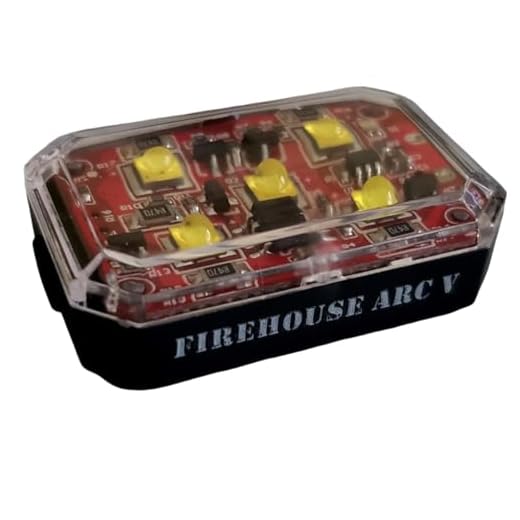
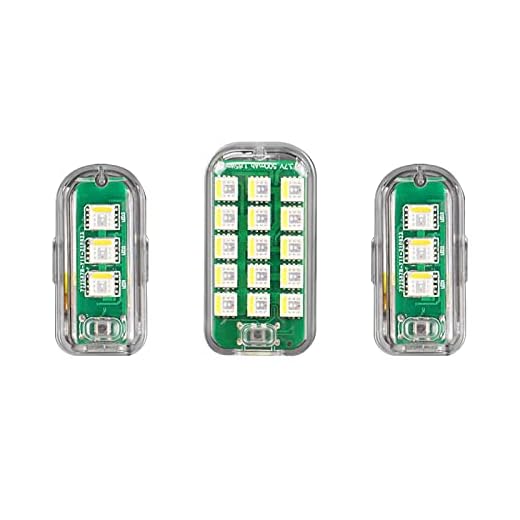
2. Choose the Right Drones: Select drones with built-in LED lights and programmable features. Ensure they are compatible with the software you plan to use.

3. Create a Flight Path: Use drone software to design a flight path that coordinates the movements of multiple drones. Test the path for smooth transitions.
4. Program the Drones: Input the choreography and lighting sequences into the drones’ software. Make sure each drone is synchronized with the others.
5. Rehearse: Practice the drone light show multiple times to refine the timing and coordination. Make any necessary adjustments to the choreography.
6. Obtain Necessary Permits: Check local regulations and obtain any permits required for drone flights, especially if performing in public spaces.
7. Perform the Show: Launch the drones and start the light show according to your planned choreography. Monitor the performance to ensure everything goes smoothly.
8. Evaluate and Improve: After the show, gather feedback from the audience and team members. Use this input to improve future drone light shows.
Selecting the Right Drones
When planning a drone light show, it is crucial to select the right drones to achieve your desired effect. Here are some factors to consider when choosing drones:
1. Drone Type
There are various types of drones available, including quadcopters, hexacopters, and octocopters. Each type has its own advantages and limitations, so choose the one that best suits your show requirements.
2. Payload Capacity
Consider the payload capacity of the drones, as it will determine how many lights or other equipment the drones can carry. Make sure the drones can handle the weight of the lights while maintaining stability and flight performance.
Planning the Choreography
Creating a stunning drone light show requires careful planning of the choreography. Here are some key steps to consider:
| 1. Theme: | Decide on a theme for your drone light show. This could be related to a special event, celebration, or simply a creative concept. |
| 2. Music: | Choose a suitable soundtrack that complements the theme and enhances the visual effects of the drone light show. |
| 3. Movement: | Plan out the movement patterns and formations of the drones to create visually appealing shapes and designs in the sky. |
| 4. Timing: | Coordinate the timing of the drone movements with the music to ensure synchronization and create a captivating performance. |
| 5. Rehearsal: | Practice and rehearse the choreography multiple times to iron out any issues and perfect the timing and movements of the drones. |
Designing the Light Patterns
When designing the light patterns for your drone show, it’s important to consider the size of the venue, the number of drones you have available, and the overall theme of the event. Start by sketching out your ideas on paper or using a design software to visualize the patterns.
Think about the colors you want to use and how they will look against the night sky. Consider creating different shapes and formations with the drones, such as hearts, stars, or even words. Make sure to test your patterns in a simulation before the actual show to ensure they look as intended.
Remember to keep the patterns dynamic and engaging to capture the audience’s attention. You can also synchronize the light patterns with music for a more immersive experience. Don’t be afraid to experiment and try out new ideas to create a truly unique and mesmerizing drone light show.
Programming the Flight Paths
Creating a stunning drone light show involves programming precise flight paths for each drone to follow. This requires careful planning and coordination to ensure that the drones move in sync with the music and the desired patterns.
Software Tools
There are various software tools available that allow you to program the flight paths of the drones. These tools provide a user-friendly interface for designing and testing different sequences of movements.
Coordination and Testing
Before the actual performance, it is crucial to thoroughly test the programmed flight paths to ensure that the drones move smoothly and accurately. Coordination between the software, the drones, and the music is key to a successful light show.
Securing the Performance Area
Before starting the drone light show, it is crucial to secure the performance area to ensure the safety of both the drones and the audience. Here are some key steps to follow:
1. Clear the Area
- Remove any obstacles or debris from the performance area to prevent the drones from colliding with objects.
- Ensure there are no people or animals in the vicinity of the performance area to avoid any accidents.
2. Establish Boundaries
- Set up physical barriers or markers to define the boundaries of the performance area and keep the drones within a designated space.
- Use caution tape or cones to create a clear boundary that spectators should not cross during the show.
By securing the performance area properly, you can help ensure a smooth and safe drone light show that captivates the audience without any incidents.
Testing the Drones and Lights
Before the actual drone light show, it is essential to test both the drones and the lights to ensure everything is working properly. Start by checking the batteries of the drones and lights to make sure they are fully charged. Test each drone’s flight capabilities and ensure they can move smoothly and precisely as required for the show.
Next, test the lights to ensure they are bright enough and can be seen clearly from a distance. Check the color combinations and patterns to make sure they create the desired visual effect. It’s also important to test the synchronization of the lights with the drones to ensure they work together seamlessly during the show.
Finally, conduct a full run-through of the drone light show to identify any potential issues or areas for improvement. Make any necessary adjustments and retest until everything is perfect and ready for the actual performance.
Conducting a Safety Check
Before launching a drone light show, it is crucial to conduct a thorough safety check to ensure the well-being of the audience and the smooth operation of the drones. Here are some key steps to follow:
1. Drone Inspection
Inspect each drone carefully to ensure that all components are in good working condition. Check the propellers, batteries, and overall structure of the drones for any signs of damage or wear.
2. Flight Area Assessment
Survey the area where the drones will be flying to identify any potential hazards such as power lines, trees, or other obstacles. Make sure the flight area is clear and safe for the drones to maneuver.
Remember: Safety should always be the top priority when conducting a drone light show. By following these safety checks, you can help ensure a successful and incident-free event.
Launching the Drone Light Show
Once all the drones are programmed and ready to go, it’s time to launch the show. Make sure the drones are fully charged and positioned correctly for the performance. Ensure that the weather conditions are suitable for flying the drones and that there are no obstacles in the flight path.
Start the show by remotely activating the drones and watching as they light up the sky with their synchronized movements and colorful displays. Sit back and enjoy the spectacle as the drones dance in perfect harmony, creating a mesmerizing light show for all to see.
After the show is over, safely land the drones and collect them for future performances. Remember to always prioritize safety and follow all regulations when operating drones for light shows.
Evaluating and Improving the Performance
Once you have successfully created your drone light show, it’s important to evaluate its performance to ensure it meets your expectations. Consider factors such as the accuracy of the choreography, the synchronization of movements, and the overall visual impact. You can gather feedback from audience members and team members to identify areas for improvement.
To enhance the performance of your drone light show, you can make adjustments to the choreography, timing, and positioning of the drones. Testing different sequences and formations can help you achieve a more dynamic and captivating show. Additionally, optimizing the programming and flight paths of the drones can help create smoother and more precise movements.
Regularly monitoring and refining your drone light show will help you continuously improve its quality and wow your audience with stunning aerial displays.
FAQ
What equipment do I need to make a drone light show?
To create a drone light show, you will need a fleet of drones equipped with LED lights, a flight planning software, a ground control station, a choreographer software, and a team of experienced drone pilots. Additionally, you might need permission from local authorities to fly drones in specific areas.
How long does it take to prepare and execute a drone light show?
The preparation and execution time for a drone light show can vary depending on the complexity of the show. It typically takes several weeks to plan the choreography, program the flight paths, and rehearse the performance. The actual execution of the show can last anywhere from a few minutes to half an hour, depending on the number of drones and the intricacy of the performance.



When you mention securing the performance area, what specific safety measures do you suggest? Are there any recommended distances for audience placement?
It's important to keep the audience at a safe distance based on your drone's flight path and potential hazards. Generally, a minimum of 100 feet away is recommended, but this may vary depending on the size and type of drones used. Always prioritize safety!
The article mentions programming the drones for choreography. Can you explain more about the software options available? Are there any specific programs you recommend for beginners?
There are several software options for programming drone light shows, including DroneShow Software and Lightshow Pro. Both offer user-friendly interfaces suitable for beginners and extensive online tutorials.
What types of drones are best for a beginner trying to create a light show?
I'm really interested in putting together a drone light show for a local event. What types of drones do you recommend for beginners?
I've seen good results with some entry-level quadcopters that have built-in lights. They’re easier to control and usually come with software that's user-friendly.
Great question! For beginners, look for drones like the DJI Mini or the Ryze Tello. They’re lightweight, have decent flight stability, and offer basic programmable features.
I have both quadcopters and hexacopters. The hexacopters seem to handle heavier payloads better, but the quadcopters are easier to maneuver. I'm curious, which type do you think is better for light shows with many drones?
Hexacopters do provide more stability and can carry more weight, but quadcopters are generally more agile, making them easier for choreography. It depends on your specific needs for the show.
I think obtaining permits can be a hassle. Some local regulations are too strict and make it difficult to organize shows, especially for small events.
It's true that regulations can vary widely, but they're important for safety. Always check local laws before planning your show.
I love the idea of synchronizing the lights with music! It must create an amazing atmosphere.
I don't think rehearsing multiple times is always necessary. A well-planned choreography should be fine after a few tests. Over-rehearsing might lead to burnout for the team!
I recently organized a small drone light show for my friend’s wedding, and it was such a hit! We chose a romantic theme and synchronized the lights to a love song. It took lots of rehearsing, and I was nervous about the timing, but it all came together beautifully. The guests were amazed!
Don’t forget about safety checks! We had a close call with some trees during our last show. Always assess the area first!
I recently attempted my first drone light show. It took a lot of practice to get the choreography right, but it was worth it! I used quadcopters with LED lights, which worked surprisingly well.
That's great to hear! Quadcopters are popular for their stability and ease of control, which makes them a good choice for beginners.
When you say to 'test the flight paths,' what exactly does that involve? Is there a specific software you recommend?
I'm debating between using quadcopters and hexacopters for my show. Are quads really enough, or should I invest in hexacopters for better performance?
I recently tried creating a small drone light show for my family’s gathering. I picked a simple theme and used a few low-cost drones. The programming was a bit tricky at first, but once I figured out the software, it became a lot of fun! Just a heads up, I didn’t realize how important it was to test the flight paths multiple times, and I had some last-minute adjustments to make. It turned out to be a hit, though!
That sounds like a fun experience! What software did you use for programming? I'm looking for recommendations.
I think rehearsing multiple times is overrated. We only practiced ours twice, and it went fine! Sometimes over-rehearsing can make everything stiff and less spontaneous.
I’ve seen drone shows with both quadcopters and hexacopters. Is one better than the other for creating complex patterns?
Hexacopters can often carry more weight, which allows for more lights, but quadcopters are generally easier to maneuver. It depends on your specific show requirements.
I recently attempted my first drone light show, and I learned a lot from the rehearsal process. It took several tries to get the timing right with the music and to coordinate the drone movements. We ended up using a mix of quadcopters and hexacopters, which worked well but had a steep learning curve. I highly recommend doing multiple test runs to iron out any issues before the actual show!
How do you determine the right theme for a drone light show? I want to make sure it's engaging for the audience.
What kind of software do you recommend for programming the flight paths of the drones? Is there a specific one that's better for beginners?