
 Carmen J. Moore
Video surveillance has become an integral part of modern security systems, allowing for remote monitoring of various locations. But is video surveillance more than just a tool for monitoring and recording activities? Some argue that video surveillance can also be considered a form of telepresence.
Telepresence refers to the use of technology to give a sense of presence or immersion in a remote location. While traditional telepresence systems rely on advanced audio and visual technologies to create a lifelike experience, video surveillance can also offer a form of remote presence and monitoring.
By using video cameras and monitoring systems, individuals can remotely observe and interact with environments in real-time. This ability to be present in a location without physically being there is a key aspect of telepresence. In this sense, video surveillance can be seen as a form of telepresence, enabling individuals to have a virtual presence in a location and respond to events as they unfold.
Understanding the Concept
Video surveillance and telepresence are both technologies that involve the use of cameras to capture visual information. However, there are key differences between the two concepts that set them apart.

Differences Between Video Surveillance and Telepresence
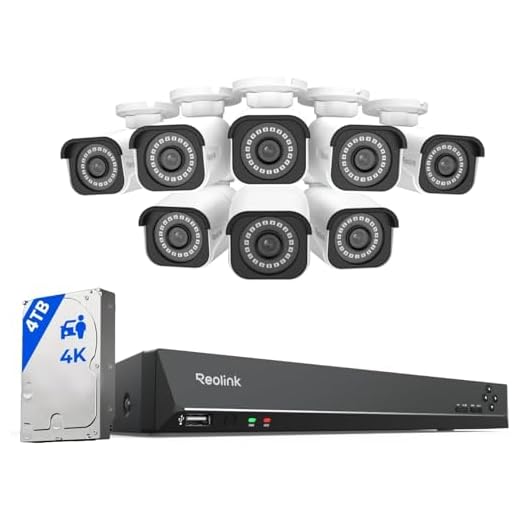
Video surveillance is typically used for security purposes, where cameras are placed in strategic locations to monitor and record activities. The primary goal of video surveillance is to capture and store footage for later review in case of security incidents.
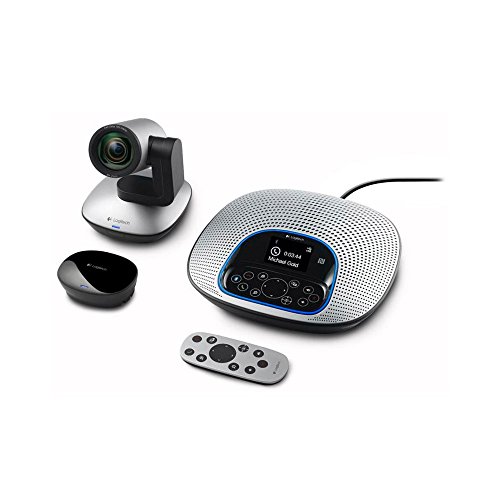
On the other hand, telepresence is a technology that allows individuals to remotely participate in events or meetings as if they were physically present. This is achieved through the use of high-quality audio and video equipment that provides a real-time, immersive experience.
While video surveillance focuses on monitoring and recording activities for security purposes, telepresence aims to create a sense of presence and interaction despite physical distance. Both technologies have their own unique applications and benefits, making them valuable tools in different contexts.
| Video Surveillance | Telepresence |
| Used for security monitoring | Enables remote participation |
| Focuses on recording footage | Creates a sense of presence |
Impact on Security
Video surveillance systems play a crucial role in enhancing security in various environments. By monitoring and recording activities in real-time, these systems act as a deterrent to potential criminal activities. The presence of cameras can discourage individuals from engaging in unlawful behavior, as they are aware that their actions are being captured on video.
Moreover, in the event of a security breach or unauthorized access, video surveillance footage can provide valuable evidence for investigation and prosecution. The recorded video can help identify perpetrators, understand the sequence of events, and provide insights into how the breach occurred.
Preventative Measures
- Video surveillance can be used to monitor access points, such as doors and windows, to prevent unauthorized entry.
- Cameras can be strategically placed in high-risk areas to deter criminal activities and ensure the safety of individuals.
Response and Resolution
- Real-time monitoring allows security personnel to respond promptly to suspicious activities and incidents.
- Video footage can be used to review incidents, assess the situation, and take appropriate action to resolve security issues.
Advantages and Disadvantages
Video surveillance offers several advantages, including:
- Increased security: Video surveillance can deter criminal activity and provide evidence in case of incidents.
- Remote monitoring: With video surveillance systems, users can monitor their property from anywhere with an internet connection.
- Cost-effective: Video surveillance systems are relatively affordable and can save money on security personnel.
Disadvantages
However, video surveillance also has some disadvantages:
- Privacy concerns: Video surveillance can infringe on individuals’ privacy rights if not implemented and used responsibly.
- Data security risks: Video surveillance systems can be vulnerable to hacking and unauthorized access, leading to potential data breaches.
- Misuse of footage: There is a risk of video footage being used for unethical purposes or without consent.
Applications in Different Industries
Video surveillance technology has found applications in various industries, revolutionizing the way businesses operate and enhancing security measures. Here are some examples of how video surveillance is utilized in different sectors:
Retail
In the retail sector, video surveillance systems are used to prevent theft, monitor customer behavior, and improve store layout efficiency. Retailers can analyze video footage to identify shoplifting incidents, track inventory movement, and optimize product placement for better sales.
Healthcare
Video surveillance plays a crucial role in healthcare facilities by ensuring patient safety, monitoring medical staff performance, and enhancing overall security. Hospitals and clinics use video cameras to monitor critical areas, prevent unauthorized access, and investigate incidents for quality assurance purposes.
Technological Developments
Video surveillance technology has seen significant advancements in recent years, making it more sophisticated and effective than ever before. High-resolution cameras with advanced features such as night vision, motion detection, and facial recognition have become commonplace in modern surveillance systems.
Furthermore, the integration of artificial intelligence and machine learning algorithms has revolutionized the way video data is processed and analyzed. These technologies enable real-time monitoring, automatic alert notifications, and predictive analytics, enhancing the overall efficiency and accuracy of video surveillance systems.
Privacy Concerns
With the widespread use of video surveillance systems, concerns about privacy have become increasingly prevalent. The constant monitoring of public spaces and even private locations raises questions about the right to privacy and personal freedom.
Data Collection
One of the main privacy concerns with video surveillance is the collection and storage of data. Surveillance cameras capture and record images of individuals going about their daily lives, leading to the potential misuse or unauthorized access to this sensitive information.
Government Surveillance
Government agencies often use video surveillance for security purposes, but this can also lead to concerns about mass surveillance and invasion of privacy. The ability of governments to monitor citizens’ movements and activities raises ethical questions about the balance between security and individual rights.
Legal and Ethical Issues
When it comes to video surveillance, there are several legal and ethical considerations that must be taken into account. One of the main concerns is the right to privacy. Individuals have the right to know when they are being monitored and for what purpose. In some jurisdictions, there are strict laws governing the use of video surveillance, including where cameras can be placed and who can access the footage.
Another ethical issue is the potential for misuse of video surveillance. While it can be a valuable tool for enhancing security and safety, there is always the risk of abuse. Unauthorized access to footage, misuse of information, and invasion of privacy are all concerns that need to be addressed.
Furthermore, the use of facial recognition technology in video surveillance raises additional ethical questions. There are concerns about the accuracy of the technology, as well as the potential for discrimination and profiling based on facial features.
Overall, it is essential for organizations to carefully consider the legal and ethical implications of video surveillance and to implement policies and procedures to ensure that it is used responsibly and ethically.
Future Trends
As technology continues to evolve, video surveillance systems are likely to see significant advancements in the future. Some of the key trends in video surveillance include:
- Increased use of artificial intelligence and machine learning for more advanced analytics and real-time monitoring.
- Integration with other smart devices and systems, such as smart home devices and IoT devices, for enhanced security and automation.
- Enhanced video quality and resolution, including the adoption of 4K and even 8K cameras for clearer and more detailed footage.
- Greater emphasis on cybersecurity to protect video data and prevent unauthorized access.
- Expansion of cloud-based video surveillance services for easier access and management of video footage from anywhere.


I disagree that video surveillance is a form of telepresence. They serve very different purposes and shouldn't be grouped together. Telepresence is about interaction, while video surveillance is just about watching.
I see your point, but I think there is some overlap, especially with the ability to monitor in real-time. It's not as interactive, but you are still 'present' in a way.
I've used video surveillance in my retail store for about two years now. It's definitely helped reduce theft and improved customer behavior. We even analyzed footage to redesign product placement. However, I do worry about privacy issues; I want to make sure we're not overstepping boundaries.
Thanks for sharing your experience! It's great to hear how video surveillance has positively impacted your store. Balancing security with privacy is crucial, and it's important to have clear policies in place to ensure ethical use.
What are the main differences between video surveillance and traditional telepresence systems? I get that one is for security and the other for interaction, but I'm curious about how they each operate in practice.
Good question! I think video surveillance focuses on monitoring and recording, while telepresence aims for real-time interaction with high-quality visuals and audio. It's like one is a security guard and the other is a virtual attendee.