
 Carmen J. Moore

Cellular security cameras are becoming increasingly popular due to their flexibility and ease of installation. These cameras rely on a cellular network to transmit data, eliminating the need for a Wi-Fi connection. However, one common concern among users is how much data these cameras consume.


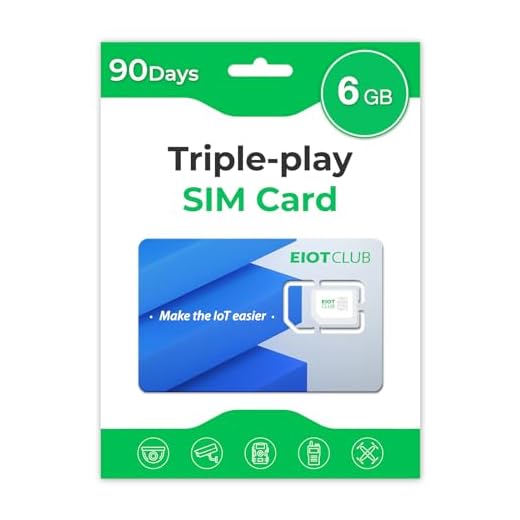
The amount of data a cellular security camera uses depends on several factors, including the video resolution, frame rate, and motion detection settings. Higher resolution and frame rates will consume more data, while motion detection can help reduce data usage by only recording when activity is detected.
It’s important to consider your data plan when using cellular security cameras, as streaming high-quality video constantly can quickly eat up your data allowance. Understanding how much data your camera uses and adjusting its settings accordingly can help you manage your data usage effectively while still keeping your property secure.
How Cellular Security Cameras Use Data
Cellular security cameras use data to transmit video footage and images to a remote storage location or monitoring system. The amount of data used by a cellular security camera depends on several factors, including the video quality, resolution, frame rate, and the length of time the camera is recording.
Higher video quality and resolution settings will result in larger file sizes and therefore more data usage. Similarly, higher frame rates will require more data to transmit the video smoothly. If the camera is set to record continuously, it will use more data compared to motion-activated recording.
It’s important to consider your data plan and the limitations imposed by your cellular provider when using cellular security cameras. Monitoring your data usage and adjusting the camera settings accordingly can help optimize data usage and prevent unexpected overage charges.
| Factors affecting data usage | Impact |
|---|---|
| Video quality | Higher quality = more data |
| Resolution | Higher resolution = more data |
| Frame rate | Higher frame rate = more data |
| Recording mode | Continuous recording = more data |
Understanding Cellular Security Camera Data Usage
Cellular security cameras are a convenient option for remote monitoring of your property, but it’s important to understand how much data they use to ensure you don’t exceed your data plan limits. The amount of data a cellular security camera uses can vary depending on several factors, including the quality of the video, the frequency of recording, and whether the camera is set to continuous recording or motion-activated mode.
Factors Affecting Data Usage:
Higher resolution video and continuous recording will consume more data compared to lower resolution video or motion-activated recording. It’s essential to consider these factors when choosing your camera settings to manage data usage effectively.
Tip: Opting for lower resolution video and setting your camera to motion-activated recording can help reduce data consumption without compromising on security.
Factors Affecting Data Consumption
Several factors can affect the amount of data consumed by a cellular security camera:
Resolution and Quality
The higher the resolution and quality of the video captured by the camera, the more data it will use. Cameras that record in high definition or 4K resolution will consume more data compared to cameras that record in lower resolutions.
Frame Rate
The frame rate at which the camera records footage also impacts data consumption. Higher frame rates result in smoother footage but require more data to transmit and store. Lowering the frame rate can help reduce data usage.
Estimating Data Usage for Cellular Security Cameras
When determining how much data a cellular security camera uses, it’s important to consider several factors such as the camera resolution, frame rate, and recording duration. These factors can impact the amount of data consumed by the camera on a daily, weekly, or monthly basis.
Factors Affecting Data Usage:
The resolution of the camera plays a significant role in data usage. Higher resolution cameras will consume more data compared to lower resolution ones. Additionally, the frame rate at which the camera records footage also affects data usage. Cameras recording at higher frame rates will use more data.
Moreover, the duration for which the camera records footage will determine the overall data consumption. Cameras set to record continuously will use more data than those set to record only when motion is detected.
Tips to Reduce Data Consumption
Here are some tips to help reduce the data consumption of your cellular security camera:
1. Adjust Video Quality
Lowering the video quality can significantly reduce the amount of data used by your camera. Consider adjusting the resolution and frame rate to find a balance between video quality and data usage.
2. Limit Motion Detection Sensitivity
Reducing the sensitivity of motion detection can help prevent unnecessary recording triggered by false alarms, which in turn can lower data consumption.
Remember: Regularly review and optimize your camera settings to ensure efficient data usage while maintaining adequate security monitoring.
Choosing the Right Data Plan for Your Cellular Security Camera
When selecting a data plan for your cellular security camera, it is important to consider your specific needs and usage patterns. Here are some factors to consider:
| Factor | Consideration |
|---|---|
| Data Usage | Estimate how much data your camera will use based on factors like video quality, recording duration, and frequency of uploads. |
| Connection Type | Determine if your camera requires 3G, 4G, or LTE connectivity, and choose a plan that supports the required connection type. |
| Monthly Budget | Set a budget for your data plan and compare different options to find one that fits within your budget. |
| Flexibility | Consider whether you need a contract-based plan or a pay-as-you-go option for more flexibility in managing your data usage. |
By carefully evaluating these factors, you can choose the right data plan that meets your needs and ensures your cellular security camera operates smoothly and effectively.
Monitoring and Managing Data Usage
Monitoring and managing data usage is crucial when it comes to cellular security cameras. By keeping an eye on how much data your camera is using, you can ensure that you are not exceeding your data plan limits and incurring additional charges. Here are some tips to help you monitor and manage your data usage:
1. Check your camera’s settings: Make sure to review your camera’s settings and adjust them to optimize data usage. You may be able to adjust the resolution of the video feed or set up motion detection to reduce the amount of data being used.
2. Set up alerts: Many cellular security cameras come with the option to set up alerts when data usage reaches a certain threshold. This can help you stay on top of your usage and take action if needed.
3. Monitor data usage regularly: Make it a habit to check your data usage regularly, either through the camera’s app or your cellular provider’s website. This way, you can identify any spikes in usage and address them promptly.
4. Consider a data plan upgrade: If you find that your camera is consistently exceeding your data limits, it may be worth considering upgrading to a higher data plan to avoid overage charges.
By following these tips, you can effectively monitor and manage the data usage of your cellular security camera, ensuring that you stay within your limits and avoid any unexpected charges.



I installed a cellular security camera last month, and I noticed that using the motion detection feature really helped reduce my data usage. Initially, I set it to record continuously, and my data allowance took a hit. Switching to motion detection made a big difference!
Can you clarify what you mean by 'monitoring data usage'? Are there specific apps or tools you recommend?
Monitoring data usage can often be done through the camera's app or your cellular provider's website. Some cameras come with built-in features to track data usage, while others may require external apps. It's best to check the manufacturer's guidelines for specific recommendations.
How exactly does the resolution affect data usage? Is there a significant difference between 1080p and 4K?