
 Carmen J. Moore

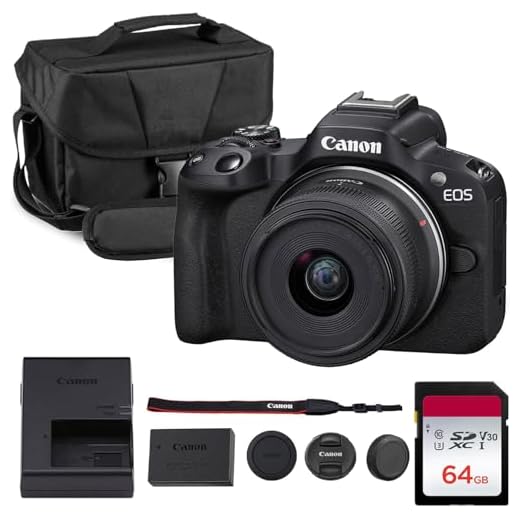
When it comes to digital photography, mirrorless cameras have become increasingly popular due to their compact size and advanced features. One of the key differences between mirrorless cameras and traditional DSLRs is the absence of a mechanical mirror, which allows for a more streamlined design.
One of the advantages of mirrorless cameras is the option to use an electronic shutter, which can offer benefits such as silent operation, faster shutter speeds, and reduced shutter lag. However, not all mirrorless cameras exclusively use electronic shutters, as some models may offer a hybrid system that combines electronic and mechanical shutters.

It’s important for photographers to understand the capabilities of their camera’s shutter system and how it can impact their shooting experience. Whether a mirrorless camera uses an electronic shutter or a combination of electronic and mechanical shutters can influence factors such as noise levels, image quality, and compatibility with certain shooting scenarios.
Are Mirrorless Cameras Equipped with Electronic Shutter?
Mirrorless cameras are known for their advanced technology and features, one of which is the electronic shutter. While not all mirrorless cameras use electronic shutters, many models do offer this functionality as a key feature.
An electronic shutter works differently from a traditional mechanical shutter found in DSLR cameras. Instead of physically opening and closing a curtain to capture an image, an electronic shutter uses electronic signals to control the exposure time, resulting in quieter operation, faster shutter speeds, and minimal shutter lag.
Some mirrorless cameras come equipped with both electronic and mechanical shutters, allowing photographers to choose between the two depending on their shooting needs. Electronic shutters are especially useful for capturing fast-moving subjects or shooting in silent environments where noise can be a distraction.
Overall, while not all mirrorless cameras use electronic shutters, the technology is becoming increasingly common in the mirrorless camera market, offering photographers more versatility and creative control in their photography.
Understanding Mirrorless Camera Technology
Mirrorless cameras are a popular choice for photographers due to their compact size, lightweight design, and advanced features. Unlike traditional DSLR cameras, mirrorless cameras do not have a mirror mechanism inside the camera body. This allows for a more compact design and faster autofocus performance.
One of the key features of mirrorless cameras is the electronic shutter. While not all mirrorless cameras exclusively use electronic shutters, many models offer this feature as an option. Electronic shutters work by electronically controlling the exposure time of the image sensor, eliminating the need for a physical shutter mechanism. This results in quieter operation, faster shutter speeds, and the ability to shoot in complete silence.
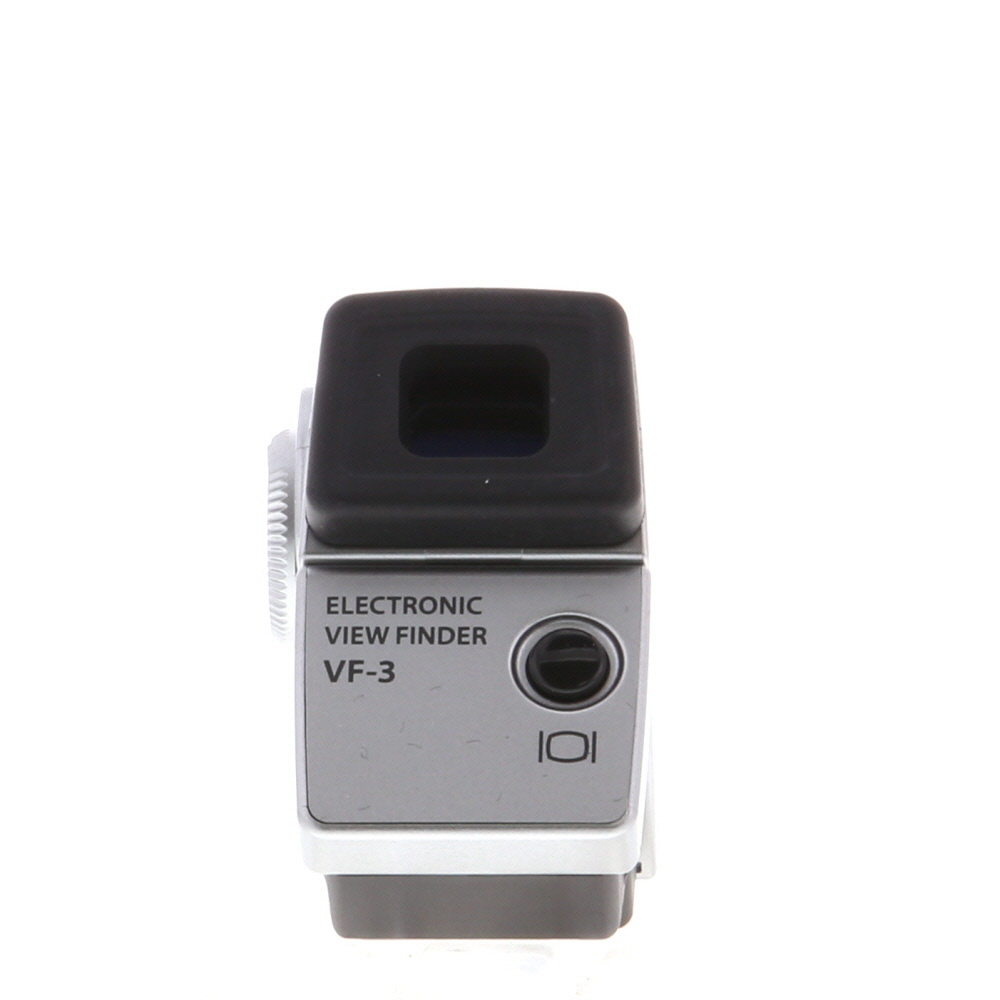
Additionally, mirrorless cameras often utilize electronic viewfinders (EVFs) instead of optical viewfinders found in DSLR cameras. EVFs provide a digital preview of the scene through the lens, allowing photographers to see the exposure and depth of field in real time. This can help photographers make more informed decisions when composing their shots.
Overall, mirrorless camera technology continues to evolve, offering photographers a versatile and innovative tool for capturing high-quality images.
Key Differences Between Mirrorless and DSLR Cameras
When comparing mirrorless and DSLR cameras, there are several key differences to consider:
1. Size and Weight
One of the main advantages of mirrorless cameras is their compact size and lightweight design compared to traditional DSLRs. Mirrorless cameras eliminate the need for a bulky mirror box, resulting in a more portable camera body.
2. Autofocus System
Mirrorless cameras typically use contrast-detection autofocus, which can be slower than the phase-detection autofocus found in DSLRs. However, some mirrorless cameras have advanced hybrid autofocus systems that offer fast and accurate focusing.
- Mirrorless cameras: Contrast-detection autofocus
- DSLR cameras: Phase-detection autofocus
These differences in autofocus technology can impact the speed and accuracy of focusing in different shooting scenarios.
Advantages of Using an Electronic Shutter
1. Silent Operation: Electronic shutters produce minimal noise compared to mechanical shutters, making them ideal for discreet shooting in quiet environments.
2. High-Speed Shooting: Electronic shutters can achieve much faster shutter speeds than mechanical shutters, allowing for capturing fast-moving subjects without motion blur.
3. No Shutter Lag: Electronic shutters have no physical moving parts, reducing shutter lag and enabling immediate capture of the scene when the shutter button is pressed.
4. Reduced Vibrations: With no mechanical movement, electronic shutters eliminate the vibrations caused by traditional shutter mechanisms, resulting in sharper images, especially at slower shutter speeds.
5. Rolling Shutter Effect: Some electronic shutters may exhibit a rolling shutter effect, but advancements in technology are minimizing this issue in modern mirrorless cameras.
Limitations of Electronic Shutter in Mirrorless Cameras
1. Rolling Shutter Effect: One of the main limitations of electronic shutters in mirrorless cameras is the rolling shutter effect. This occurs when the sensor scans the scene from top to bottom or left to right, resulting in distorted images of fast-moving subjects.
2. Banding in Artificial Lighting: Electronic shutters can sometimes cause banding or flickering when shooting under artificial lighting sources such as fluorescent or LED lights. This can affect the overall image quality.
3. Limited Flash Sync Speed: Some mirrorless cameras with electronic shutters have limitations when it comes to using external flash units. The maximum flash sync speed may be slower compared to using a mechanical shutter.
4. Overheating Issues: Continuous use of the electronic shutter in mirrorless cameras can lead to overheating problems, especially when shooting in high-temperature environments or capturing long video clips.
5. Limited Compatibility: Not all mirrorless cameras support electronic shutter functionality, so it’s important to check the specifications of your camera model to determine if this feature is available.
Do All Mirrorless Cameras Have Electronic Shutter Functionality?
Not all mirrorless cameras have electronic shutter functionality. While many modern mirrorless cameras come equipped with electronic shutters, some models may still rely on mechanical shutters or offer a hybrid option that allows users to choose between electronic and mechanical shutter modes.
Electronic shutters offer advantages such as silent shooting, faster shutter speeds, and minimal shutter lag. However, some photographers may prefer the tactile feedback and durability of mechanical shutters. It’s important to check the specifications of a specific mirrorless camera model to determine whether it features electronic shutter functionality.
Choosing the Right Mirrorless Camera for Your Needs
When selecting a mirrorless camera, it’s essential to consider your specific needs and preferences to find the best fit for you. Here are some key factors to keep in mind:
1. Sensor Size: Mirrorless cameras come with different sensor sizes, including full-frame, APS-C, and Micro Four Thirds. The sensor size will affect image quality and low-light performance.
2. Lens Compatibility: Check the availability of lenses for the camera system you choose. Some brands offer a wide range of lenses, while others have a more limited selection.
3. Autofocus System: Consider the autofocus speed and accuracy of the camera, especially if you plan to shoot fast-moving subjects or in low light conditions.
4. Image Stabilization: Look for cameras with built-in image stabilization to reduce the effects of camera shake and capture sharper images.
5. Video Capabilities: If you’re interested in shooting videos, consider the camera’s video resolution, frame rates, and additional features like 4K recording and slow-motion options.
6. Size and Weight: Mirrorless cameras are known for their compact and lightweight design, making them great for travel and everyday use. Consider the portability of the camera for your needs.
By considering these factors and doing thorough research, you can choose the right mirrorless camera that meets your photography needs and preferences.
Exploring the Future of Mirrorless Camera Technology
Mirrorless cameras have revolutionized the world of photography with their compact size, lightweight design, and advanced features. As technology continues to evolve, the future of mirrorless cameras looks promising, with exciting innovations on the horizon.
The Rise of Electronic Shutters
Electronic shutters have become increasingly popular in mirrorless cameras due to their silent operation, fast shutter speeds, and minimal shutter lag. Many mirrorless cameras now offer electronic shutter options, allowing photographers to capture images without any mechanical movement.
However, not all mirrorless cameras use electronic shutters exclusively. Some models still incorporate a hybrid shutter system that combines electronic and mechanical shutter mechanisms for optimal performance in different shooting scenarios.
Enhanced Autofocus Systems
The future of mirrorless cameras also promises advancements in autofocus systems, with improved speed, accuracy, and tracking capabilities. From face and eye detection to advanced subject recognition algorithms, mirrorless cameras are set to deliver even better autofocus performance for both still photography and video recording.


Do all mirrorless cameras have the option for electronic shutter, or are there specific models that don’t?
Not all mirrorless cameras feature electronic shutters. Some models rely on mechanical shutters or offer a hybrid system, allowing users to switch between modes. It's best to check the specifications of each model.
Could someone clarify the banding issue mentioned with electronic shutters? I've noticed it in my photos, especially under artificial lights, and I'm not sure how to avoid it.
Banding can occur due to the way electronic shutters read the image sensor, especially under flickering lights. To avoid this, try adjusting your shutter speed to match the frequency of the lights or switch to mechanical mode if available.
I've been using a mirrorless camera with an electronic shutter for a few months now. The silent operation is fantastic for street photography, but I did notice some distortion when capturing fast-moving subjects. Overall, it's a mixed bag depending on the shooting scenario.
I wonder how electronic shutters compare to mechanical shutters in terms of durability. Anyone have insights on that?
Mechanical shutters can offer more tactile feedback and might be more durable in certain conditions. However, electronic shutters have no moving parts, which might reduce wear and tear over time.
I disagree with the idea that electronic shutters are always better. Sometimes the mechanical shutter provides necessary control in tricky lighting situations, like when using flash.
That's a valid point! Mechanical shutters can be more reliable in certain scenarios, especially with flash sync, which can be limited with electronic shutters.
I love that mirrorless cameras are getting more popular. The electronic shutter really makes a difference in quiet environments!