
 Carmen J. Moore

Night photography is a challenging yet rewarding genre that requires the right equipment to capture stunning images in low light conditions. The debate over whether mirrorless cameras are suitable for night photography has been ongoing among photographers.
Mirrorless cameras have gained popularity for their compact size, lightweight design, and advanced features. But are they up to the task when it comes to capturing sharp and noise-free images in low light?
In this article, we will explore the advantages and limitations of mirrorless cameras for night photography, and provide tips on how to make the most of these innovative devices in challenging lighting conditions.


Advantages of Mirrorless Cameras for Night Photography
1. Low Light Performance: Mirrorless cameras often have larger sensors and better low light performance compared to compact cameras. This allows for clearer and sharper images in low light conditions, making them ideal for night photography.
2. Electronic Viewfinder: Mirrorless cameras come with electronic viewfinders that provide a real-time preview of the image, even in low light. This makes it easier to compose your shots and adjust settings without relying solely on the camera’s LCD screen.
3. Compact and Lightweight: Mirrorless cameras are generally more compact and lightweight than traditional DSLRs, making them easier to carry around for night photography sessions. This portability can be especially beneficial when shooting in challenging lighting conditions.
4. Silent Shooting Mode: Many mirrorless cameras offer a silent shooting mode, which is useful for capturing images in quiet environments or when you don’t want to draw attention to yourself. This feature can be particularly handy for night photography where noise can be a concern.
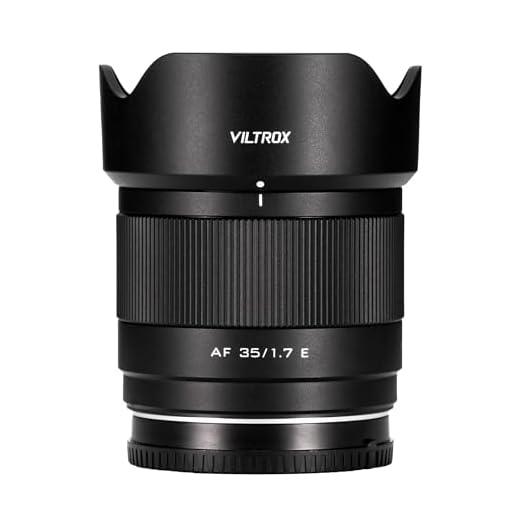
5. Wide Range of Lenses: Mirrorless cameras often have a wide selection of lenses available, including fast prime lenses and wide-aperture zoom lenses that are perfect for night photography. This variety allows photographers to experiment with different focal lengths and styles to achieve the desired results.
No Mirror Means Less Vibration
One of the key advantages of mirrorless cameras for night photography is that they have fewer moving parts compared to DSLRs. Mirrorless cameras do not have a mirror mechanism that flips up and down every time you take a photo, which can cause vibrations and camera shake. This can be particularly beneficial when shooting in low light conditions where any slight movement can result in blurry images.
With mirrorless cameras, the absence of a mirror means less internal movement, resulting in reduced vibration and a more stable shooting platform. This can lead to sharper images, especially when shooting at slow shutter speeds or with long exposure times. Additionally, some mirrorless cameras feature in-body image stabilization (IBIS) which further helps to counteract camera shake and produce clearer night photos.
Lightweight and Portable
One of the key advantages of mirrorless cameras for night photography is their lightweight and portable design. Mirrorless cameras are typically smaller and lighter than DSLR cameras, making them easier to carry around for extended periods of time, especially when shooting in low light conditions. This portability allows photographers to move around more freely and explore different angles and compositions without feeling weighed down by heavy gear.
Additionally, the compact size of mirrorless cameras makes them ideal for travel and outdoor photography, as they can easily fit into a backpack or camera bag without taking up too much space. This convenience makes mirrorless cameras a great choice for photographers who want to capture stunning night scenes without being burdened by bulky equipment.
Electronic Viewfinder for Low Light
One of the advantages of mirrorless cameras for night photography is the electronic viewfinder (EVF). The EVF allows you to compose your shots accurately even in low light conditions. Unlike optical viewfinders found in DSLRs, the EVF shows you a live feed of what the sensor is capturing, giving you a clear view of your scene in real-time.
When shooting at night, the EVF can be incredibly helpful in ensuring that your exposure settings are correct and that you are focusing accurately. The electronic display can enhance visibility in dark environments, making it easier to frame your shots and adjust settings accordingly.
Benefits of EVF for Night Photography:
| 1. Enhanced visibility in low light conditions |
| 2. Real-time exposure feedback |
| 3. Accurate focusing assistance |
High ISO Performance
One of the key advantages of mirrorless cameras for night photography is their high ISO performance. Mirrorless cameras typically have larger sensors compared to compact cameras, allowing them to capture more light and produce less noise at higher ISO settings.
With a mirrorless camera, you can push the ISO settings higher without worrying too much about introducing excessive noise, ensuring that you can capture clear and detailed shots even in low-light conditions. This is particularly important for night photography, where you often need to use higher ISO settings to achieve the desired exposure.
Low-Light Autofocus
Additionally, many mirrorless cameras are equipped with advanced low-light autofocus systems, allowing you to quickly and accurately focus in dark environments. This feature can be crucial for capturing sharp images in night photography scenarios where focusing can be challenging.
| Advantages | Disadvantages |
|---|---|
| Excellent high ISO performance | May have shorter battery life |
| Low-light autofocus capabilities | Higher initial cost compared to some DSLRs |
Adaptable Lens Options
One of the key advantages of mirrorless cameras for night photography is the wide range of adaptable lens options available. Mirrorless cameras typically have a shorter flange focal distance, allowing for the use of a variety of lenses through adapters. This means photographers can experiment with different lenses to achieve unique effects and capture stunning night-time shots.
From wide-angle lenses for capturing expansive nightscapes to fast prime lenses for shooting in low light conditions, mirrorless cameras offer photographers the flexibility to choose lenses that best suit their specific needs for night photography. Additionally, the ability to adapt lenses from other camera systems opens up a world of creative possibilities, making mirrorless cameras a versatile choice for capturing the beauty of the night sky.
Real-time Exposure Preview
One of the key advantages of mirrorless cameras for night photography is the real-time exposure preview feature. When shooting in low light conditions, it can be challenging to gauge the correct exposure settings. With a mirrorless camera, you can see the exposure changes in real-time on the electronic viewfinder or LCD screen as you adjust settings like aperture, shutter speed, and ISO.
This live exposure preview allows you to fine-tune your settings and see the impact on the image before you press the shutter button. This can greatly help you achieve the desired exposure for your night shots without the need for trial and error.
Focus Peaking for Manual Focus
One of the key advantages of mirrorless cameras for night photography is the ability to use focus peaking for manual focus. Focus peaking is a feature that highlights in-focus areas of the image, making it easier to achieve sharp focus in low light conditions. This is particularly useful when shooting at night, as it can be challenging to see the details on the camera’s LCD screen or electronic viewfinder.
With focus peaking, you can easily identify the areas that are in focus by the colored outlines that appear around them. This helps you make quick adjustments to achieve the desired focus, especially when working with manual focus lenses or in situations where autofocus may struggle to lock onto a subject.
| Benefits of Focus Peaking: |
| – Helps achieve precise manual focus in low light conditions |
| – Useful when working with manual focus lenses |
| – Speeds up the focusing process for night photography |
Silent Shooting Mode
One of the key advantages of mirrorless cameras for night photography is their silent shooting mode. When shooting in low light conditions, keeping the camera steady is crucial to avoid blurriness in the final image. With the silent shooting mode, you can capture images without the noise of the shutter mechanism, reducing the chances of camera shake. This is especially useful for long exposure shots where any movement can ruin the image.
Additionally, the silent shooting mode is beneficial for shooting in quiet environments or when you don’t want to draw attention to yourself. It allows you to capture images discreetly without disturbing the surroundings.
Long Battery Life
Another advantage of mirrorless cameras for night photography is their typically long battery life. Mirrorless cameras are designed to be more power-efficient compared to traditional DSLR cameras, allowing you to capture more shots on a single charge.
When shooting in low-light conditions or during long exposure shots, having a camera with a long battery life is essential to ensure you don’t miss any opportunities to capture stunning night scenes. With a mirrorless camera, you can rely on its extended battery life to keep shooting without constantly worrying about running out of power.
Image Stabilization Systems
One of the key features of mirrorless cameras that make them great for night photography is their advanced image stabilization systems. These systems help reduce camera shake, allowing you to capture sharp images even in low light conditions.
Types of Image Stabilization:
There are two main types of image stabilization systems found in mirrorless cameras: in-body stabilization (IBIS) and lens-based stabilization. IBIS works by moving the camera sensor to counteract any vibrations or movements, while lens-based stabilization involves moving lens elements to achieve the same effect.
Benefits of Image Stabilization: Image stabilization systems help you achieve longer handheld exposures without the need for a tripod, making them ideal for capturing night scenes where a tripod may not be practical or allowed. They also improve the overall sharpness and clarity of your images, especially in low light situations.




I find the silent shooting mode super helpful at night. It's perfect for not disturbing the atmosphere!
Are mirrorless cameras really better for low-light photography than DSLRs?
I don’t agree that mirrorless cameras are always better for night photography. I’ve had issues with autofocus in low light on my mirrorless, and sometimes the EVF doesn’t show the right exposure until after the shot. DSLRs can be more reliable in certain situations.
It's true that some photographers prefer DSLRs for their optical viewfinders and autofocus systems. However, mirrorless technology is rapidly improving, especially in low-light performance.
I've been using a mirrorless camera for night shoots, and the high ISO performance is impressive. I can push it to 3200 without much noise.
I've been using a mirrorless camera for night photography for about a year now, and I absolutely love it! The low-light performance is incredible, and the silent shooting mode really lets me capture moments without disturbing the ambiance. I shot some star trails last month, and I didn't have issues with noise at high ISO. Definitely recommend it!
Are there any specific lens recommendations for mirrorless cameras that work best for capturing the night sky?
I love the compactness of mirrorless cameras. It makes carrying gear for night shoots so much easier. Less weight means I can shoot longer!
I don't think mirrorless cameras are necessarily better. I still get great night shots with my DSLR, especially with good lenses.
That's a valid point! DSLRs can still perform exceptionally well at night, especially with the right technique and equipment.
I switched from a DSLR to a mirrorless camera last year. The electronic viewfinder is a game-changer for night photography. I can see my exposure changes in real-time, which helps a lot. However, I do miss the battery life of my DSLR.
I agree, the EVF is a big plus, but I think the shorter battery life can be a hassle during longer shoots.
It's a common trade-off. Using battery grips or extra batteries can help mitigate that issue.
Can you explain what focus peaking is?
I'm considering switching to a mirrorless camera for night photography, but I'm worried about battery life. How much shorter is the battery life compared to DSLRs?