
 Carmen J. Moore

So, you’ve decided to take your photography to the next level and invest in a DSLR camera. Congratulations! DSLR cameras offer superior image quality, versatility, and control compared to point-and-shoot cameras or smartphones. However, with so many options on the market, it can be overwhelming to know where to begin.
When starting your journey with DSLR cameras, it’s important to consider your budget, photography goals, and level of experience. Do you want a camera for casual shooting or are you looking to pursue photography more seriously? Are you a beginner or an experienced photographer looking to upgrade? These factors will help you narrow down your choices and find the perfect DSLR camera for your needs.
Researching different camera models, reading reviews, and getting hands-on experience with the cameras you’re interested in are crucial steps in making an informed decision. Don’t be afraid to ask for recommendations from fellow photographers or visit a camera store to test out different models. Remember, the best DSLR camera for you is the one that feels comfortable in your hands and helps you achieve your photographic vision.
Understanding DSLR Cameras
DSLR cameras, or digital single-lens reflex cameras, are popular among photographers for their versatility and image quality. Understanding the key components and features of DSLR cameras can help you make the most of your photography experience.


Components of a DSLR Camera
A DSLR camera consists of a body, lens, image sensor, mirror, viewfinder, and various controls. The lens determines the quality of the image, while the image sensor captures the light and converts it into a digital image. The mirror reflects the light into the viewfinder, allowing you to see what the camera sees in real-time.
Features of DSLR Cameras
DSLR cameras offer a range of features such as manual controls, interchangeable lenses, high-resolution image sensors, and fast autofocus systems. These features allow photographers to have more control over their shots and produce high-quality images in various shooting conditions.
Choosing the Right DSLR Camera
When it comes to choosing the right DSLR camera, there are several factors to consider to ensure that you get the best camera for your needs.
1. Determine Your Budget
Before you start looking at DSLR cameras, it’s important to set a budget. DSLR cameras can vary significantly in price, so knowing how much you’re willing to spend will help narrow down your options.
2. Consider Your Level of Expertise
Think about your level of expertise with cameras. Are you a beginner looking to learn the basics, or are you a more experienced photographer looking for advanced features? Make sure to choose a camera that matches your skill level.
By considering these factors and doing some research, you’ll be able to choose the right DSLR camera that meets your needs and helps you capture stunning photos.
Key Features to Look for
When choosing a DSLR camera, there are several key features to consider:
- Megapixels: Higher megapixels mean better image resolution, but it’s not the only factor to consider.
- ISO Range: A wider ISO range allows for better low-light performance.
- Autofocus System: Look for cameras with fast and accurate autofocus systems for sharp images.
- Burst Mode: Cameras with high burst rates are ideal for capturing fast-moving subjects.
- Video Capabilities: If you plan to shoot videos, consider cameras with good video recording features.
- Connectivity: Look for cameras with built-in Wi-Fi or Bluetooth for easy sharing of photos.
Learning the Basics of DSLR Photography
When starting out with a DSLR camera, it’s important to understand the basics of photography to make the most of your equipment. Here are some key concepts to get you started:
| Aperture: | The aperture controls the amount of light entering the camera. A lower f-number means a larger aperture and more light. |
| Shutter Speed: | Shutter speed determines how long the camera’s shutter remains open. A faster shutter speed freezes motion, while a slower speed can create motion blur. |
| ISO: | ISO measures the camera sensor’s sensitivity to light. A higher ISO is useful in low-light conditions but can introduce noise to the image. |
| Exposure: | Exposure is the combination of aperture, shutter speed, and ISO that determines the overall brightness of an image. Balancing these settings is crucial for a well-exposed photo. |
| Focus: | Using the camera’s autofocus system or manual focus, ensure your subject is sharp and in focus for a clear image. |
By mastering these basic concepts, you’ll be well on your way to capturing stunning photos with your DSLR camera. Practice and experimentation will help you develop your skills further as you explore the world of photography.
Essential Accessories for DSLR Cameras
When it comes to DSLR cameras, having the right accessories can make a huge difference in the quality of your photos and videos. Here are some essential accessories that every DSLR owner should consider:
Lens Cleaning Kit
- A lens cleaning kit is crucial for keeping your lenses free from dust, dirt, and smudges. It typically includes a lens cleaning solution, a microfiber cloth, and a brush to remove debris.
Tripod
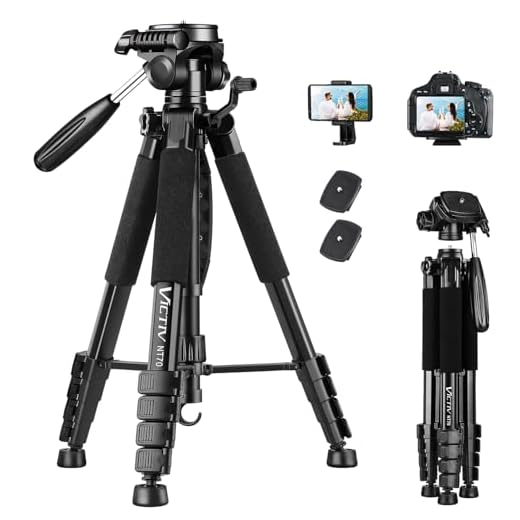
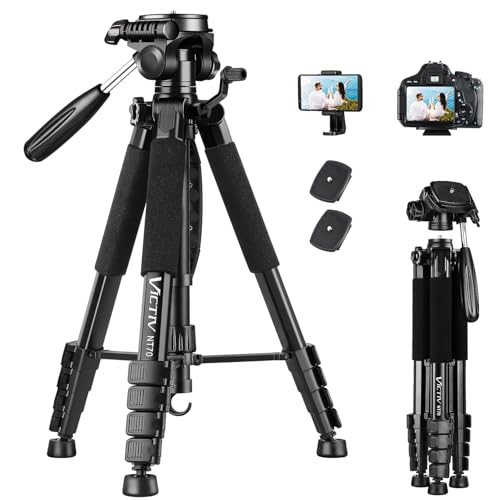
- A tripod is essential for capturing sharp, stable shots, especially in low light conditions or when shooting long exposures. Look for a sturdy tripod that can support the weight of your camera and lens.
These are just a few essential accessories to consider for your DSLR camera. Investing in quality accessories can help you take your photography to the next level.
Mastering Manual Settings
One of the key advantages of a DSLR camera is the ability to manually control settings such as aperture, shutter speed, and ISO. Understanding how these settings work together can greatly enhance your photography skills.
To master manual settings, start by learning about the exposure triangle, which consists of aperture, shutter speed, and ISO. Aperture controls the amount of light that enters the camera, shutter speed determines how long the light is allowed to hit the sensor, and ISO controls the sensor’s sensitivity to light.
Experiment with different combinations of these settings to see how they affect your photos. For example, a wide aperture (lower f-stop number) will create a shallow depth of field, while a slow shutter speed can capture motion blur. Adjusting the ISO can help you shoot in low-light conditions without introducing too much noise.
Practice using manual settings in various lighting conditions to become more comfortable with adjusting them quickly. With time and practice, you’ll be able to confidently set your camera to manual mode and capture stunning images with complete creative control.
Tips for Capturing Stunning Photos
When using a DSLR camera, there are several tips and techniques you can use to capture stunning photos:
- Master the Manual Mode: Learn how to adjust the aperture, shutter speed, and ISO settings to control the exposure of your photos.
- Use a Tripod: For sharp, clear images, especially in low light situations, a tripod can help stabilize your camera.
- Experiment with Composition: Play around with different angles, framing techniques, and the rule of thirds to create visually appealing photos.
- Understand Lighting: Pay attention to natural light, artificial light, and the direction of light to enhance the mood and atmosphere of your photos.
- Practice Patience: Sometimes the best shots require waiting for the perfect moment, so be patient and ready to capture it when it comes.
Editing and Enhancing DSLR Images
Once you have captured stunning images with your DSLR camera, the next step is to edit and enhance them to make them even more impressive. Editing software like Adobe Lightroom and Photoshop allows you to adjust exposure, contrast, colors, and sharpness to make your photos pop. You can also remove blemishes, unwanted objects, and distractions from your images with these powerful tools.
Experiment with different editing techniques, such as cropping, adding filters, and adjusting levels, to find the style that best suits your vision. Remember, editing is a creative process that can greatly enhance the impact of your DSLR images and make them stand out from the crowd.
Sharing Your DSLR Creations
Once you have captured stunning photos with your DSLR camera, it’s time to share them with the world. Here are some tips on how to effectively share your DSLR creations:
1. Social Media Platforms
One of the easiest ways to showcase your DSLR photos is by sharing them on popular social media platforms like Instagram, Facebook, and Twitter. Use relevant hashtags to reach a wider audience and engage with other photographers.
2. Online Photography Communities
Join online photography communities such as Flickr, 500px, or photography forums to connect with like-minded individuals and get feedback on your work. These platforms are great for discovering new techniques and inspiration.
By sharing your DSLR creations online, you can build a portfolio, gain exposure, and connect with a supportive community of photographers.
Exploring Advanced Techniques
Once you are comfortable with the basic functions of your DSLR camera, it’s time to explore advanced techniques to take your photography to the next level. Here are some techniques you can try:
1. Manual Mode Mastery
Experiment with shooting in manual mode to have full control over your camera settings, including aperture, shutter speed, and ISO. This will allow you to create unique and creative images.
2. Understanding Depth of Field
Learn how to manipulate depth of field to control what is in focus in your photos. Play around with different apertures to achieve either a shallow depth of field for a blurred background or a deep depth of field to keep everything in focus.
- Experiment with different lenses to see how they affect depth of field.
- Practice focusing on different subjects within the frame to create interesting compositions.
By exploring these advanced techniques, you will enhance your photography skills and create stunning images with your DSLR camera.
FAQ
What are the key features to consider when choosing a DSLR camera?
When choosing a DSLR camera, it is important to consider factors such as the sensor size, resolution, ISO range, autofocus system, connectivity options, and the availability of interchangeable lenses. These features can greatly impact the quality of your photos and the flexibility of the camera.
Is it necessary to invest in expensive DSLR cameras for beginners?
It is not necessary to invest in expensive DSLR cameras for beginners. There are many entry-level DSLR cameras available that offer good image quality and features at a more affordable price. It’s more important to focus on learning the basics of photography and understanding how to use the camera effectively rather than spending a lot of money on a high-end model.


I've been torn between Canon and Nikon for my first DSLR. Some say Canon is better for video, while Nikon excels in still photography. Can anyone share their experiences with both brands?
I've used both, and I found Canon's autofocus for video to be much smoother, but Nikon's color depth in stills is amazing. It really depends on what you'll be shooting more.
Can you explain what the exposure triangle is? I’ve heard the term but I'm not really sure how aperture, shutter speed, and ISO work together.
I started with a Nikon D3500 and it was perfect for learning the basics. The manual mode helped me understand exposure really well!
I'm considering my first DSLR. What are the key differences I should look for between entry-level and more advanced models?
Entry-level DSLRs typically have simpler controls, fewer manual settings, and may lack advanced features like faster autofocus and higher frame rates. Advanced models often offer better low-light performance, more customizable settings, and additional features such as weather sealing.