
 Carmen J. Moore

In the age of technology, the debate over whether cell phones will replace digital cameras continues to spark discussions among photography enthusiasts and tech aficionados alike. With the rapid advancements in smartphone camera technology, the line between traditional digital cameras and mobile devices has blurred, raising questions about the future of dedicated cameras.


On one hand, the convenience and portability of cell phones have made them the go-to option for capturing everyday moments on the fly. With the rise of social media platforms and the constant need to share images instantly, smartphones have become the preferred choice for many users who prioritize convenience over technical capabilities.
However, dedicated digital cameras still hold a special place in the hearts of professional photographers and hobbyists who value image quality, control over settings, and the tactile experience of using a traditional camera. While smartphones have made significant strides in image quality, they still struggle to match the versatility and performance of high-end digital cameras.
Will Cell Phones Replace Digital Cameras?
In recent years, cell phones have become increasingly advanced in terms of camera technology. Many modern smartphones now boast high-resolution cameras, advanced image processing capabilities, and a range of photography features that rival those of dedicated digital cameras.
As cell phones continue to improve their camera capabilities, some industry experts predict that they may eventually replace traditional digital cameras for everyday photography needs. The convenience of having a high-quality camera built into a device that people carry with them everywhere has contributed to the decline in sales of standalone digital cameras.
However, while cell phone cameras have made significant strides in recent years, dedicated digital cameras still offer advantages in terms of image quality, optical zoom capabilities, and manual controls. Professional photographers and enthusiasts often prefer the versatility and performance of digital cameras for more demanding photography tasks.

Ultimately, whether cell phones will completely replace digital cameras remains to be seen. While cell phone cameras have become the go-to option for casual photography and social media sharing, dedicated digital cameras continue to have a place in the photography world for their superior image quality and advanced features.
Impact of Technology on Photography Industry
Advancements in technology have significantly transformed the photography industry in recent years. The introduction of digital cameras revolutionized the way photos are taken, stored, and shared. With the rise of smartphones equipped with high-quality cameras, more and more people are turning to their mobile devices for capturing moments.
1. Accessibility
Smartphones have made photography accessible to everyone. The ease of carrying a camera in your pocket has led to a surge in the number of photos taken daily. This accessibility has also opened up new opportunities for aspiring photographers to showcase their work on social media platforms.
2. Quality and Convenience
The quality of smartphone cameras has improved dramatically over the years, rivaling that of traditional digital cameras. The convenience of having a camera and editing tools in one device has made it easier for users to take, edit, and share photos instantly. This has changed the way people engage with photography, making it more immediate and interactive.
- Smartphones have also spurred innovation in photography apps and filters, allowing users to enhance their photos with creative effects.
- Professional photographers have embraced mobile photography as a complementary tool to their traditional gear, enabling them to capture moments quickly and share them with a wider audience.
In conclusion, while smartphones have become a dominant force in the photography industry, traditional digital cameras still hold a place for professional photographers and enthusiasts. The evolving technology landscape continues to shape the way we capture and appreciate images, offering new possibilities and challenges for the industry.
Evolution of Camera Phones
Camera phones have come a long way since their introduction in the early 2000s. Initially, the cameras on cell phones were low-resolution and produced poor quality images. However, with advancements in technology, camera phones have evolved to rival standalone digital cameras in terms of image quality and features.
Key Milestones:
- Introduction of camera phones with higher megapixel counts
- Integration of advanced image processing software for better image quality
- Addition of optical image stabilization for clearer photos and videos
Today, many flagship smartphones boast powerful camera systems with multiple lenses, AI-powered features, and professional-grade editing tools. As a result, camera phones have become the primary choice for capturing everyday moments, social media content, and even professional photography.
While standalone digital cameras still have their place in the photography world, the convenience and versatility of camera phones continue to drive their popularity and adoption among consumers.
Quality of Images Captured by Phones
With advancements in technology, the quality of images captured by cell phones has significantly improved over the years. Many modern smartphones are equipped with high-resolution cameras, sophisticated sensors, and advanced image processing algorithms that rival the image quality of traditional digital cameras.
The latest smartphones boast features such as multiple lenses, optical image stabilization, and larger image sensors, allowing users to capture detailed and vibrant images in various lighting conditions. Additionally, the integration of artificial intelligence in camera software has enhanced the overall image quality by optimizing settings and improving post-processing.
While cell phones may not yet match the image quality of professional digital cameras in certain scenarios, they have become a convenient and capable alternative for everyday photography. As technology continues to evolve, it is likely that cell phones will continue to narrow the gap in image quality with dedicated digital cameras.
Advantages of Using Cell Phones for Photography
Cell phones offer several advantages when it comes to photography:
- Convenience: Cell phones are compact and always with us, making them convenient for capturing spontaneous moments.
- Easy Sharing: Cell phones allow for instant sharing of photos through social media platforms, email, or messaging apps.
- Editing Tools: Many cell phones come equipped with built-in editing tools that allow for quick and easy photo enhancements.
- Portability: Cell phones are lightweight and easy to carry around, making them ideal for travel or outdoor photography.
- Integration with Apps: Cell phones can be used with a variety of photography apps that enhance creativity and offer additional features.
Disadvantages of Using Cell Phones for Photography
While cell phones have made photography more accessible and convenient, there are some drawbacks to using them as primary cameras:
1. Limited Image Quality
Cell phone cameras generally have smaller sensors and lenses compared to dedicated digital cameras, resulting in lower image quality, especially in low light conditions.
2. Lack of Manual Controls
Most cell phone cameras have limited manual controls, such as aperture and shutter speed settings, which can restrict creative flexibility and control over the final image.

Additionally, the ergonomics of holding a cell phone for extended periods of time may not be as comfortable as using a dedicated camera with a proper grip.
- 3. Battery Life Concerns
- 4. Storage Limitations
- 5. Limited Optical Zoom
Future of Digital Cameras in Smartphone Era
In the smartphone era, the future of digital cameras is a topic of debate. With the advancement of technology in smartphones, the quality of the built-in cameras has significantly improved. Many users now rely on their smartphones for capturing everyday moments, thanks to the convenience and portability they offer.
However, dedicated digital cameras still have their place in the photography world. Professional photographers and enthusiasts often prefer the superior image quality, manual controls, and versatility that digital cameras provide. They also offer a wider range of lenses and accessories, allowing for more creative freedom.
While smartphones continue to evolve and incorporate more advanced camera features, digital cameras are also adapting to stay relevant. Some digital cameras now offer wireless connectivity, advanced autofocus systems, and high-resolution sensors to compete with smartphone cameras.
Ultimately, the future of digital cameras in the smartphone era may involve a shift towards specialized use cases, with smartphones catering to casual photography and digital cameras serving professionals and photography enthusiasts. Both devices have their unique strengths and will likely coexist in the evolving photography landscape.
Professionals’ Perspective on Cell Phone Cameras
As technology advances, cell phone cameras have become increasingly sophisticated, blurring the line between traditional digital cameras and smartphones. Professionals in the photography industry are divided in their opinions about whether cell phone cameras will eventually replace dedicated digital cameras.
Benefits of Cell Phone Cameras
Many professionals appreciate the convenience and portability of cell phone cameras. They allow photographers to capture high-quality images on the go without having to carry bulky equipment. Additionally, cell phone cameras offer a wide range of editing options and instant sharing capabilities, making them ideal for social media and quick photo shoots.
Limitations of Cell Phone Cameras
On the other hand, some professionals argue that cell phone cameras still lack the image quality and control that dedicated digital cameras provide. They point out issues such as limited optical zoom, smaller sensors, and reduced manual settings, which can impact the overall quality of the images produced.
| Pros of Cell Phone Cameras | Cons of Cell Phone Cameras |
|---|---|
| Convenience and portability | Limited image quality |
| Editing options and instant sharing | Lack of control and manual settings |
Innovation in Camera Phone Technology
With the rapid advancement of technology, camera phones have come a long way in terms of innovation. Manufacturers are constantly introducing new features and improvements to enhance the photography experience on mobile devices.
One of the key innovations in camera phone technology is the integration of multiple lenses. Dual, triple, and even quad-camera setups are becoming more common, allowing users to capture different perspectives and achieve professional-quality photos.
Advancements in image processing
Another area of innovation is in image processing algorithms. AI-powered features such as scene recognition, portrait mode, and night mode help users take better photos in various lighting conditions and settings.
Furthermore, advancements in sensor technology, such as larger sensors and improved low-light performance, contribute to the overall image quality produced by camera phones.
Overall, the continuous innovation in camera phone technology is pushing the boundaries of mobile photography and challenging the traditional digital camera market.
Consumer Preferences in Photography Devices
When it comes to choosing between cell phones and digital cameras for photography, consumers have varying preferences based on their needs and preferences.
Quality
Many consumers value the quality of the images they capture, and may prefer using a digital camera for its superior image quality compared to most cell phone cameras. Professional photographers, in particular, often opt for digital cameras for their high-resolution images and advanced features.
Convenience
On the other hand, convenience plays a significant role in consumer preferences. Cell phones are compact, easy to carry, and always at hand, making them a popular choice for quick snapshots and casual photography. The convenience of being able to edit and share photos instantly from a cell phone also appeals to many consumers.
- Some consumers may choose to use both cell phones and digital cameras, depending on the situation and their photography needs.
- Others may prioritize affordability, opting for a cell phone with a decent camera rather than investing in a separate digital camera.
FAQ
Will cell phones eventually replace digital cameras?
It is possible that cell phones will eventually replace digital cameras for many people. With advancements in technology, the quality of smartphone cameras has improved significantly, making them capable of capturing high-quality photos and videos. Additionally, the convenience of having a camera built into a device that most people carry with them at all times is a major appeal. However, professional photographers and enthusiasts may still prefer dedicated digital cameras for their specialized features and superior image quality.
What are the advantages of using a cell phone camera over a digital camera?
Using a cell phone camera offers several advantages over a digital camera. Cell phones are compact and portable, allowing users to capture moments quickly and easily without the need to carry an additional device. Smartphone cameras are also equipped with various editing tools and filters that make it convenient to enhance photos on the go. Additionally, the ability to instantly share photos and videos through social media platforms directly from a cell phone is a major advantage.
Are there any drawbacks to using a cell phone camera instead of a digital camera?
While cell phone cameras have improved significantly over the years, there are still some drawbacks compared to dedicated digital cameras. One of the main limitations is the quality of the image, especially in low-light conditions or when zooming in on a subject. Digital cameras typically have larger sensors and better optical zoom capabilities, which result in higher-quality images. Additionally, professional photographers may find the manual controls and customization options on digital cameras more suitable for their needs.
How can cell phone manufacturers continue to improve their cameras to compete with digital cameras?
Cell phone manufacturers can continue to improve their cameras by focusing on technology advancements such as increasing sensor size, improving low-light performance, and enhancing optical zoom capabilities. Additionally, incorporating features like image stabilization, advanced autofocus systems, and AI-driven photography modes can help enhance the overall quality of smartphone cameras. Collaborations with professional photographers and camera companies to implement cutting-edge technology and features can also help cell phone cameras compete with dedicated digital cameras.


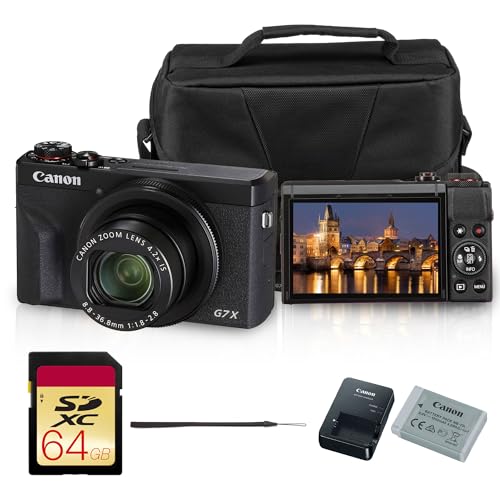
Do you think cell phones will ever fully replace high-end cameras for professional photography?
I've been using my smartphone for photography lately and I love the convenience. But I still pull out my DSLR for important events. There's just something about the quality and control that a dedicated camera gives you.
I agree! The image quality and manual settings on my DSLR make a huge difference, especially in low light.