
 Carmen J. Moore

Look-Up Tables (LUTs) play a crucial role in the world of digital photography, especially when it comes to color grading and post-processing. LUTs are essentially files that contain mathematical instructions on how to map one color space to another. In the context of digital cameras, LUTs are used to ensure accurate color reproduction and consistency across different devices and software.
When shooting with a digital camera, the camera sensor captures the scene in a specific color space, such as sRGB or Adobe RGB. However, the final output may require a different color space, such as Rec. 709 for video or a specific printer profile for printing. This is where LUTs come into play, as they allow photographers and videographers to easily transform colors from one color space to another without losing quality or accuracy.
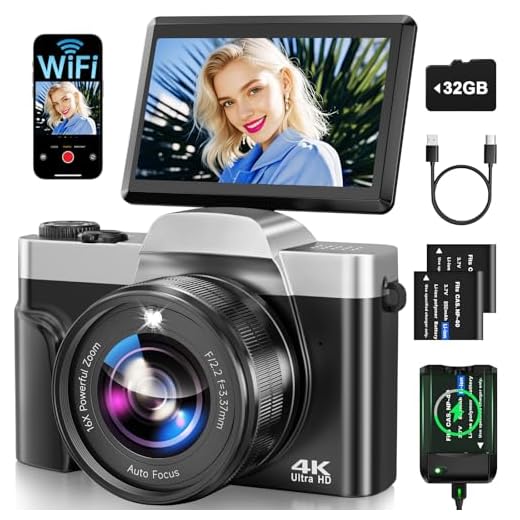

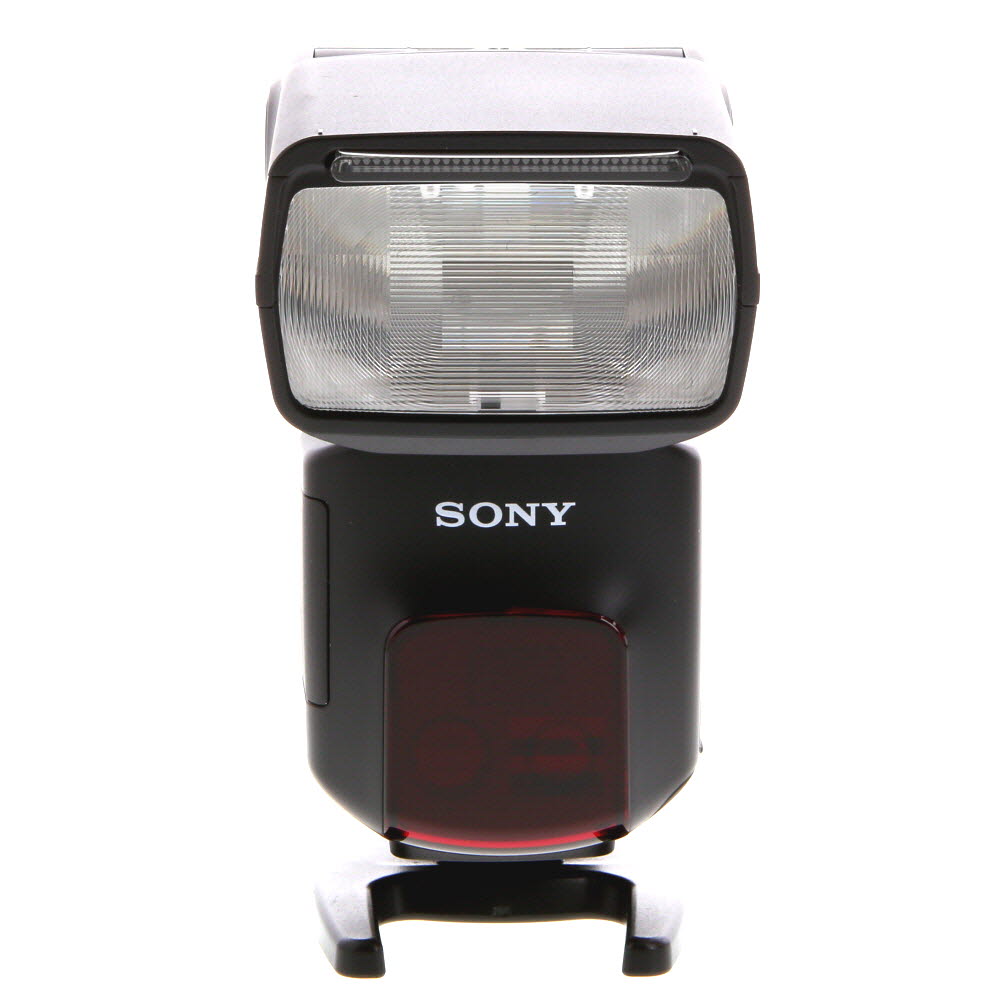
Understanding how LUTs work and how to effectively utilize them can greatly enhance the post-processing workflow and help achieve the desired look and feel in your images and videos. By incorporating LUTs into your editing process, you can maintain color consistency, correct white balance issues, and create a cohesive visual style across your work.
Understanding LUTs in Digital Cameras
Look-Up Tables (LUTs) are an essential tool in digital photography and videography, especially when it comes to color grading and color correction. A LUT is a file that contains a set of instructions used to map colors from one color space to another. In digital cameras, LUTs are often used to apply specific color profiles or looks to the captured images or videos.
When shooting in a log or flat picture profile, a LUT can be applied during post-production to quickly and easily convert the footage to a more visually appealing look. LUTs help maintain consistency in color grading across different projects and ensure that the final output matches the intended creative vision.
There are different types of LUTs, including 1D LUTs and 3D LUTs. 1D LUTs are used for adjusting specific color channels, while 3D LUTs provide more comprehensive color grading capabilities by mapping colors in three-dimensional space. Understanding how to effectively use LUTs can significantly enhance the quality and visual impact of your digital photography and videography projects.
Definition and Purpose of LUTs
LUTs (Look-Up Tables) are essential tools used in digital imaging and color grading to transform the color and tone of an image or video. A LUT is a predefined set of color values that maps one color space to another, allowing for precise control over the color and contrast of an image.

LUTs are commonly used in post-production workflows to apply specific color grading looks or to ensure consistency across different cameras or lighting conditions. They can be applied to footage to achieve a desired aesthetic, correct color balance, or emulate the characteristics of film stocks.
Professional photographers, videographers, and colorists rely on LUTs to achieve a consistent and accurate color grading workflow, saving time and ensuring high-quality results in their final output.
Types of LUTs in Digital Cameras
There are several types of LUTs commonly used in digital cameras to enhance image quality and color grading:
1. Input LUTs: Input LUTs are applied to the raw sensor data before any processing is done. They help in converting the raw data into a standardized color space, making it easier to work with in post-production.
2. Output LUTs: Output LUTs are applied at the end of the image processing pipeline to convert the processed data into the desired output color space. They are used to ensure consistency across different viewing devices.
3. Creative LUTs: Creative LUTs are used to apply specific color grading looks or styles to the image. These LUTs can dramatically change the overall mood and feel of the image, allowing photographers and videographers to create unique visual styles.
4. Technical LUTs: Technical LUTs are used for calibration and correction purposes. They can help in correcting color shifts, adjusting white balance, and ensuring accurate color representation in the final image.
By using a combination of these different types of LUTs, photographers and videographers can achieve the desired color grading and image quality in their digital camera workflow.
How LUTs Impact Color Grading
Color grading is a crucial aspect of post-production in filmmaking and photography. It allows creators to enhance the mood, atmosphere, and overall visual appeal of their work by adjusting colors and tones. Look-Up Tables (LUTs) play a significant role in the color grading process, providing a quick and efficient way to apply color transformations to digital images or video footage.
Understanding LUTs
A Look-Up Table (LUT) is essentially a set of predetermined color values that can be applied to an image or video to achieve a desired look or style. LUTs are used to map one color space to another, allowing for consistent color grading across different cameras, monitors, and viewing environments. They can be used to create specific color schemes, adjust contrast, or emulate the look of different film stocks.

Applying LUTs in Color Grading
Colorists and editors can apply LUTs to their footage during the post-production process to achieve a particular aesthetic or style. By using LUTs, they can quickly experiment with different color grading options, previewing how the final image will look before making any permanent adjustments. This flexibility and efficiency make LUTs an invaluable tool for achieving consistent and high-quality color grading results.
| Benefits of Using LUTs in Color Grading: |
|---|
| 1. Streamlined workflow |
| 2. Consistent color reproduction |
| 3. Time-saving color grading process |
| 4. Creative flexibility and experimentation |
Benefits of Using LUTs in Photography
Look-Up Tables (LUTs) are powerful tools in digital photography that offer several key benefits to photographers:
1. Color Correction
LUTs help photographers achieve accurate color correction and grading in their images. By applying pre-made LUTs or creating custom ones, photographers can easily adjust the color tones and achieve the desired look for their photos.
2. Consistency
Using LUTs ensures consistency in color grading across multiple images or projects. Photographers can apply the same LUT to different photos to maintain a cohesive visual style throughout their work.
Creating Custom LUTs for Your Camera
Custom Look-Up Tables (LUTs) can be a powerful tool for enhancing the color grading and overall look of your digital camera footage. By creating your own custom LUTs, you can tailor the color profile to your specific preferences and achieve a unique and professional look.

1. Understanding LUTs
A Look-Up Table (LUT) is essentially a set of instructions that tells your camera how to interpret and display colors. By creating a custom LUT, you can adjust the color temperature, saturation, contrast, and other parameters to achieve the desired look for your footage.
2. Creating Your Custom LUT
To create a custom LUT, you can use software like Adobe Photoshop, DaVinci Resolve, or other color grading tools. Start by adjusting the color settings of your footage to achieve the look you want. Once you are satisfied with the color grading, export the LUT in a compatible format for your camera.
Popular LUTs for Different Camera Brands
Color grading is an essential part of the post-production process for digital photographers and filmmakers. LUTs, or Look-Up Tables, are used to apply specific color grades and styles to footage or images. Different camera brands have their own unique color profiles, and using LUTs designed for specific brands can help achieve the desired look more effectively. Here are some popular LUTs for different camera brands:
Sony: Sony S-Log2 to Rec.709 LUT, Sony S-Log3 to Rec.709 LUT
Canon: Canon C-Log to Rec.709 LUT, Canon Log 2 to Rec.709 LUT
Panasonic: Panasonic V-Log to Rec.709 LUT, Panasonic V-LogL to Rec.709 LUT
Blackmagic Design: Blackmagic Pocket Cinema Camera 4K to Rec.709 LUT, Blackmagic URSA Mini Pro 4.6K to Rec.709 LUT
These LUTs are designed to work specifically with the color profiles of each camera brand, helping users achieve consistent and professional-looking results in their post-production workflow.
How to Apply LUTs in Post-Production
After shooting your footage with a digital camera, applying LUTs in post-production can enhance the overall look and feel of your video. Here is a step-by-step guide on how to apply LUTs:
1. Import Your Footage
Start by importing your footage into your preferred video editing software. Make sure to organize your clips and create a timeline for editing.

2. Apply LUTs
Find the LUTs section in your editing software and browse for the LUT file you want to apply. Select the LUT and apply it to your footage. You can adjust the intensity of the LUT to achieve the desired effect.
You can also create your own custom LUTs or use pre-made LUT packs to experiment with different looks and styles.
Remember to preview your footage before and after applying the LUT to ensure it aligns with your vision for the project.
By following these steps, you can effectively apply LUTs in post-production to enhance the visual quality of your video content.
Best Practices for Using LUTs in Digital Photography
1. Understand the Purpose: Before applying a LUT to your digital photos, make sure you understand the purpose of using LUTs. LUTs are used to apply color grading and correction to your photos to achieve a specific look or mood.

2. Choose the Right LUT: There are many LUTs available online, so choose the one that best suits the style and tone you want to achieve in your photos. Experiment with different LUTs to find the one that works best for your particular image.
3. Adjust the Intensity: LUTs can be quite powerful, so make sure to adjust the intensity of the LUT applied to your photo. You can usually adjust the opacity or blending mode to control how strong the effect is.
4. Fine-tune the Settings: After applying a LUT, fine-tune the settings such as exposure, contrast, saturation, and white balance to further enhance the look of your photo. Remember that LUTs are not a one-size-fits-all solution and may require additional tweaking.
5. Save the Original: Always save a copy of the original photo before applying a LUT. This way, you can always go back to the original if you’re not satisfied with the results or want to try a different approach.
6. Use LUTs Creatively: Don’t be afraid to experiment with different LUTs and combine them to create unique looks. LUTs can be a powerful tool for unleashing your creativity in digital photography.
FAQ
What are LUTs in digital cameras?
LUT stands for Look-Up Table, which is a preset color grading adjustment applied to the footage captured by a digital camera. LUTs help to achieve a specific look or color style in the final video or image.
How do LUTs affect the color grading process in digital cameras?
LUTs serve as a starting point for color grading in digital cameras. They allow users to apply a predefined color correction to their footage, helping to streamline the editing process and maintain consistency in the overall look of the project.



I recently tried using a creative LUT on some vacation footage shot in S-Log3, and it transformed the whole look! I was surprised at how much depth it added. Just be careful with the saturation; sometimes it can be overwhelming.
I’m still a bit confused about how to choose the right LUT for my project. Are there specific factors I should consider before applying one?
That's a great question! I think it really depends on the mood you're trying to convey and the camera profile you’ve used. Matching the LUT to the footage can make a huge difference.