
 Carmen J. Moore

Digital cameras have become an indispensable part of our lives, allowing us to capture moments and memories with ease. But have you ever wondered when the first digital camera was invented?

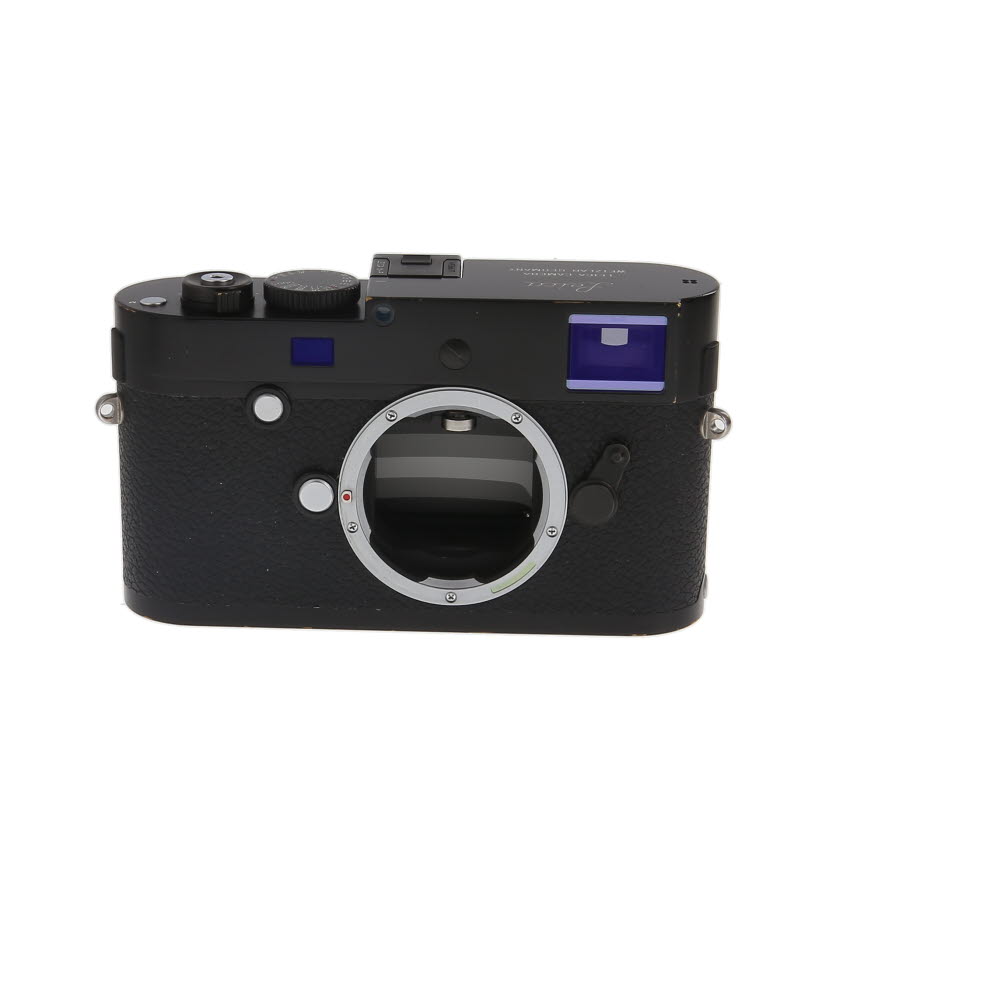
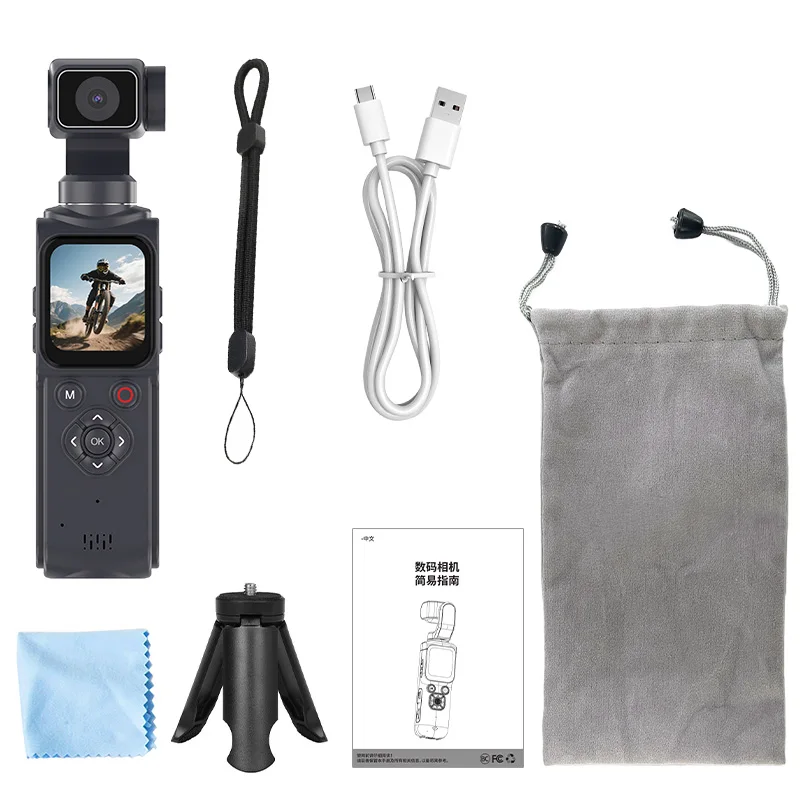
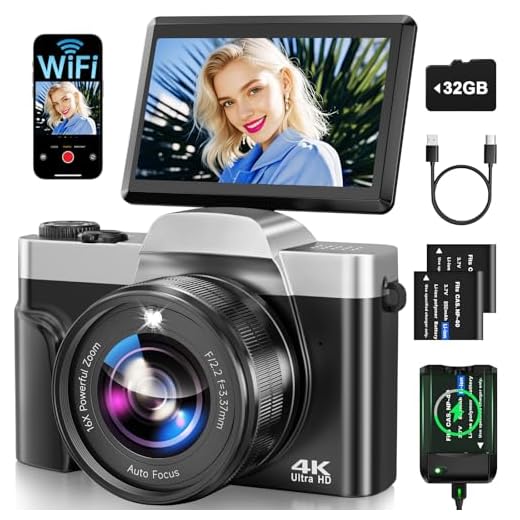
The history of digital cameras dates back to the late 20th century, with the first prototype created in the 1970s. However, it wasn’t until the 1980s that digital cameras started to become more accessible to the public.
Steven Sasson, an engineer at Eastman Kodak, is credited with inventing the first digital camera in 1975. This camera weighed about 8 pounds and had a resolution of 0.01 megapixels, a far cry from the high-resolution cameras we use today.
The Invention of Digital Camera
The first digital camera was invented in 1975 by Steve Sasson, an engineer at Eastman Kodak. This breakthrough technology marked the beginning of a new era in photography, revolutionizing how images are captured, stored, and shared.
Sasson’s digital camera used a CCD image sensor to capture and digitize images, a concept that laid the foundation for modern digital photography. The early digital cameras were bulky and had limited resolution, but they paved the way for the compact, high-quality digital cameras we use today.
Over the years, digital cameras have evolved rapidly, with advancements in sensor technology, image processing, and connectivity. They have become essential tools for photographers, professionals, and amateurs alike, changing the way we see and capture the world around us.

History of Digital Camera
The first digital camera was invented in 1975 by Steven Sasson, an engineer at Eastman Kodak. This early digital camera weighed around 8 pounds and captured black and white images with a resolution of 0.01 megapixels.
Over the years, digital cameras evolved rapidly, with the first consumer digital camera, the Dycam Model 1, released in 1990. It had a resolution of 0.3 megapixels and stored images on a floppy disk.
Advancements in Digital Camera Technology
With advancements in technology, digital cameras became more compact, affordable, and capable of capturing higher resolution images. The introduction of CMOS sensors and improved image processing algorithms further enhanced the image quality.
Modern Digital Cameras
Today, digital cameras come in various forms, from compact point-and-shoot cameras to professional DSLRs and mirrorless cameras. They offer high-resolution images, advanced features like image stabilization and 4K video recording, and connectivity options for sharing photos instantly.
Evolution of Digital Photography
Digital photography has come a long way since the invention of the first digital camera in 1975 by Steven Sasson, an engineer at Eastman Kodak. This early digital camera was the size of a toaster and captured black and white images at a resolution of 0.01 megapixels.
Over the years, digital photography technology has advanced rapidly. In the 1990s, digital cameras became more compact and affordable, leading to widespread adoption among consumers. The introduction of DSLR cameras in the early 2000s revolutionized the industry, offering professional-level image quality and versatility.
Today, smartphone cameras have become ubiquitous, with high-resolution sensors and advanced features that rival standalone digital cameras. The rise of social media and online platforms has also transformed the way we capture, share, and interact with digital photos.
As technology continues to evolve, digital photography is expected to push the boundaries of creativity and innovation, allowing photographers to capture moments in ways never before possible.
First Digital Camera Prototype
Steven Sasson, an engineer at Eastman Kodak, invented the first digital camera prototype in 1975. The camera weighed 8 pounds and was the size of a toaster. It had a resolution of 0.01 megapixels and captured black and white images onto a cassette tape. The prototype was a breakthrough in technology, laying the foundation for the digital cameras we use today.
Commercial Digital Cameras
Commercial digital cameras first appeared in the early 1990s and quickly gained popularity due to their convenience and ability to store images digitally. These cameras revolutionized the way photographs were taken and stored, eliminating the need for film and allowing users to instantly view and share their images.
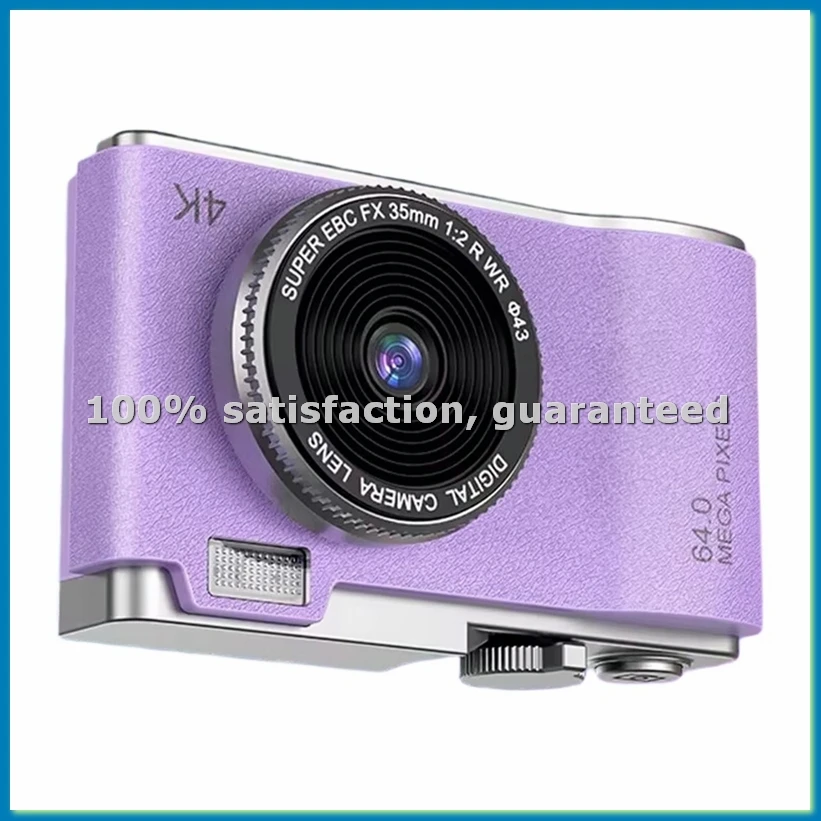
One of the earliest commercial digital cameras was the Kodak DCS, released in 1991. This camera was a modified version of a Nikon F3 film camera, equipped with a digital sensor and storage unit. It was primarily used by photojournalists and professionals due to its high cost and limited availability.
Over the years, digital cameras became more affordable and accessible to the general public, leading to the decline of film photography. Today, digital cameras come in a variety of shapes and sizes, from compact point-and-shoot models to professional DSLRs, offering users a wide range of options to suit their photography needs.
Impact of Digital Cameras
Digital cameras have revolutionized the way we capture, store, and share photos. Their impact on photography and everyday life is profound.
Quality and Convenience
With digital cameras, photographers no longer need to worry about running out of film or waiting for pictures to be developed. The instant feedback and ability to review and delete photos on the spot have made photography more accessible to everyone.
Sharing and Communication
Social media platforms and online photo-sharing sites have made it easy for people to share their digital photos with friends and family around the world. Digital cameras have facilitated a new era of visual communication and storytelling.

Advantages of Digital Photography
There are numerous advantages to using digital photography over traditional film photography. Some of the key benefits include:
- Instant Preview: With digital cameras, you can instantly view the images you have captured on the camera’s LCD screen, allowing you to make adjustments and retake photos if needed.
- Cost Savings: While the initial investment in a digital camera may be higher, the long-term cost savings are significant as you don’t have to purchase film or pay for developing and printing.
- Easy Sharing: Digital photos can be easily shared online through email, social media, or cloud storage, making it simple to share memories with friends and family.
- Editing Flexibility: Digital photos can be easily edited using software programs to enhance colors, crop images, and remove imperfections, giving you more control over the final result.
Future of Digital Imaging
The future of digital imaging looks promising as technology continues to advance rapidly. With the development of high-resolution sensors, improved image processing algorithms, and artificial intelligence, digital cameras are becoming more powerful and versatile. In the future, we can expect to see cameras that can capture even more detail, produce better low-light performance, and offer enhanced image stabilization.
Furthermore, with the rise of virtual reality and augmented reality technologies, we may see the integration of digital imaging with these immersive experiences. This could lead to new ways of capturing and sharing moments, as well as innovative applications in fields such as healthcare, education, and entertainment.
Overall, the future of digital imaging holds exciting possibilities for photographers, videographers, and enthusiasts alike, as technology continues to push the boundaries of what is possible in the world of visual storytelling.
Innovations in Digital Camera Technology
Since the invention of the first digital camera in 1975, this technology has seen numerous innovations and advancements. Some of the key milestones in digital camera technology include:
1. Megapixel Race
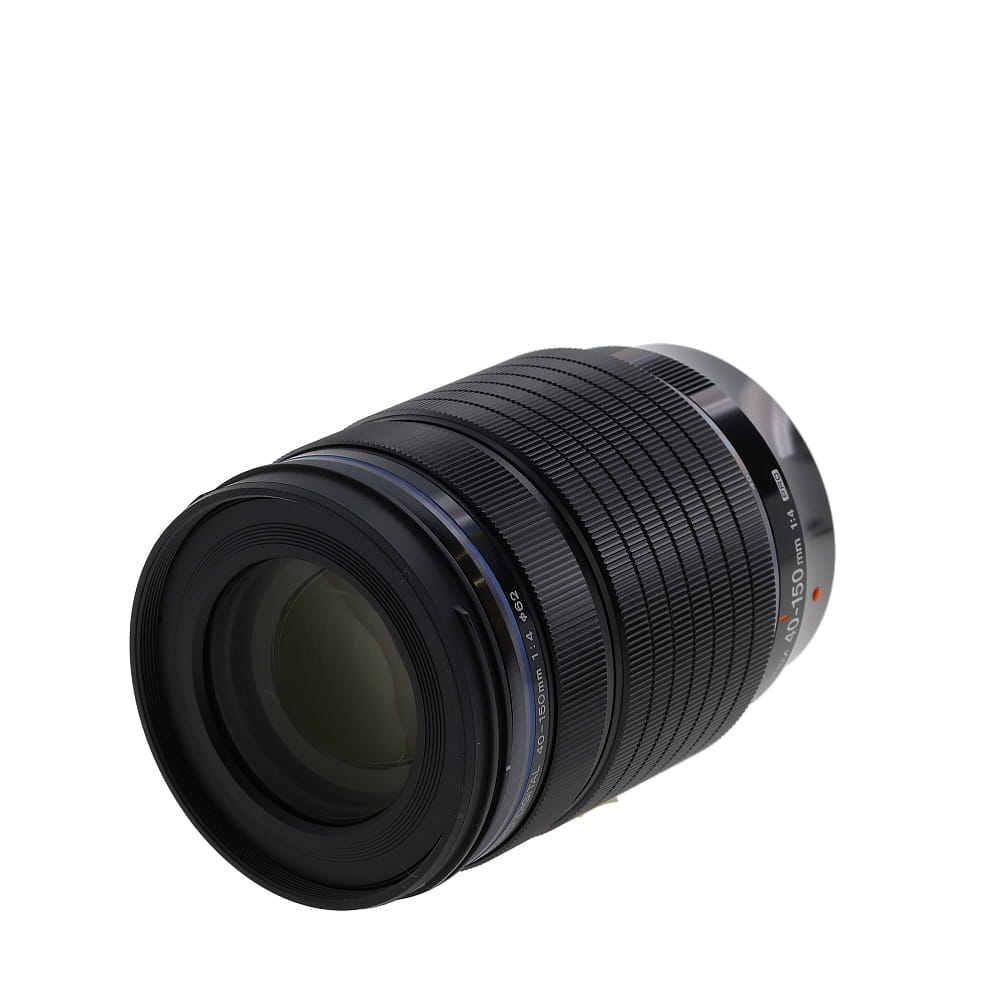
One of the major developments in digital cameras has been the increase in megapixels. Manufacturers have constantly pushed the boundaries to offer higher resolution sensors, allowing for sharper and more detailed images.
2. Image Stabilization
Image stabilization technology has been a significant improvement in digital cameras, reducing the impact of camera shake and producing clearer photos, especially in low-light conditions.
- Optical Image Stabilization (OIS)
- Electronic Image Stabilization (EIS)
These innovations have made it easier for photographers to capture sharp images without the need for a tripod.
FAQ
When were digital cameras invented?
Digital cameras were invented in the 1970s, with the first prototype being developed in 1975 by Kodak engineer Steven Sasson. However, the first commercially available digital camera, the Dycam Model 1, was released in 1990.
What was the significance of the invention of digital cameras?
The invention of digital cameras revolutionized photography by allowing images to be captured and stored electronically, eliminating the need for traditional film processing. This led to the development of digital photography as we know it today.
Who invented the first digital camera?
The first digital camera was invented by Steven Sasson, an engineer at Eastman Kodak. He developed the first digital camera prototype in 1975, which used a CCD sensor to capture black-and-white images onto a cassette tape.
How has the technology of digital cameras evolved since their invention?
Since the invention of digital cameras in the 1970s, the technology has evolved significantly. Today’s digital cameras are capable of capturing high-resolution images, recording videos, and even connecting to the internet for instant sharing. The size, quality, and features of digital cameras have improved dramatically over the years.


I remember using one of those early digital cameras back in the 90s. It was bulky, and the image quality was nowhere near what we have today. Still, it felt revolutionary at the time!
What inspired Steven Sasson to create the first digital camera in 1975?
I don't agree that digital cameras have completely replaced film cameras. There’s something unique about film photography that digital just can't replicate. Both have their place in photography.
You make a valid point! Many photographers still appreciate the qualities of film and use it alongside digital cameras for different artistic expressions.
It's interesting to note that the first consumer digital camera came out in 1990. I wish more people knew about the history behind digital photography!
It's fascinating to see how far digital cameras have come since the 0.01 megapixel models. How do you think today's smartphone cameras compare with those early digital cameras? I feel like the convenience of smartphones has changed the game completely.
Smartphone cameras are definitely more accessible and user-friendly. However, I still think dedicated digital cameras offer better quality and flexibility for serious photographers.