
 Carmen J. Moore

When it comes to the history of digital photography, one company stands out as the pioneer in this field: Kodak.

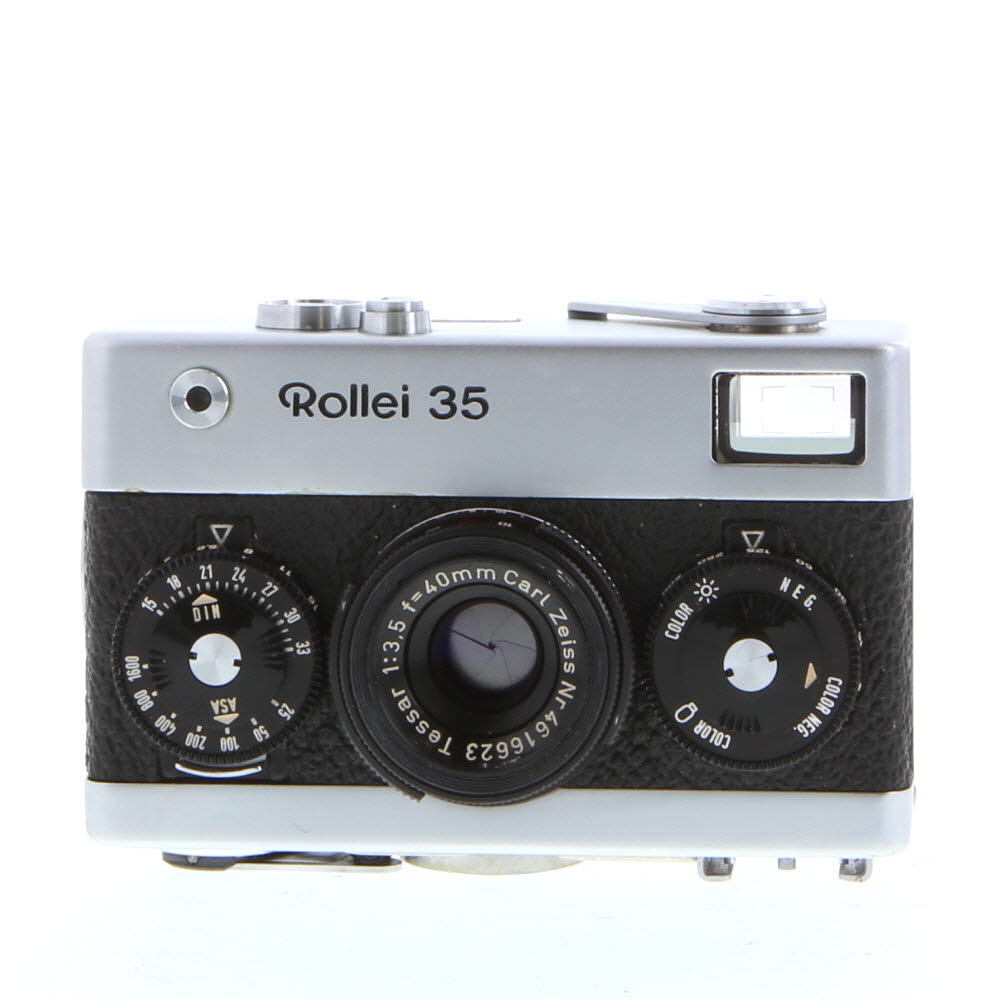

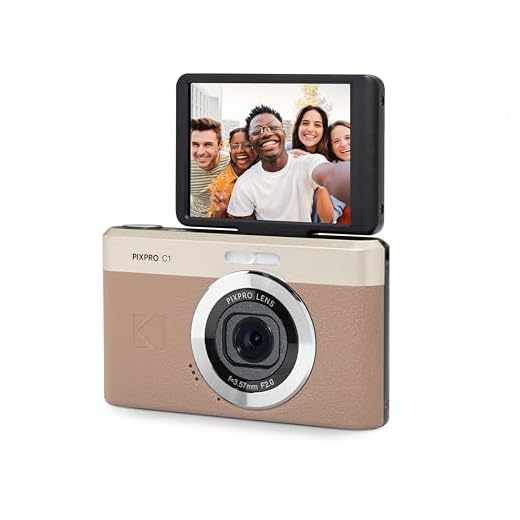
In 1975, a Kodak engineer named Steven Sasson invented the first digital camera, which weighed about 8 pounds and captured black-and-white images at a resolution of 0.01 megapixels.
This groundbreaking invention laid the foundation for the digital imaging revolution that would follow in the decades to come.
The History of Digital Cameras
Digital cameras have revolutionized the way we capture and share moments in our lives. The journey of digital cameras began with the invention of the first digital camera in 1975 by Steven Sasson, an engineer at Eastman Kodak.
Early Developments
Sasson’s invention was a bulky device that captured black-and-white images at a resolution of 0.01 megapixels. It stored the images on a cassette tape and took 23 seconds to record a single image. Despite its limitations, this early digital camera laid the foundation for the future of photography.
Throughout the 1980s and 1990s, digital camera technology continued to advance, with companies like Sony, Canon, and Nikon leading the way in developing consumer-friendly digital cameras with higher resolutions and faster image processing.

Mainstream Adoption
By the early 2000s, digital cameras had become mainstream, replacing film cameras as the preferred choice for most photographers. The introduction of compact digital cameras and the integration of digital imaging technology into smartphones further accelerated the adoption of digital photography.
Today, digital cameras come in a variety of shapes and sizes, from compact point-and-shoot cameras to professional DSLRs and mirrorless cameras. The evolution of digital camera technology continues to push the boundaries of what is possible in photography, making it easier than ever for people to capture and share their memories.
Early Development of Digital Cameras
The development of digital cameras began in the 1950s and 1960s, with early prototypes being created by various companies and researchers. However, it was not until the 1970s that the first true digital camera was invented by Steven Sasson at Eastman Kodak.
Sasson’s invention, known as the first digital camera, weighed 8 pounds and had a resolution of 0.01 megapixels. It captured black and white images onto a cassette tape and took 23 seconds to record a single image. Despite its limitations, this invention laid the foundation for the future development of digital photography.
| Year | Key Development |
|---|---|
| 1975 | Sasson’s invention of the first digital camera at Eastman Kodak |
| 1981 | Sony introduces the first consumer digital camera, the Sony Mavica |
| 1988 | Fujifilm releases the DS-1P, the first digital camera to save images onto a semiconductor memory card |
These early developments paved the way for the digital cameras we use today, with continuous advancements in technology leading to higher resolutions, faster image capture, and more compact designs.
The First Digital Camera Invention
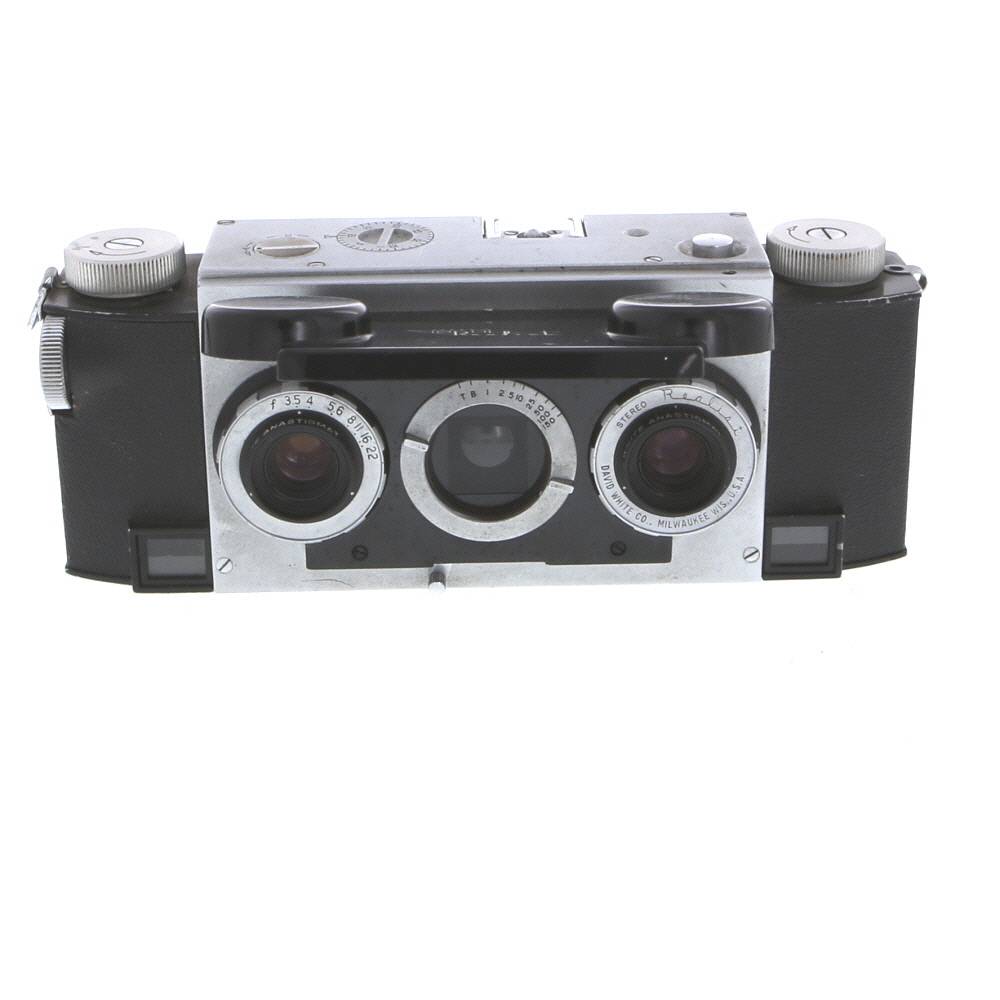
The first digital camera was invented by Steven Sasson, an engineer at Eastman Kodak Company, in 1975. The camera weighed around 8 pounds and was the size of a toaster. It had a resolution of 0.01 megapixels and captured black-and-white images. The invention of the digital camera revolutionized the world of photography, paving the way for the development of modern digital cameras and smartphones with built-in cameras.
Kodak’s Breakthrough Technology
In 1975, a team of engineers at Eastman Kodak Company, led by Steven Sasson, made history by creating the world’s first digital camera. This groundbreaking invention revolutionized the way images were captured and stored, paving the way for the digital photography revolution that followed.
Kodak’s digital camera prototype weighed a hefty 8 pounds and had a resolution of 0.01 megapixels. Despite its limitations, this early innovation laid the foundation for the digital imaging technology we use today.
Digital Camera Revolution
The invention of the digital camera marked a significant milestone in the history of photography. It revolutionized the way images are captured, stored, and shared, ushering in a new era of photography.
First Digital Camera
The first digital camera was invented by Kodak engineer Steven Sasson in 1975. It was a bulky device that weighed 8 pounds and had a resolution of 0.01 megapixels. Despite its limitations, this prototype laid the foundation for future digital cameras.

Evolution of Digital Cameras
Over the years, digital cameras have evolved rapidly, becoming smaller, more powerful, and easier to use. Today, digital cameras come in various shapes and sizes, offering a wide range of features and capabilities to cater to different photography needs.
Impact on Photography Industry
The invention of the first digital camera by Kodak revolutionized the photography industry. It marked the beginning of the digital era, shifting the industry from film-based to digital technology. This innovation allowed photographers to capture, store, and share images in a more convenient and efficient way.
Digital cameras enabled instant image preview, eliminating the need for film processing and printing. This saved time and resources for photographers, making photography more accessible to a wider audience. The quality of digital images also improved over time, leading to higher resolution and better color accuracy.
Furthermore, the digital camera paved the way for new photography techniques and styles. It opened up possibilities for image manipulation and post-processing, allowing photographers to enhance their creative vision. The rise of social media and online platforms also fueled the demand for digital photography, leading to the democratization of the art form.
In conclusion, the invention of the first digital camera had a profound impact on the photography industry, transforming the way images are captured, shared, and consumed. It set the stage for continuous innovation and technological advancements in the field of photography.

Evolution of Digital Imaging
Digital imaging has come a long way since the invention of the first digital camera. The evolution of digital imaging can be traced back to the 1960s when researchers began experimenting with digital image processing.
Early Development
In 1975, Kodak engineer Steven Sasson invented the first digital camera. This bulky device captured black-and-white images at a resolution of 0.01 megapixels. Despite its limitations, this invention laid the foundation for the future of digital imaging.
Throughout the 1980s and 1990s, digital imaging technology continued to advance, with companies like Canon, Nikon, and Sony introducing new digital cameras with improved features and higher resolutions.
Mainstream Adoption
By the early 2000s, digital cameras had become more affordable and accessible to the general public. The introduction of smartphones with built-in cameras further accelerated the adoption of digital imaging technology.
Today, digital imaging has become an integral part of everyday life, with social media platforms like Instagram and Snapchat allowing users to easily capture and share digital images with a global audience.
Future of Digital Cameras
The future of digital cameras looks promising as technology continues to evolve at a rapid pace. With advancements in sensor technology, image processing algorithms, and connectivity features, digital cameras are becoming more powerful and versatile than ever before.
One of the key trends in the future of digital cameras is the integration of artificial intelligence (AI) capabilities. AI-powered features such as scene recognition, subject tracking, and automatic image enhancement are becoming increasingly common in modern cameras, helping photographers capture better shots with ease.
The Rise of Mirrorless Cameras
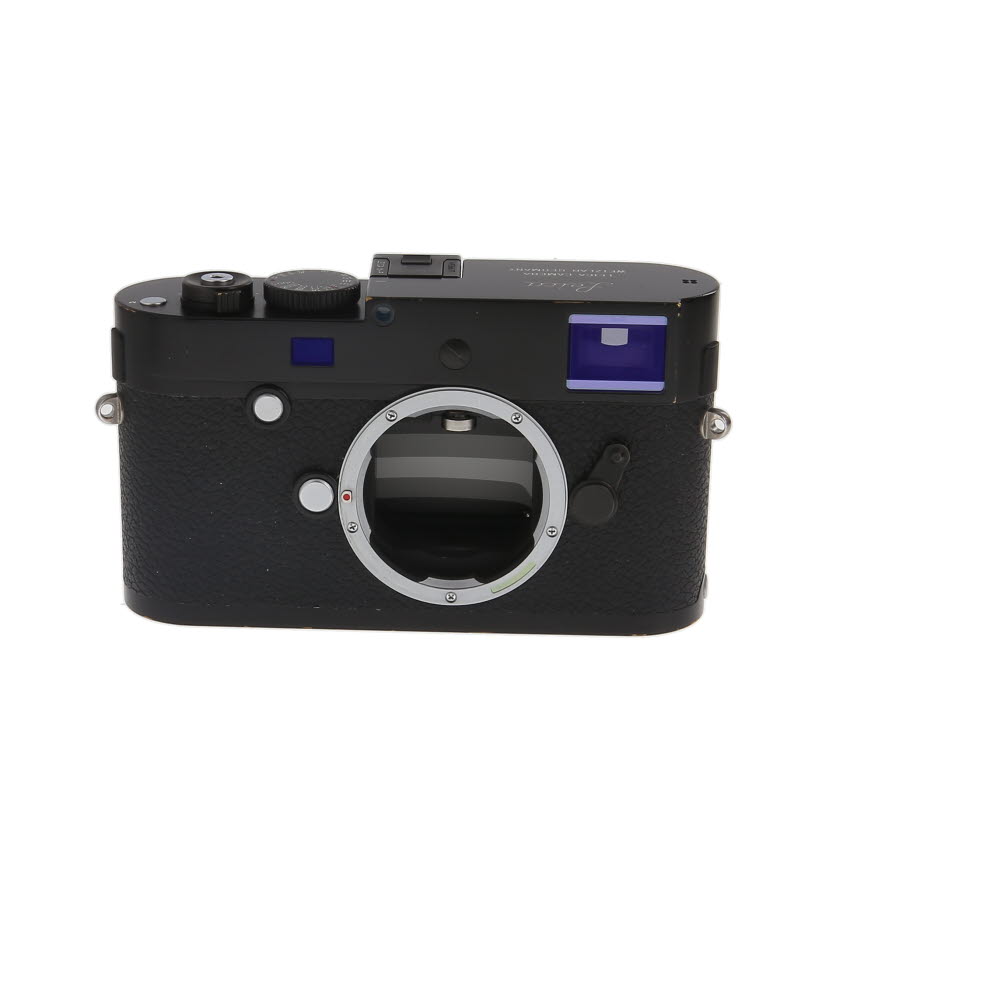
Mirrorless cameras are gaining popularity due to their compact size, lightweight design, and high-performance capabilities. With advancements in mirrorless technology, these cameras are becoming a viable alternative to traditional DSLRs, offering comparable image quality and versatility in a smaller form factor.
Enhanced Connectivity and Sharing Options
Future digital cameras are expected to offer enhanced connectivity features, allowing users to easily share their photos and videos across various platforms. Wi-Fi, Bluetooth, and NFC connectivity will become standard features, enabling seamless transfer of media files to smartphones, tablets, and other devices.
FAQ
Who invented the first digital camera?
The first digital camera was invented by Steven Sasson, an engineer at Eastman Kodak Company.

When was the first digital camera invented?
The first digital camera was invented in 1975 by Steven Sasson at Eastman Kodak Company.
How did the invention of the first digital camera revolutionize photography?
The invention of the first digital camera revolutionized photography by introducing a new way of capturing and storing images electronically, paving the way for the digital photography era we know today.


I think the article overlooks the artistry involved in film photography. Digital might be more convenient, but film has a certain charm that digital can't replicate. What do you think?
That's a valid point! Many photographers appreciate the unique qualities of film, such as its color rendition and grain. Both mediums have their own merits, and it's great to see how they each contribute to the art of photography.
I've noticed that while Kodak laid the groundwork, other companies like Canon and Nikon quickly took the lead in developing consumer-friendly cameras. What do you think they did differently to capture the market?
I remember using early digital cameras in the 90s. It was such a shift from film! The first one I had was a Sony Mavica, and I thought it was amazing to be able to see photos instantly. But I recall the picture quality was pretty grainy compared to film. It's wild to think how far we've come since then!
I find it fascinating that Kodak invented the first digital camera. How did they manage to make the technology work back in the 70s? Were there any significant challenges they faced?
It’s interesting to see how digital cameras have evolved from that bulky 8-pound model to the sleek devices we use today!