
 Carmen J. Moore

When it comes to capturing stunning images with a digital camera, understanding the technical specifications that impact picture quality is essential. From resolution to sensor size, various factors play a crucial role in determining how your photos will turn out. By delving into the intricacies of these specifications, you can make informed choices when selecting a digital camera that meets your photography needs.
One of the primary specs that directly influences picture quality is the resolution of the camera. Resolution refers to the number of pixels that make up an image, with higher resolutions resulting in sharper and more detailed photos. Cameras with higher megapixel counts can capture finer details and produce larger prints without losing clarity. However, it’s important to note that resolution alone doesn’t guarantee superior image quality, as other factors come into play.
Another critical specification to consider is the type and size of the camera sensor. The sensor is the component that converts light into digital signals, and its size can significantly impact image quality. Larger sensors typically perform better in low light conditions and offer improved dynamic range, resulting in better color accuracy and reduced noise levels. Understanding how different sensor sizes affect image quality can help you choose the right camera for your specific photography preferences.
Factors Affecting Picture Quality in Digital Cameras
When it comes to digital cameras, several key specifications play a crucial role in determining the picture quality. These factors include:
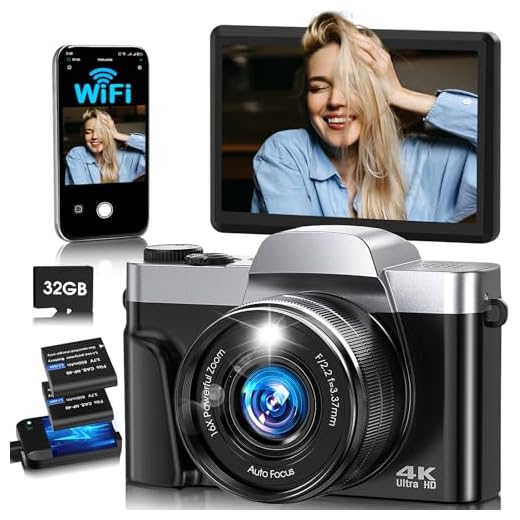


1. Megapixels: The number of megapixels determines the resolution of the images captured by the camera. Higher megapixels generally result in sharper and more detailed photos.
2. Sensor Size: The size of the image sensor in a camera affects its ability to capture light and detail. Larger sensors typically produce better image quality, especially in low-light conditions.
3. Lens Quality: The quality of the camera lens significantly impacts the sharpness and clarity of the images. A high-quality lens can reduce distortion and produce clearer photos.
4. Image Processor: The image processor in a camera plays a vital role in processing the captured image data. A fast and efficient processor can enhance colors, reduce noise, and improve overall image quality.
5. ISO Sensitivity: The ISO setting determines the camera’s sensitivity to light. Higher ISO values can help in low-light situations but may introduce noise and reduce image quality.

6. Aperture: The aperture of a camera lens controls the amount of light entering the sensor. A wider aperture allows more light, resulting in better low-light performance and shallower depth of field.
By considering these factors and understanding how they contribute to picture quality, photographers can make informed decisions when choosing a digital camera.
Sensor Size and Resolution
The sensor size and resolution of a digital camera play a crucial role in determining the picture quality. The sensor size refers to the physical dimensions of the sensor, with larger sensors typically capturing more light and producing better image quality. A higher resolution sensor, measured in megapixels, allows for more detail in the image and sharper photos. Cameras with larger sensors and higher resolutions are generally capable of producing high-quality images with rich colors and fine details.
Lens Quality and Aperture
The lens quality and aperture are key factors that determine the picture quality in digital cameras. The lens quality refers to the materials used and the construction of the lens. A high-quality lens made from premium materials will produce sharper images with better color accuracy.
The aperture of the lens controls the amount of light that enters the camera. A wider aperture lets in more light, which is useful in low-light conditions, while a smaller aperture is better for capturing more detail in well-lit situations. The aperture also affects the depth of field, determining how much of the image is in focus.
| Lens Quality | Aperture |
|---|---|
| High-quality materials and construction | Controls light entering the camera |
| Sharper images with better color accuracy | Wider aperture for low-light conditions |
| Smaller aperture for more detail and depth of field |
Image Processor and Compression
The image processor plays a crucial role in determining the picture quality of a digital camera. It processes the data captured by the camera’s sensor and converts it into a digital image. A powerful image processor can enhance image quality by reducing noise, improving color accuracy, and increasing dynamic range.
Compression is another important factor that affects picture quality. When an image is compressed, some data is lost, which can result in a loss of detail and image quality. However, compression is necessary to reduce file size and make images easier to store and share. Finding the right balance between compression and image quality is key to producing high-quality photos with a digital camera.
ISO Sensitivity and Noise Reduction
ISO sensitivity in digital cameras determines how sensitive the camera’s sensor is to light. A higher ISO setting allows for shooting in low light conditions but can introduce noise, which degrades image quality. Noise reduction algorithms are used to reduce the noise in photos taken at higher ISO settings.
When selecting a digital camera, consider the ISO range it offers and the effectiveness of its noise reduction technology. Look for cameras with a wide ISO range and advanced noise reduction capabilities for better image quality in various lighting conditions.
Dynamic Range and Color Depth
Dynamic range and color depth are two key specifications that determine the picture quality in digital cameras.
Dynamic range refers to the range of light intensities that a camera can capture, from the darkest shadows to the brightest highlights. A wider dynamic range allows the camera to capture more detail in both dark and bright areas of the image.
Color depth, also known as bit depth, refers to the number of colors that can be represented in an image. A higher color depth means more colors can be captured, resulting in more accurate and vibrant images.
Autofocus System and Speed
One of the key factors that determine picture quality in digital cameras is the autofocus system. The autofocus system allows the camera to automatically adjust the focus of the lens to ensure that the subject is sharp and clear in the final image. There are different types of autofocus systems, including contrast detection, phase detection, and hybrid autofocus systems.
The speed of the autofocus system is also crucial for capturing sharp images, especially in fast-moving or low-light situations. Cameras with faster autofocus systems can quickly lock onto the subject and ensure that the image is in focus before the moment passes. The speed of the autofocus system is often measured in terms of the time it takes for the camera to focus on the subject, known as the autofocus speed.
Types of Autofocus Systems
| Autofocus System | Description |
|---|---|
| Contrast Detection | Relies on the camera’s image sensor to detect contrast and adjust focus accordingly. Slower than phase detection but offers more accurate focus. |
| Phase Detection | Uses a separate sensor to measure the convergence of two light rays, allowing for faster and more precise autofocus. Common in DSLR cameras. |
| Hybrid Autofocus | Combines elements of both contrast detection and phase detection for a balance of speed and accuracy. Found in many mirrorless cameras. |
Image Stabilization and Shake Reduction
One of the key factors that determine the picture quality in digital cameras is image stabilization and shake reduction technology. This feature helps to reduce blur caused by camera shake, resulting in sharper images. Image stabilization works by compensating for small movements of the camera during exposure, allowing for clearer and more detailed photos.
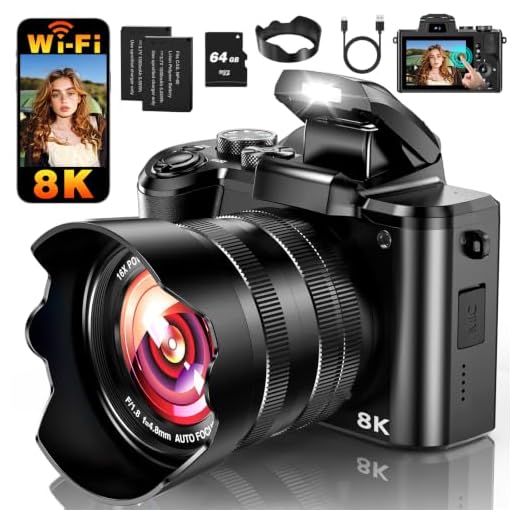
Types of Image Stabilization: There are different types of image stabilization technologies available in digital cameras, including optical image stabilization (OIS) and sensor-shift image stabilization. OIS uses lens elements to stabilize the image, while sensor-shift stabilization moves the sensor to counteract camera shake.
Having image stabilization in your digital camera can significantly improve the quality of your photos, especially in low light conditions or when using telephoto lenses. It helps to ensure that your images are sharp and free from blur, resulting in professional-looking photographs.
Post-Processing and Editing Capabilities
Another important factor that determines picture quality in digital cameras is the post-processing and editing capabilities. High-quality digital cameras often come with advanced editing features that allow users to enhance and manipulate their images after they have been captured. These editing tools can help adjust brightness, contrast, color balance, sharpness, and other aspects of the image to improve overall picture quality. Additionally, the ability to shoot in RAW format provides more flexibility during post-processing, as RAW files retain more information and allow for greater editing control compared to compressed image formats like JPEG.
FAQ
How do megapixels affect picture quality in digital cameras?
Megapixels determine the resolution and level of detail in a digital image. Higher megapixel cameras produce sharper and more detailed photos, allowing for larger prints or greater zoom capabilities without losing quality.
What role do sensor size and type play in determining picture quality in digital cameras?
The sensor size and type in a digital camera are crucial factors in determining picture quality. Larger sensors can capture more light, leading to better image quality, especially in low-light conditions. Additionally, the type of sensor (e.g., CMOS or CCD) can affect color accuracy and dynamic range in photos.



I disagree that resolution is the most critical spec for picture quality. I think lens quality matters way more. I've taken great photos with a lower megapixel camera just because the lens was top-notch.
I see your point! Lens quality does play a huge role, especially in terms of sharpness and clarity. But I still believe that for large prints, resolution can’t be overlooked.
How do lens quality and image processor impact final photo quality compared to sensor size? Are they equally important or one more than the other?
All three factors are important, but their impact can vary based on the shooting scenario. A high-quality lens can enhance sharpness and color accuracy, while a powerful image processor can reduce noise and improve overall performance. Sensor size is critical for low-light performance and detail.
I've been using a DSLR with a crop sensor for a while, and I find my photos are decent in good light. However, I struggle a bit in low light. I wonder if upgrading to a full-frame camera would really make a noticeable difference?
What does the sensor size really mean for photo quality? I’ve seen terms like APS-C and full-frame, but I'm not sure how they compare in practical terms.
Great question! Sensor size affects light capture and detail. Larger sensors, like full-frame, generally perform better in low light and provide a wider dynamic range, which leads to better overall image quality.