
 Carmen J. Moore

When it comes to buying a digital camera, one of the most important factors to consider is the megapixel count. Megapixels determine the resolution and overall quality of the images your camera can capture. But how many megapixels do you really need for great photos?
With the advancement of technology, it’s easy to get caught up in the megapixel race, believing that more is always better. However, the truth is that the best megapixel count for a digital camera depends on your specific needs and how you plan to use your photos.
Higher megapixel counts can result in larger file sizes, which may be unnecessary if you primarily share photos online or print them in small sizes. On the other hand, if you plan to enlarge your photos or crop them significantly, a higher megapixel count can provide more flexibility and detail.
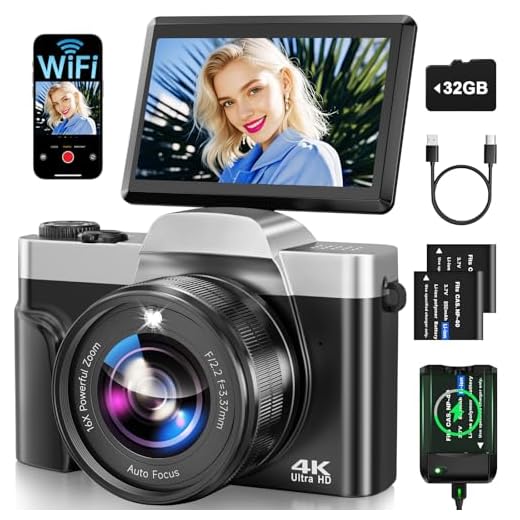
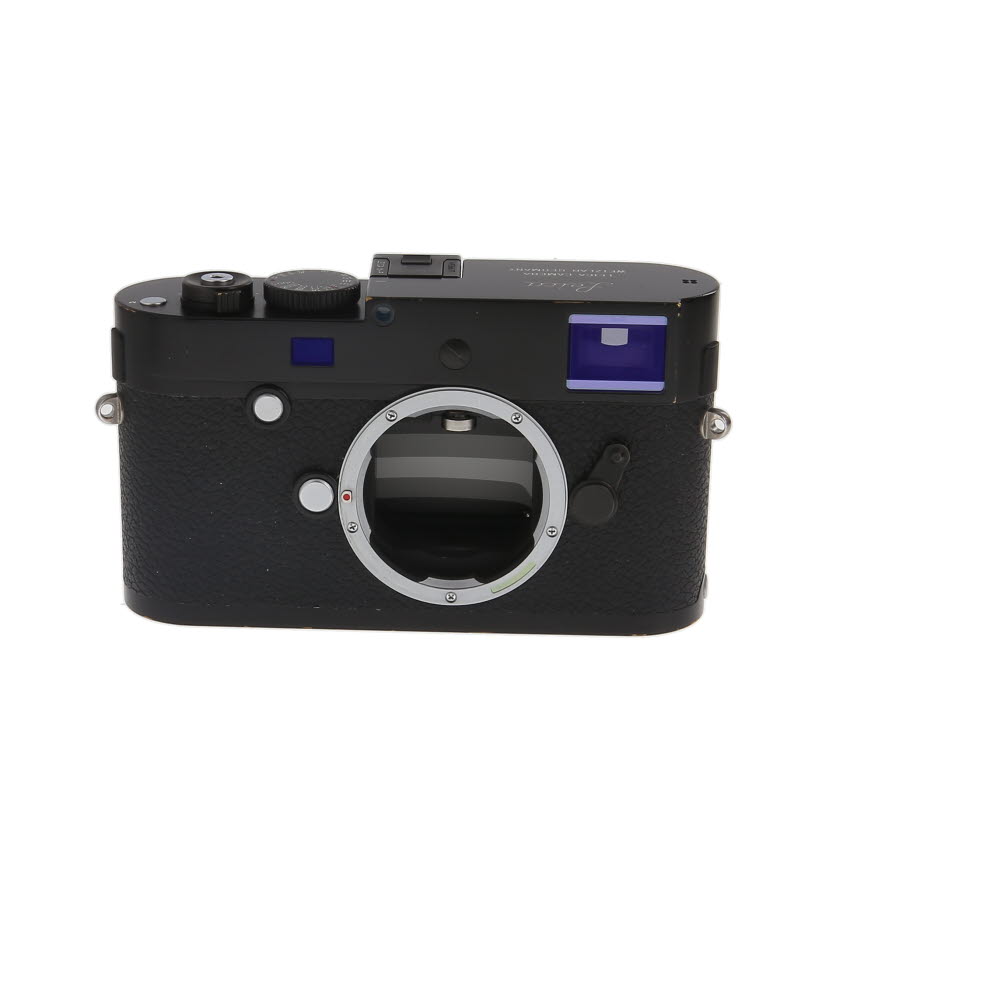
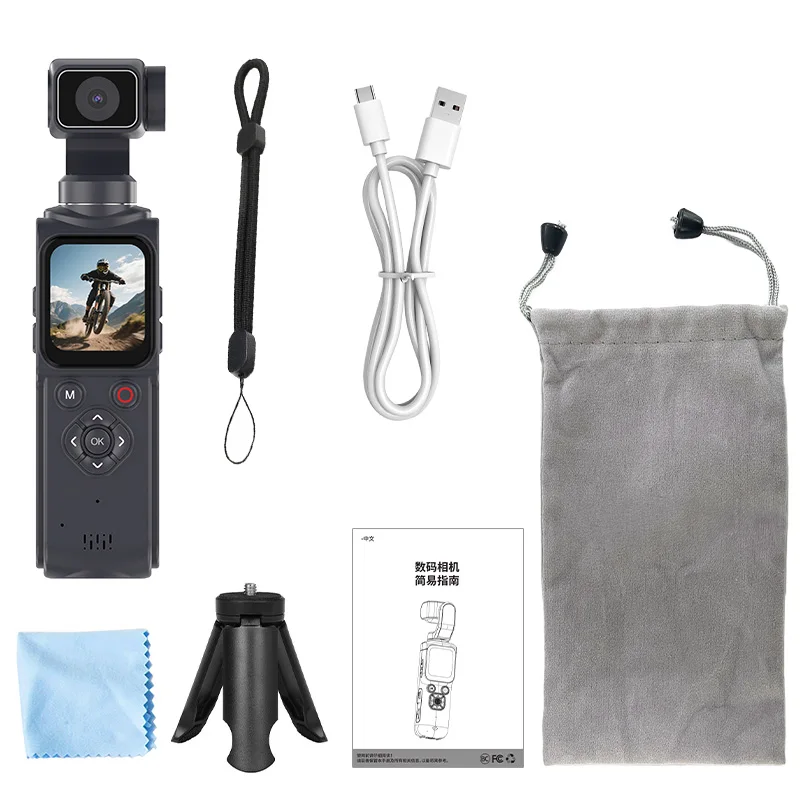

The Importance of Megapixels in Digital Cameras
When it comes to digital cameras, one of the key specifications that often gets a lot of attention is the number of megapixels. Megapixels refer to the resolution of the camera sensor, with higher megapixel counts generally equating to higher image quality and more detail in photos.
However, it’s important to note that while megapixels do play a significant role in determining image quality, they are not the only factor to consider when choosing a digital camera. Other factors such as sensor size, lens quality, and image processing capabilities also play a crucial role in determining the overall image quality.
Choosing the Right Megapixel Count
For most casual photographers, a camera with around 12-16 megapixels is more than sufficient for capturing high-quality images that can be printed at standard sizes. However, if you plan on enlarging your photos significantly or cropping them heavily, opting for a camera with a higher megapixel count may be beneficial.
Understanding Megapixels and Image Quality
When it comes to digital cameras, one of the most common specifications you’ll see is the number of megapixels. But what exactly does this number mean and how does it affect the quality of your images?
What are Megapixels?
Megapixels refer to the resolution of a digital camera’s sensor, with each megapixel representing one million pixels. The more megapixels a camera has, the more detail it can capture in an image. However, it’s important to note that a higher number of megapixels doesn’t always guarantee better image quality, as other factors like sensor size and lens quality also play a significant role.

For most casual photographers, a camera with 10-12 megapixels is more than sufficient for everyday use, allowing you to capture sharp and clear images that can be printed at standard sizes without any loss of quality.
Image Quality vs. Megapixels
While megapixels are important, they are not the only factor that determines image quality. Factors like sensor size, lens quality, and image processing algorithms also play a crucial role in producing high-quality images. A camera with a higher megapixel count may be able to capture more detail, but if the sensor is small or the lens is of poor quality, the overall image quality may suffer.
Ultimately, when choosing a digital camera, it’s important to consider a balance of factors, including megapixels, sensor size, lens quality, and image processing capabilities, to ensure that you get the best possible image quality for your needs.
Choosing the Right Megapixel Count for Your Needs
When selecting a digital camera, one of the key specifications to consider is the megapixel count. Megapixels determine the resolution of the images captured by the camera. However, more megapixels do not always equate to better image quality. It’s essential to choose the right megapixel count based on your specific needs and how you plan to use the camera.
Factors to Consider:
Here are some factors to consider when determining the ideal megapixel count for your digital camera:
| Usage | Ideal Megapixel Count |
|---|---|
| Casual Photography | 8-12 MP |
| Professional Photography | 16-24 MP |
| Printed Enlargements | 24+ MP |
Remember, higher megapixels can result in larger file sizes, which may require more storage space. Additionally, consider other factors such as sensor size, lens quality, and camera features when making your decision.
Factors to Consider When Selecting Megapixels
When choosing the right megapixels for your digital camera, there are several factors to consider:
- Intended Use: Determine the primary purpose of the camera. For casual photography or social media sharing, a lower megapixel count may suffice. For professional work or large prints, a higher megapixel count is recommended.
- Image Quality: Higher megapixels can capture finer details and produce sharper images. Consider the level of detail you desire in your photos.
- File Size: Higher megapixels result in larger file sizes. Ensure your storage capacity can handle the increased file sizes if you opt for a camera with higher megapixels.
- Printing Size: The number of megapixels determines the size at which you can print your photos without losing quality. Higher megapixels allow for larger prints.
- Low-Light Performance: More megapixels can sometimes lead to increased noise in low-light conditions. Consider how important low-light performance is for your photography.
- Budget: Higher megapixels often come with a higher price tag. Determine your budget and weigh it against the desired megapixel count.
By considering these factors, you can make an informed decision on the ideal megapixels for your digital camera based on your specific needs and preferences.
Impact of Megapixels on Printing and Enlarging Photos
When it comes to printing and enlarging photos, the number of megapixels in a digital camera plays a crucial role. Higher megapixel cameras can capture more detail and produce sharper images, which is essential for printing photos in larger sizes.
With a higher megapixel count, you can print your photos in larger formats without losing image quality. For example, a 20-megapixel camera will allow you to print high-quality images up to 16×20 inches or even larger, depending on the printer and paper quality.
On the other hand, if you have a lower megapixel camera, you may experience pixelation and loss of detail when printing photos in larger sizes. Images may appear grainy or blurry, especially when viewed up close.
Therefore, if you plan on printing and enlarging your photos frequently, investing in a digital camera with a higher megapixel count is recommended to ensure crisp and clear prints with rich detail.
Debunking Megapixel Myths and Misconceptions
When it comes to digital cameras, the megapixel count is often touted as the most important factor in determining image quality. However, this belief can be misleading and oversimplified. Let’s debunk some common myths and misconceptions about megapixels:
| Myth: Higher megapixels always mean better image quality. | Reality: While higher megapixels can result in more detailed images, other factors like sensor size, lens quality, and image processing also play a significant role in image quality. |
| Myth: More megapixels are necessary for printing large photos. | Reality: In most cases, a camera with 12-16 megapixels is more than enough for printing high-quality photos up to poster size. Higher megapixels may be needed for very large prints or heavy cropping. |
| Myth: Megapixels determine low-light performance. | Reality: Low-light performance is more dependent on sensor technology, pixel size, and image processing than just megapixels. A camera with fewer but larger pixels may perform better in low light. |
| Myth: The more megapixels, the better for digital zoom. | Reality: Digital zoom degrades image quality, regardless of the megapixel count. Optical zoom is more important for maintaining image quality during zooming. |
Remember, while megapixels are important, they are just one piece of the puzzle when it comes to digital camera performance. Consider other factors like sensor size, lens quality, and image processing capabilities for a well-rounded assessment of a camera’s capabilities.
Advancements in Megapixel Technology
In recent years, there have been significant advancements in megapixel technology, leading to higher resolution images and better overall image quality in digital cameras. Manufacturers are constantly pushing the limits of sensor technology to increase the number of megapixels in their cameras.

Higher megapixel counts allow for more detailed images, making them ideal for professional photographers or anyone looking to capture fine details in their photos. However, it’s important to note that megapixels are not the only factor that determines image quality. Factors such as sensor size, lens quality, and image processing also play a crucial role in producing high-quality images.
FAQ
What is the best megapixel count for a digital camera?
The best megapixel count for a digital camera depends on your photography needs. For casual everyday photography, a camera with 12-16 megapixels should be sufficient. However, if you plan to print large images or crop photos extensively, you may want a camera with 20+ megapixels.
Do more megapixels always mean better image quality?
Not necessarily. While more megapixels can provide higher resolution photos, other factors such as sensor size, lens quality, and image processing also play a significant role in determining overall image quality. A camera with fewer megapixels but better sensor technology may produce superior images.
Is a 24-megapixel camera significantly better than a 16-megapixel camera?
The difference in image quality between a 24-megapixel camera and a 16-megapixel camera may not be significant in most cases. The extra megapixels can allow for larger prints or more flexibility in cropping, but the overall image quality will also depend on factors like sensor size, lens quality, and image processing.
Can a smartphone with a high megapixel count replace a dedicated digital camera?
Smartphones with high megapixel counts have improved significantly in recent years and can produce impressive results for everyday photography. However, dedicated digital cameras still offer advantages in terms of optical zoom, sensor size, and overall image quality. If you are serious about photography, a dedicated camera may still be the better choice.
What are the drawbacks of having too many megapixels in a digital camera?
Having too many megapixels in a digital camera can lead to larger file sizes, which may require more storage space and slower processing times. Additionally, higher megapixel counts can amplify any imperfections in lenses or camera shake, leading to potentially less sharp images. It’s important to strike a balance between resolution and other factors for optimal image quality.


I'm curious, what kind of camera would you recommend for travel photography? I usually take pictures for social media and don’t want anything too bulky.
For travel, I think a compact camera with around 12-16 MP would be great! It captures good quality without being heavy.
I recently upgraded to a camera with 24 MP for my photography business, and I noticed the difference immediately! The detail in larger prints is incredible, but I do find the file sizes quite big. I usually have to manage my storage carefully.
Managing file sizes can be tricky. Consider using external hard drives or cloud storage to keep your space clear while maintaining access to your images.
That makes sense! I’ve heard that higher MP cameras can create amazing prints. Just curious, how do you handle the file sizes? Any tips?