
 Carmen J. Moore

Microprocessors play a crucial role in the functionality of modern digital cameras. These small but powerful chips are responsible for a wide range of tasks that contribute to the overall performance and capabilities of digital cameras.
One of the main functions of a microprocessor in a digital camera is image processing. The microprocessor processes the raw image data captured by the camera’s sensor, applying algorithms to enhance the image quality, adjust colors, and reduce noise. This processing is essential for producing high-quality photos and videos.




Additionally, microprocessors in digital cameras handle tasks such as autofocus, exposure control, white balance, and image stabilization. These functions help ensure that the camera captures sharp, well-exposed images in various lighting conditions.
Overall, the use of a microprocessor in a digital camera is essential for enabling advanced features, improving image quality, and enhancing the user experience. Without the capabilities of a microprocessor, digital cameras would not be able to deliver the level of performance and functionality that users have come to expect.
The Role of Microprocessor in Digital Camera
In a digital camera, the microprocessor plays a crucial role in controlling various functions and operations of the device. It acts as the brain of the camera, processing data and executing commands to capture, store, and display images.
The microprocessor is responsible for controlling the autofocus mechanism, adjusting exposure settings, managing image processing algorithms, and handling user inputs through buttons and menus. It also plays a key role in storing images on memory cards and transferring them to external devices.
Understanding the basic functions
Microprocessor: The microprocessor in a digital camera serves as the brain of the device, controlling all its functions and operations. It processes image data captured by the image sensor, applies various image processing algorithms, and manages the overall operation of the camera.
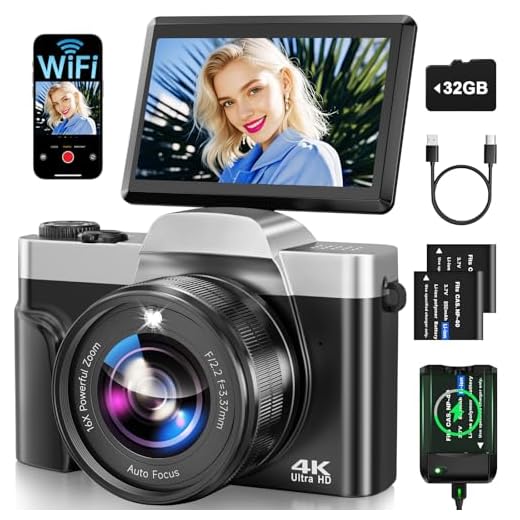
Image processing: The microprocessor is responsible for processing the raw image data captured by the image sensor. It applies various algorithms to enhance the image quality, adjust exposure settings, white balance, and color saturation, and perform other image processing tasks to produce high-quality photos.
User interface: The microprocessor also controls the user interface of the camera, including the buttons, menus, and settings. It manages the interactions between the user and the camera, allowing users to adjust settings, preview images, and navigate through different features of the camera.
Storage management: The microprocessor handles the storage of images and videos captured by the camera. It manages the storage media, such as memory cards, and controls the writing and reading of data to and from the storage device. It also organizes files, creates folders, and manages the storage capacity of the camera.
Enhancing Image Quality
The microprocessor in a digital camera plays a crucial role in enhancing image quality. It processes the digital signals from the image sensor to optimize color balance, contrast, and sharpness. By utilizing advanced algorithms, the microprocessor can reduce noise, improve dynamic range, and enhance overall image clarity.
Furthermore, the microprocessor enables features like image stabilization, face detection, and scene recognition, which help to capture better quality photos in various conditions. With faster processing speeds and increased computational power, modern digital cameras can deliver stunning images with high resolution and rich detail.

Improving Camera Performance
Microprocessors play a crucial role in enhancing the performance of digital cameras. By processing image data quickly and efficiently, microprocessors enable features such as fast autofocus, image stabilization, and rapid image processing.
With advancements in microprocessor technology, cameras can now capture high-quality images even in low light conditions and perform complex image processing tasks in real-time. This results in sharper images, reduced noise, and improved overall image quality.
Enhanced Functionality
Microprocessors also enable advanced features like face detection, scene recognition, and object tracking, providing users with a more intuitive and user-friendly experience. These features rely on the processing power of the microprocessor to analyze and optimize the captured images.
In addition, microprocessors allow for seamless integration of connectivity options such as Wi-Fi and Bluetooth, enabling users to instantly share their photos and videos across various platforms.
Future Developments
As microprocessor technology continues to evolve, we can expect even more sophisticated features and improvements in camera performance. From enhanced image processing capabilities to AI-driven functionalities, microprocessors will play a key role in shaping the future of digital photography.

Enabling advanced features
Microprocessors in digital cameras play a crucial role in enabling advanced features that enhance the overall user experience. By processing image data quickly and efficiently, microprocessors allow for features such as high-speed continuous shooting, advanced autofocus systems, image stabilization, and real-time image processing.
Furthermore, microprocessors enable connectivity features such as Wi-Fi, Bluetooth, and NFC, allowing users to easily transfer photos and videos to other devices or share them online. Additionally, microprocessors enable the implementation of intelligent features like face detection, scene recognition, and automatic exposure adjustments, making it easier for users to capture high-quality images without needing extensive technical knowledge.
Overall, the use of microprocessors in digital cameras not only improves the performance and functionality of the device but also opens up new possibilities for creative photography and seamless connectivity.
Optimizing power consumption
One of the key challenges in designing a digital camera is optimizing power consumption to ensure longer battery life. The microprocessor plays a crucial role in this optimization process.
By efficiently managing the power usage of the microprocessor, the camera can minimize energy consumption during image processing tasks. This involves implementing power-saving features such as sleep modes, dynamic voltage scaling, and clock gating.

Implementing low-power modes
One way to optimize power consumption is to utilize low-power modes in the microprocessor. These modes allow the camera to reduce power usage during periods of inactivity or when processing tasks are not intensive.
During these low-power modes, the microprocessor can operate at lower clock speeds, reduce voltage levels, or even shut down certain components to conserve energy. By intelligently managing these modes, the camera can extend battery life without sacrificing performance.
Conclusion:
Overall, optimizing power consumption in a digital camera is essential for maximizing battery life and enhancing user experience. The microprocessor plays a crucial role in this optimization process by efficiently managing power usage through the implementation of low-power modes and other power-saving features.
Processing speed and efficiency
The microprocessor in a digital camera plays a crucial role in determining the processing speed and efficiency of the device. With advancements in technology, modern digital cameras are equipped with powerful microprocessors that can quickly process and handle large amounts of data captured by the image sensor. This results in faster image processing, reducing the time it takes to capture and save photos. Additionally, the efficiency of the microprocessor ensures that the camera can handle complex image processing tasks such as noise reduction, image stabilization, and face detection seamlessly. Overall, the use of a microprocessor in a digital camera enhances the user experience by providing fast and efficient performance.
Future innovations in camera technology
As technology continues to advance, the future of camera technology looks promising with several exciting innovations on the horizon.
1. Computational photography
One of the key areas of innovation is computational photography, which involves using advanced algorithms and processing power to enhance image quality. This technology allows for features such as improved low-light performance, better dynamic range, and enhanced depth of field.
2. Artificial intelligence
Artificial intelligence (AI) is playing a significant role in the evolution of camera technology. AI-powered cameras can recognize scenes, objects, and faces, allowing for automatic adjustments to settings for optimal results. AI can also assist in image editing and post-processing, making it easier for users to achieve professional-looking photos.
Overall, the future of camera technology is bright, with innovations such as computational photography and artificial intelligence leading the way to more advanced and user-friendly cameras.
FAQ
Why is a microprocessor important in a digital camera?
A microprocessor is crucial in a digital camera as it controls and manages various functions such as image processing, autofocus, exposure control, white balance, and more. It helps in enhancing the overall performance and efficiency of the camera.

How does a microprocessor improve the image quality in a digital camera?
A microprocessor plays a vital role in enhancing image quality by processing the image data captured by the camera sensor. It can apply various algorithms for noise reduction, color correction, and image sharpening, resulting in clearer and more vibrant photos.
Can you explain the role of a microprocessor in digital camera battery life?
The microprocessor in a digital camera optimizes power consumption by managing the camera’s functions efficiently. It helps regulate power usage, activates sleep modes when the camera is idle, and ensures that the battery lasts longer, providing extended usage time for photographers.


I’m curious, how exactly does a microprocessor improve autofocus in digital cameras? Does it make a significant difference in low-light conditions?
Good question! From what I understand, the microprocessor analyzes the scene quickly and adjusts the focus in real-time, which definitely helps in low light. My experience with my own camera supports this, as it focuses better in dim environments compared to older models.
I recently upgraded to a new digital camera, and I can really see the difference the microprocessor makes. The image stabilization is so much better than my old camera. I used to get blurry shots when moving, but now the images are sharp even when I'm in motion. It's also faster at processing shots, so I don't have to wait long to see my photos. Overall, the microprocessor really enhances the shooting experience!