
 Carmen J. Moore

Optical zoom is a key feature in digital cameras that allows you to magnify distant subjects without losing image quality. It is achieved by adjusting the focal length of the camera lens to bring the subject closer. The maximum optical zoom of a camera is determined by the ratio between the longest and shortest focal lengths of the lens.
Unlike digital zoom, which simply enlarges the image digitally, optical zoom provides sharper and clearer images by physically adjusting the lens. The maximum optical zoom of a camera is usually expressed as a multiplier, such as 3x, 5x, or even 50x, indicating how much closer the camera can bring the subject compared to the widest angle.
When choosing a digital camera, it’s essential to consider the maximum optical zoom if you often shoot distant subjects. A higher optical zoom allows you to capture details that would otherwise be missed with a lower zoom capability. Keep in mind that optical zoom is a crucial factor in determining the overall performance and versatility of a digital camera.
The Basics of Optical Zoom
Optical zoom is a feature found in digital cameras that allows you to zoom in on a subject without losing image quality. Unlike digital zoom, which simply enlarges the pixels in the image, optical zoom physically adjusts the camera’s lens to magnify the subject. This results in sharper, more detailed images.

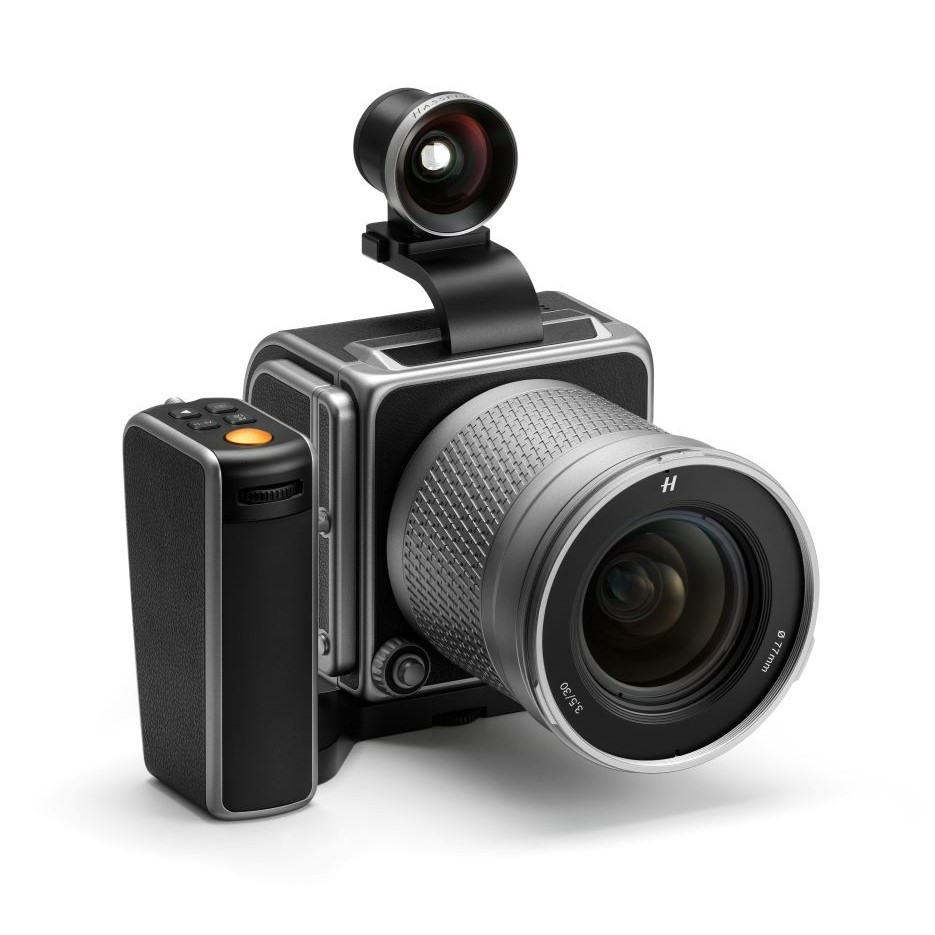
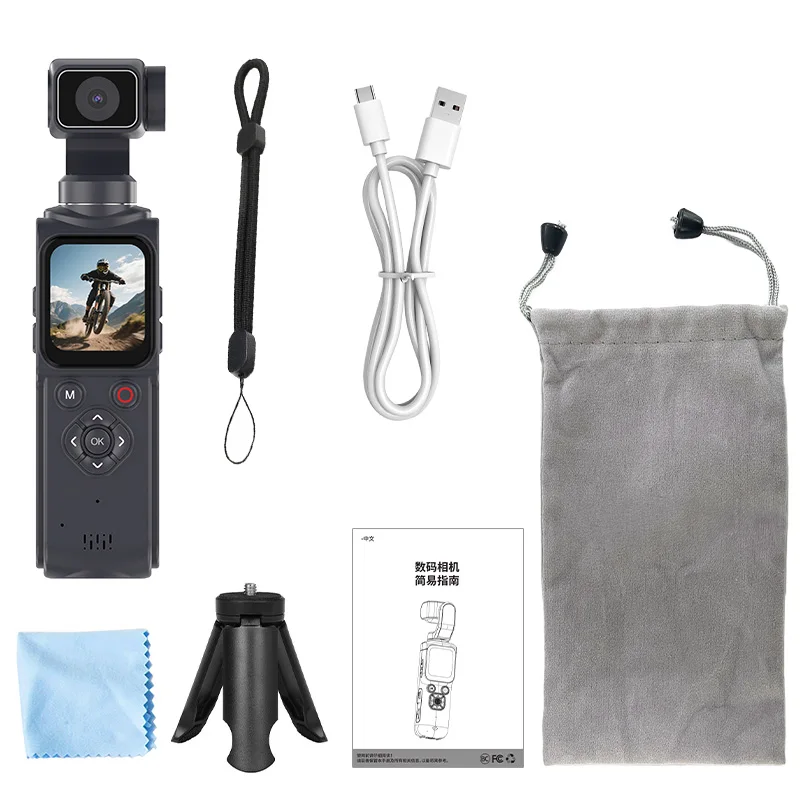

When shopping for a digital camera, you’ll often see the optical zoom capability listed in the camera’s specifications. It is typically expressed as a ratio, such as 5x, 10x, or 20x. This number indicates how much closer the camera can make a subject appear compared to its widest angle setting.
For example, a camera with a 10x optical zoom can make a subject appear 10 times closer than it would at the widest angle setting. The higher the optical zoom ratio, the more versatile the camera is for capturing distant subjects.
| Optical Zoom Ratio | Description |
|---|---|
| 3x | Good for everyday photography and portraits |
| 10x | Ideal for capturing sports, wildlife, and events from a distance |
| 20x | Great for shooting faraway landscapes and detailed close-ups |
Understanding Optical Zoom Range
Optical zoom in a digital camera refers to the ability of the camera lens to bring subjects closer without sacrificing image quality. The optical zoom range is typically represented by a number (e.g., 3x, 10x) and indicates how much the lens can magnify an image. For example, a 3x optical zoom means that the camera can make the subject appear three times closer than it actually is.
Unlike digital zoom, which simply enlarges the existing image and can result in a loss of quality, optical zoom physically adjusts the lens to achieve magnification. This means that images taken with optical zoom retain their sharpness and detail.
When choosing a digital camera, it’s important to consider the optical zoom range to ensure you can capture clear, detailed images of subjects at various distances. A higher optical zoom range allows you to get closer to distant subjects without compromising image quality, making it a key feature for photographers looking to capture detailed shots from a distance.

Factors Affecting Optical Zoom
Optical zoom is determined by the lens of a digital camera and is a key factor in capturing clear and detailed images from a distance. Several factors affect the optical zoom capability of a camera:
1. Lens Quality: The quality of the camera lens plays a crucial role in determining the optical zoom range. A high-quality lens can provide better zoom capabilities and produce sharper images.
2. Focal Length: The focal length of the lens affects the optical zoom range. Lenses with longer focal lengths can achieve higher magnification levels, allowing you to zoom in on distant subjects.
3. Aperture Size: The size of the lens aperture also influences optical zoom. A wider aperture allows more light to enter the lens, enabling better zoom performance in low-light conditions.
4. Image Stabilization: Optical image stabilization technology helps reduce camera shake when using high zoom levels, resulting in clearer and sharper images at maximum zoom.
5. Sensor Size: The size of the camera sensor can impact the optical zoom capabilities. Larger sensors typically offer better image quality and improved zoom performance compared to smaller sensors.
Understanding these factors can help you choose a digital camera with the right optical zoom capabilities to meet your photography needs.
Importance of Optical Zoom
Optical zoom is a crucial feature in digital cameras as it allows users to magnify distant subjects without sacrificing image quality. Unlike digital zoom, which simply enlarges the existing image, optical zoom physically adjusts the lens to bring the subject closer, resulting in sharp and detailed photos.
Having a higher optical zoom range gives photographers more flexibility in capturing different types of shots, from wide-angle landscapes to close-up portraits. It enables them to get closer to the action without compromising the clarity of the image.
Optical zoom is particularly useful in wildlife photography, sports events, and any situation where getting physically closer to the subject is not an option. It helps to capture fine details and emotions that might be missed with a lower zoom range.

Overall, optical zoom enhances the versatility and quality of digital cameras, making them indispensable tools for capturing memorable moments with precision and clarity.
Digital Camera vs. Smartphone Camera
When it comes to capturing high-quality images, many people debate whether a digital camera or a smartphone camera is the better option. Both devices have their strengths and weaknesses, but there are some key differences to consider.
Image Quality
One of the main advantages of a digital camera over a smartphone camera is image quality. Digital cameras typically have larger image sensors and more powerful lenses, allowing them to capture more detail and produce sharper images. Additionally, digital cameras offer more manual control over settings like aperture, shutter speed, and ISO, giving photographers more creative freedom.
Convenience
On the other hand, smartphone cameras are incredibly convenient. Most people carry their smartphones with them everywhere they go, making it easy to capture spontaneous moments. Smartphone cameras also offer features like built-in editing tools, filters, and instant sharing options, making it simple to take and share photos on the go.
Comparing Optical Zoom Capability
When it comes to digital cameras, optical zoom capability is a crucial factor in determining the quality of your photos. Optical zoom uses the camera’s lens to magnify the image, resulting in higher image quality compared to digital zoom which simply enlarges the pixels.

Factors to Consider
When comparing optical zoom capability, there are several factors to consider:
- Maximum optical zoom range
- Optical zoom type (e.g., prime or zoom lens)
- Image stabilization technology
- Aperture range
Comparison Table
| Camera Model | Maximum Optical Zoom | Optical Zoom Type | Image Stabilization | Aperture Range |
|---|---|---|---|---|
| Camera A | 50x | Zoom lens | Yes | f/2.8-f/8 |
| Camera B | 30x | Prime lens | No | f/3.5-f/16 |
| Camera C | 40x | Zoom lens | Yes | f/2.0-f/6.3 |
Advantages of Optical Zoom in Digital Cameras
1. Better Image Quality: Optical zoom allows you to get closer to your subject without sacrificing image quality. This is because optical zoom physically adjusts the lens, resulting in a clear and sharp image.
2. Versatility: With optical zoom, you can capture a wide range of subjects, from close-up portraits to distant landscapes, without compromising image quality. This versatility is essential for photographers who want to explore different types of photography.
3. No Loss of Resolution: Optical zoom does not cause any loss of resolution, unlike digital zoom which can result in pixelation and loss of detail. This means you can zoom in on your subject without sacrificing image clarity.
4. Enhanced Creativity: Optical zoom gives you the freedom to experiment with different compositions and perspectives, allowing you to unleash your creativity and capture unique shots. This can lead to more engaging and visually appealing photographs.
5. Improved Low-Light Performance: Optical zoom lenses often have wider apertures, which allow more light to enter the camera. This results in better low-light performance, enabling you to capture sharp and detailed images in challenging lighting conditions.
FAQ
What is optical zoom in a digital camera?
Optical zoom in a digital camera refers to the actual physical zoom lens that magnifies the image without sacrificing image quality. It provides a true optical enlargement of the image, unlike digital zoom, which simply enlarges the existing image and can result in a loss of quality.
What is the maximum optical zoom available in digital cameras?
The maximum optical zoom available in digital cameras varies depending on the model and brand. Some cameras offer optical zoom ranges of 50x or even 83x, providing a significant level of magnification for capturing distant subjects with clarity and detail.
How does optical zoom differ from digital zoom?
Optical zoom uses the actual lens of the camera to magnify the image, resulting in a true enlargement without loss of quality. Digital zoom, on the other hand, simply enlarges the existing image digitally, which can lead to a decrease in image sharpness and detail.
Are there any digital cameras with ultra-high optical zoom capabilities?
Yes, there are digital cameras on the market that offer ultra-high optical zoom capabilities, such as 50x, 83x, or even 125x optical zoom. These cameras are designed for capturing distant subjects with incredible detail and clarity, making them ideal for wildlife photography or sports events.
How does the maximum optical zoom of a digital camera affect the image quality?
The maximum optical zoom of a digital camera can affect the image quality in terms of clarity and detail. Higher optical zoom ranges allow you to capture distant subjects with more precision and sharpness, while lower optical zoom ranges may result in a less detailed image. It’s important to balance zoom capabilities with image quality when choosing a digital camera.


What factors should I consider when choosing a camera with high optical zoom? Is there a specific zoom ratio that would be ideal for wildlife photography?
I recently bought a camera with 20x optical zoom for my travel photography, and it's been a game changer! I can capture landscapes and wildlife without needing to get too close. The image quality is amazing too. However, I found that using the zoom fully can sometimes cause shakiness, so I make sure to use a tripod.
Thanks for sharing your experience! Using a tripod definitely helps with stability, especially at higher zoom levels.
What is the maximum optical zoom available on current digital cameras? Are there models that go beyond 50x?
Remember, optical zoom is way better than digital zoom for quality images!
Can someone explain the difference between prime and zoom lenses in terms of optical zoom? I'm trying to understand which one is better for a beginner.
Generally, zoom lenses offer more versatility since they cover a range of focal lengths. Prime lenses, on the other hand, usually provide better image quality and are often brighter, but you’ll need to change your position to frame shots.
I disagree! I think smartphone cameras are catching up fast. They have great zoom capabilities now, especially with software enhancements.
That's a valid point! Smartphone cameras have improved significantly, but the optical zoom in dedicated cameras still holds an edge for certain types of photography.