
 Carmen J. Moore

When it comes to capturing moments and memories, digital cameras have revolutionized the way we preserve our experiences. These compact devices have become an essential tool for photographers, hobbyists, and everyday users alike. But what is the main purpose of a digital camera?

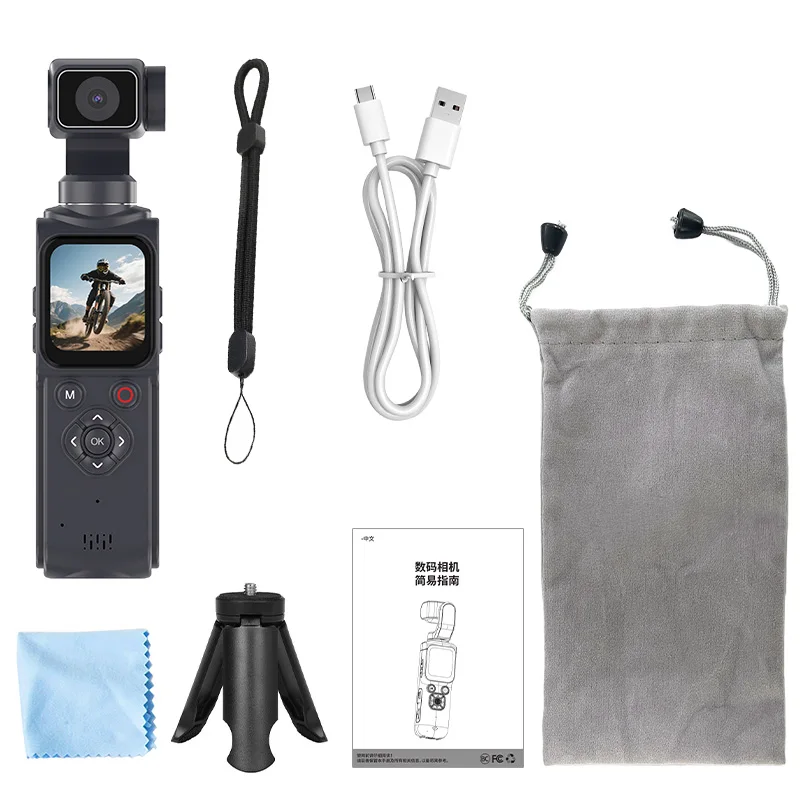
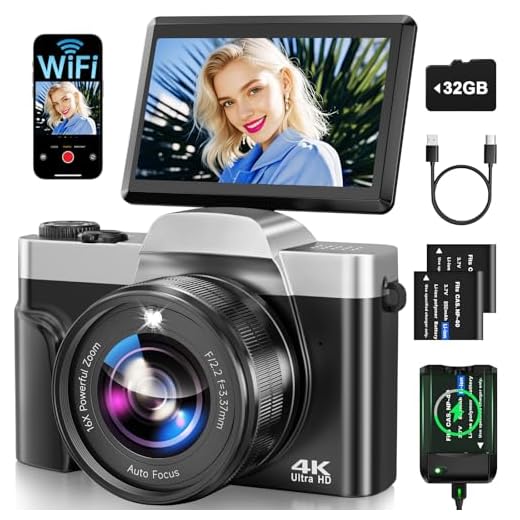
At its core, the main purpose of a digital camera is to capture high-quality images and videos that can be stored, shared, and enjoyed for years to come. Unlike traditional film cameras, digital cameras use electronic sensors to capture images, allowing for instant previewing and editing. This digital technology has made photography more accessible and versatile than ever before.
The Role of Digital Cameras in Modern Society
In today’s digital age, digital cameras play a crucial role in modern society. They have become an essential tool for capturing and preserving memories, documenting events, and sharing experiences with others. Digital cameras have revolutionized the way we take photos, making photography more accessible to everyone.
With the rise of social media platforms, digital cameras have also become a means of communication and self-expression. People use digital cameras to share their lives, creativity, and perspectives with the world. The ability to instantly capture and share images has transformed how we communicate and connect with others.
Understanding the Basics of Digital Photography
Digital photography is the process of capturing and storing images using electronic sensors. Unlike traditional film photography, digital cameras use sensors to record light and create digital images. Understanding the basics of digital photography can help you take better photos and make the most of your camera.
Here are some key concepts to grasp:

- Resolution: Digital cameras have a certain number of pixels, which determine the resolution of the images they capture. Higher resolution cameras can produce clearer and more detailed images.
- File formats: Digital cameras can save images in different file formats, such as JPEG, TIFF, and RAW. Each format has its own advantages and disadvantages in terms of image quality and file size.
- Exposure: Understanding exposure is crucial in digital photography. The exposure of an image is determined by the amount of light that reaches the camera sensor. Adjusting settings like aperture, shutter speed, and ISO can help you control exposure.
- Composition: Composition is key to creating visually appealing photos. Techniques like the rule of thirds, leading lines, and framing can help you compose better shots.
- White balance: White balance ensures that colors appear accurate in your photos. Digital cameras offer different white balance presets to adjust the color temperature of your images.
By understanding these basics of digital photography, you can improve your skills as a photographer and capture stunning images with your digital camera.
Advantages of Using Digital Cameras
1. Instant Preview: With a digital camera, you can instantly view the photos you have taken on the LCD screen, allowing you to make adjustments and retake shots if needed.
2. Easy Sharing: Digital cameras make it easy to share photos with others by simply transferring them to a computer or sharing them online through social media platforms.
3. Editing Options: Digital cameras offer a range of editing options, allowing you to enhance and manipulate your photos to achieve the desired look.
4. Cost-effective: While the initial investment in a digital camera may be higher than a film camera, the long-term costs are lower as there is no need to purchase film or pay for developing.
5. Storage Capacity: Digital cameras have the ability to store hundreds or even thousands of photos on a memory card, eliminating the need to carry multiple rolls of film.
6. Convenience: Digital cameras are compact and lightweight, making them easy to carry around and use in various settings without the need for additional equipment.
Key Features to Consider When Choosing a Digital Camera
When choosing a digital camera, there are several key features to consider to ensure you get the best device for your needs. Here are some important factors to keep in mind:
1. Megapixels
The number of megapixels determines the resolution and image quality of the photos taken. Higher megapixels result in sharper and more detailed images, so consider this when choosing a camera.
2. Lens Quality
The quality of the lens is crucial for capturing clear and crisp images. Look for cameras with high-quality lenses from reputable brands to ensure better image quality.
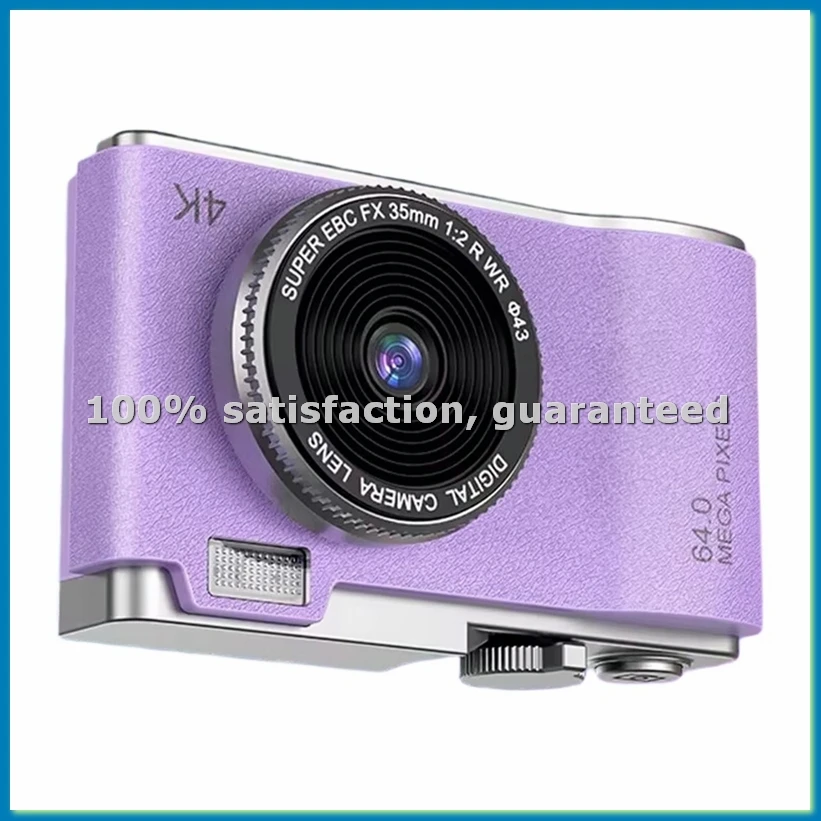
Other important features to consider include:
- Zoom capabilities
- Low-light performance
- Image stabilization
- Shooting modes and settings
- Connectivity options
Importance of Image Quality in Digital Photography
Image quality is a crucial factor in digital photography as it directly impacts the final result of the captured images. High image quality ensures sharpness, clarity, and color accuracy, making the photos more appealing and professional-looking.
Good image quality allows for detailed and vibrant images that can be enlarged or printed without losing their sharpness. It also enhances the overall visual impact of the photos, making them more engaging and memorable.
Applications of Digital Cameras in Various Industries
Digital cameras have become indispensable tools in various industries due to their versatility and advanced features. Here are some key applications of digital cameras across different sectors:
1. Photography and Videography
One of the most obvious uses of digital cameras is in the field of photography and videography. Professional photographers and videographers use digital cameras to capture high-quality images and videos for various purposes such as advertising, journalism, and personal projects.

2. Healthcare
In the healthcare industry, digital cameras are used for capturing medical images such as X-rays, MRIs, and ultrasounds. These images are crucial for diagnosis, treatment planning, and monitoring patient progress. Digital cameras have revolutionized medical imaging by providing clear and detailed pictures that can be easily shared and stored electronically.
- 3. Manufacturing
- 4. Education
- 5. Security and Surveillance
Impact of Digital Cameras on Visual Communication
Digital cameras have revolutionized the way we communicate visually in today’s digital age. With the advancement of technology, digital cameras have become more accessible and affordable, allowing individuals to capture high-quality images and videos with ease. This has significantly impacted visual communication in various ways:
| Instant Sharing: | With digital cameras, images and videos can be instantly shared on social media platforms, websites, and through email. This has made visual communication faster and more efficient. |
| Enhanced Creativity: | Digital cameras offer a wide range of features and settings that allow photographers to experiment and be more creative with their visual content. This has led to a surge in artistic expression and innovative visual communication. |
| Global Reach: | Through digital platforms, visual content captured with digital cameras can reach a global audience within seconds. This has enabled individuals to communicate visually with people from different parts of the world, breaking down barriers of distance and language. |
| Professional Quality: | Professional photographers and videographers can now produce high-quality visual content using digital cameras, without the need for expensive equipment. This has democratized visual communication, allowing anyone with a digital camera to create professional-looking images and videos. |
In conclusion, digital cameras have had a profound impact on visual communication, making it more accessible, creative, and global. As technology continues to advance, the role of digital cameras in visual communication will only continue to grow.
Future Trends in Digital Camera Technology
In the rapidly evolving world of digital cameras, several exciting trends are shaping the future of this technology. One prominent trend is the development of high-resolution sensors that capture more detail and clarity in images. These sensors allow for larger prints and more significant cropping without sacrificing image quality.
Another trend is the integration of artificial intelligence (AI) into digital cameras. AI-powered features such as scene recognition, autofocus optimization, and image enhancement are becoming increasingly common, enabling users to capture stunning photos with ease.

Furthermore, advancements in connectivity are revolutionizing how we share and store photos. Wi-Fi and Bluetooth capabilities allow for instant sharing to social media platforms or cloud storage, eliminating the need for cumbersome cables or memory cards.
Lastly, the rise of mirrorless cameras is reshaping the industry, offering compact form factors without compromising on image quality. With faster autofocus systems and silent shooting modes, mirrorless cameras are becoming the preferred choice for many photographers.
FAQ
Why do people use digital cameras?
People use digital cameras to capture high-quality images and videos, preserve memories, share moments with others, and explore their creativity through photography.
What are the advantages of using a digital camera over a smartphone camera?
Digital cameras typically offer higher image quality, more advanced settings for customization, interchangeable lenses for different purposes, better low light performance, and the ability to capture RAW files for more detailed editing.
How has the evolution of digital cameras changed photography?
The evolution of digital cameras has revolutionized photography by making it more accessible to a wider audience, allowing for instant preview and editing of images, enabling sharing on social media platforms, and providing a platform for professional photographers to showcase their work online.



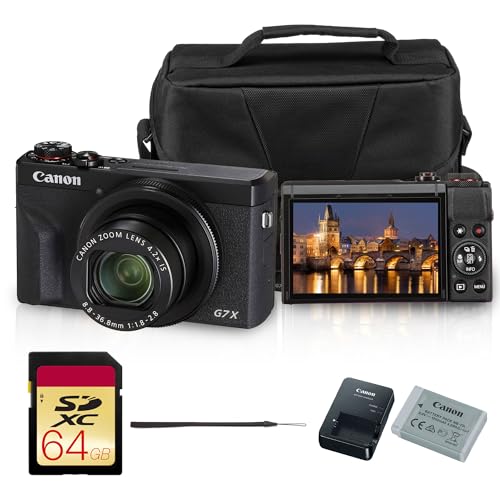
Can someone explain the difference between JPEG and RAW file formats? I keep hearing about RAW but I'm not sure if I should use it.
Great question! RAW files retain more image data, which allows for better post-processing. JPEGs are compressed and easier to share but don't offer as much flexibility in editing.
I think digital cameras can be too expensive for casual users. Smartphones take great photos these days and are much more convenient!
I see your point, but I think dedicated cameras still have advantages in terms of quality and creative control.
What are the main differences between DSLRs and mirrorless cameras in terms of image quality?
I recently upgraded from a point-and-shoot to a DSLR. The difference in image quality is amazing, especially in low-light situations. I used to struggle with blurry photos, but now I can take clear shots easily. Does anyone else have experience moving up to a higher-end camera?
Digital cameras have really changed the game for hobbyists. I love being able to share photos instantly.
I've been using a digital camera for a few years now, and I love the instant preview feature. It really helps me capture the perfect shot without wasting time.