
 Carmen J. Moore

With the advancement of technology, the world of photography has witnessed a significant transformation, particularly with the emergence of 35mm digital cameras. These cameras have revolutionized the way we capture images, offering enhanced clarity and versatility compared to traditional film cameras.
So, how exactly do these new-age 35mm digital cameras work? Unlike film cameras that rely on chemical processes to capture images, digital cameras use electronic sensors to convert light into digital data. This data is then processed by the camera’s internal software to produce high-quality images that can be stored and viewed digitally.


Moreover, 35mm digital cameras come equipped with a range of features such as autofocus, image stabilization, and various shooting modes, allowing photographers to capture stunning images with ease. The ability to adjust settings like ISO, aperture, and shutter speed gives users greater control over their photography, resulting in professional-looking shots.
The Basics of 35mm Digital Cameras
Introduction: 35mm digital cameras are popular among photographers for their versatility and high-quality images. These cameras combine the traditional film format with modern digital technology to offer photographers the best of both worlds.
Image Sensor: The heart of a 35mm digital camera is its image sensor. This sensor captures light and converts it into digital data, which is then processed to create the final image. The size and quality of the image sensor play a crucial role in determining the image quality of the camera.
Lens System: 35mm digital cameras are compatible with a wide range of lenses, allowing photographers to choose the best lens for their specific needs. The quality of the lens can significantly impact the sharpness and clarity of the final image.
Controls and Settings: These cameras come with a variety of manual controls and settings that allow photographers to adjust exposure, focus, and other parameters to achieve the desired results. Understanding how to use these controls effectively is essential for getting the most out of a 35mm digital camera.

Image Processing: After capturing an image, the camera processes the data to enhance colors, contrast, and sharpness. Photographers can further refine the image using post-processing software to achieve their desired look.
Conclusion: 35mm digital cameras offer photographers a powerful tool for capturing high-quality images with the flexibility and control of digital technology. Understanding the basics of how these cameras work is essential for maximizing their potential.
Understanding Sensor Technology
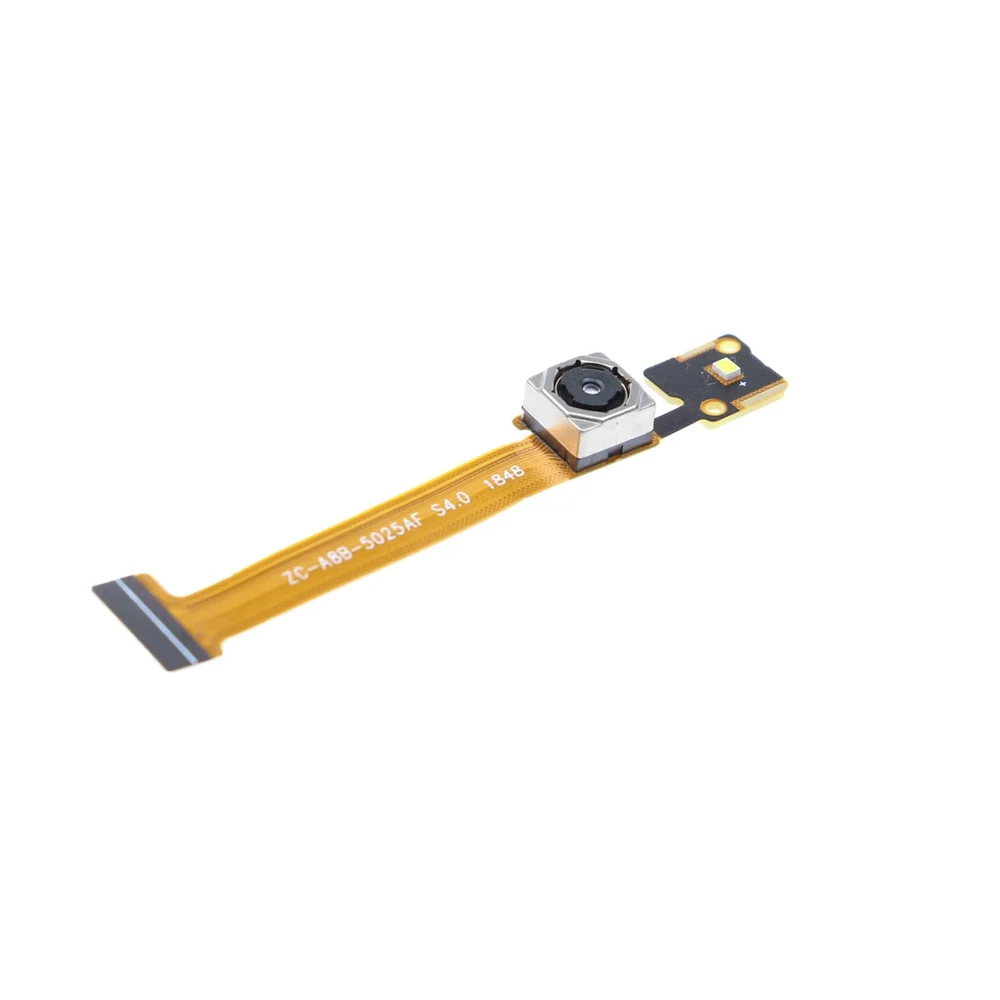
One of the key components of a digital camera is its sensor technology. Sensors in digital cameras are responsible for converting light into digital signals that can be processed and stored as images. There are two main types of sensors used in digital cameras: CCD (Charge-Coupled Device) and CMOS (Complementary Metal-Oxide-Semiconductor).
CCD Sensors
CCD sensors have been traditionally used in digital cameras and offer high image quality with low noise levels. They are known for their excellent color accuracy and dynamic range. CCD sensors use a complex manufacturing process, which makes them more expensive to produce compared to CMOS sensors.
CMOS Sensors
CMOS sensors have gained popularity in recent years due to their lower power consumption and faster readout speeds. They are also more cost-effective to produce compared to CCD sensors. While CMOS sensors may not offer the same image quality as CCD sensors, they have improved significantly and are now widely used in many digital cameras.
Understanding the sensor technology in your digital camera can help you make informed decisions when choosing a camera that meets your needs and preferences.
Exploring Lens Options
One of the key advantages of using a 35mm digital camera is the ability to interchange lenses, allowing photographers to choose the perfect lens for each shot. There are a wide variety of lenses available, each with its own unique features and benefits.
Wide-angle lenses are ideal for capturing expansive landscapes or fitting large groups of people into the frame. They have a wide field of view and can create dramatic perspectives.
Telephoto lenses are perfect for capturing distant subjects or wildlife. They offer a narrow field of view, allowing you to zoom in and get close-up shots without physically moving closer.
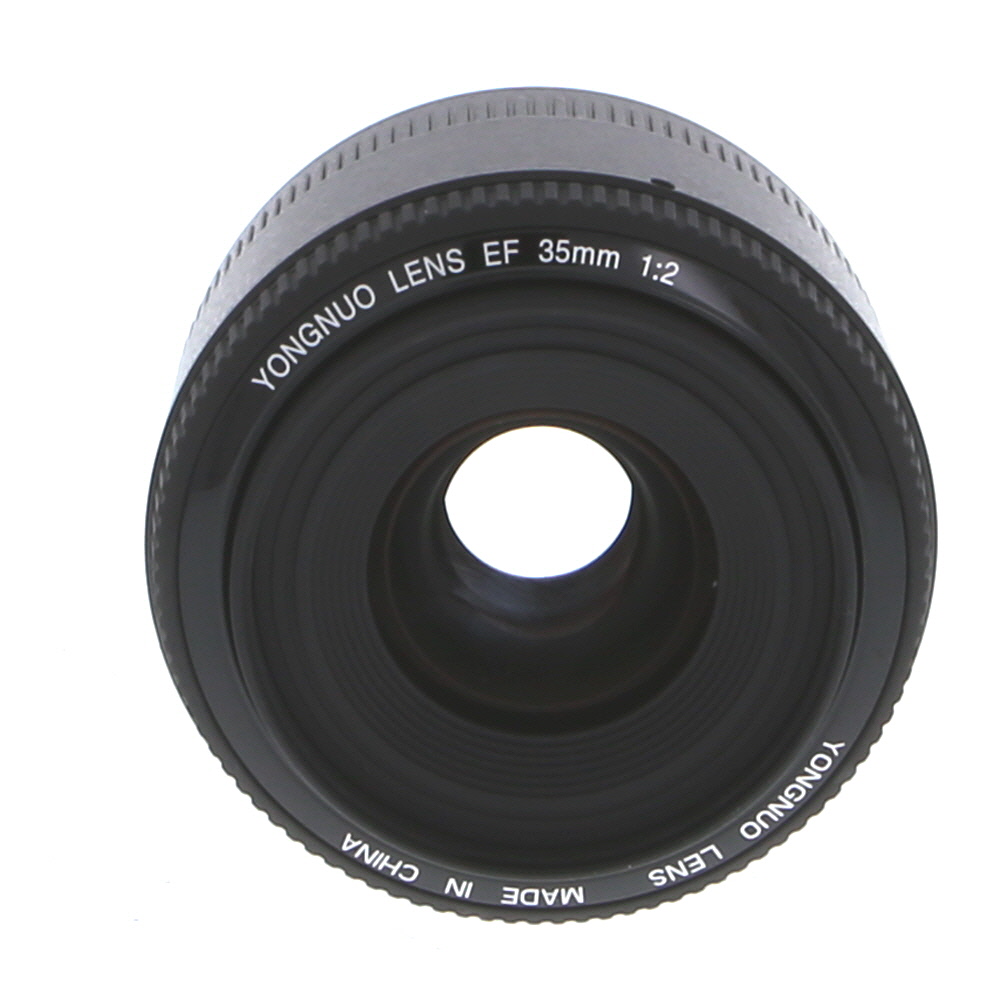
Prime lenses have a fixed focal length, which means they do not zoom in or out. However, they are known for their sharpness and ability to create beautiful bokeh effects, making them popular for portrait photography.
Zoom lenses offer a range of focal lengths in a single lens, providing versatility for different shooting situations. They are great for capturing a variety of subjects without having to switch lenses.
When choosing a lens for your 35mm digital camera, consider factors such as focal length, aperture, and image stabilization to ensure you get the best results for your photography needs.
Benefits of Mirrorless Design
Mirrorless cameras offer several key benefits over traditional DSLRs due to their innovative design:
1. Compact and Lightweight
One of the main advantages of mirrorless cameras is their smaller and lighter form factor. Without the bulky mirror mechanism found in DSLRs, mirrorless cameras are more portable and easier to carry around, making them ideal for travel and street photography.
2. Faster Autofocus
Thanks to the electronic viewfinder and contrast-detection autofocus system, mirrorless cameras can achieve faster and more accurate focusing compared to DSLRs. This is especially beneficial when capturing moving subjects or shooting in low light conditions.

Workflow with RAW Files
When using a 35mm digital camera, working with RAW files is a common practice to preserve the maximum amount of image data for post-processing. RAW files contain unprocessed image data straight from the camera sensor, providing photographers with more flexibility and control over the final image.
After capturing RAW files with your camera, the next step is to transfer them to your computer for editing. Many photographers use professional software like Adobe Lightroom or Capture One to process RAW files, adjusting settings such as exposure, white balance, contrast, and sharpness.
Once you have edited your RAW files to your liking, you can export them to a more common file format like JPEG or TIFF for sharing or printing. Remember to save your original RAW files for future reference or additional editing, as they retain the most image information and quality.
Working with RAW files in the workflow of a 35mm digital camera allows photographers to achieve the best possible results and unleash the full potential of their images.
Comparison to Film Photography
When comparing 35mm digital cameras to traditional film photography, several key differences emerge. One notable advantage of digital cameras is the immediate feedback they provide. Photographers can review their shots instantly on the camera’s LCD screen, allowing for quick adjustments to exposure, composition, and other settings.
Additionally, digital cameras offer the convenience of storing hundreds or even thousands of photos on a single memory card, eliminating the need to carry multiple rolls of film. This also allows for easy organization and sharing of images through digital platforms.
On the other hand, film photography enthusiasts often appreciate the unique aesthetic qualities of film, such as grain, color rendition, and dynamic range. Some argue that film photography fosters a more deliberate approach to shooting, as each frame is limited and must be carefully considered before exposure.
Future Trends in Digital Imaging
As technology continues to advance at a rapid pace, the future of digital imaging looks promising with several key trends emerging.
1. Higher Resolutions
One of the most noticeable trends in digital imaging is the continuous increase in resolution. Cameras are now capable of capturing images with incredibly high resolutions, allowing for greater detail and clarity.
2. Improved Low-Light Performance
Another important trend is the improvement in low-light performance. Digital cameras are becoming increasingly adept at capturing high-quality images in low-light conditions, thanks to advancements in sensor technology and image processing algorithms.
- Enhanced Color Accuracy
- Extended Dynamic Range
- Compact and Lightweight Designs
These trends are shaping the future of digital imaging, making it easier than ever for photographers to capture stunning images in a variety of conditions.

FAQ
How does a 35mm digital camera work?
A 35mm digital camera works by capturing light through the lens onto a digital sensor. The sensor converts the light into electronic signals, which are then processed by the camera’s internal software to produce a digital image. This image can be stored on a memory card for later viewing or printing.
What are the advantages of using a 35mm digital camera?
One of the main advantages of using a 35mm digital camera is the ability to instantly view and share photos without the need for film development. These cameras also offer higher resolution and image quality compared to film cameras. Additionally, digital cameras allow for easy editing and manipulation of images.
Can you explain the difference between a 35mm digital camera and a traditional film camera?
A 35mm digital camera uses a digital sensor to capture and process images, while a traditional film camera uses light-sensitive film to record images. Digital cameras offer instant viewing and sharing of photos, as well as the ability to store a large number of images on a memory card. Film cameras require developing the film before viewing the photos.


I’m curious about the differences between CCD and CMOS sensors. Which one would you recommend for landscape photography?
I recently switched to a 35mm digital camera from film, and the difference in workflow is amazing! Instant reviews of my shots help a lot, especially when traveling. I used to carry rolls of film and now I can store hundreds of photos on a single card. I still love the look of film, but digital has made capturing memories so much easier.