
 Carmen J. Moore

Full frame digital cameras have become increasingly popular among professional photographers and enthusiasts alike for their superior image quality and performance. One key aspect of these cameras that sets them apart is their sensor size, known as the full frame sensor.
But what exactly are the dimensions of a full frame digital camera FX? Understanding the physical specifications of these cameras can help you make informed decisions when choosing the right camera for your photography needs.
Understanding the Digital Camera FX Full Frame Dimensions
When it comes to digital cameras, full frame sensors are known for their larger size and superior image quality. Understanding the dimensions of a full frame sensor is crucial for photographers who want to maximize their equipment’s potential. Let’s dive into the key aspects of digital camera FX full frame dimensions.


What is a Full Frame Sensor?
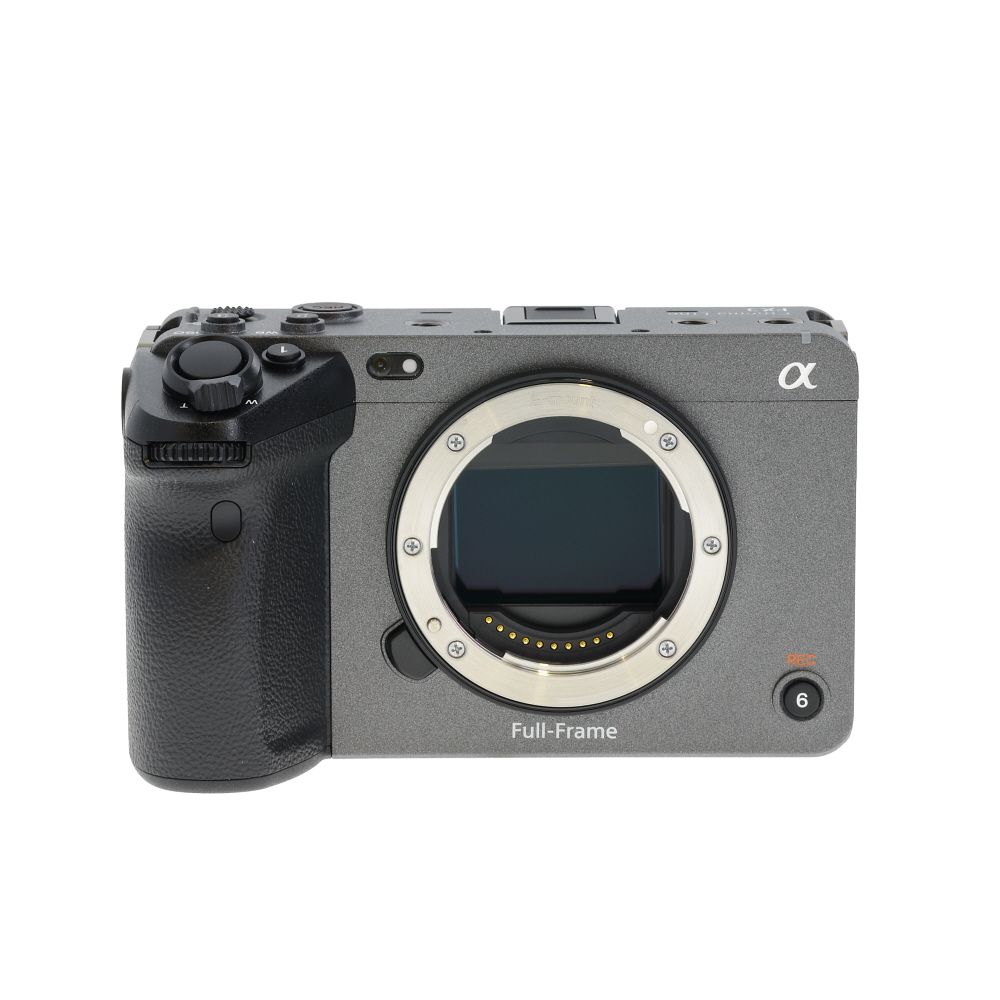
A full frame sensor is a type of image sensor that is equivalent in size to a traditional 35mm film frame. This larger sensor size allows for better light sensitivity, improved depth of field control, and higher image resolution compared to smaller sensor formats.
Dimensions of a Full Frame Sensor
- The dimensions of a full frame sensor typically measure around 36mm x 24mm.
- This size provides a larger surface area for capturing light, resulting in sharper images with more detail.
- Full frame sensors are commonly used in professional DSLR and mirrorless cameras.
By understanding the dimensions of a digital camera FX full frame sensor, photographers can make informed decisions when selecting equipment and optimizing their shooting techniques for the best results.
Exploring the sensor size and aspect ratio
When it comes to digital cameras, the sensor size plays a crucial role in determining the quality of the images captured. Full-frame cameras have sensors that are equivalent in size to a 35mm film frame, typically measuring around 36mm x 24mm. This larger sensor size allows for better light sensitivity, improved depth of field, and higher image quality compared to cameras with smaller sensor sizes.
Aspect ratio, on the other hand, refers to the proportional relationship between the width and height of an image. Full-frame cameras usually have an aspect ratio of 3:2, which is the same as the 35mm film frames they are designed to mimic. This aspect ratio is well-suited for a wide range of photography genres, from landscapes to portraits, providing a balanced composition for most types of images.
Comparing full frame to other sensor formats
When it comes to digital camera sensors, the full frame format is often considered the gold standard. However, there are other sensor formats available that have their own advantages and disadvantages. Here is a comparison of full frame sensors to other common sensor formats:

- APS-C: APS-C sensors are smaller than full frame sensors, which means they typically have a narrower field of view. This can be beneficial for telephoto shooting but may result in a crop factor when compared to full frame.
- Micro Four Thirds: Micro Four Thirds sensors are even smaller than APS-C sensors, but they are popular for their compact size and wide range of lenses. However, they may not perform as well in low light situations compared to full frame sensors.
- Medium format: Medium format sensors are larger than full frame sensors, offering even greater image quality and detail. However, medium format cameras are typically larger and more expensive than full frame cameras.
Ultimately, the best sensor format for you will depend on your specific needs and preferences, as each format has its own strengths and weaknesses.
Impact of full frame on image quality
When it comes to image quality, the full frame sensor in a digital camera offers several advantages over smaller sensors. The larger size of a full frame sensor allows for more light to be captured, resulting in better low-light performance and reduced noise in images.
Additionally, full frame sensors typically have higher resolution and better dynamic range compared to smaller sensors, leading to sharper images with more detail and better color accuracy.
Depth of Field
Full frame sensors also have a shallower depth of field, allowing for more creative control over focus and background blur in photos. This can be particularly beneficial for portrait and landscape photography where a blurred background can help draw attention to the main subject.
Lens Compatibility
Another advantage of full frame sensors is their compatibility with a wider range of lenses, including those designed for film cameras. This allows photographers to take advantage of older, high-quality lenses and achieve unique effects that may not be possible with smaller sensor cameras.
Considerations for lens compatibility
When choosing a digital camera with a full-frame sensor, it’s important to consider lens compatibility. Full-frame cameras are typically designed to work with full-frame lenses, which are optimized for the larger sensor size. However, you may also be able to use lenses designed for crop sensor cameras on a full-frame camera, but there are some things to keep in mind:
- Vignetting: Lenses designed for crop sensor cameras may cause vignetting when used on a full-frame camera, as the image circle they produce may not cover the entire sensor.
- Image quality: While some crop sensor lenses may work on a full-frame camera, they may not deliver the same image quality as lenses designed specifically for full-frame sensors.
- Focal length: Crop sensor lenses have a different effective focal length on a full-frame camera, so you may need to adjust your shooting style and composition accordingly.
- Auto-focus: Some crop sensor lenses may not have full compatibility with the auto-focus system of a full-frame camera, so manual focusing may be necessary.
Advantages of shooting with a full frame camera
1. Better image quality: Full frame sensors capture more light, resulting in higher quality images with better color reproduction and less noise.
2. Improved low-light performance: Full frame cameras have larger pixels that can gather more light, making them ideal for shooting in low-light conditions.
3. Shallower depth of field: With a full frame sensor, you can achieve a more pronounced background blur, creating a professional-looking bokeh effect.
4. Wider field of view: Full frame cameras offer a wider field of view compared to crop sensor cameras, allowing you to capture more of the scene in your frame.
5. Better dynamic range: Full frame sensors have a greater dynamic range, preserving more details in both highlights and shadows for more balanced exposures.
6. Compatibility with full frame lenses: Full frame cameras are designed to work optimally with full frame lenses, providing the best image quality and performance.
Choosing the right full frame camera for your needs
When selecting a full frame camera, it’s crucial to consider your specific requirements and shooting style. Here are some key factors to keep in mind:
- Resolution: Determine the level of detail you need in your images and choose a camera with an appropriate megapixel count.
- Low light performance: If you frequently shoot in low light conditions, opt for a camera with good high ISO performance.
- Size and weight: Consider the portability of the camera, especially if you plan to travel with it often.
- Lens compatibility: Check the availability and compatibility of lenses for the camera system you’re interested in.
- Video capabilities: If you shoot video, make sure the camera offers the features and quality you need.
- Price: Set a budget and choose a camera that fits within it while still meeting your requirements.
FAQ
What are the dimensions of a full-frame digital camera fx?
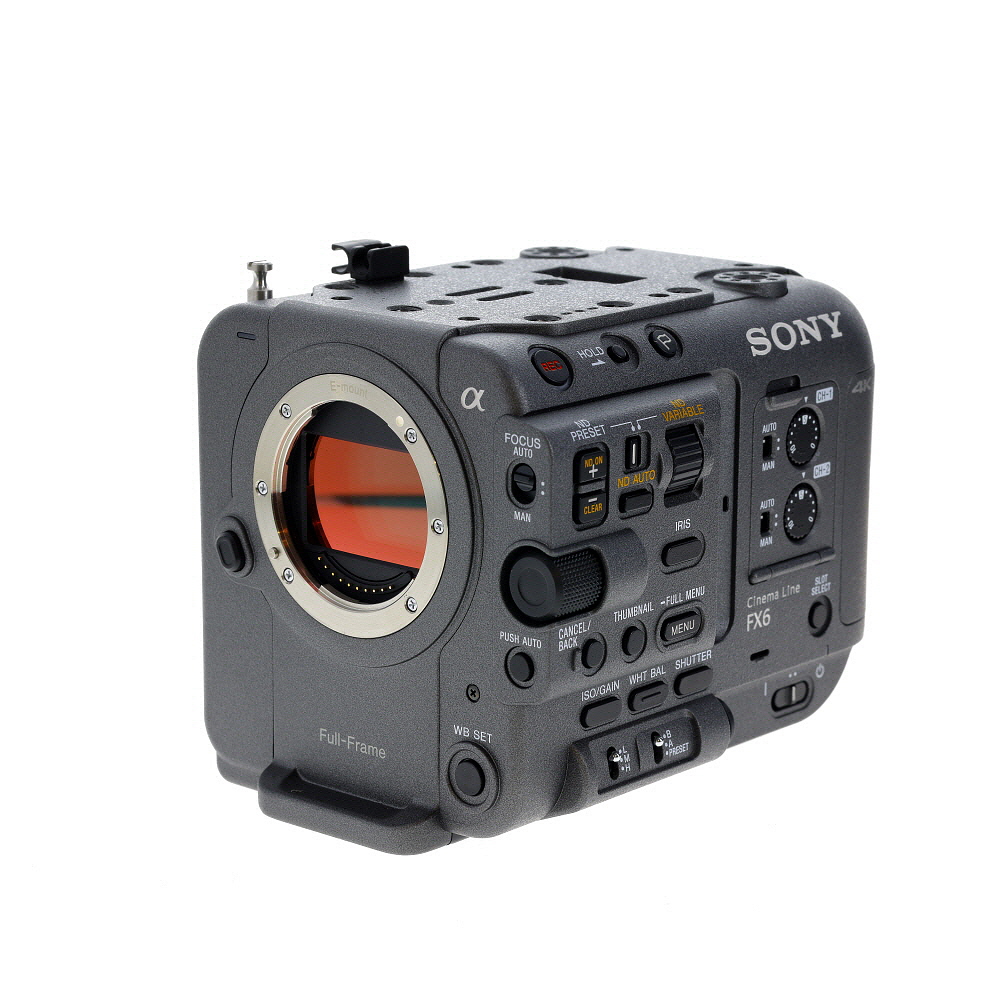
The dimensions of a full-frame digital camera fx vary depending on the model and manufacturer. Generally, full-frame cameras are larger and heavier than crop sensor cameras due to the size of the sensor. For example, a typical full-frame camera may have dimensions around 5.7 x 4.2 x 3.3 inches (144 x 106 x 82 mm) and weigh approximately 1.5 to 2 pounds (680 to 910 grams).
How do the dimensions of a full-frame digital camera fx compare to other types of cameras?
Full-frame digital cameras fx are typically larger and heavier than crop sensor cameras or compact cameras. The larger dimensions are necessary to accommodate the larger sensor size, which results in better image quality and low-light performance. While full-frame cameras may be bulkier, they offer professional photographers a greater range of creative possibilities and control over depth of field.


I don't think full frame is always necessary. For casual photography, an APS-C or Micro Four Thirds can be more than enough, especially with the right lenses. Why spend so much more?
That’s a valid point. It really depends on your photography needs and style. Full frame offers advantages in certain conditions, but for many, crop sensors can be perfectly sufficient.
What are the exact dimensions of the full frame sensor? I heard it’s 36mm x 24mm, but does that apply to all full frame cameras?
Yes, the standard dimensions of a full frame sensor are typically 36mm x 24mm. However, there can be slight variations based on the specific camera model and manufacturer.
I’ve been using an APS-C camera for years but I'm considering upgrading to full frame. I’m particularly interested in how the depth of field and light sensitivity compare. Is it worth the investment?
I switched to a full frame camera recently and the image quality is just amazing! The low-light performance is a game changer for me.
Just a heads up, when using crop sensor lenses on full frame cameras, you might face vignetting issues.