
 Carmen J. Moore

Digital camera sensors play a vital role in capturing high-quality images. Understanding the differences between various sensor types can help photographers make informed decisions when choosing a camera. Two common sensor types are CCD (Charge-Coupled Device) and CMOS (Complementary Metal-Oxide-Semiconductor).
CCD sensors are known for their high image quality and low noise levels, making them ideal for professional photography. On the other hand, CMOS sensors are more energy-efficient and cost-effective, making them popular in consumer cameras.

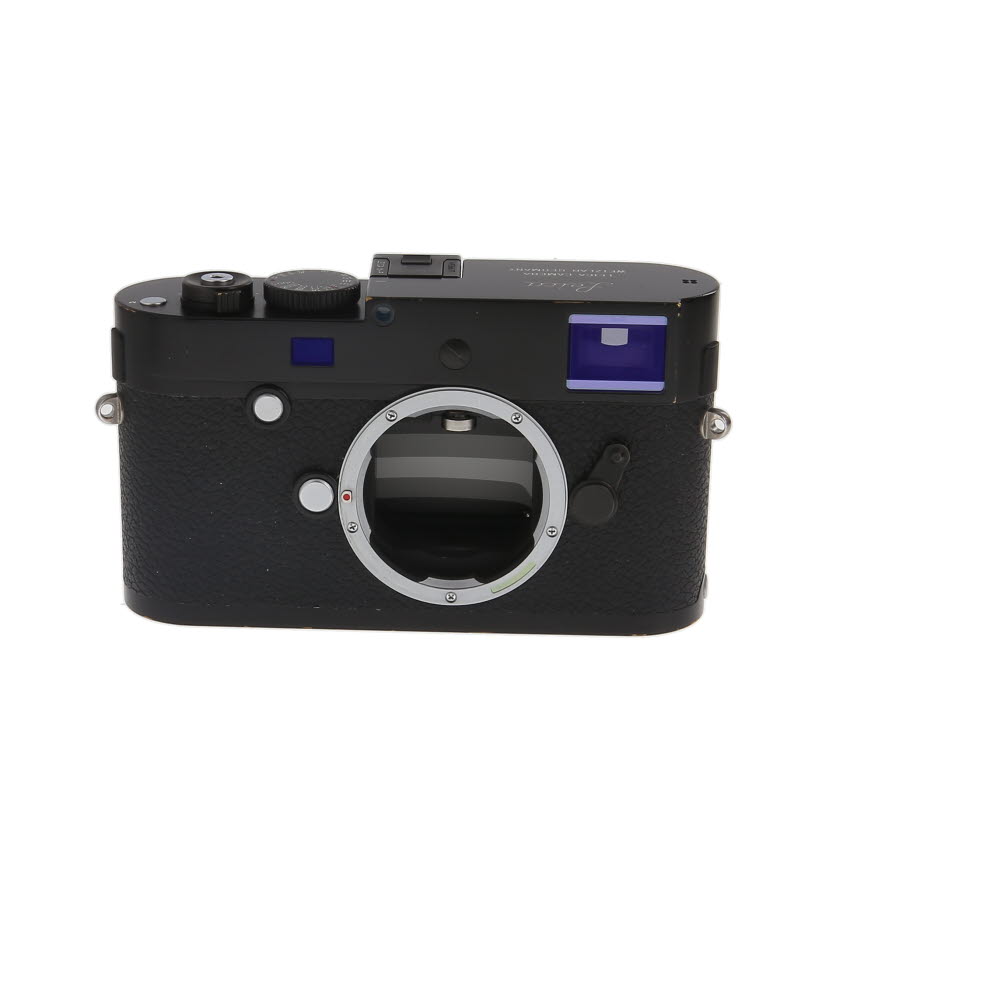

Both sensor types have their advantages and disadvantages, and the choice between them often comes down to the specific needs of the photographer. Factors such as image quality, noise performance, and price all play a role in determining which sensor type is best suited for a particular camera.
Digital Camera Sensors: Understanding the Key Differences
When it comes to digital cameras, one of the most crucial components is the image sensor. The sensor is responsible for capturing light and converting it into a digital image. There are different types of sensors used in digital cameras, each with its own set of characteristics and advantages.
CMOS vs. CCD Sensors
Two common types of sensors found in digital cameras are CMOS (complementary metal-oxide-semiconductor) and CCD (charge-coupled device). CMOS sensors are more popular due to their lower power consumption, faster readout speeds, and better noise performance. On the other hand, CCD sensors typically offer better image quality and dynamic range.
Sensor Size and Megapixels
The size of the sensor in a digital camera plays a significant role in image quality. Larger sensors can capture more light, resulting in better low-light performance and shallower depth of field. Additionally, the number of megapixels on a sensor does not always guarantee better image quality. Factors like pixel size and sensor technology also play a crucial role in determining image sharpness and noise levels.
| Sensor Type | Advantages | Disadvantages |
|---|---|---|
| CMOS | Low power consumption, fast readout speeds, better noise performance | Lower image quality compared to CCD sensors |
| CCD | Better image quality, higher dynamic range | Higher power consumption, slower readout speeds |
Sensor Size Matters
When it comes to digital camera sensors, one of the most important factors to consider is the size of the sensor. Sensor size can have a significant impact on the quality of the images produced by a camera. Here are some key points to keep in mind:

1. Larger Sensors Capture More Light
Generally speaking, larger sensors are able to capture more light than smaller sensors. This results in better low-light performance and improved image quality, especially in challenging lighting conditions.
2. Depth of Field
The size of the sensor also affects the depth of field in an image. Cameras with larger sensors typically produce images with a shallower depth of field, allowing for better background blur and subject isolation.
- Smaller sensors: Deeper depth of field, more in focus
- Larger sensors: Shallower depth of field, more background blur
Understanding the impact of sensor size on image quality and performance can help you choose the right camera for your needs.
Resolution and Megapixels
One of the key differences between digital camera sensors is their resolution, which is often measured in megapixels. Resolution refers to the number of pixels that make up an image, with more pixels generally resulting in higher image quality and detail.
Higher resolution sensors, with more megapixels, can capture finer details and produce sharper images, especially when printed in large sizes. However, higher resolution sensors also tend to generate larger file sizes, which may require more storage space and processing power.
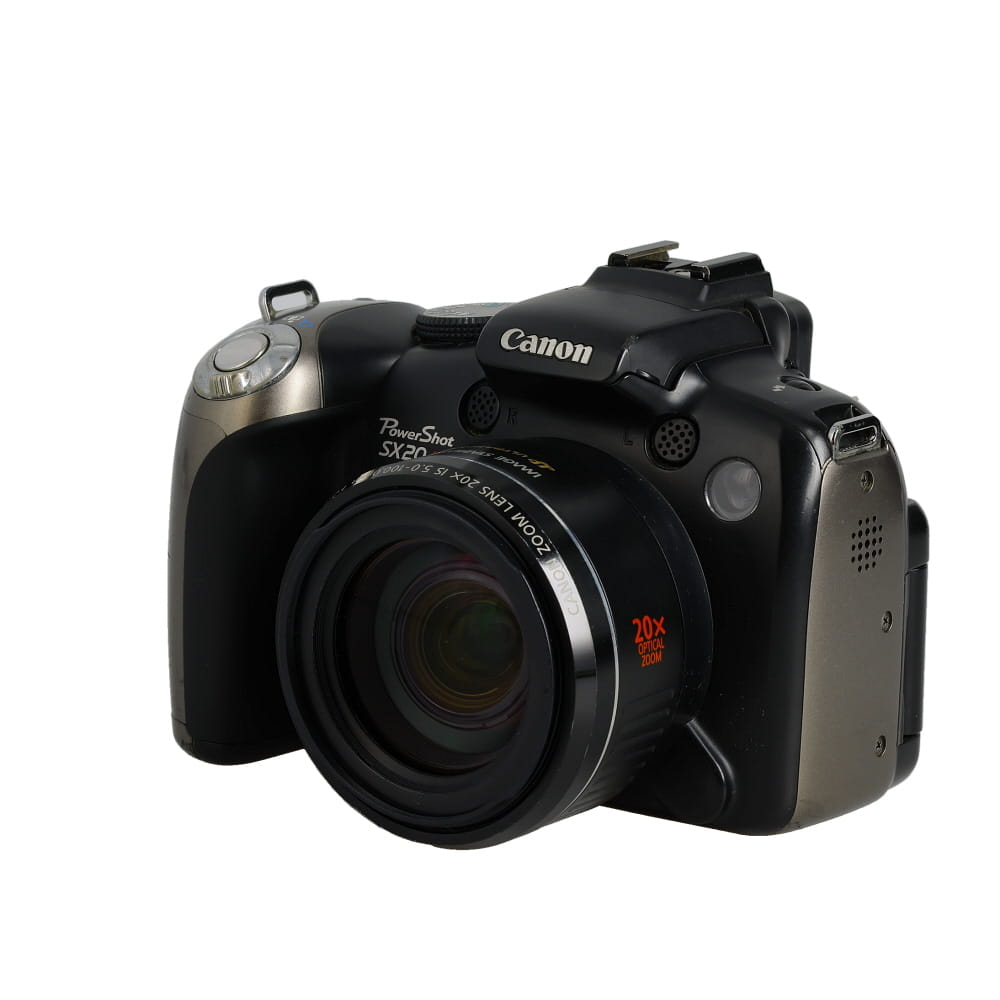
How resolution affects image quality
The resolution of a sensor directly impacts the clarity and sharpness of an image. A higher resolution sensor can capture more detail and produce images with greater clarity, especially when zoomed in or printed at larger sizes. On the other hand, lower resolution sensors may struggle to capture fine details and can result in pixelation or loss of sharpness when images are enlarged.
Choosing the right resolution
When choosing a digital camera, it’s important to consider the resolution of the sensor based on your specific needs. If you plan to print large photos or crop images frequently, a higher resolution sensor with more megapixels may be beneficial. However, if you primarily share images online or only print small photos, a lower resolution sensor may be sufficient and can help save storage space and processing time.
| Resolution (Megapixels) | Image Quality | File Size |
|---|---|---|
| 10-16 MP | Good for most uses, suitable for prints up to 8×10 inches | Medium |
| 20+ MP | High-quality images, suitable for large prints and detailed crops | Large |
Sensor Type: CMOS vs CCD
CMOS (Complementary Metal-Oxide-Semiconductor) and CCD (Charge-Coupled Device) are the two main types of image sensors used in digital cameras. While both types serve the same purpose of converting light into digital signals, there are key differences between them.
CMOS sensors are generally more popular due to their lower power consumption, higher speed, and lower production costs. They are also known for their versatility and ability to integrate other functions on the same chip, such as image processing and noise reduction.
On the other hand, CCD sensors are typically more sensitive to light and produce higher-quality images with better color accuracy and less noise. However, they consume more power and are slower compared to CMOS sensors.
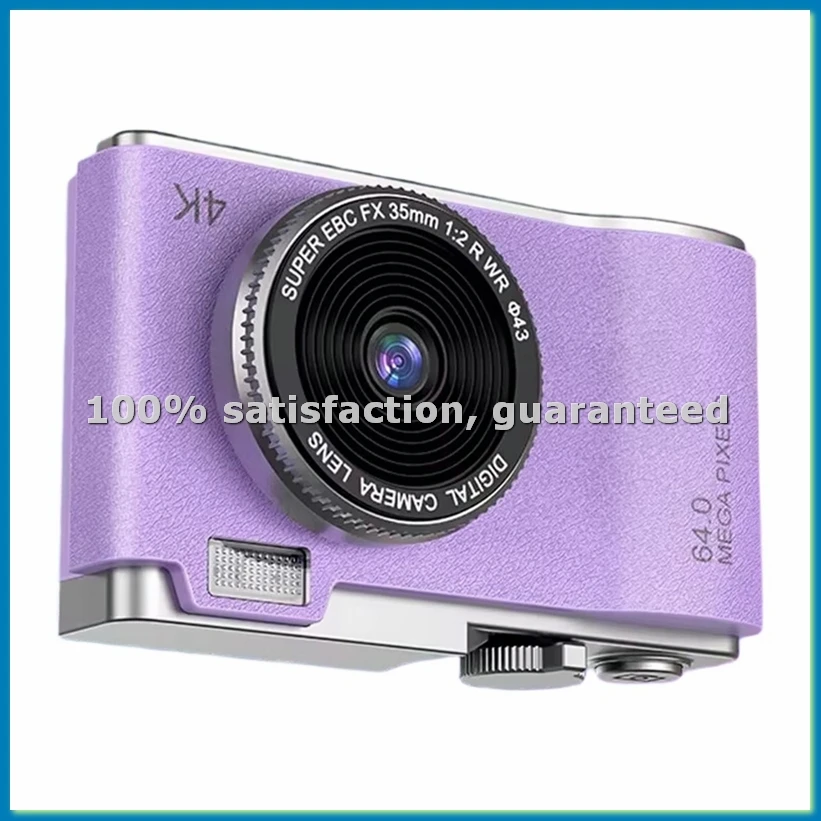
In conclusion, the choice between CMOS and CCD sensors depends on the specific requirements of a camera and the desired outcome in terms of image quality, speed, and power consumption.
Low Light Performance
One of the key differences in digital camera sensors is their performance in low light conditions. Larger sensors typically perform better in low light situations, as they can capture more light and produce less noise in the final image. This results in clearer and sharper photos with less graininess.
Smaller sensors, on the other hand, may struggle in low light conditions and produce images with more noise and less detail. This is because they have less surface area to capture light, leading to a lower signal-to-noise ratio.
When choosing a digital camera, consider the sensor size and its impact on low light performance if you frequently shoot in dimly lit environments or at night.
Dynamic Range and Color Depth
Dynamic range refers to the range of tones a camera sensor can capture, from the darkest shadows to the brightest highlights. A larger dynamic range allows for more detail in both shadow and highlight areas of an image.

Color depth, on the other hand, refers to the number of colors a camera sensor can reproduce. Higher color depth results in more accurate and realistic color representation in images.
When comparing digital camera sensors, it is important to consider both dynamic range and color depth to determine the quality of images they can produce.
Image Processing and Noise Reduction
One key aspect where digital camera sensors differ is in their image processing capabilities. Image processing refers to the algorithms and software used by the camera to enhance and optimize the image captured by the sensor. Higher-end cameras often have more advanced image processing capabilities, which can result in better overall image quality.
Noise reduction is another important factor related to image processing. Noise refers to the random variation of brightness or color information in images, which can result in a grainy or speckled appearance. Digital camera sensors with better noise reduction algorithms can produce cleaner images with less noise, especially in low-light conditions.
When comparing digital camera sensors, it’s essential to consider the image processing and noise reduction capabilities to ensure you get the best possible image quality for your needs.

Speed and Burst Mode
One key difference in digital camera sensors is their speed and ability to capture images in burst mode. The speed of a sensor refers to how quickly it can process and capture images. A faster sensor will be able to capture images more quickly, resulting in less lag time between shots. This can be particularly important for action photography or capturing fast-moving subjects.
Burst mode, on the other hand, is a feature that allows a camera to capture a series of rapid-fire shots in quick succession. The sensor’s ability to process images quickly is crucial for this feature, as it determines how many frames per second the camera can capture in burst mode. A sensor with a higher speed will be able to capture more frames per second, allowing you to capture fast-moving action with precision.
Price vs Performance: Finding the Right Balance
When it comes to digital camera sensors, there is often a trade-off between price and performance. Higher-priced sensors typically offer better image quality, higher resolution, and better low-light performance. However, these sensors can be more expensive and may not always be necessary for every photographer.
On the other hand, lower-priced sensors may not offer the same level of performance as their higher-priced counterparts, but they can still produce good quality images at a more affordable price point. For hobbyists or those just starting out in photography, a lower-priced sensor may be a more budget-friendly option.
It’s important to consider your own photography needs and budget when choosing a digital camera sensor. Finding the right balance between price and performance is key to getting the most out of your camera and achieving the quality of images you desire.

FAQ
What are the main types of digital camera sensors?
The main types of digital camera sensors are CCD (Charge-Coupled Device) and CMOS (Complementary Metal-Oxide-Semiconductor) sensors. These sensors are responsible for capturing light and converting it into digital signals for image processing.
How do CCD and CMOS sensors differ in terms of image quality?
CCD sensors traditionally have been known for producing images with better dynamic range and lower noise compared to CMOS sensors. However, recent advancements in CMOS technology have closed the gap, and now many high-end cameras use CMOS sensors with excellent image quality.
What is the advantage of CMOS sensors over CCD sensors?
CMOS sensors generally consume less power, which leads to better battery life in digital cameras. Additionally, CMOS sensors are more cost-effective to manufacture and allow for faster readout speeds, making them suitable for high-speed photography and video recording.
How does the size of the sensor affect image quality?
The size of the sensor directly impacts image quality by influencing factors such as low-light performance, depth of field, and dynamic range. Larger sensors tend to perform better in low-light conditions and produce images with a shallower depth of field, creating a more cinematic look. However, smaller sensors can still produce high-quality images, especially in well-lit environments.
Are there other factors besides sensor type that affect image quality in digital cameras?
Yes, besides sensor type, factors like pixel count, lens quality, image processing algorithms, and the camera’s ability to handle noise and dynamic range also play a significant role in determining image quality. It’s essential to consider all these factors when choosing a digital camera.


I've used both CCD and CMOS sensors in different cameras. I found that in low-light situations, my CCD camera performed significantly better, but during the day, my CMOS camera was much more efficient. It’s interesting to see how sensor choice really impacts the results you get based on conditions.
That makes a lot of sense! I often shoot outdoors and have noticed my CMOS camera has faster autofocus too. I guess the choice really depends on the intended shooting environment.
Can someone explain why CCD sensors are preferred for professional photography even with their higher power consumption? Is it just about image quality?