
 Carmen J. Moore

Photometry is a fascinating branch of science that deals with the measurement of light and its properties. In the realm of photography, photometry plays a crucial role in determining exposure settings, ensuring accurate color reproduction, and capturing stunning images.
With the advent of digital cameras, photometry has undergone a significant transformation. Traditional film cameras relied on manual adjustments and light meters to capture images, while digital cameras utilize sophisticated sensors and algorithms to achieve precise exposure and color balance.
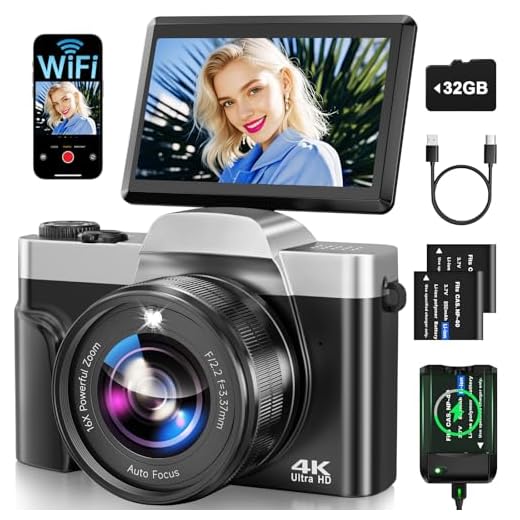
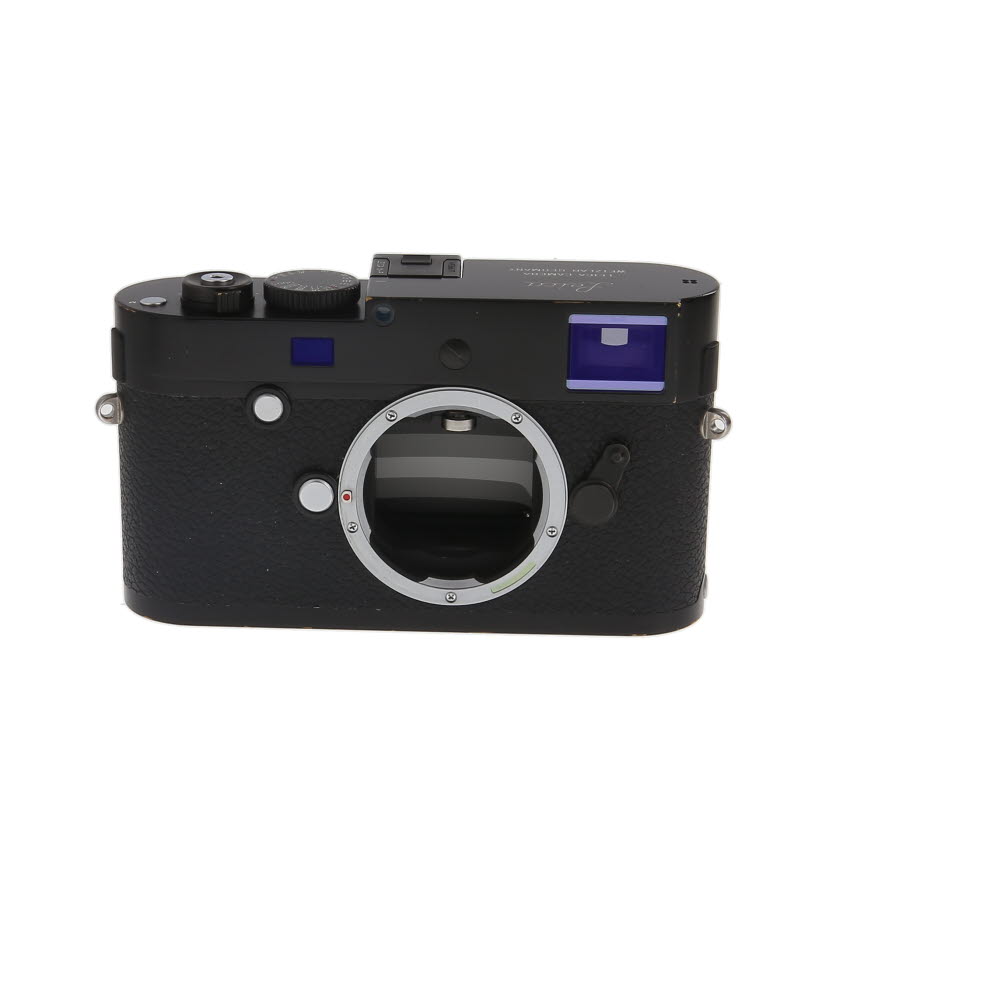

So, what exactly is a photometry digital camera, and how does it revolutionize the way we capture light? Let’s delve into the world of photometry and explore the cutting-edge technology behind digital cameras.
Understanding Photometry in Digital Cameras
Photometry in digital cameras is a crucial aspect of capturing high-quality images. It refers to the measurement of light intensity and distribution within a scene, which helps determine the appropriate exposure settings for a photograph. Understanding photometry allows photographers to make informed decisions about the amount of light entering the camera and the resulting image quality.
Modern digital cameras use sophisticated photometry systems to analyze light levels and adjust settings such as shutter speed, aperture, and ISO sensitivity to achieve optimal exposure. There are several common photometry modes, including spot metering, center-weighted metering, and evaluative metering, each tailored to different shooting scenarios.
| Photometry Mode | Description |
|---|---|
| Spot Metering | Measures light intensity at a specific point in the frame, useful for precise exposure control on a subject. |
| Center-Weighted Metering | Places greater emphasis on the central area of the frame, ideal for portraits or subjects in the center of the composition. |
| Evaluative Metering | Analyzes light across the entire frame to determine the best overall exposure settings for the scene. |
By mastering the principles of photometry in digital cameras, photographers can enhance their image quality and creative control over their photographs. Experimenting with different photometry modes and understanding how they affect exposure can lead to more compelling and visually appealing images.
The Basics of Photometry
Photometry is the science of measuring light in terms of its perceived brightness to the human eye. It plays a crucial role in various fields such as astronomy, photography, and lighting design. In the context of digital cameras, photometry refers to the process of measuring the amount of light that reaches the camera’s sensor to determine the correct exposure settings.

Key Concepts in Photometry
There are several key concepts in photometry that are important to understand:
| 1. Luminous Flux | The total amount of visible light emitted by a source, measured in lumens. |
| 2. Illuminance | The amount of light falling on a surface, measured in lux. |
| 3. Luminance | The brightness of a surface as perceived by the human eye, measured in candelas per square meter (cd/m²). |
Understanding these concepts is essential for photographers to achieve optimal exposure and capture high-quality images with their digital cameras.
Key Features of Digital Cameras
Digital cameras offer a wide range of features that make them versatile tools for capturing high-quality photos and videos. Some key features include:
1. Megapixels
Megapixels determine the resolution of the images captured by the camera. Higher megapixel counts result in sharper and more detailed photos.
2. Optical Zoom
Optical zoom allows you to physically zoom in on a subject without losing image quality, unlike digital zoom which can degrade image quality.
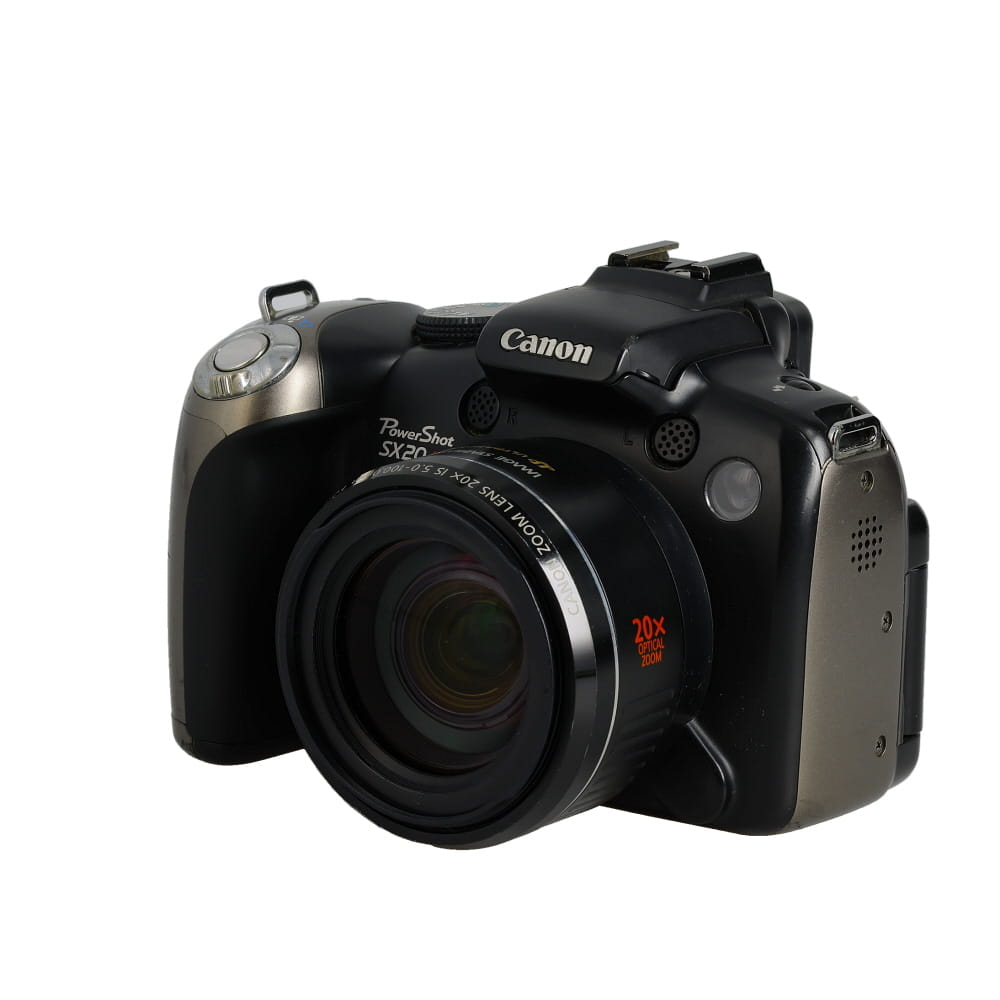
Other features may include image stabilization, autofocus, shooting modes, and connectivity options like Wi-Fi and Bluetooth.
Importance of Photometry in Photography
Photometry plays a crucial role in photography as it helps photographers measure and adjust the amount of light in a scene. By using photometry, photographers can ensure that their images are properly exposed and have the desired lighting effects. Proper photometry techniques can help photographers achieve the right balance between light and shadow, leading to more visually appealing and professional-looking photos.
Photometry also helps photographers understand the relationship between light intensity, exposure time, and aperture settings, allowing them to make informed decisions when capturing images in different lighting conditions. By using photometry tools such as light meters or the built-in photometry features in digital cameras, photographers can achieve accurate and consistent exposure levels, resulting in high-quality photos.
Advantages of Using Photometry in Digital Cameras
1. Improved Exposure Accuracy: Photometry helps digital cameras measure the amount of light in a scene accurately, resulting in well-exposed images with proper brightness and contrast.
2. Enhanced Dynamic Range: By utilizing photometry, digital cameras can optimize the dynamic range of an image, capturing details in both shadows and highlights for a more balanced and visually appealing photo.

3. Automatic Adjustment: Photometry allows digital cameras to automatically adjust settings such as shutter speed, aperture, and ISO based on the light conditions, making it easier for photographers to achieve optimal exposure without manual adjustments.
4. Precise Metering: Photometry enables digital cameras to accurately meter light across the frame, ensuring that the exposure is consistent and balanced throughout the image.
5. Real-time Feedback: With photometry, photographers can receive real-time feedback on exposure levels through the camera’s viewfinder or display, allowing for immediate adjustments to achieve the desired results.
How Photometry Enhances Image Quality
Photometry plays a crucial role in enhancing the image quality captured by digital cameras. By measuring the intensity of light emitted or reflected by the subject, photometry helps the camera adjust settings such as exposure, white balance, and focus to ensure optimal image quality.
One key aspect of photometry is its ability to accurately measure the brightness of the scene, which allows the camera to avoid overexposure or underexposure. This results in images with balanced contrast and detail, making them visually appealing and accurate representations of the original scene.

Additionally, photometry helps improve color accuracy by analyzing the light spectrum and adjusting the white balance settings accordingly. This ensures that colors are reproduced faithfully and true to life, enhancing the overall quality of the image.
Furthermore, photometry assists in achieving sharp focus by accurately measuring the amount of light available and adjusting the camera’s focus settings accordingly. This leads to sharper images with better clarity and detail, further enhancing the overall image quality.
Future Developments in Photometry Technology
As technology continues to advance, the field of photometry is also expected to see significant developments in the near future. Some of the key areas where we can expect advancements include:
- Improved Sensitivity: Future photometry digital cameras are likely to have increased sensitivity, allowing for more precise measurements of light intensity.
- Enhanced Resolution: Higher resolution sensors will enable capturing more detailed images and data, leading to better analysis and interpretation of light measurements.
- Wider Dynamic Range: Future cameras are expected to have a wider dynamic range, allowing for the capture of both very bright and very dim light sources in a single image.
- Advanced Data Processing: With the advent of machine learning and AI technologies, photometry cameras may incorporate advanced algorithms for real-time data processing and analysis.
- Integration with IoT: Photometry devices may become more connected and integrated with the Internet of Things (IoT) ecosystem, enabling seamless data sharing and remote monitoring capabilities.
These developments are poised to revolutionize the field of photometry, opening up new possibilities for research, industry applications, and everyday use of light measurement technologies.
FAQ
What is a photometry digital camera?
A photometry digital camera is a specialized camera designed for measuring light intensity and color in scientific and industrial applications. It is equipped with sensors and filters that allow precise measurements of light properties.

How does a photometry digital camera work?
A photometry digital camera works by capturing light from the environment using its sensors and filters. The camera then processes this light data to provide accurate measurements of light intensity, color temperature, and other photometric parameters.
What are the key features of a photometry digital camera?
The key features of a photometry digital camera include high sensitivity sensors, precise filters for accurate color measurement, software for data analysis, and compatibility with various light sources. These features make it ideal for scientific research and industrial quality control.
How is a photometry digital camera different from a regular digital camera?
A photometry digital camera is different from a regular digital camera in that it is specifically designed for measuring light properties with high accuracy. It has specialized sensors and filters that allow it to capture and analyze light data, whereas a regular digital camera is primarily used for capturing images and videos.
What are some common applications of photometry digital cameras?
Photometry digital cameras are commonly used in fields such as astronomy, automotive lighting design, display testing, and medical imaging. They are also used in research labs for studying light properties and in industrial settings for quality control.



I love how photometry helps with color accuracy! It really makes a difference in my landscape photos.
Can someone explain how spot metering works in practical terms? I’m still confused about when to use it over the other modes.
Good question! Spot metering is really useful when you want to focus on a specific subject, like a person in bright sunlight. It measures the light just on that spot, so you can get the right exposure without the background messing it up.
I don’t think automatic adjustments are always the best. Sometimes, manual settings give you better control over the photo. It feels like relying too much on the camera can hurt creativity.
It's true that manual settings can enhance creativity, but automatic adjustments can be beneficial in fast-paced situations or for those still learning the ropes.
I see your point, but I think for beginners, automatic settings can really help. It’s all about finding the right balance between manual and auto.
I recently switched to a digital camera and started using evaluative metering. It’s amazing how much it helps with exposure! I used to struggle with getting the right lighting, but now my photos look much better, especially in tricky lighting situations.
Evaluative metering analyzes the entire scene, which is great for general photography. It adapts well to various lighting conditions, making it a go-to for many photographers.
What exactly is the difference between illuminance and luminance? I always mix them up.