
 Carmen J. Moore

Global Positioning System (GPS) technology has revolutionized the way we navigate the world around us. But did you know that GPS is also a key feature in many digital cameras? In today’s digital age, GPS technology has been integrated into various devices to enhance their functionality and provide users with a host of benefits.
When it comes to digital cameras, GPS serves a crucial role in geotagging photos. Geotagging involves embedding location data into the metadata of a photo, allowing you to pinpoint exactly where the image was taken. This can be incredibly useful for organizing and categorizing your photos, as well as for sharing your adventures with others.
Furthermore, GPS in digital cameras allows you to track your journey and create a visual record of your travels. By syncing your photos with GPS data, you can create interactive maps that showcase the locations you’ve visited. Whether you’re exploring a new city or embarking on a wilderness adventure, GPS in your digital camera can help you capture and preserve the memories of your experiences.
Understanding the Basics
GPS, or Global Positioning System, is a technology that utilizes satellites to determine the exact location of a device. In digital cameras, GPS functionality allows users to geotag their photos, which means adding geographical information such as latitude and longitude coordinates to each image.

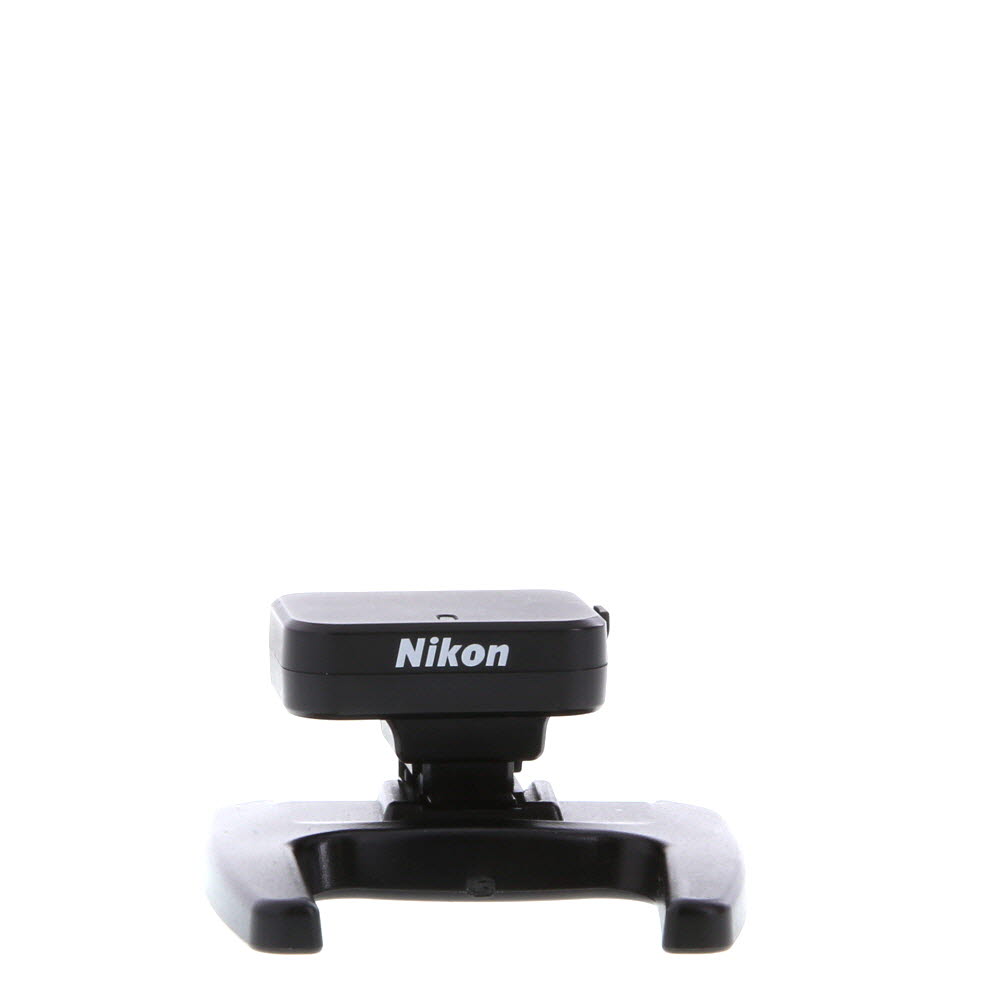
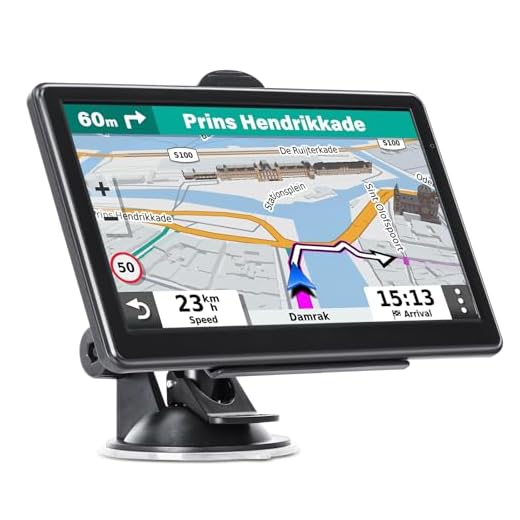
This feature is particularly useful for photographers who want to remember where each photo was taken or for organizing images based on location. By using GPS in digital cameras, photographers can easily track their travel routes, create map-based albums, and share their adventures with others.
Advantages of GPS in Digital Cameras
1. Geotagging: GPS in digital cameras allows you to automatically add location data to your photos, making it easy to organize and search for images based on where they were taken.
2. Travel documentation: GPS can help you track and document your travel route, making it easy to create visual travel logs or share your journey with others.
3. Location-based information: With GPS, you can access location-specific information about landmarks, attractions, and points of interest while taking photos, enhancing your photography experience.
4. Enhanced metadata: GPS enables you to add detailed location information to your photos, including latitude, longitude, altitude, and more, providing valuable context for your images.

5. Security: In case of theft or loss, GPS can help track the location of your camera, increasing the chances of recovery.
Utilizing GPS for Geotagging Photos
GPS technology in digital cameras allows photographers to automatically geotag their photos with location data. This feature enables users to know exactly where each photo was taken, providing valuable context and information for organizing and sharing images.
Benefits of geotagging photos with GPS:
- Location tracking: GPS enables precise tracking of the geographic coordinates where a photo was captured.
- Organizational tool: Geotagging helps photographers categorize and sort their photos based on location, making it easier to find specific images.
- Storytelling: Geotagging adds a unique narrative element to photos by revealing the places and landscapes they were taken in.
- Sharing memories: Geotagged photos allow users to share their experiences with others by providing a visual representation of their travels.
Overall, GPS technology enhances the photography experience by adding an extra layer of information and context to images, making them more meaningful and memorable.
Enhancing Location-based Services
GPS technology in digital cameras plays a crucial role in enhancing location-based services. By embedding GPS capabilities into cameras, users can automatically geotag their photos with precise location information. This feature allows photographers to keep track of where each photo was taken, making it easier to organize and categorize their images.

Furthermore, geotagging enables users to share their photos on social media platforms with location information, providing a richer context for their audience. Additionally, GPS-enabled cameras can facilitate the creation of interactive maps that display the locations where photos were captured, offering a unique way to showcase travel experiences or document geographical landmarks.
Improving Outdoor Photography Experience
GPS technology in digital cameras can greatly enhance the outdoor photography experience. By utilizing GPS data, photographers can automatically geotag their photos, recording the exact location where each image was taken. This feature is particularly useful for landscape photographers who want to remember where they captured that stunning sunset or for travel photographers who want to track their adventures on a map.
Moreover, GPS can help photographers discover new shooting locations by providing information on nearby points of interest, scenic viewpoints, or popular photo spots. This can be especially valuable when exploring unfamiliar areas or when trying to find the best vantage point for a specific subject.
Additionally, GPS can assist photographers in organizing their photo collections by sorting images based on location or creating map-based photo albums. This makes it easier to revisit favorite spots or share photos with others based on the places they were taken.
In summary, GPS technology in digital cameras offers photographers a range of benefits for enhancing their outdoor photography experience, from geotagging photos to discovering new shooting locations and organizing their photo collections based on location.

Future Trends in GPS Integration
As technology continues to advance, the integration of GPS into digital cameras is expected to evolve in several key ways:
- Improved Accuracy: Future GPS systems in digital cameras will likely offer even greater accuracy in pinpointing the exact location where a photo was taken.
- Enhanced Connectivity: With the rise of IoT (Internet of Things), digital cameras with GPS may be able to seamlessly connect with other devices and services for added functionality.
- Augmented Reality (AR) Integration: GPS data could be used to enhance AR experiences, overlaying location-based information or graphics onto the camera viewfinder.
- Automated Tagging and Sorting: GPS metadata could be leveraged to automatically tag and organize photos based on location, making it easier for users to manage their digital photo libraries.
- Real-Time Tracking: Digital cameras with advanced GPS capabilities may enable real-time tracking of the camera’s location, offering new possibilities for live streaming or remote monitoring.
FAQ
What is GPS used for in a digital camera?
GPS in a digital camera is used to geotag photos by embedding location data into the image file. This allows users to easily organize and search for photos based on the location where they were taken.
How does GPS in a digital camera work?
GPS in a digital camera works by receiving signals from satellites to determine the camera’s exact location. This information is then embedded into the metadata of the photo file, providing geotagging capabilities.
Can GPS in a digital camera drain the battery?
Yes, using GPS in a digital camera can drain the battery faster, as the GPS receiver requires power to continuously track the camera’s location. It is recommended to disable GPS when not needed to conserve battery life.
What are the benefits of using GPS in a digital camera?
The benefits of using GPS in a digital camera include the ability to automatically geotag photos, making it easier to organize and share them based on location. It also allows for creating photo maps and tracking your photography journeys.

Are there any privacy concerns with GPS in digital cameras?
There can be privacy concerns with GPS in digital cameras, as geotagged photos may reveal the exact locations where the photos were taken. It is important to be cautious when sharing geotagged photos online to protect your privacy.


I recently used the GPS feature on my camera during a trip to the mountains. It was great to see where each photo was taken on the map! I didn’t realize how helpful it would be for organizing my shots later. Just a heads up, the battery does drain faster when GPS is on, so I had to recharge more often.
Yes, sharing geotagged photos on social media adds context and makes them more engaging for your audience. Just remember to check privacy settings if you're concerned about revealing locations.
That sounds awesome! Did you find it easy to share those geotagged photos on social media?
I’ve heard about GPS in cameras, but how does it actually work? Does it just grab the location when you take a photo?
GPS in cameras works by connecting to satellites to determine your exact location. When you take a photo, this location data is embedded in the photo’s metadata.