
 Carmen J. Moore

Photography has evolved significantly over the years, with the introduction of digital cameras revolutionizing the way we capture and share images. However, the debate between traditional film photography and modern digital photography continues to divide enthusiasts.
Advocates of film photography argue that the medium offers a unique and authentic aesthetic that cannot be replicated by digital cameras. The process of shooting on film requires a more deliberate approach, as photographers must carefully consider each shot due to the limited number of exposures on a roll.
On the other hand, digital photography offers instant gratification with the ability to review and edit images on the spot. The convenience of digital cameras, with their high-resolution sensors and advanced features, has made them a popular choice for professionals and amateurs alike.
Ultimately, the choice between camera film and digital comes down to personal preference and the desired outcome of the photographer. Both mediums have their strengths and weaknesses, and each has its own place in the world of photography.

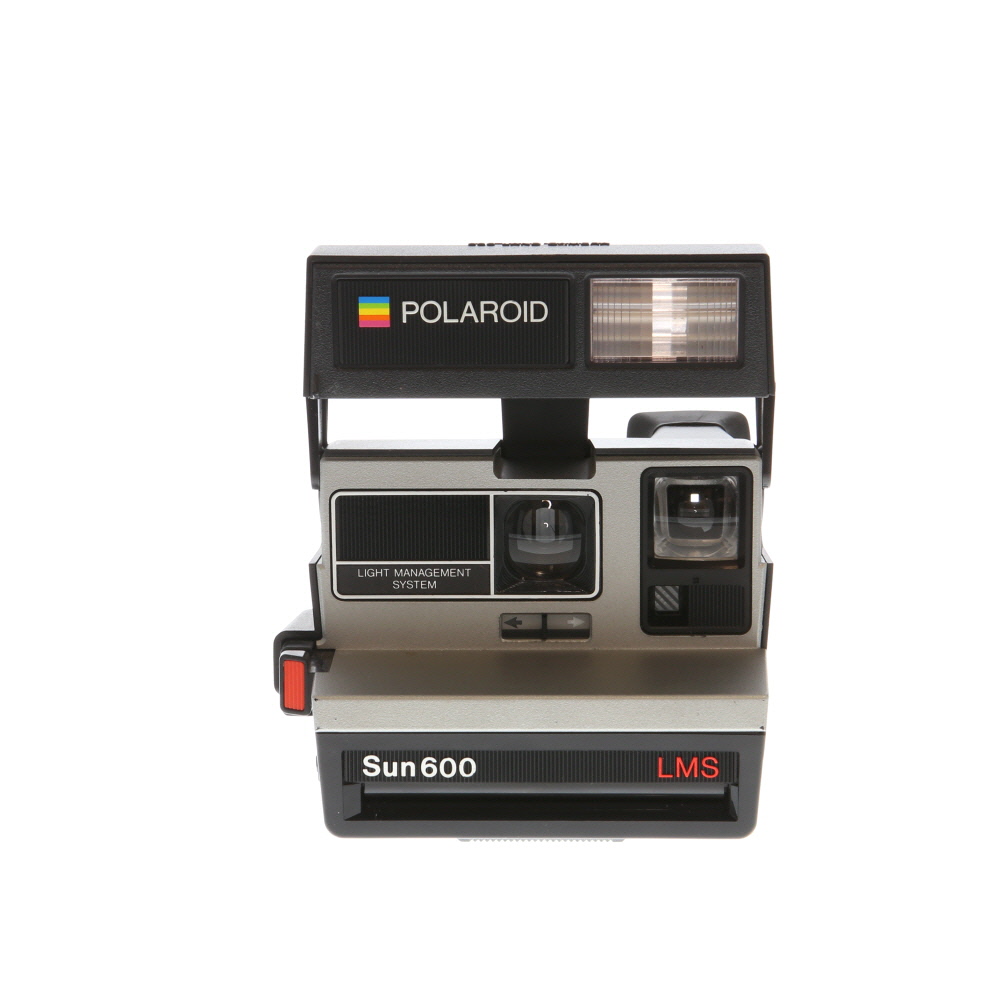
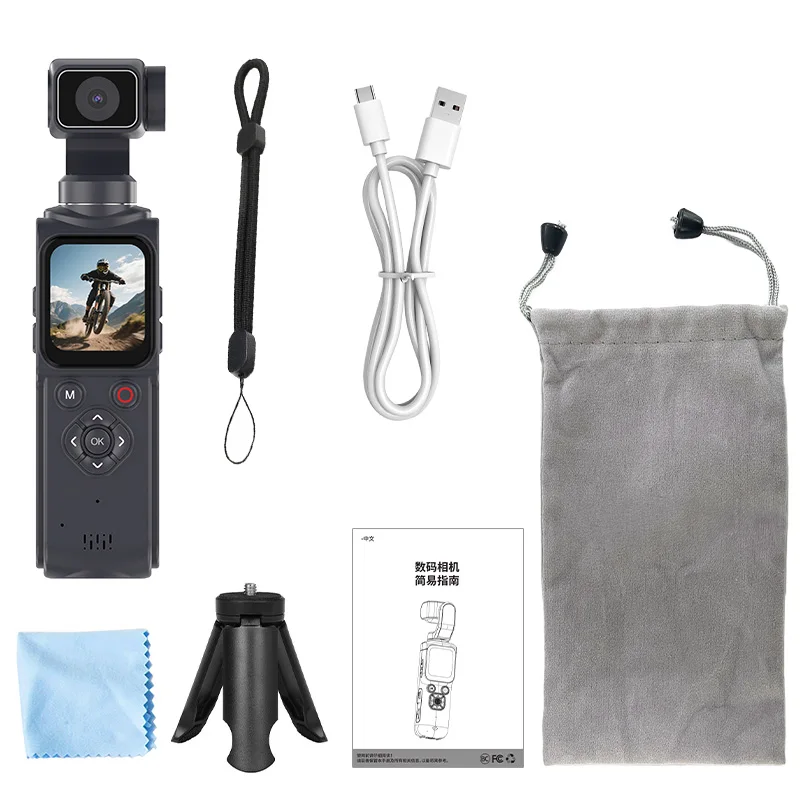
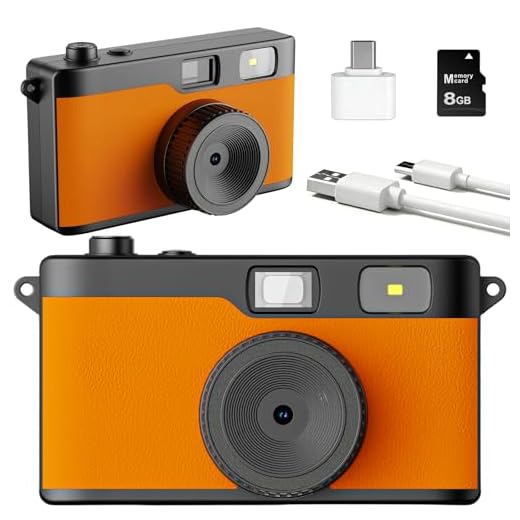
The Debate Over Camera Technology
When it comes to capturing moments, the debate over camera technology has been ongoing for years. Traditional film cameras have a nostalgic appeal and are favored by many purists for their unique aesthetic and tactile experience. On the other hand, digital cameras have revolutionized the way we take photos with their convenience, instant feedback, and ability to store thousands of images on a single memory card.
Advantages of Film Cameras
Film cameras are cherished for their ability to produce rich, organic colors, and a classic look that is hard to replicate with digital filters. The process of shooting on film requires a thoughtful approach, as each shot is precious and can’t be easily deleted or altered. Film enthusiasts appreciate the hands-on nature of developing film and the anticipation of seeing the final results.
Advantages of Digital Cameras
On the other hand, digital cameras offer unparalleled convenience and flexibility. With digital photography, you can instantly review your images, adjust settings on the fly, and easily share your photos online. The ability to shoot in various lighting conditions and experiment with different editing techniques make digital cameras a popular choice for professionals and hobbyists alike.
Traditional Film Photography
Traditional film photography is a classic and timeless art form that has been cherished by photographers for generations. Shooting with film cameras offers a unique experience that digital photography cannot replicate. Here are some key aspects of traditional film photography:
1. Analog Process
One of the main attractions of traditional film photography is the analog process. From loading the film into the camera to developing the film in a darkroom, each step requires careful attention and skill. This hands-on approach can be both challenging and rewarding for photographers.

2. Aesthetic Quality
Film photography is known for its distinct aesthetic quality. Film captures light in a different way than digital sensors, resulting in rich colors, fine grain, and a unique texture. Many photographers appreciate the nostalgic and artistic look of film photographs.
- 3. Slower Pace
- 4. Tangible Results
- 5. Creative Limitations
The Rise of Digital Cameras
In recent years, digital cameras have seen a significant rise in popularity and usage. With advancements in technology, digital cameras have become more accessible, affordable, and user-friendly than ever before.
One of the key advantages of digital cameras is the ability to instantly view and edit photos on the camera’s screen or transfer them to a computer for further editing. This instant feedback allows photographers to adjust settings and composition on the spot, leading to better results.
Furthermore, digital cameras offer a wide range of features and options, such as different shooting modes, image stabilization, and high-resolution sensors, making them versatile tools for photographers of all levels.
Another important aspect of digital cameras is the convenience of storing photos digitally, eliminating the need for physical film and allowing for easy sharing and printing of images.

Overall, the rise of digital cameras has revolutionized photography, making it more accessible, efficient, and enjoyable for photographers around the world.
Advantages of film photography
Film photography has a unique charm that digital photography often struggles to replicate. Here are some advantages of film photography:
- Image Quality: Film photography captures a rich, organic look that is hard to replicate with digital sensors. Film grain adds character and depth to images.
- Dynamic Range: Film has a wider dynamic range compared to most digital sensors, allowing for better detail in highlights and shadows.
- Color Rendering: Film has a distinct color palette and rendering that can give images a nostalgic or artistic feel.
- Tactile Experience: Shooting with film cameras and handling physical film can be a more tactile and immersive experience compared to digital photography.
- Skill Development: Shooting with film requires careful consideration of exposure, composition, and technique, which can help improve photographic skills.
- Timelessness: Film photographs have a timeless quality that can evoke nostalgia and create a sense of continuity with the past.
Benefits of digital photography
Digital photography offers numerous advantages over traditional film photography. Some of the key benefits include:
Instant preview
With digital photography, you can instantly review the photos you have taken on the camera’s LCD screen. This allows you to quickly assess the quality of the image and make adjustments if necessary, saving time and ensuring you capture the perfect shot.
Easy editing
Digital photos can be easily edited using software programs like Adobe Photoshop or Lightroom. This allows you to enhance colors, adjust exposure, crop images, and more with just a few clicks. Editing digital photos gives you more control over the final result and enables you to unleash your creativity.
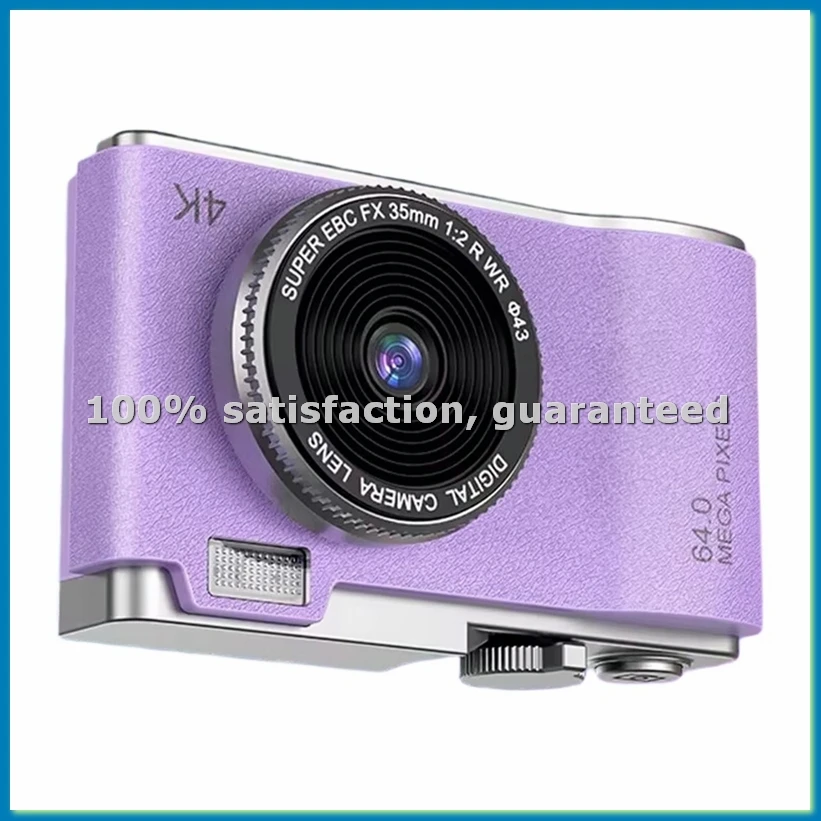
| Feature | Benefits |
| Convenience | Compact digital cameras are portable and easy to carry around, making them ideal for travel and everyday use. |
| Storage | Digital photos can be stored on memory cards, hard drives, or cloud storage, allowing you to keep a large collection of images without taking up physical space. |
| Sharing | Digital photos can be easily shared online through social media, email, or photo-sharing platforms, allowing you to connect with others and showcase your work. |
Quality comparison
When comparing the quality of film and digital cameras, there are several factors to consider. Film cameras are known for their ability to capture rich, detailed images with a classic, timeless look. The grain of film can add a unique texture to photos, giving them a more artistic feel. On the other hand, digital cameras offer the convenience of instant feedback and the ability to easily edit and manipulate images.
Resolution
Digital cameras typically have higher resolution capabilities than film cameras, resulting in sharper, more detailed images. This can be especially noticeable when printing large photos or cropping images.
Dynamic Range
Film cameras often have a wider dynamic range, capturing more detail in shadows and highlights compared to digital cameras. This can result in more balanced and natural-looking images with film.
Cost considerations
When it comes to cost, digital cameras have a clear advantage over film cameras. While film cameras require you to purchase rolls of film and pay for developing and printing, digital cameras allow you to take as many photos as you want without any additional cost. You can also view and delete photos instantly, saving you money on prints that you might not want to keep.
Additionally, digital cameras offer the convenience of not having to buy and carry around physical film rolls, which can add up in cost over time. However, it’s important to note that digital cameras typically have a higher upfront cost compared to film cameras, especially for higher-end models with advanced features.

Overall, if you’re looking for a budget-friendly option in the long run, digital cameras may be the better choice due to their cost-saving benefits over time.
Environmental Impact
When comparing camera film and digital photography, one important factor to consider is the environmental impact of each. Camera film production involves the use of chemicals and materials that can be harmful to the environment if not properly managed. The development process also requires the use of various chemicals that can be harmful if not disposed of correctly.
On the other hand, digital photography tends to have a lower environmental impact as it eliminates the need for physical film and chemicals. However, the production and disposal of electronic devices, such as cameras and memory cards, can also have negative environmental consequences if not managed properly.
Overall, both camera film and digital photography have environmental implications, and it is important for photographers to be aware of the impact of their chosen medium and to take steps to minimize their environmental footprint.
Artistic preferences
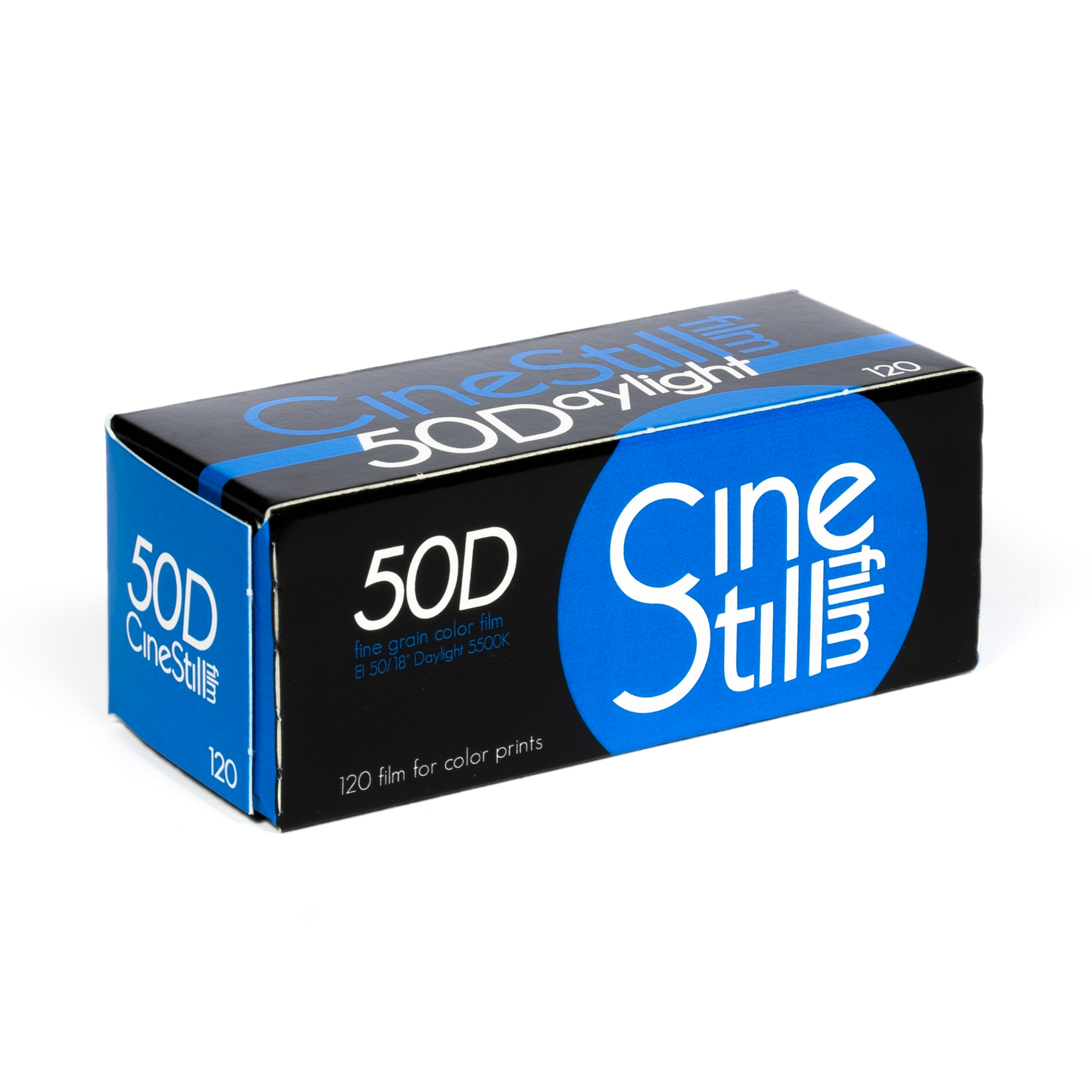
When it comes to artistic preferences, the choice between film and digital cameras can be quite subjective. Some photographers argue that film photography has a certain charm and aesthetic that digital cannot replicate. The grainy texture, rich colors, and unique tones of film can add a nostalgic and timeless quality to images.
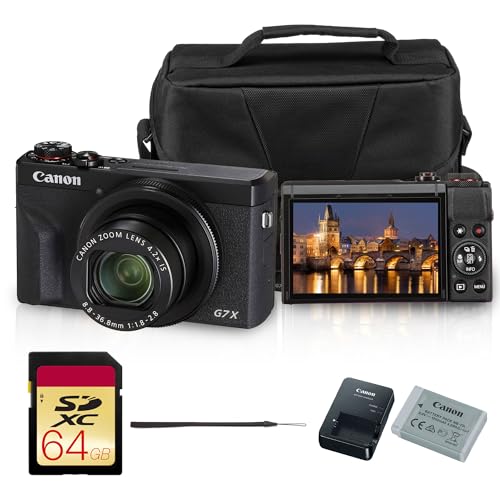
On the other hand, digital cameras offer more flexibility and convenience in the post-processing stage. With digital photography, photographers have the ability to instantly review and edit their images, allowing for more control over the final result. Additionally, digital cameras often have higher resolution and dynamic range, which can be advantageous for certain types of photography.
FAQ
Is film photography still relevant in the age of digital cameras?
Film photography has experienced a resurgence in recent years as photographers rediscover the unique look and feel of analog film. Many photographers appreciate the tactile nature of shooting film and the unpredictable, artistic results it can produce. While digital cameras offer convenience and instant feedback, film photography continues to hold a special place in the hearts of many photographers.
What are the advantages of shooting with film cameras over digital cameras?
Shooting with film cameras offers a distinct aesthetic that is hard to replicate with digital cameras. Film photography can produce rich, organic colors, and unique textures that many photographers find appealing. Additionally, film cameras often have a slower, more deliberate shooting process, which can help photographers focus on composition and creativity rather than instant results.
Are there any drawbacks to using film cameras compared to digital cameras?
While film photography has its charm, there are some drawbacks compared to digital cameras. Film can be more expensive to shoot and develop, and the process of waiting for film to be developed can be less convenient than instant digital feedback. Additionally, film cameras may have limitations in terms of ISO range, autofocus capabilities, and shooting speed compared to modern digital cameras.


I appreciate film for its aesthetic. There’s just something about the grain that gives photos character!
I'm curious about the learning curve between film and digital photography. Do you think shooting with film makes you a better photographer in the long run?
I believe it does! The limitations of film really force you to think about each shot.
That's a common perspective. Many photographers find that the discipline required for film photography can enhance their skills.
I'm new to photography and trying to decide between film and digital. Are there any specific situations where one is better than the other?
I feel like digital really boosts creativity because of all the editing options. Film seems so rigid in comparison.
Agreed, but that rigidity is part of the charm of film. It forces you to take risks.
I disagree with the notion that film is superior in aesthetic. Digital has come a long way in replicating that look. Plus, the instant feedback helps me improve my skills on the go!
That's a valid point! Digital technology has advanced tremendously and many photographers appreciate the blend of both worlds.
I disagree with the claim that film captures a better dynamic range. I’ve shot with high-end digital cameras, and I've seen stunning results that rival anything film can do.
Both film and digital have their strengths regarding dynamic range. Higher-end digital cameras can indeed capture incredible detail, but film's organic feel has its unique appeal.
What about the cost difference? Is film really that much more expensive in the long run compared to digital?
Can someone explain how the editing process differs between film and digital? I’ve heard film requires more patience.
I've been shooting with both film and digital for a while now. I love the process of developing my own film, but I can't deny the convenience of digital. For travel, I always take digital since I can shoot hundreds of photos without worrying about running out of film.
Exactly! Digital is so much easier for quick shots. But film just feels special.
It's great to hear how you balance both! Each medium indeed brings its own rewards.
I've used both film and digital for several years now. I love the tactile experience of film and the anticipation of developing the photos! However, I find digital much easier for travel since I can take countless pictures without worrying about running out of film.
It's great to hear your perspective! Many photographers appreciate the hands-on process of film, while digital's convenience is hard to beat for capturing spontaneous moments.