
 Carmen J. Moore

Photography enthusiasts and professionals alike often seek the unparalleled image quality and detail that medium format digital cameras offer. With larger sensors and superior optics, these cameras can take your photography to the next level. However, mastering a medium format digital camera requires a deeper understanding of its unique features and capabilities.
In this guide, we will explore the fundamentals of using a medium format digital camera effectively. From understanding the advantages of medium format to mastering exposure settings and composition techniques, you will learn how to unleash the full potential of your medium format camera.

Whether you are a seasoned photographer looking to upgrade to medium format or a beginner eager to explore new horizons, this comprehensive guide will help you navigate the world of medium format digital photography with confidence and creativity.
Understanding Medium Format Sensors
Medium format digital cameras are known for their larger sensors compared to full-frame or APS-C cameras. The sensor size in a medium format camera is typically between 44mm x 33mm and 53.7mm x 40.2mm, offering a significantly larger surface area for capturing images. This larger sensor size results in higher image quality, better dynamic range, and improved low-light performance.
Sensor Resolution
Medium format sensors also tend to have higher resolution compared to smaller sensor formats. This higher resolution allows for capturing more detail in images, making medium format cameras ideal for commercial, fashion, and landscape photography where image quality is crucial.
Pixel Size
Due to the larger sensor size, medium format sensors can have larger pixel sizes compared to smaller sensors. Larger pixels can capture more light, resulting in better image quality, especially in low-light conditions. This is why medium format cameras are popular for studio photography where controlled lighting is essential.
| Feature | Medium Format Sensor | Full-Frame Sensor |
|---|---|---|
| Sensor Size | Larger | Smaller |
| Resolution | Higher | Lower |
| Pixel Size | Larger | Smaller |
Choosing the Right Medium Format Camera
When it comes to selecting a medium format digital camera, there are several factors to consider to ensure you get the right camera for your needs. Here are some key considerations:
1. Resolution
Medium format cameras are known for their high-resolution capabilities, so make sure to choose a camera with a resolution that meets your requirements. Higher resolution means more detail in your images, but it also results in larger file sizes.
2. Sensor Size
The sensor size of a medium format camera is larger than that of a typical DSLR, which often results in better image quality and improved low-light performance. Consider the sensor size when choosing a camera to ensure it aligns with your photography goals.
| Brand | Model | Resolution | Sensor Size |
|---|---|---|---|
| Fujifilm | GFX 100S | 102 MP | 43.8 x 32.9 mm |
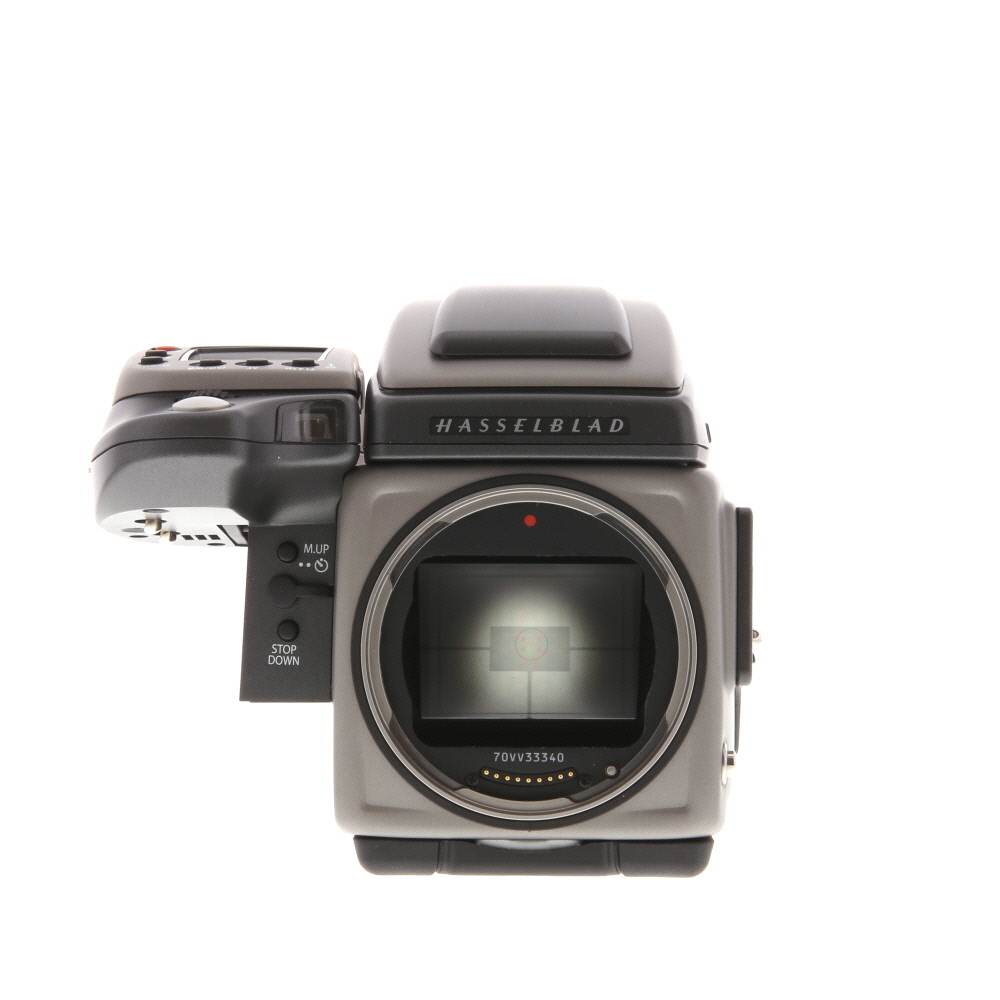
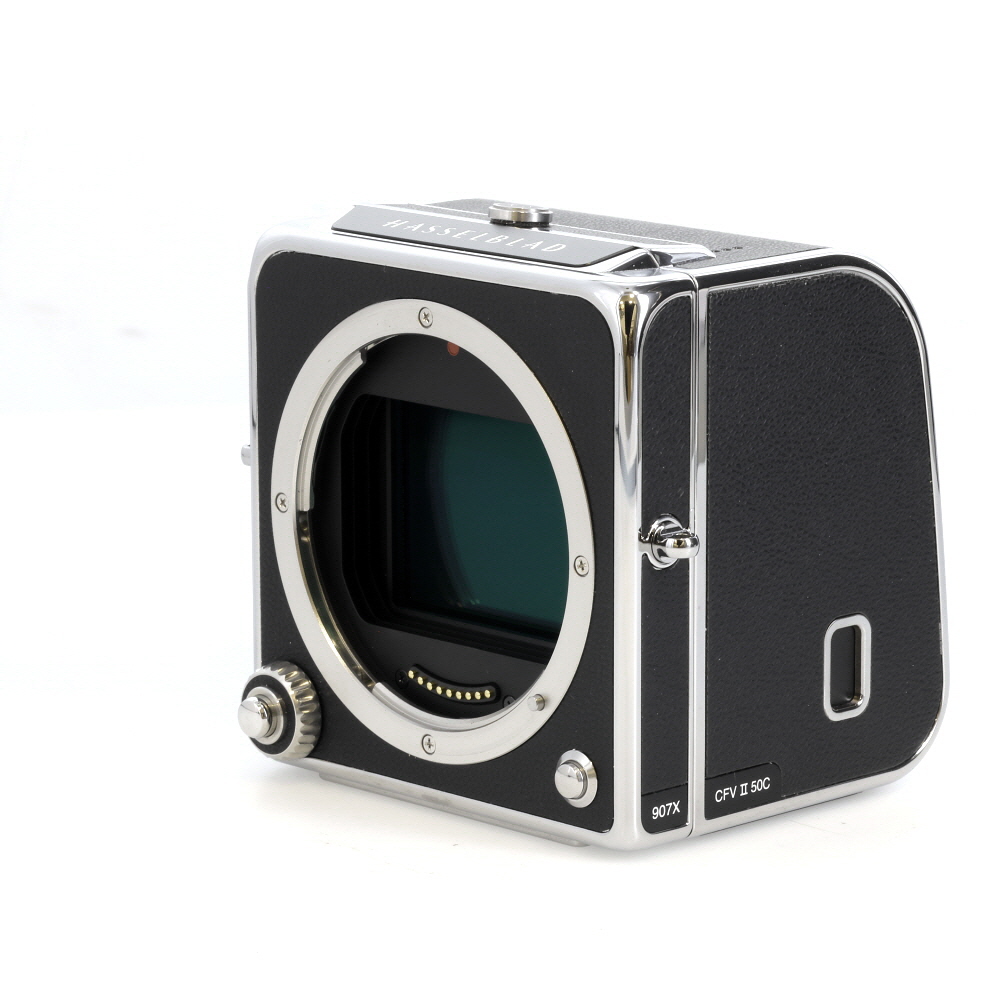
| Hasselblad | X1D II 50C | 50 MP | 43.8 x 32.9 mm |
| Phase One | IQ4 150MP | 150 MP | 53.4 x 40.0 mm |
Setting Up Your Medium Format Camera
Before you start using your medium format digital camera, you need to set it up properly to ensure optimal performance. Here are some steps to help you get started:
- Insert a fully charged battery into the camera.
- Attach the lens securely to the camera body.
- Insert a memory card with sufficient storage capacity.
- Adjust the settings on the camera, such as ISO, aperture, and shutter speed, to suit your shooting conditions.
- Calibrate the autofocus system if necessary.
- Check the viewfinder and make sure it is clean and free of dust or smudges.
Once you have completed these steps, your medium format camera should be ready for use. Remember to regularly clean and maintain your camera to ensure it continues to perform at its best.
Mastering Medium Format Photography Techniques
Medium format photography offers a unique and high-quality image capture experience. To master medium format photography techniques, it is important to understand the capabilities of your medium format digital camera and how to make the most of them. Here are some tips to help you improve your medium format photography skills:
1. Use a Tripod
Due to the larger size and weight of medium format cameras, it is recommended to use a tripod to ensure sharp and stable images. This is especially important when shooting in low light conditions or using slow shutter speeds.
2. Focus on Composition
With medium format photography, you have a larger frame to work with, allowing you to capture more detail and create stunning compositions. Pay attention to the rule of thirds, leading lines, and other composition techniques to create visually appealing images.
- Experiment with different angles and perspectives to add depth to your images.
- Utilize the shallow depth of field of medium format cameras to isolate your subject and create a beautiful bokeh effect.
- Take advantage of the high resolution of medium format sensors to capture fine details and textures in your images.
By practicing these techniques and experimenting with your medium format digital camera, you can take your photography skills to the next level and create stunning images that stand out from the rest.
Post-Processing Medium Format Images
After capturing stunning images with your medium format digital camera, it’s time to enhance them through post-processing. Here are some tips to help you make the most of your medium format images:
| 1. RAW Format | Always shoot in RAW format to retain the maximum amount of image data for editing. |
| 2. Color Correction | Adjust the colors and tones to achieve the desired look. Use tools like white balance and color grading to enhance the overall mood of the image. |
| 3. Sharpening | Apply sharpening selectively to bring out the fine details in your medium format images. |
| 4. Noise Reduction | Deal with any noise that may have been introduced during the image capture process. Use noise reduction tools to clean up the image while preserving detail. |
| 5. Cropping and Composition | Refine the composition of your medium format images by cropping and adjusting the framing to highlight the subject. |
By following these post-processing techniques, you can take your medium format images to the next level and create stunning visuals that showcase the full potential of your camera.
Tips for Getting the Best Results with a Medium Format Camera
Using a medium format camera can result in stunning images, but to get the best results, follow these tips:
| 1. | Choose the right lens: | Invest in high-quality lenses that are designed for medium format cameras to ensure sharpness and clarity in your images. |
| 2. | Use a tripod: | Due to the larger size and weight of medium format cameras, using a tripod can help stabilize your shots and prevent camera shake. |
| 3. | Shoot in RAW: | Capture images in RAW format to retain more information and have greater flexibility in post-processing. |
| 4. | Pay attention to lighting: | Good lighting is crucial for medium format photography. Experiment with natural light and artificial lighting to create the desired mood. |
| 5. | Focus carefully: | With the higher resolution of medium format cameras, precise focusing is essential to ensure sharp images. |
| 6. | Experiment with composition: | Explore different compositions and angles to make the most of the medium format camera’s capabilities and create unique images. |
Exploring Medium Format Camera Accessories
When using a medium format digital camera, there are several accessories that can enhance your photography experience and help you get the most out of your camera. Here are some essential accessories to consider:
Lenses:
Investing in high-quality lenses is crucial when using a medium format camera. Different lenses can offer different focal lengths, apertures, and image quality, allowing you to capture a wide range of subjects with precision and clarity.
Tripod:
Due to the higher resolution of medium format images, it’s important to keep your camera steady during shooting. A sturdy tripod can help you achieve sharp images, especially in low light conditions or when shooting long exposures.
- Remote Shutter Release: Using a remote shutter release can prevent camera shake when taking photos, especially during long exposures or when shooting in bulb mode.
- Camera Bag: A dedicated camera bag can protect your medium format camera and accessories while providing easy access during photo shoots.
- External Flash: An external flash can provide additional lighting options and help you achieve better exposure in challenging lighting conditions.
By investing in these accessories, you can enhance your medium format photography and take your images to the next level.

FAQ
What are the advantages of using a medium format digital camera?
Using a medium format digital camera offers several advantages, such as higher resolution, better dynamic range, and improved color accuracy compared to smaller sensor cameras. The larger sensor size in medium format cameras allows for more detail in images, making them ideal for professional photography, especially in commercial, portrait, and landscape photography.
How does the sensor size in a medium format digital camera impact image quality?
The larger sensor size in a medium format digital camera results in higher image quality. The larger sensor captures more light, which leads to better dynamic range and improved low-light performance. Additionally, the increased resolution in medium format cameras allows for more detailed images with better color accuracy, making them a popular choice among professional photographers.
What are some tips for using a medium format digital camera effectively?
When using a medium format digital camera, it’s important to pay attention to composition and lighting to make the most of the camera’s capabilities. Additionally, using a sturdy tripod can help stabilize the camera due to its larger size and weight. It’s also recommended to shoot in RAW format to retain maximum image quality and flexibility in post-processing. Finally, familiarizing yourself with the camera’s manual settings and experimenting with different lenses can help you achieve the best results with a medium format digital camera.


What are the main advantages of using a medium format camera over a full-frame one?
What are the main advantages of using a medium format camera compared to a full-frame camera? I'm curious about the real differences in image quality for landscape photography.
The article mentions that medium format cameras have larger pixel sizes. Can anyone explain how that affects the final image quality in practical terms? I'm trying to understand the real-world benefits versus just specs.
Larger pixel sizes capture more light and reduce noise, especially in low-light conditions. This means you can get clearer images with better dynamic range, making it ideal for both commercial and artistic photography.
I've recently started using the Fujifilm GFX 100S, and the image quality is incredible! The detail you get from the larger sensor is noticeable, especially in landscape shots. It's definitely heavier than my DSLR, though, so I've had to adjust my shooting style. Using a tripod is a must!
I recently switched to a medium format camera, and I can definitely say the image quality is stunning! I mainly shoot portraits, and the depth of field is so much shallower compared to my old full-frame camera. It really makes my subjects pop. However, I do find the camera to be heavier, so using a tripod is essential for me.
You mentioned calibrating the autofocus system for medium format cameras. How often should this be done? Is it similar to DSLR cameras?
Autofocus calibration can depend on the model, but generally, it's good to check it when you notice inconsistent focus or after changing lenses. It's not as frequent as other maintenance tasks but should be part of regular checks.
What are the main advantages of using a medium format camera over a full-frame one?
Shooting in RAW is definitely the way to go with medium format. It gives so much more control in post-processing!
I disagree with the point about always needing a tripod. While it helps with stability, I've had good results shooting handheld in bright conditions. It really depends on the situation and your shooting style. I've managed to get sharp images without a tripod by using higher shutter speeds.
Thanks for sharing your experience! Handheld shooting can indeed work well in bright conditions, but remember that with the larger size and weight of medium format cameras, a tripod can help achieve the best stability, especially in lower light.
I think using a tripod isn't always necessary. I've taken great shots handheld with my medium format camera, as long as you have good lighting and a steady hand.
While it's true some can achieve sharp images handheld, using a tripod is generally recommended for medium format cameras due to their size and weight, especially in lower light conditions.
I recently switched to the Fujifilm GFX 100S, and the image quality is just incredible! The detail in landscapes is something I’ve never experienced before with my full-frame camera. Just be prepared for the larger file sizes, though!
That sounds amazing! How does it handle in low light?
This article mentions pixel size being larger in medium format cameras. How does that compare with full-frame cameras in practical terms? I’ve always shot with full-frame and am curious about whether it’s worth the upgrade to medium format for my portrait photography. Do the larger pixel sizes really make a significant difference in low-light situations?
Great question! The larger pixel sizes in medium format cameras capture more light, which can result in less noise and better image quality in low-light conditions compared to full-frame cameras. This is especially beneficial in portrait photography where detail and clarity are crucial.
I don't think medium format is necessary for all photographers. Many full-frame cameras produce excellent quality images that can meet most needs without the extra weight and cost.
I see your point, but for specific styles like studio or commercial photography, the larger sensor really does make a difference.
I've found that shooting in RAW is a game changer for medium format photography. The amount of detail you can pull from an image during editing is incredible!