
 Carmen J. Moore

Aperture range is a crucial aspect of photography that greatly impacts the quality and style of your images. In digital cameras, the aperture range refers to the range of available aperture settings that control the amount of light entering the camera.
Aperture is represented by an f-stop number, where a lower f-stop (e.g., f/2.8) indicates a wider aperture opening, allowing more light to enter the camera. On the other hand, a higher f-stop (e.g., f/16) means a narrower aperture opening, resulting in less light.
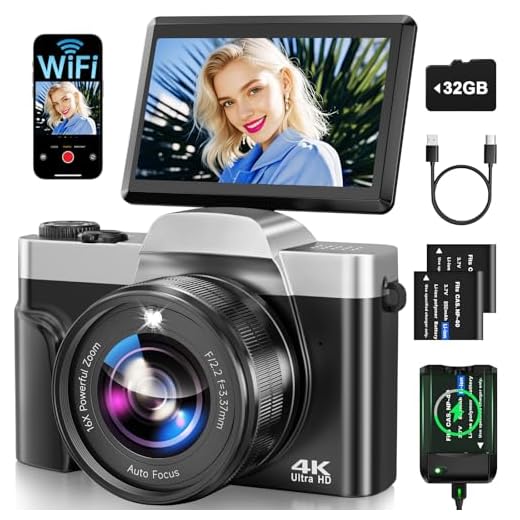

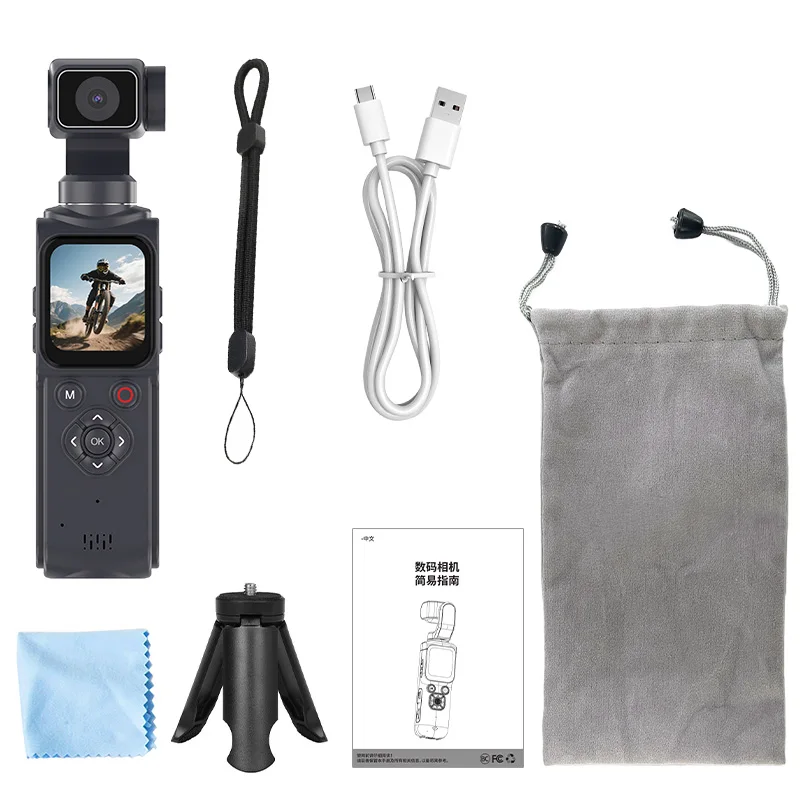

The aperture range in a digital camera determines the flexibility in controlling the depth of field and exposure of your photos. A wider aperture can create a shallow depth of field, ideal for portraits and macro photography, while a narrower aperture can produce sharp focus throughout the image, perfect for landscapes.
Understanding Aperture Range in Digital Camera
Aperture range in a digital camera refers to the range of possible aperture settings that control the amount of light entering the camera lens. The aperture is represented by an f-stop number, such as f/2.8, f/4, f/5.6, etc. A lower f-stop number indicates a wider aperture, allowing more light to enter, while a higher f-stop number means a narrower aperture and less light. This range of aperture settings gives photographers control over the depth of field in their images, affecting how much of the scene is in focus.
Importance of Aperture Range
The aperture range is crucial in photography as it impacts the exposure and creative effects of the image. A wider aperture (lower f-stop number) can create a shallow depth of field, isolating the subject from the background and creating a pleasing bokeh effect. On the other hand, a narrower aperture (higher f-stop number) can increase the depth of field, keeping more of the scene in focus. Understanding the aperture range allows photographers to adjust settings based on lighting conditions and desired creative effects.
Overall, mastering the aperture range in a digital camera is essential for achieving the desired exposure, sharpness, and creative vision in photography.
Definition of Aperture Range
The aperture range in a digital camera refers to the range of available aperture settings that control the size of the opening in the lens through which light passes. Aperture is measured in f-stops, with smaller f-stop numbers indicating larger openings and more light entering the camera. The aperture range typically includes a range of f-stops such as f/2.8, f/4, f/5.6, f/8, and so on.

Having a wide aperture range allows photographers to adjust the amount of light entering the camera, which in turn affects the depth of field and the overall exposure of the image. A wider aperture (smaller f-stop number) results in a shallower depth of field, while a narrower aperture (larger f-stop number) provides a greater depth of field.
Importance of Aperture Range
The aperture range of a digital camera is a crucial element in capturing high-quality images. The aperture range refers to the range of available aperture settings on a camera lens, typically represented by f-numbers such as f/2.8, f/4, f/5.6, etc.
A wider aperture range allows for greater control over the amount of light entering the camera, which is essential for adjusting exposure in different lighting conditions. A wider aperture (lower f-number) lets in more light, making it ideal for low-light situations or achieving a shallow depth of field for creative effects.
On the other hand, a narrower aperture (higher f-number) reduces the amount of light entering the camera, resulting in greater depth of field and sharper focus across the frame. This is beneficial for landscape photography or when you want to capture detailed images with everything in focus.
Having a versatile aperture range gives photographers the flexibility to adapt to various shooting scenarios and achieve the desired creative effects. It plays a significant role in determining the overall quality and aesthetic of the images produced by a digital camera.
How Aperture Range Affects Photos
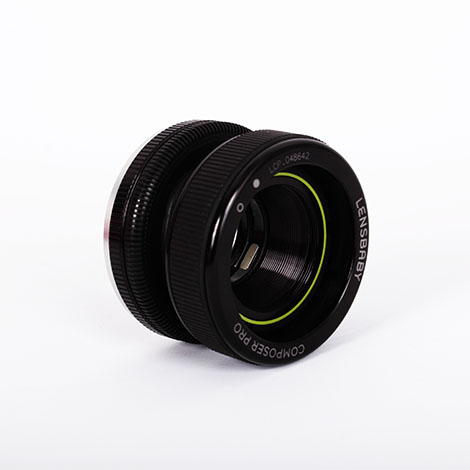
Aperture range in a digital camera refers to the range of possible aperture settings that can be used to control the amount of light entering the camera. The aperture is the opening in the lens through which light passes to reach the camera’s sensor. A wider aperture allows more light to enter, while a narrower aperture lets in less light.
The aperture range of a camera can have a significant impact on the photos you take. A wider aperture (lower f-stop number) is ideal for situations where you want a shallow depth of field, such as portrait photography, as it creates a blurry background effect known as bokeh. On the other hand, a narrower aperture (higher f-stop number) is better for landscapes or when you want everything in the frame to be in focus.
Effects of Different Aperture Settings:
| Aperture Setting | Effect on Photos |
|---|---|
| Wide (e.g., f/2.8) | Creates a shallow depth of field, ideal for portraits |
| Narrow (e.g., f/16) | Increases depth of field, suitable for landscapes |
Choosing the Right Aperture Range
When selecting the aperture range for your digital camera, it is important to consider the creative and technical aspects of photography. The aperture range refers to the range of available apertures on a camera lens, which control the amount of light entering the camera and the depth of field in the image.
Consider Your Subject
For portraits and close-up shots, a wide aperture (small f-number) is ideal as it creates a shallow depth of field, blurring the background and emphasizing the subject. On the other hand, for landscape photography, a narrow aperture (large f-number) is preferable to ensure that everything in the scene is in focus.
Understand the Effects
Experimenting with different aperture settings can help you understand how they affect your photos. A wider aperture lets in more light but reduces the depth of field, while a narrower aperture allows less light but provides a greater depth of field. Finding the right balance is key to achieving the desired effect in your images.

Factors to Consider When Adjusting Aperture Range
When adjusting the aperture range on your digital camera, there are several important factors to consider:
- Depth of Field: The aperture setting directly affects the depth of field in your photographs. A wider aperture (lower f-stop number) will result in a shallower depth of field, while a narrower aperture (higher f-stop number) will increase the depth of field, allowing more of the scene to be in focus.
- Light: The aperture also controls the amount of light entering the camera. A wider aperture lets in more light, making it ideal for low-light conditions or when you want to achieve a blurry background (bokeh effect). On the other hand, a narrower aperture reduces the amount of light, which can be useful in bright conditions or when you want everything in focus.
- Sharpness: Different lenses have different optimal apertures for sharpness. Some lenses may be sharpest at a mid-range aperture, while others perform best at their widest or narrowest settings. Experiment with your lens to find the sweet spot for sharpness.
- Diffraction: Using a very narrow aperture can lead to diffraction, which can reduce the overall sharpness of your images. Be mindful of this when choosing your aperture setting, especially in landscape photography where you may want everything in focus.
FAQ
What does aperture range mean in a digital camera?
The aperture range in a digital camera refers to the range of available aperture settings that control the amount of light entering the camera lens. It is typically expressed in f-stop values, such as f/2.8, f/4, f/5.6, etc.
How does the aperture range affect the quality of photos?
The aperture range plays a crucial role in determining the depth of field in a photograph. A wider aperture (lower f-stop number) allows more light and creates a shallower depth of field, resulting in a blurred background effect. A narrower aperture (higher f-stop number) lets in less light and increases the depth of field, keeping more of the scene in focus.
Why is it important to consider the aperture range when choosing a digital camera?
Understanding the aperture range of a digital camera is important because it directly impacts the creative control you have over your photography. Different aperture settings can drastically change the look and feel of your images, allowing you to achieve artistic effects like bokeh or sharp landscapes.
Can you explain the relationship between aperture range and exposure in photography?
The aperture range of a digital camera is one of the three main factors (along with shutter speed and ISO) that determine the exposure of a photograph. By adjusting the aperture, you can control the amount of light entering the camera, which in turn affects the overall exposure of the image. Understanding this relationship is crucial for achieving proper exposure in different lighting conditions.

How do I know which aperture range is suitable for my photography needs?
Choosing the right aperture range depends on the type of photography you do and the creative effect you want to achieve. For portraits, a wider aperture (lower f-stop) is often preferred to create a soft, blurry background. For landscapes, a narrower aperture (higher f-stop) is usually better to keep everything in focus. Experimenting with different aperture settings will help you determine what works best for your specific style and subjects.



I've been using f/2.8 for portraits and really love the bokeh effect it creates. It definitely makes a difference in focusing on the subject!
Using f/2.8 is a great choice for portraits as it indeed helps in creating a shallow depth of field and beautiful bokeh. Experimenting with different apertures can yield even more interesting results!
What is the best aperture setting for night photography?
What’s the real difference between using f/2.8 and f/4 for portraits? I’ve heard f/2.8 gives a nice bokeh, but is it really that noticeable?
Great question! The difference can indeed be noticeable, particularly in terms of background separation. f/2.8 produces a shallower depth of field, leading to a softer, more blurred background compared to f/4.
Yes, the difference can be significant! f/2.8 creates a more pronounced blur in the background, which helps to isolate the subject better, especially in close-ups.
I have a camera with an aperture range from f/3.5 to f/22. I've noticed that using f/22 for landscapes gives me that sharpness across the frame, but sometimes I feel the images lack the vibrancy compared to when I shoot at f/8. What's the best compromise?
I recently switched to a camera with a wider aperture range, and it’s made a huge difference in my low-light photography. I used to struggle with indoor shots but now I can shoot at f/2.8 and get nice, clear images without a flash. It really helps capture the mood. Has anyone else had a similar experience?
Absolutely! Switching to a camera that handles wider apertures well changed my whole approach to night photography. I can capture details that were impossible before.
I don't think a narrower aperture always leads to better sharpness. Sometimes wide apertures can produce stunning results too!