
 Carmen J. Moore

When it comes to digital photography, one of the key components in a camera is the optical viewfinder. While many cameras now come with LCD screens for framing shots, optical viewfinders still play an important role in photography.
So, what exactly is an optical viewfinder? An optical viewfinder is a small window on the camera that allows you to look through the lens and frame your shot. It provides a direct line of sight to the scene you are photographing, giving you a clear view of the composition and allowing you to focus on your subject.
Unlike electronic viewfinders that display a digital representation of the scene, optical viewfinders show the actual light entering the lens, providing a more natural and true-to-life view of the image.
Optical viewfinders have been a staple in cameras for many years and are preferred by many photographers for their simplicity and reliability. They are especially useful in bright sunlight when LCD screens can be difficult to see.

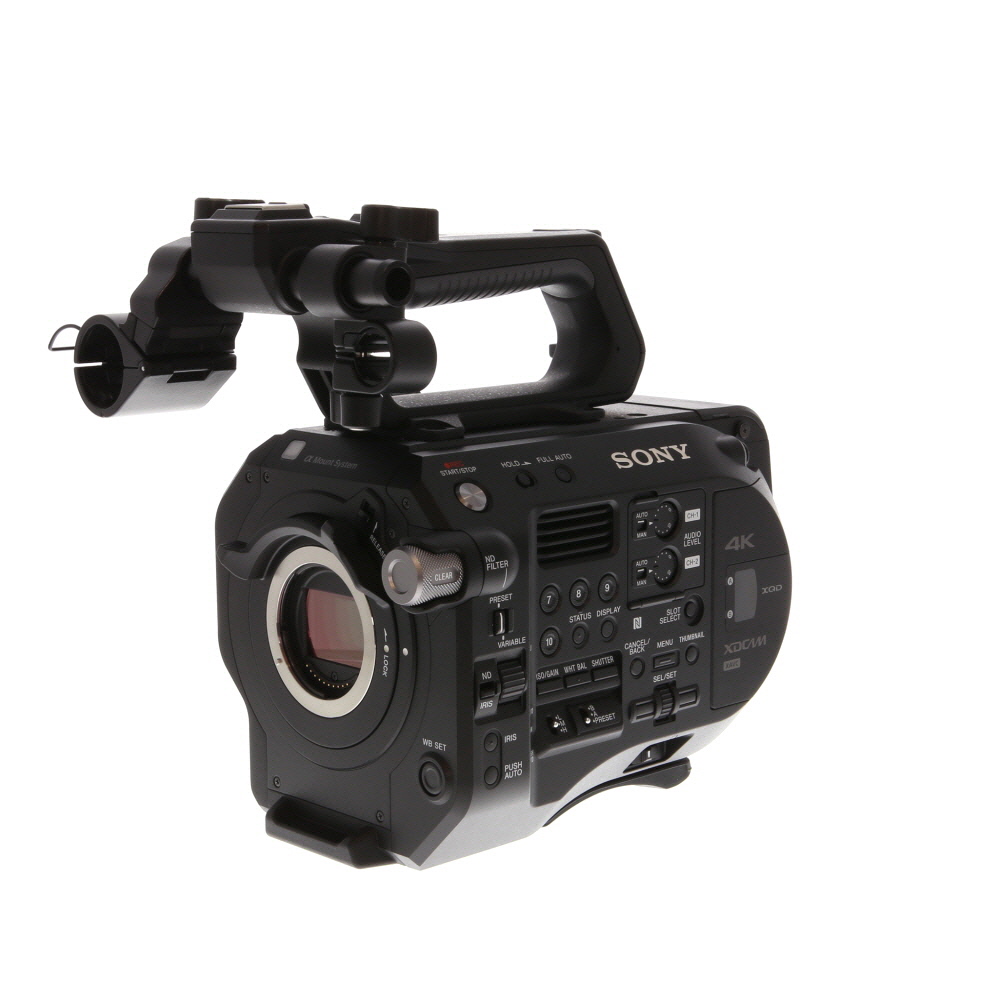

Understanding Optical Viewfinders
An optical viewfinder in a digital camera is a small window located on the top of the camera body that allows you to frame your shot by looking through it. Unlike electronic viewfinders (EVFs) that show a digital representation of the scene, optical viewfinders provide a direct, unfiltered view of the subject. This can be helpful in bright sunlight when the glare on an LCD screen makes it hard to see the image.
Optical viewfinders use a system of mirrors and lenses to reflect the image from the camera’s lens to your eye. This allows you to see exactly what the camera sees, helping you compose your shot more accurately. However, optical viewfinders have limitations, such as not showing the exact framing of the final image due to parallax error.
Overall, optical viewfinders provide a traditional and straightforward way of composing your shots, giving you a clear and unobstructed view of your subject. While EVFs have become more popular in modern cameras, optical viewfinders still have their place for photographers who prefer a more direct and natural way of framing their shots.
Definition and Functionality
An optical viewfinder in a digital camera is a feature that allows the photographer to frame the shot using a physical viewfinder rather than the camera’s LCD screen. It provides a direct optical view of the subject through the camera’s lens, allowing for more accurate composition and framing.
Functionality:
The optical viewfinder works by using a system of mirrors and prisms to reflect the image from the camera’s lens to the viewfinder. This allows the photographer to see exactly what the camera sees, without any delays or digital processing.

| Advantages | Disadvantages |
|---|---|
| Provides a clear, real-time view of the subject | May not show the exact framing due to parallax error |
| Conserves battery life by not using the LCD screen | Does not display exposure information or camera settings |
| Works well in bright light conditions where the LCD screen may be hard to see | May not be present in all digital cameras, especially compact models |
Advantages of Optical Viewfinders
1. Real-Time View: Optical viewfinders provide a direct optical view of the scene in front of you, allowing you to see exactly what the lens sees in real-time. This can help you frame your shot more accurately and make adjustments as needed.
2. Battery Conservation: Using the optical viewfinder instead of the electronic screen can help conserve battery life since the camera’s LCD screen consumes more power. This is especially useful when shooting for an extended period.
3. Brightness and Clarity: Optical viewfinders typically offer a brighter and clearer view of the scene compared to electronic viewfinders, making it easier to compose your shots in various lighting conditions.
4. Less Lag: Optical viewfinders have minimal lag compared to electronic viewfinders, ensuring a more immediate response when capturing fast-moving subjects or action shots.
5. Stability: Holding the camera up to your eye with an optical viewfinder can provide additional stability, reducing camera shake and resulting in sharper images, especially in low light situations.
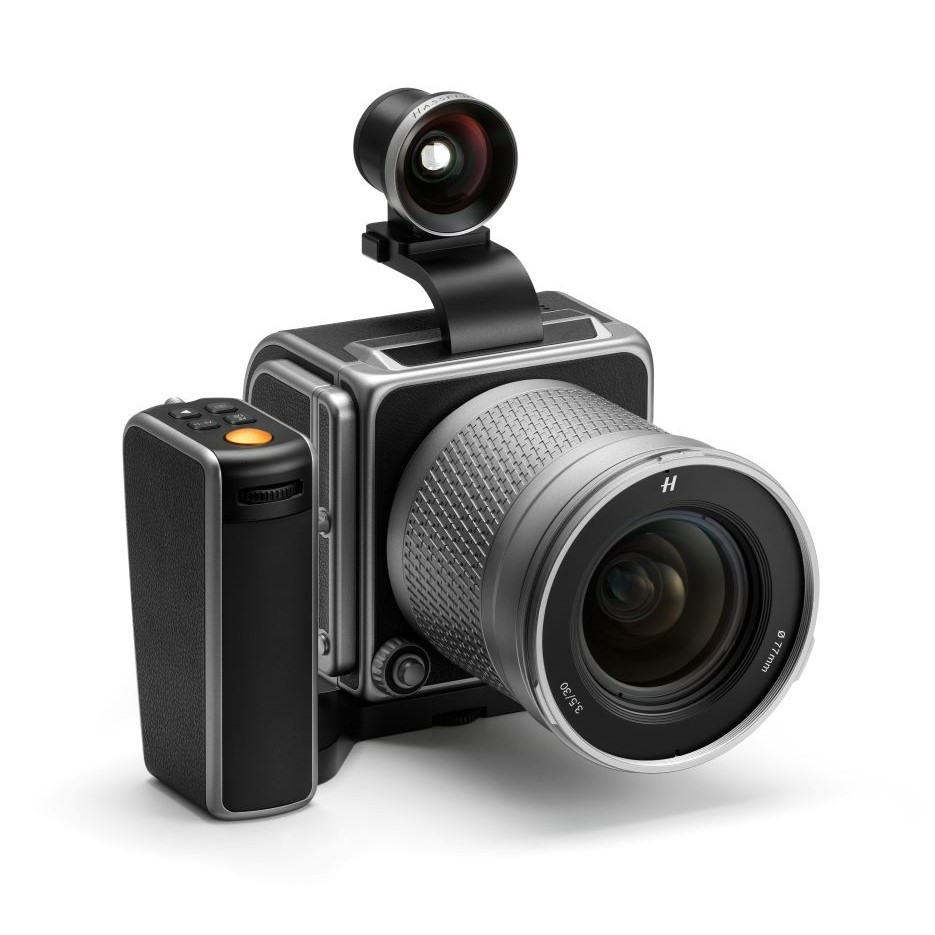
Limitations of Optical Viewfinders
While optical viewfinders have their advantages, they also come with some limitations:
Lack of Information
Optical viewfinders typically show a limited amount of information, such as framing lines and basic exposure settings. Advanced shooting data, like histogram or focus points, are often not visible through an optical viewfinder.
Parallax Error
With optical viewfinders, there can be a parallax error, especially in close-up shots or when using certain lenses. This error occurs when the view through the viewfinder is slightly different from the actual image captured by the camera.
Optical Viewfinder vs Electronic Viewfinder
When it comes to choosing a digital camera, one of the key decisions you’ll need to make is whether to opt for a camera with an optical viewfinder or an electronic viewfinder. Both have their own set of advantages and disadvantages, so let’s take a closer look at the differences between the two:
Optical Viewfinder
- Provides a direct line of sight through the camera’s lens, allowing you to see exactly what the lens sees.
- Offers a more natural and lag-free viewing experience, making it easier to track moving subjects.
- Does not drain the camera’s battery as it does not require power to operate.
Electronic Viewfinder
- Displays a digital representation of the scene captured by the camera’s sensor, providing a preview of the final image.
- Allows for real-time exposure and white balance adjustments, helping you get a more accurate preview of the image.
- Can suffer from lag and low resolution in some models, impacting the overall viewing experience.
Ultimately, the choice between an optical viewfinder and an electronic viewfinder comes down to personal preference and shooting style. Some photographers prefer the immediacy and clarity of an optical viewfinder, while others appreciate the additional information and features offered by an electronic viewfinder.

Comparison of Features
Optical Viewfinder: An optical viewfinder uses a system of mirrors and lenses to provide a direct line of sight to the scene. It allows you to see the actual scene as it appears in front of the camera, giving you a more natural and immediate view of your subject.
Electronic Viewfinder: An electronic viewfinder, on the other hand, uses a small LCD screen to display a digital image of the scene. This can provide additional information such as exposure settings, focus points, and image previews, but may not always accurately represent the final image.
Battery Life: Cameras with optical viewfinders tend to have better battery life as they do not rely on power-hungry electronic components for the viewfinder. Electronic viewfinders can drain the battery faster, especially when used extensively.
Low Light Performance: Optical viewfinders generally perform better in low light conditions, as they rely on natural light to see the scene. Electronic viewfinders may struggle in low light situations, as the digital display needs sufficient light to be visible.
Which One to Choose?
When deciding between a digital camera with an optical viewfinder or an electronic viewfinder, it ultimately comes down to personal preference and how you plan to use the camera. Here are a few points to consider:
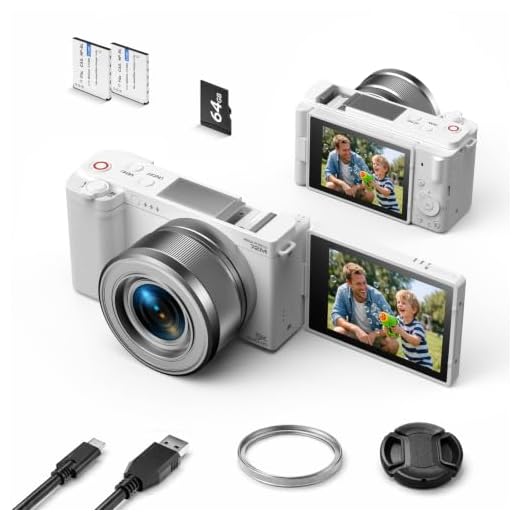
Optical Viewfinder:
An optical viewfinder provides a direct line of sight to your subject without any lag or delay. It is ideal for capturing fast-moving subjects or shooting in bright light conditions where an LCD screen may be hard to see. However, optical viewfinders do not show a preview of the final image, so you may need to rely on the camera’s settings and your own experience to frame the shot accurately.
Electronic Viewfinder:
An electronic viewfinder displays a digital preview of the image before you capture it. This can be helpful for composing shots, adjusting settings, and previewing the effects of different exposure settings in real time. However, electronic viewfinders may have a slight lag or delay compared to optical viewfinders, which can be a drawback for fast-paced photography.
Ultimately, the choice between an optical viewfinder and an electronic viewfinder depends on your shooting style, preferences, and budget. Some photographers may prefer the immediacy and simplicity of an optical viewfinder, while others may appreciate the advanced features and flexibility of an electronic viewfinder. Consider your needs and try out both options before making a decision.
FAQ
What is an optical viewfinder in a digital camera?
An optical viewfinder in a digital camera is a small window on the camera body that allows you to see through the camera’s lens directly. It provides a real-time view of the scene you are photographing without the need for the camera’s sensor or electronic display.
How does an optical viewfinder differ from an electronic viewfinder?
An optical viewfinder uses a system of mirrors and prisms to reflect the image from the camera lens directly to your eye, providing a clear and natural view of the scene. In contrast, an electronic viewfinder (EVF) displays a digital preview of the scene captured by the camera’s sensor on a small screen inside the viewfinder.
What are the advantages of using an optical viewfinder in a digital camera?
One of the main advantages of an optical viewfinder is that it provides a direct view of the scene, allowing you to see exactly what the camera sees without any lag or delay. Optical viewfinders also work well in bright sunlight since they do not rely on an electronic display that may be hard to see in such conditions.
Are there any drawbacks to using an optical viewfinder in a digital camera?
While optical viewfinders offer a clear and direct view of the scene, they may not always show the exact framing captured by the camera’s sensor, especially in macro or telephoto shooting. Additionally, optical viewfinders do not provide additional information overlays or live exposure previews like electronic viewfinders do.


What are the main advantages of using an optical viewfinder over an electronic one, especially in outdoor photography?
I disagree on the point that optical viewfinders are better in low light. I've found that electronic viewfinders can actually display more information and adjustments, which often helps in darker environments.
Great point! Electronic viewfinders can indeed offer advantages in low light by displaying data and adjustments, though they may struggle with visibility if the lighting is too dim.
Does an optical viewfinder really conserve battery life, or is it just a minor difference?
I recently switched from a camera with an optical viewfinder to one with an electronic one. At first, I missed the simplicity of the optical viewfinder, but the real-time adjustments and information on the electronic viewfinder have been a game changer for me. Still, I wish I could combine the best of both worlds!
Thanks for sharing! Many photographers feel the same way about wanting the strengths of both viewfinder types. It's interesting to see how personal preference plays a huge role in this choice.
I've been using optical viewfinders for years, and I love how they perform in bright sunlight. I find it much easier to compose my shots outdoors without the glare of an LCD screen. Plus, the clarity and real-time response make it feel more intuitive. However, I did notice the parallax error when shooting close-up portraits, which can be a bit frustrating.
Thanks for sharing your experience! It's true that optical viewfinders are preferred in bright conditions, but parallax error is something to keep in mind for close-up shots.
I love how optical viewfinders make it easier to capture fast-moving subjects. The lag in electronic viewfinders can be a dealbreaker for action shots!