
 Carmen J. Moore

Have you ever wondered what lies beneath the sleek exterior of a digital camera? The compact and sophisticated design of these devices often conceals a complex array of components and mechanisms that work together to capture and process images. In this article, we will delve into the inner workings of a digital camera to uncover the technology that powers our modern photography.
Image Sensor: At the heart of every digital camera is the image sensor, which acts as the electronic equivalent of film in traditional cameras. The image sensor is composed of millions of light-sensitive pixels that convert incoming light into electrical signals. These signals are then processed to create a digital image that can be stored and displayed.
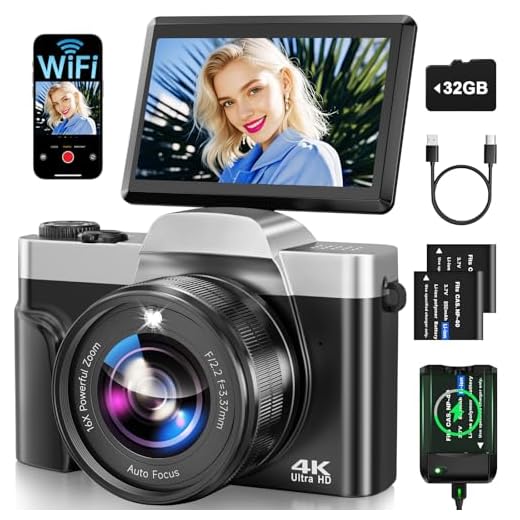
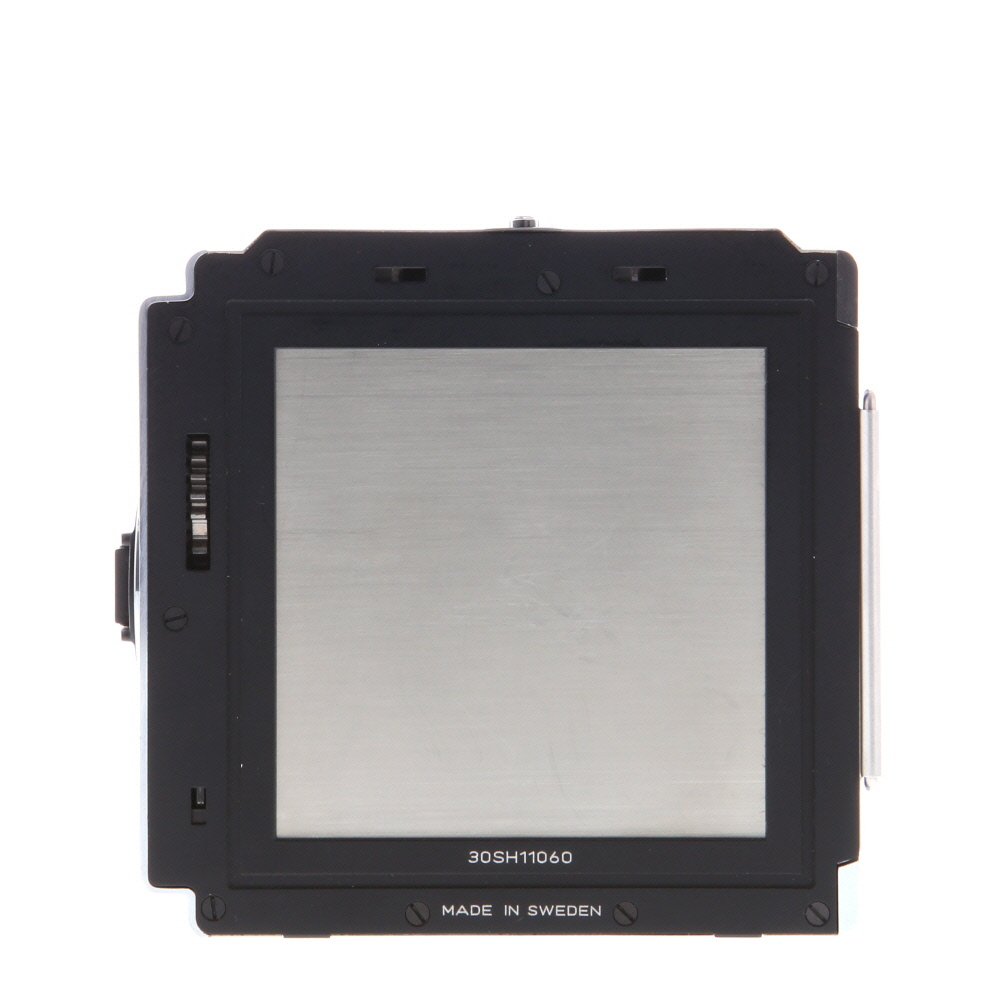


Processor and Memory: In addition to the image sensor, digital cameras contain a powerful processor that handles the image processing tasks. The processor is responsible for tasks such as noise reduction, color correction, and image compression. The camera also includes memory storage, such as an SD card, to store the captured images and videos.
The Anatomy of a Digital Camera
A digital camera is a complex device that consists of several key components working together to capture and store images. Let’s take a closer look at the main parts that make up a typical digital camera:
Lens
The lens is perhaps the most important part of a digital camera. It focuses light onto the image sensor, determining the quality and clarity of the final image. Different cameras have different types of lenses, such as wide-angle, telephoto, or zoom lenses.
Image Sensor
The image sensor is a crucial component that converts light into digital signals. The size and quality of the image sensor can greatly affect the camera’s performance in low light conditions and its ability to capture details accurately.
Other components of a digital camera include:
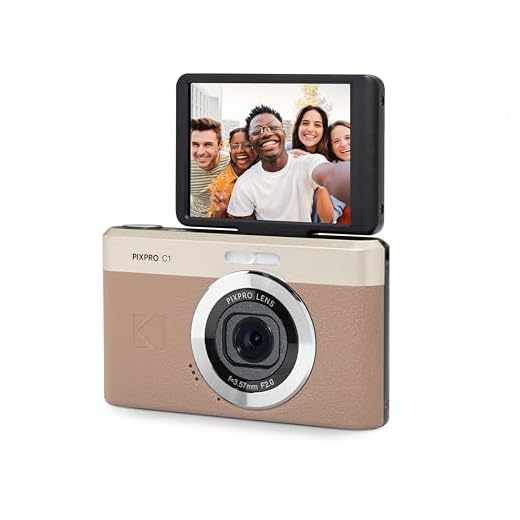
Processor: The processor is responsible for processing the digital signals from the image sensor and converting them into a viewable image.
Memory Card Slot: The memory card slot allows users to store images and videos on a removable memory card.
LCD Screen: The LCD screen displays the images and videos captured by the camera, allowing users to preview and review their shots.
The Lens System
The lens system in a digital camera is crucial for capturing sharp and clear images. It consists of multiple lenses that work together to focus light onto the image sensor. The main lens, also known as the primary lens, is responsible for gathering light and directing it towards the image sensor. In addition to the main lens, some cameras have additional lenses, such as zoom lenses or macro lenses, to provide different focal lengths and magnification capabilities.
The quality of the lens system plays a significant role in the overall image quality of the camera. High-quality lenses can produce sharp images with minimal distortion and aberrations, while lower-quality lenses may result in softer images with visible distortions. The design and construction of the lens system are essential factors that determine the performance of a digital camera.
The Image Sensor
The image sensor is a crucial component of a digital camera that captures light and converts it into an electronic signal. It is made up of millions of light-sensitive cells called photosites, which are arranged in a grid pattern on the sensor. Each photosite corresponds to a pixel in the final image.
There are two main types of image sensors used in digital cameras: CCD (Charge-Coupled Device) and CMOS (Complementary Metal-Oxide-Semiconductor). CCD sensors are known for their high image quality and low noise, while CMOS sensors are more energy-efficient and cost-effective.
| Feature | CCD Sensor | CMOS Sensor |
|---|---|---|
| Image Quality | High | Good |
| Noise | Low | Higher than CCD |
| Power Consumption | High | Low |
| Cost | Expensive | Affordable |
When you take a photo with a digital camera, the image sensor captures the light that enters through the camera lens and processes it to create a digital image. The size and quality of the image sensor can have a significant impact on the overall image quality of the photos you take.
The Processor
The processor is the brain of the digital camera, responsible for carrying out all the complex calculations and operations required for capturing and processing images. It is usually a specialized chip designed specifically for digital cameras, optimized for high-speed image processing.
The processor plays a crucial role in determining the camera’s performance, including its speed, image quality, and features. It processes the sensor data, applies various image processing algorithms, and controls other components of the camera.
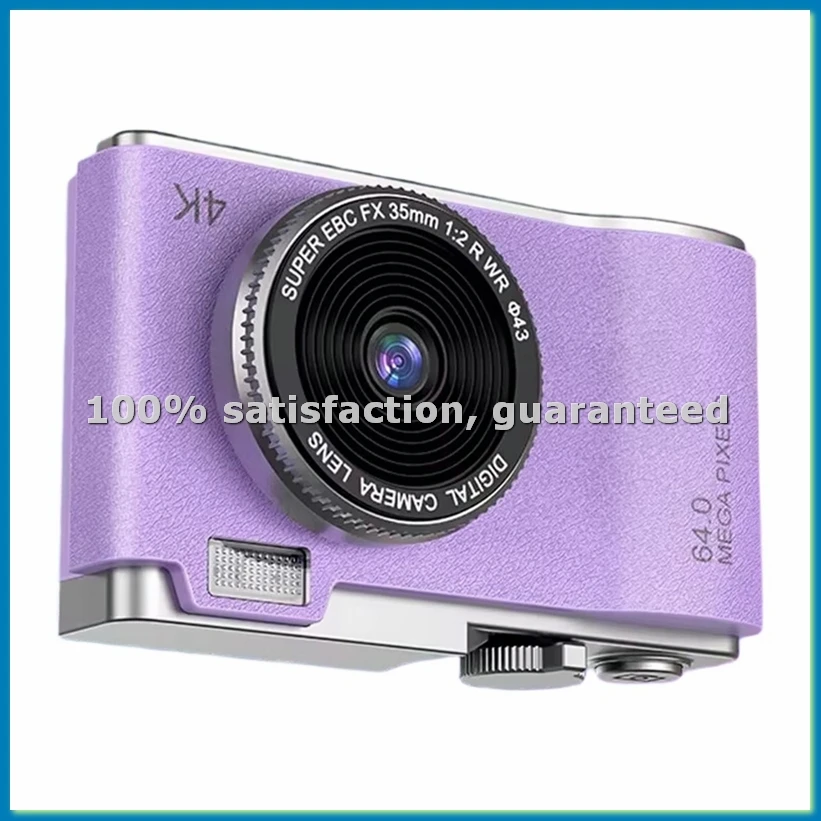
Modern digital cameras often feature advanced processors with multiple cores and dedicated processing units for tasks like autofocus, image stabilization, and noise reduction. These processors enable fast and efficient image processing, allowing for quick shooting speeds and high-quality results.
The Memory Card
One of the key components inside a digital camera is the memory card. This small, removable device stores all the photos and videos taken by the camera. Memory cards come in various sizes and types, such as SD, MicroSD, and CompactFlash.
When you take a photo with your camera, the image data is saved onto the memory card. The capacity of the memory card determines how many photos or videos can be stored. You can easily remove the memory card from the camera and transfer the files to a computer or other device for viewing or sharing.
It’s important to handle memory cards carefully to prevent data loss. Avoid removing the card while the camera is still writing data, and store it in a safe place when not in use. Regularly backing up your photos is also recommended to ensure that your precious memories are not lost.
The LCD Screen
The LCD screen is a crucial component of a digital camera, as it allows you to preview and review your photos and videos. The screen is usually located on the back of the camera and comes in various sizes, resolutions, and types (such as TFT or OLED).

When you take a photo, the image is displayed on the LCD screen almost instantly, giving you immediate feedback on the composition, exposure, and focus. You can also use the screen to navigate the camera’s menu system, change settings, and access different shooting modes.
The Battery
The battery is a crucial component inside a digital camera, providing the necessary power for the device to function. Most digital cameras use rechargeable lithium-ion batteries, which offer a good balance between power capacity and size.
These batteries are typically located in a designated compartment within the camera body, easily accessible for replacement or recharging. The battery capacity varies depending on the camera model, with higher-end cameras often equipped with larger batteries to support advanced features and longer usage time.
The Body Design
When you open up a digital camera, you will find that the body is typically made of a combination of metal and plastic components. The body is designed to be sturdy and lightweight, making it easy to carry around and use for extended periods of time.
Materials
The metal components of the camera body provide durability and stability, while the plastic components help to keep the weight of the camera down. This combination of materials ensures that the camera is both strong and lightweight, making it ideal for everyday use.
Controls and Features
The body of a digital camera also houses the various controls and features that allow you to operate the camera. These can include buttons, dials, and switches for adjusting settings such as focus, exposure, and shooting mode. The design of the body is carefully crafted to make these controls easily accessible while also keeping the overall size of the camera compact.
| Material | Metal and plastic |
| Controls | Buttons, dials, switches |
| Features | Focus, exposure, shooting mode |
FAQ
What components are typically found inside a digital camera?
Inside a digital camera, you can find a sensor, image processor, memory card slot, battery, lens, shutter button, LCD screen, and various control buttons.
How does the sensor work inside a digital camera?
The sensor inside a digital camera captures light and converts it into an electrical signal, which is then processed by the image processor to create a digital image.
What role does the image processor play in a digital camera?
The image processor in a digital camera processes the electrical signals from the sensor to adjust colors, sharpness, and other aspects of the image before storing it on the memory card.
Can you explain the function of the lens inside a digital camera?
The lens in a digital camera focuses light onto the sensor, determining the quality and sharpness of the image captured by the camera.

How is the battery used inside a digital camera?
The battery inside a digital camera powers the various components of the camera, allowing it to capture and store images. It is essential for the camera’s operation.




Can someone explain the difference between CCD and CMOS sensors a bit more? I’ve heard both terms but am unsure which is better for what purpose.
CCD sensors generally offer better image quality and lower noise, while CMOS sensors are more energy-efficient and cost-effective. If you're focused on high-quality images and low light performance, CCD might be preferable, but for everyday use, CMOS can be very effective.
I recently opened up my old digital camera, and it was fascinating to see how everything fits together. The lens system really amazed me! I always thought the lens was just a piece of glass, but there’s so much more to it. The focus mechanism was surprisingly complex. Anyone else have similar experiences?
I’m curious, what exactly does the image sensor do in a digital camera? I’ve heard it’s important, but I’d like to understand how it actually works.
The image sensor captures light and converts it into electronic signals. It consists of millions of light-sensitive pixels that create the digital image. The quality and size of the sensor significantly affect image quality, especially in low light.