
 Carmen J. Moore

Image sensors play a crucial role in capturing the essence of photography in digital cameras. These tiny chips are responsible for converting light into digital signals, allowing cameras to produce high-quality images.

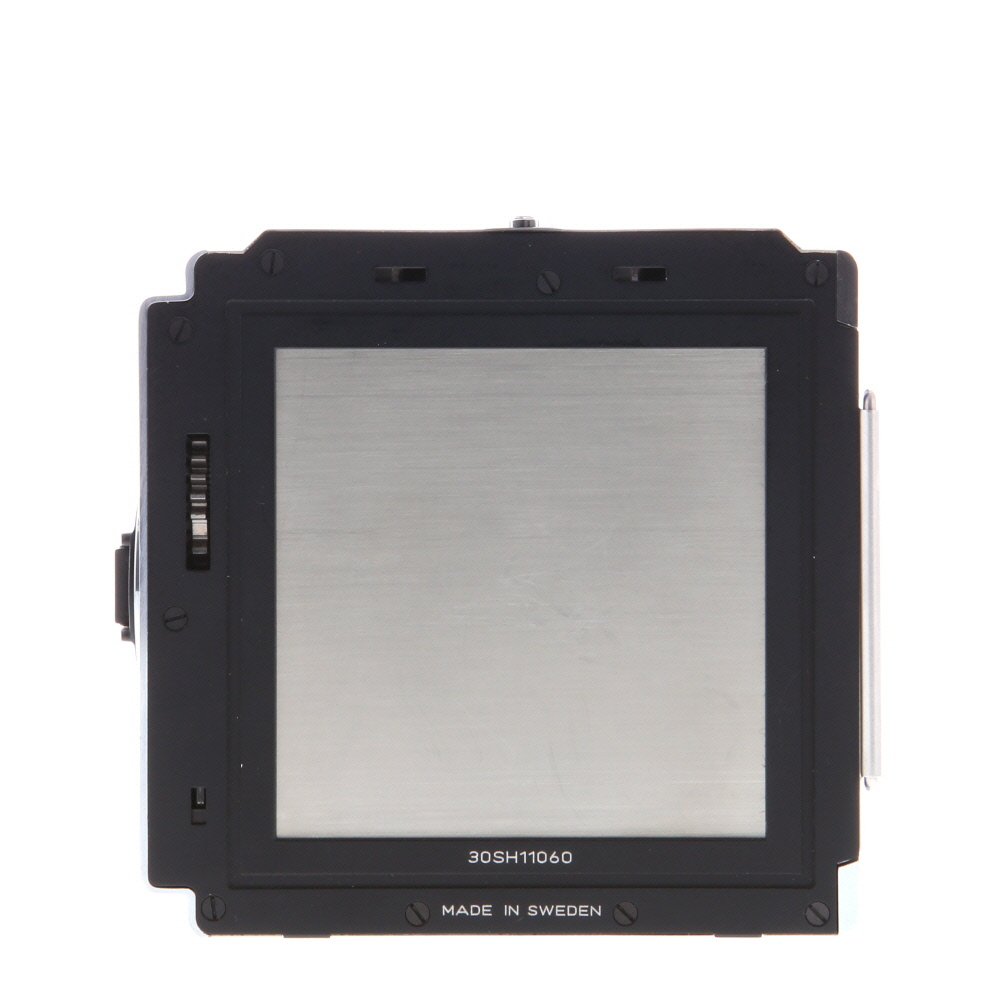
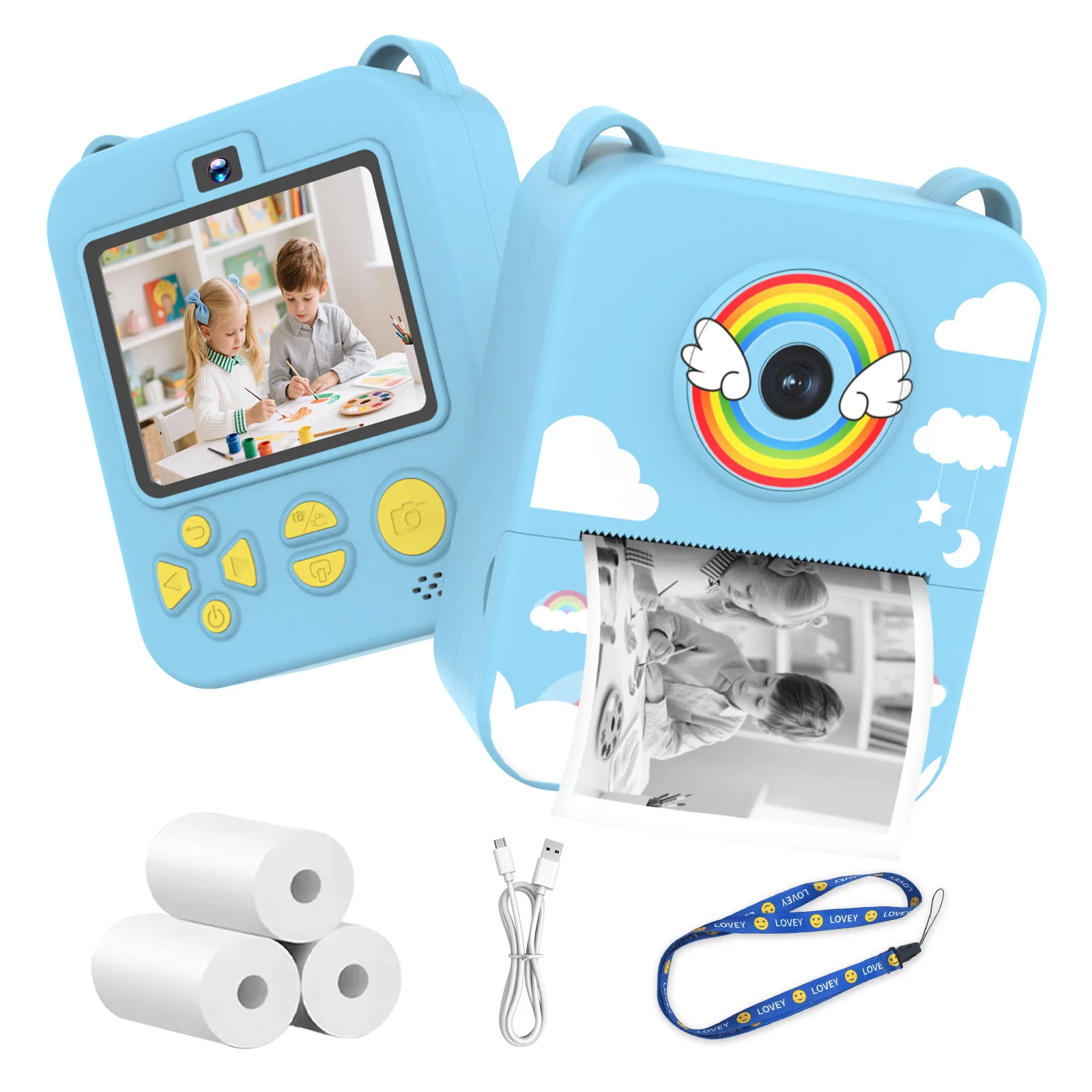

Essentially, image sensors function as the “eyes” of the camera, detecting and recording the light that enters the lens. They come in various types, such as CMOS and CCD sensors, each with its unique characteristics and performance capabilities.
By understanding how image sensors work and their impact on image quality, photographers can make informed decisions when choosing a camera that suits their needs and preferences.
Understanding the image sensor in digital cameras
An image sensor in a digital camera is a crucial component that captures light and converts it into digital signals, creating the final image. Understanding how the image sensor works can help you make informed decisions when choosing a camera.
Image sensors come in different types, such as CMOS (Complementary Metal-Oxide-Semiconductor) and CCD (Charge-Coupled Device), each with its own advantages and disadvantages. CMOS sensors are more commonly used due to their lower power consumption and faster readout speeds, while CCD sensors offer better image quality in certain conditions.
The size of the image sensor also plays a significant role in determining image quality. Larger sensors typically produce better image quality, especially in low light situations, as they can capture more light. However, larger sensors also tend to make cameras bulkier and more expensive.

Understanding the specifications of the image sensor, such as megapixels, pixel size, and dynamic range, can help you assess the camera’s capabilities and potential image quality. It’s essential to consider these factors alongside other features when choosing a digital camera that meets your needs.
Definition and purpose of an image sensor
An image sensor is a crucial component in digital cameras that converts light into electronic signals. It is the part of the camera that captures the image by detecting and recording the intensity and color of light hitting it. The sensor is made up of millions of tiny light-sensitive cells called photosites, which work together to produce a digital image.
The main purpose of an image sensor is to capture the light that enters the camera lens and convert it into a digital image that can be stored and processed. The quality of the image sensor plays a significant role in determining the image quality, resolution, and low-light performance of a digital camera.
Image sensors come in various types and sizes, with the two most common types being CCD (Charge-Coupled Device) and CMOS (Complementary Metal-Oxide-Semiconductor) sensors. Each type has its advantages and disadvantages, but both serve the primary function of capturing light and creating digital images in digital cameras.
Types of Image Sensors Used in Digital Cameras
Image sensors are crucial components in digital cameras that convert light into electrical signals, capturing the image data that forms a photograph. There are two main types of image sensors commonly used in digital cameras:
1. CCD (Charge-Coupled Device) Sensors: CCD sensors are known for their high-quality image output, making them ideal for professional photography. They use a complex process to capture and transfer image data, resulting in low noise levels and excellent color reproduction.
Pros: High image quality, low noise, good color reproduction.
2. CMOS (Complementary Metal-Oxide-Semiconductor) Sensors: CMOS sensors are more cost-effective and energy-efficient compared to CCD sensors. They are widely used in consumer-grade digital cameras and smartphones. CMOS sensors have improved over the years and now offer competitive image quality.
Pros: Cost-effective, energy-efficient, suitable for consumer-grade devices.
Both CCD and CMOS sensors have their strengths and weaknesses, and the choice between them often depends on the specific requirements of the camera and the intended use of the photographs.
How does an image sensor work?
An image sensor is a crucial component in digital cameras that captures light and converts it into digital signals.
When light enters the camera through the lens, it hits the image sensor, which is composed of millions of light-sensitive pixels.
Each pixel on the sensor detects the intensity of light it receives and generates an electrical signal proportional to that intensity.
These electrical signals are then processed by the camera’s image processor to create a digital image.
The size and quality of the image sensor play a significant role in determining the camera’s image resolution, low-light performance, and dynamic range.

Key components of an image sensor
An image sensor is a crucial component in digital cameras that converts light into electrical signals, capturing the visual information in a digital format. There are several key components that make up an image sensor:
1. Photodiodes
Photodiodes are the light-sensitive elements on the image sensor that convert photons (light particles) into electrons. Each photodiode corresponds to a pixel in the final image.
2. Color filters
Color filters are placed on top of the photodiodes to capture different colors of light. Typically, there are red, green, and blue filters arranged in a specific pattern to capture full-color images.
| Component | Function |
|---|---|
| Photodiodes | Convert light into electrical signals |
| Color filters | Capture different colors of light |
The role of pixel size in image sensors
Pixel size is a crucial factor in determining the quality of an image sensor in a digital camera. The size of each individual pixel on the sensor directly impacts the amount of light it can capture and the level of detail it can reproduce in an image.
Larger pixels are able to gather more light, which results in better low-light performance and improved dynamic range. This means that images taken with a sensor featuring larger pixels will generally have less noise and better color accuracy, especially in challenging lighting conditions.
On the other hand, smaller pixels can allow for higher resolution and more detail in the final image. However, smaller pixels may struggle in low-light situations and can lead to decreased image quality due to noise and reduced dynamic range.
Manufacturers must strike a balance between pixel size and resolution when designing image sensors for digital cameras to achieve the desired performance characteristics for different types of photography.
Factors affecting image sensor performance
Several factors can affect the performance of an image sensor in a digital camera. These factors include:
- Pixel size: The size of individual pixels on the sensor can impact the amount of light each pixel can capture. Larger pixels generally perform better in low-light conditions.
- Pixel count: Higher pixel counts can result in higher resolution images, but can also lead to increased noise in low-light situations.
- Sensor size: The physical size of the image sensor can affect its light-gathering capabilities and dynamic range.
- Pixel technology: The type of technology used in the pixels (such as CMOS or CCD) can influence image quality and performance.
- Signal-to-noise ratio: A higher signal-to-noise ratio indicates better image quality, especially in low-light conditions.
- Dynamic range: The ability of the sensor to capture details in both highlight and shadow areas of a scene.
Advantages of using different types of image sensors
Image sensors come in different types, each with its own set of advantages. Here are some advantages of using different types of image sensors:
| Type of Image Sensor | Advantages |
|---|---|
| CMOS | Low power consumption, faster readout speeds, lower cost, and better noise performance. |
| CCD | Higher quality images in low light conditions, better dynamic range, and lower noise levels. |
| BSI CMOS | Improved sensitivity to light, better image quality in low light, and reduced pixel crosstalk. |
| Back-Illuminated CMOS | Enhanced low-light performance, improved color reproduction, and higher resolution. |
Common issues with image sensors in digital cameras
Image sensors in digital cameras are crucial components that capture light and convert it into digital signals to create images. However, these sensors can sometimes encounter issues that affect the quality of the images produced. Some common problems with image sensors in digital cameras include:

- Dead pixels: Dead pixels are individual pixels on the sensor that fail to respond to light, resulting in small black spots in images.
- Stuck pixels: Stuck pixels are pixels that get stuck in one color and do not change, causing colored spots in images.
- Image noise: Image noise can occur due to high ISO settings or long exposure times, resulting in grainy or speckled images.
How to deal with sensor issues:
- Use sensor cleaning tools to remove dust and dirt that can affect image quality.
- Check for firmware updates from the camera manufacturer that may address sensor-related issues.
Future Developments in Image Sensor Technology
As technology continues to advance, image sensor technology is also poised to undergo significant developments in the future. Some key areas of focus for future advancements include:
- Higher Resolution: Image sensors with even higher megapixel counts are likely to be developed, enabling sharper and more detailed images.
- Improved Low-Light Performance: Efforts are being made to enhance image sensors’ sensitivity in low-light conditions, allowing for better quality images in challenging lighting situations.
- Increased Dynamic Range: Future image sensors may have improved dynamic range capabilities, capturing a wider range of tones and details in both bright and dark areas of an image.
- Reduced Noise: Advancements in sensor technology may lead to reduced noise levels in images, resulting in cleaner and more accurate photos.
- Enhanced Speed and Efficiency: Image sensors may become faster and more efficient, enabling quicker autofocus, burst shooting, and overall smoother performance.
These developments in image sensor technology are expected to further enhance the capabilities of digital cameras and improve the overall quality of images captured by photographers in the years to come.
FAQ
What is the function of an image sensor in digital cameras?
The image sensor in digital cameras is responsible for capturing light and converting it into digital signals that can be processed and stored as an image file. It essentially acts as the “eye” of the camera, capturing the scene and turning it into a digital image.
How does the size of an image sensor affect the quality of photos in digital cameras?
The size of the image sensor in a digital camera has a significant impact on the quality of photos. Larger image sensors typically have better light sensitivity and produce higher quality images with less noise, especially in low light conditions. Smaller sensors may struggle with noise and dynamic range, resulting in lower image quality, especially when shooting in challenging lighting situations.


Could you compare the image quality from a high-end CCD sensor with a low-end CMOS sensor? I’m curious how much the quality gap really is.
I love that image sensor technology is improving so quickly. It makes photography more accessible for everyone!
I don’t think CMOS sensors can match the image quality of CCDs, especially in low light. I’ve seen it in my own work.
I see your point, but I think the gap is closing. My recent CMOS camera performed really well in low light compared to older models.
What does 'dynamic range' actually mean when it comes to image sensors?
Dynamic range refers to the range of light intensities the sensor can capture, from the darkest shadows to the brightest highlights. A higher dynamic range means the sensor can handle more extremes in lighting without losing detail.
I recently switched to a camera with a larger CMOS sensor, and the difference in low-light performance was amazing. I used to struggle with noise at night, but now the images are so much cleaner. It’s worth considering sensor size if you’re someone who shoots in various lighting conditions.
I’ve heard a lot about CCD vs. CMOS sensors, but can someone explain in simple terms why someone might choose one type over the other for photography?
Good question! I think it depends on what you're shooting. If you’re into low-light photography, CCD might be better, but for everyday use, CMOS is usually fine.