
 Carmen J. Moore

When it comes to capturing moments in vivid detail, a digital camera is a must-have gadget for photography enthusiasts and casual users alike. But what exactly are the key attributes that make a digital camera stand out from the rest?
Resolution: One of the most important features of a digital camera is its resolution, which determines the clarity and sharpness of the images it produces. Higher resolution cameras tend to capture more detail and produce clearer photos.
Zoom: Another essential attribute is the camera’s zoom capabilities. Digital cameras typically come with optical zoom and digital zoom options, allowing users to get closer to their subjects without sacrificing image quality.



ISO Sensitivity: ISO sensitivity is crucial for low-light photography, as it determines how well the camera can capture light in dimly lit environments. Cameras with higher ISO settings perform better in low-light conditions.
Key attributes of a digital camera
When choosing a digital camera, it is important to consider several key attributes that can significantly impact your photography experience. Here are some of the key attributes to look for:
| Resolution | The resolution of a digital camera is measured in megapixels and determines the level of detail in your photos. |
| Zoom | Optical zoom allows you to get closer to your subject without sacrificing image quality, while digital zoom enlarges the pixels and can result in a loss of clarity. |
| Image Stabilization | This feature helps reduce blurriness caused by camera shake, especially in low-light conditions or when using a telephoto lens. |
| ISO Range | A wider ISO range gives you more flexibility to shoot in different lighting conditions, with higher ISOs allowing for better low-light performance. |
| Shooting Modes | Having a variety of shooting modes, such as manual, aperture priority, and scene modes, can help you tailor your photography to different situations. |
| Connectivity | Wi-Fi and Bluetooth connectivity allow you to easily transfer photos to your phone or computer and share them online. |
| Size and Weight | The size and weight of a digital camera can affect its portability and ease of use, so consider your preferences when choosing a model. |
Resolution and Image Quality
Resolution: One of the key attributes of a digital camera is its resolution, which refers to the number of pixels the camera can capture in an image. Higher resolution cameras can produce sharper and more detailed images. Resolution is typically measured in megapixels (MP).
Image Quality: In addition to resolution, image quality is also influenced by factors such as the lens quality, sensor size, and image processing capabilities of the camera. A camera with good image quality will produce clear, vibrant, and true-to-life photos with accurate colors and minimal noise.
Zoom capabilities and lens quality
One of the key attributes of a digital camera is its zoom capabilities and lens quality. These features determine how close you can get to your subject and the clarity of the image you capture. When choosing a digital camera, it’s important to consider the following factors:

Optical zoom vs. digital zoom:
- Optical zoom is the true zoom capability of the camera, achieved by adjusting the lens to magnify the image. This results in higher image quality and clarity.
- Digital zoom, on the other hand, is a software-based zoom that enlarges the pixels in the image, resulting in a loss of quality and clarity.
Lens quality:
- The quality of the lens is crucial for capturing sharp and detailed images. Look for cameras with high-quality lenses made from materials like glass or special coatings that reduce glare and aberrations.
- A larger aperture size allows more light to enter the lens, improving low-light performance and depth of field.
- Consider the focal length of the lens, which determines how much of the scene will be captured in the frame. A longer focal length is ideal for zooming in on distant subjects, while a wider focal length is better for landscapes and group shots.
Image Stabilization and Low-Light Performance
Image stabilization is a crucial attribute in a digital camera that helps reduce the blurriness caused by camera shake or movement during photography. This feature ensures sharp and clear images even in challenging conditions or when shooting at slower shutter speeds.
Low-light performance is another key aspect of a digital camera that determines its ability to capture high-quality images in dimly lit environments. Cameras with good low-light performance produce less noise and maintain image clarity, allowing photographers to take stunning photos even in low-light situations.
Shooting Modes and Manual Controls
One of the key features of a digital camera is its shooting modes and manual controls, which give photographers the flexibility to adjust settings based on the shooting conditions and their creative vision. Here are some common shooting modes and manual controls found on digital cameras:
Shooting Modes:
| Auto Mode: | Allows the camera to automatically adjust settings such as aperture, shutter speed, and ISO based on the scene. |
| Program Mode: | Gives the photographer more control over settings like white balance, exposure compensation, and focus. |
Manual Controls:
| Aperture: | Adjusts the size of the lens opening to control the amount of light entering the camera. |
| Shutter Speed: | Determines how long the shutter remains open, affecting motion blur and exposure. |
| ISO: | Controls the camera’s sensitivity to light, with higher ISO settings useful in low-light conditions. |
Connectivity options and wireless features
Modern digital cameras come equipped with a range of connectivity options and wireless features that enhance the user experience and make it easier to share and transfer photos and videos. Some common connectivity options found on digital cameras include:
- Wi-Fi: Allows you to connect your camera to a Wi-Fi network, enabling you to quickly and easily share photos and videos online, or transfer them wirelessly to your computer or other devices.
- Bluetooth: Provides a wireless connection between your camera and other Bluetooth-enabled devices, such as smartphones or tablets, for easy file transfers or remote control.
- NFC (Near Field Communication): With NFC, you can quickly pair your camera with compatible devices by simply tapping them together, making it easy to transfer files or control the camera remotely.
- USB: Many cameras feature a USB port for connecting directly to a computer or other device for file transfers or charging the camera’s battery.
These connectivity options and wireless features allow you to seamlessly integrate your digital camera into your digital workflow, making it easier than ever to capture, share, and enjoy your photos and videos.
Durability and Weatherproofing
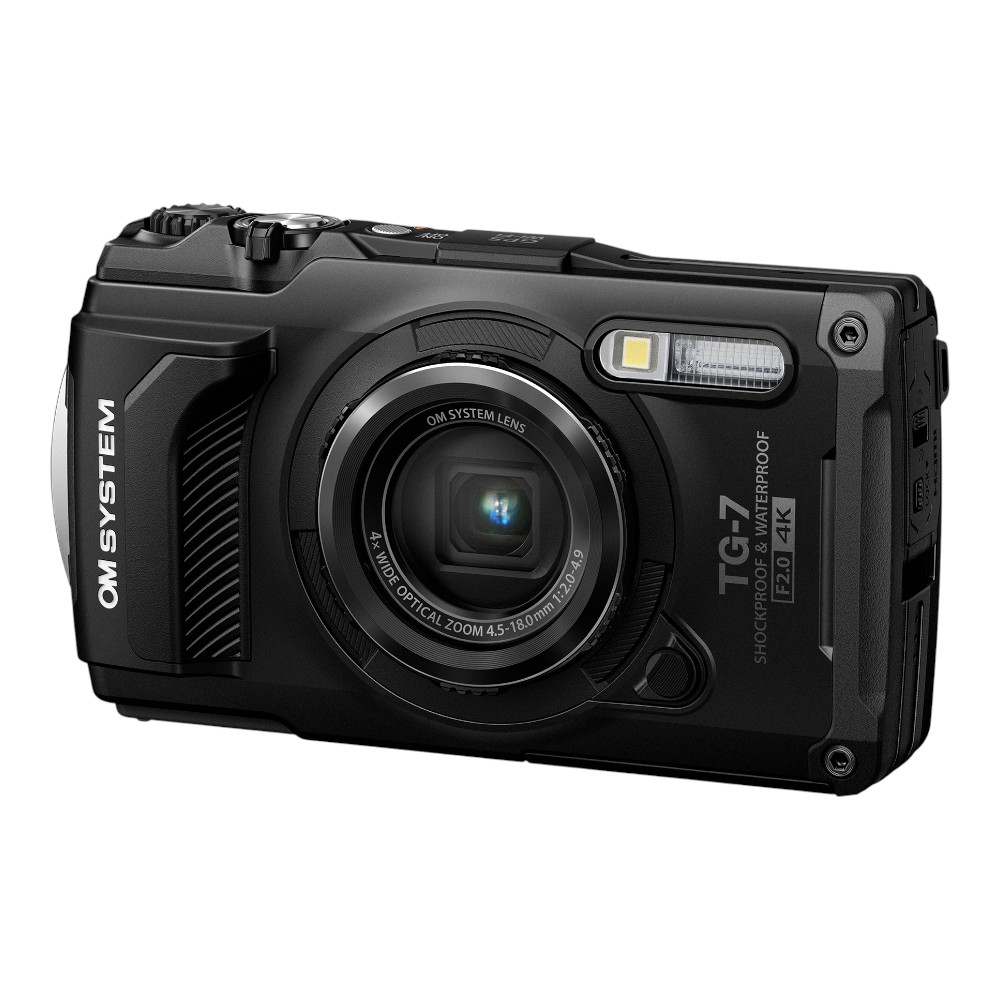
When looking for a digital camera, it’s important to consider its durability and weatherproofing features, especially if you plan to use it in challenging environments or outdoor settings. Some key attributes to look for include:
| Build Quality: | Choose a camera with a sturdy construction that can withstand bumps, drops, and rough handling. |
| Weather Sealing: | Look for cameras that are weather-sealed to protect against moisture, dust, and other environmental elements. |
| Shock Resistance: | Consider cameras with shock-resistant features to ensure they can handle accidental impacts. |
| Freeze Resistance: | Some cameras are designed to work in extreme cold temperatures, so check for freeze-resistant capabilities if you plan to use your camera in cold climates. |
FAQ
What are the key attributes to consider when choosing a digital camera?
When choosing a digital camera, it’s important to consider attributes such as resolution, sensor size, lens quality, zoom capabilities, image stabilization, ISO range, shooting modes, and connectivity options.
How does the sensor size affect the quality of the images captured by a digital camera?
The sensor size of a digital camera affects the amount of light it can capture, which in turn impacts the image quality. Cameras with larger sensors generally produce better image quality, especially in low-light conditions, compared to cameras with smaller sensors.
Can you explain the importance of lens quality in a digital camera?
The lens quality of a digital camera is crucial as it determines the sharpness, clarity, and overall image quality. A high-quality lens can significantly improve the sharpness and detail in photos, while a poor-quality lens may result in blurry or distorted images.
What role does image stabilization play in a digital camera?
Image stabilization in a digital camera helps reduce camera shake and blur in photos, especially when shooting in low light or using a telephoto lens. It ensures sharp and clear images by compensating for any unintentional movement of the camera.


Don't forget about lens quality! A great camera body with a cheap lens can ruin your shots.
What exactly is the difference between optical zoom and digital zoom? I've seen both terms used but I'm not entirely sure how they affect image quality.
Great question! Optical zoom uses the camera's lens to magnify the image, maintaining quality. Digital zoom, however, enlarges the pixels, which can lead to a loss in clarity.
How do cameras with higher ISO settings compare to those with lower ones? Is the quality significantly better in low-light situations?
I recently got a digital camera with a high optical zoom, and it's a game changer for wildlife photography. The detail I can capture from a distance is impressive. However, I do notice that the digital zoom doesn't hold up well, so I avoid using it. Has anyone else experienced this?
What’s the difference between optical zoom and digital zoom? I’ve seen both mentioned, but I’m not clear on why it matters for image quality.
I’ve had a fantastic experience with my camera’s optical zoom. I once took some wildlife shots from a distance, and the clarity was amazing compared to when I used digital zoom on my older camera. It really makes a difference, especially for nature photography!
That’s great to hear! Did you notice any difference in low light situations as well? I'm considering a camera upgrade.
I've been using a camera with a higher ISO range for low-light photography, and it definitely makes a difference. I used to struggle with blurry images at night, but now I can shoot in dim conditions without sacrificing quality. Just make sure to keep an eye on noise levels!
I recently switched to a camera with good weatherproofing, and it’s a game changer! I can shoot without worrying about light rain or dust.
I disagree that image stabilization is not essential for all types of photography. Even in well-lit conditions, a little extra stability can go a long way in ensuring sharp images, especially with longer lenses.
What should I prioritize between resolution and image stabilization when selecting a digital camera? I often shoot in low-light conditions.
Good question! I’m curious about how resolution impacts not just the quality of images, but also the file sizes. Is there a point where a higher megapixel count creates diminishing returns for general photography?
I disagree with the emphasis on resolution being the most important attribute. In my experience, lens quality and sensor size are often more critical for overall image quality.
I've been comparing cameras, and I noticed some have both optical and digital zoom. Is it worth having both? What’s the main difference in performance?
Optical zoom provides true magnification by using the lens, maintaining image quality. Digital zoom enlarges the image digitally, which can lead to pixelation. It's best to prioritize cameras with good optical zoom.
I think it’s crucial to understand how ISO sensitivity works. Can someone explain how it affects low-light photography in practical terms?
What exactly does the ISO range mean for my photos? Is higher always better?
The ISO range basically measures the camera's sensitivity to light. A higher ISO can help in low-light situations, but it can also introduce noise, which decreases image quality. So, it's a balance.
Can somebody explain the difference between program mode and manual controls? I’m new to photography and a bit confused.
Program mode automates some settings while allowing you to adjust others, making it easier for beginners. Manual controls give you full control over all settings, which is great for experienced photographers.
I've noticed that some cameras have better image stabilization than others. Is there a way to compare this feature across different models?
Typically, user reviews and comparison sites highlight image stabilization features. Look for terms like 'optical image stabilization' or 'digital image stabilization' for specifics.
I love cameras with Wi-Fi connectivity. It makes transferring photos so much easier!
I recently got a digital camera with high optical zoom and I'm amazed at how much detail I can capture from distances. The image stabilization feature is a game changer too! I used to get shaky pictures when zoomed in, but now my photos are much clearer.
I recently bought a camera with high ISO sensitivity for low-light conditions, and it has made a huge difference in my nighttime landscape shots. I used to struggle a lot with noise, but now pictures look clearer even in dim settings. The image stabilization also helps a lot when shooting handheld. Anyone else had similar experiences?
That sounds great! I’ve been hesitant to upgrade because I’m worried about the cost, but it really sounds worth it for those types of shots.
Thanks for sharing your experience! Upgrading to a camera with better low-light capabilities can really enhance your photography, especially for landscapes or night scenes.
I’m not convinced that resolution is the most important factor in choosing a camera. I think lens quality and sensor size play a bigger role in image quality.
I can see your point. I’ve had cameras with lower megapixels that took beautiful photos thanks to great lenses.